Plizio Visual Lab

Sehlabathebe Plateau
Plizio editorial teamData Sources
Mountain
—°1
Sehlabathebe Plateau (Lesotho)

Weather…

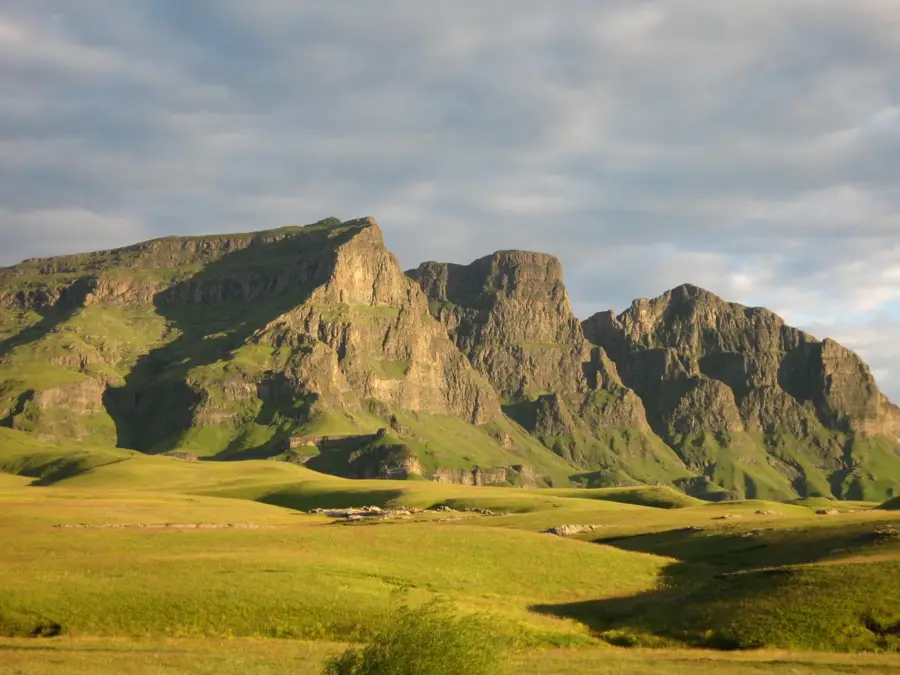
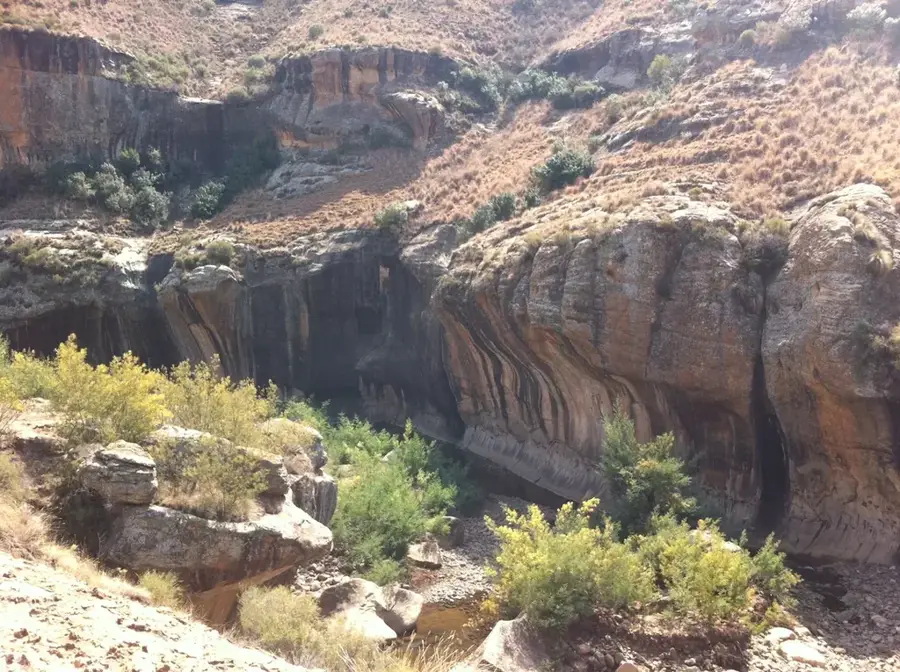
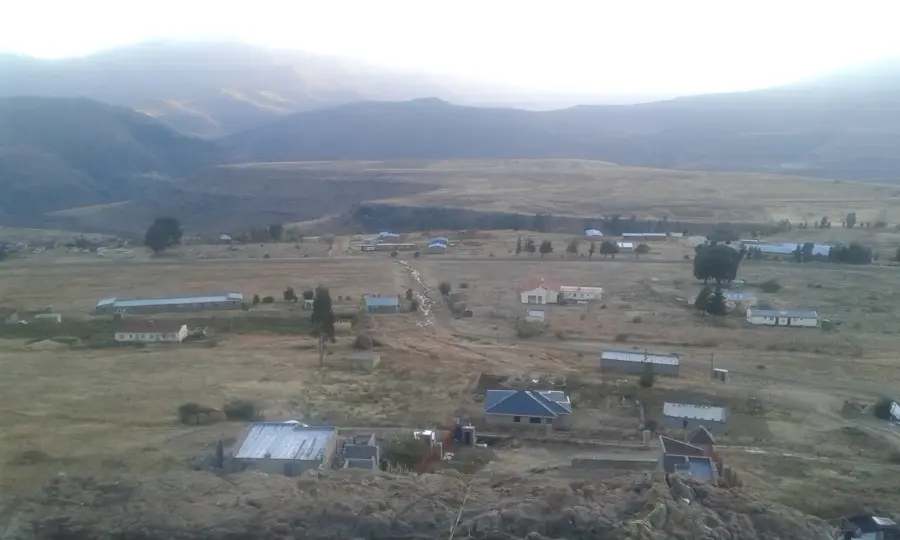
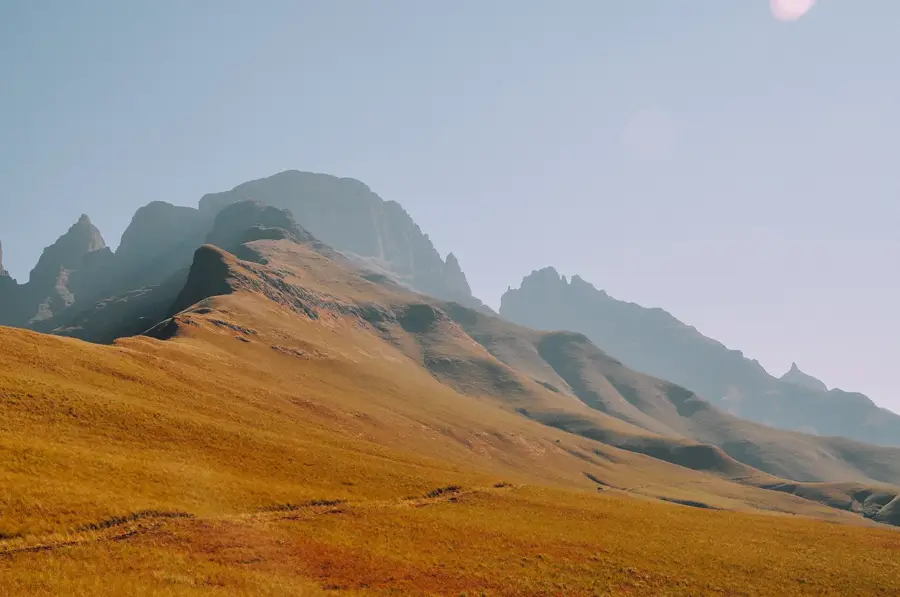
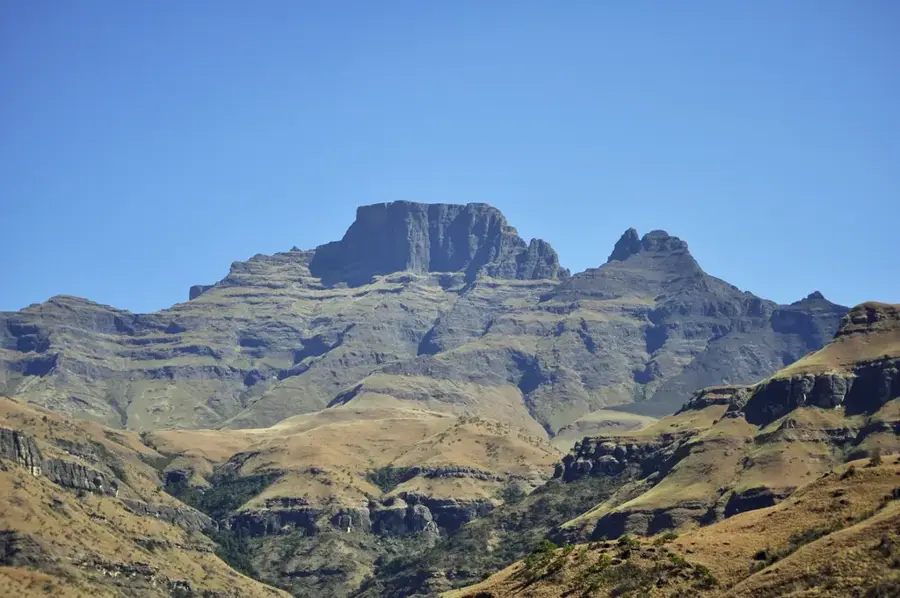
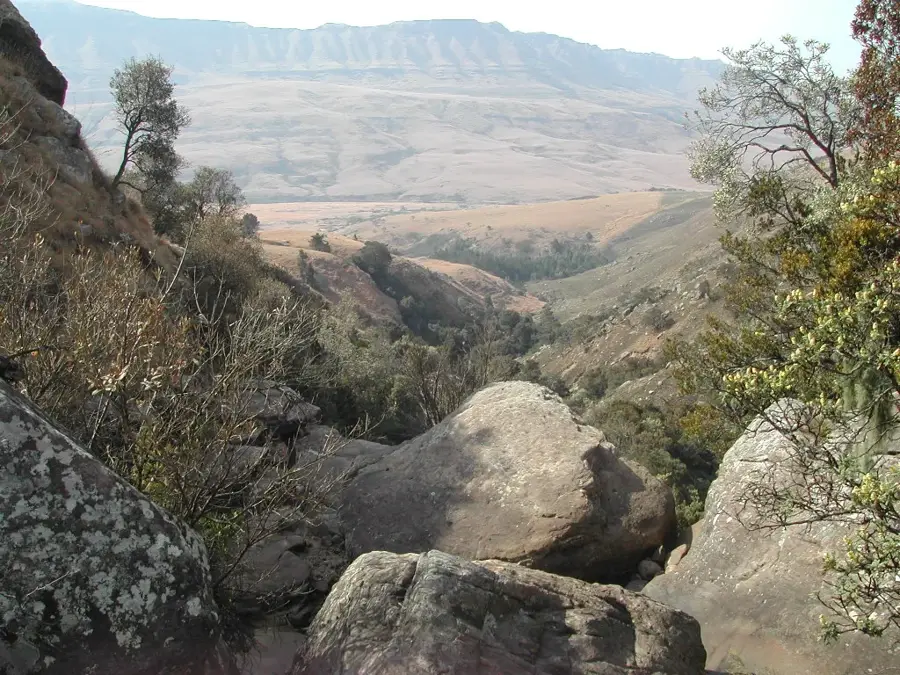
The Sehlabathebe Plateau, situated on the southeastern border of Lesotho, is the core of the country's first national park and forms part of a UNESCO World Heritage site. Resting at an average altitude of 2,400 meters, the plateau features a mystical landscape of rolling grasslands, silent alpine lakes, and bizarre sandstone rock formations eroded by wind into shapes resembling ancient ruined cities. This ecologically sensitive region is home to numerous rare and endemic species, most notably the critically endangered Sehlabathebe water lily. The area's extreme isolation has helped perfectly preserve both its rich biodiversity and the ancient San rock art hidden within its caves. The plateau is frequently shrouded in dense mountain fog, lending it a mysterious atmosphere that attracts birdwatchers and dedicated hikers. Despite its difficult accessibility, Sehlabathebe remains a vital symbol of Lesotho’s ecological heritage. Its unique combination of remarkable geology and rare alpine flora makes it one of the most precious conservation areas in all of Southern Africa.

Best time to visit & climate

The most pleasant time to visit is Oct–Dec.

JanFebMarAprMayJunJulAugSepOctNovDec
Avg °C17161511855711141517
Rain mm149126884915101321266488117

📋 Practical info

🧭
Getting there
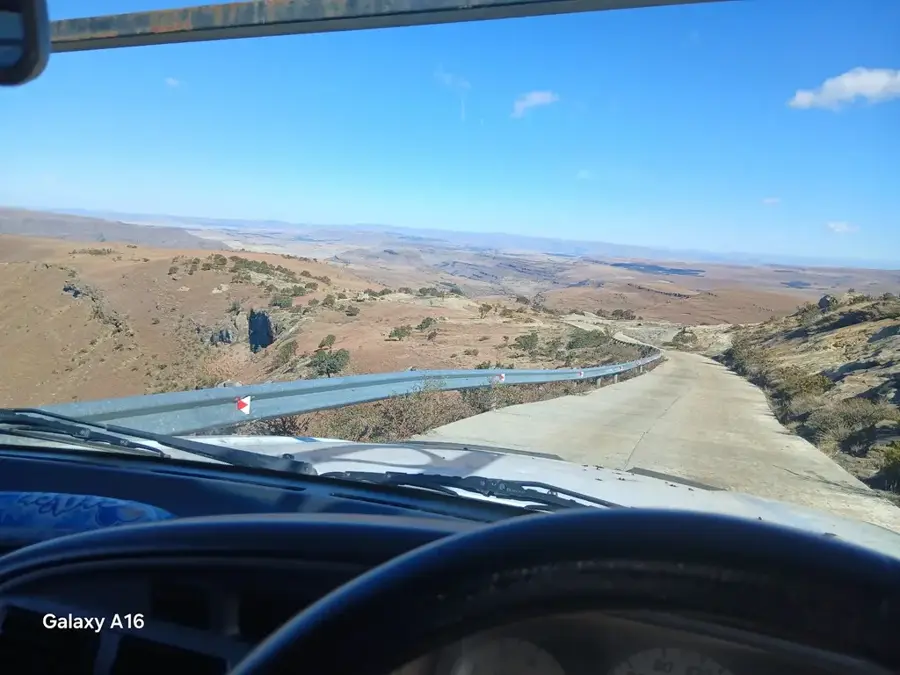
Access to the remote Sehlabathebe Plateau generally requires a robust 4x4 vehicle due to the rugged and often deteriorated mountain tracks. The journey usually begins from the nearest major town of Qacha's Nek, climbing steeply into the highlands.
📅
Best season
Summer (November to March) gives blooming alpine flora and warmer temperatures, though heavy thunderstorms are frequent. Winter brings harsh cold, strong winds, and possible snow, making travel very challenging for unprepared visitors.
⛰️
Terrain & paths
The plateau features a mesmerizing landscape of undulating grasslands, wetlands, and spectacular sandstone rock formations. Hiking paths are largely unmarked, crossing open fields, small streams, and sometimes boggy ground depending on recent rain.
🎒
What to bring
Fully waterproof clothing and extreme cold-weather gear are essential, even in summer, as conditions change drastically. A reliable GPS device, physical topographic maps, extra food supplies, and sturdy hiking boots are absolutely mandatory here.
🅿️
Parking
Parking is typically available at the designated entry gates or local lodges functioning as base camps for the national park area. Vehicles should always be locked, and valuables should not be left visible when heading out for multi-day hikes.
⚠️
Safety
The extreme isolation and rapid weather changes pose the greatest risks to visitors navigating the open plateau. Fog can reduce visibility to zero within minutes, making navigation impossible without instruments, so always hire a local guide if unsure.
⏱️
Time needed
To fully appreciate the unique rock formations and rare flora, plan for a stay of at least two to three days. Single-day visits are possible but often feel rushed given the very long and arduous travel time required just to reach the plateau.

Geography

Coordinates
-29.90000, 29.10000

Facts

  • Home to Lesotho's oldest national park, established in 1969.
  • Part of the Maloti-Drakensberg UNESCO World Heritage site.
  • Located at an average elevation of 2400 meters above sea level.
  • Famous for the endemic Sehlabathebe water lily (Aponogeton ranunculiflorus).
  • The area contains numerous ancient San rock art sites.
  • A premier destination for birdwatchers and high-altitude hikers.

Explore nearby

Notable places around

Route planner — Car & Motorhome

Where do you start? We build the route here, with stops and country notes along the way.

Vehicle
Only stops with (optional):

© OpenStreetMap contributors · OpenRouteService

Sights in the town Sehlabathebe Plateau (1)

Sehlabathebe National Park🌿 nature

Sehlabathebe National Park is a globally recognized World Heritage site renowned for its striking high-altitude mountain landscapes.

Sights nearby

Frequently asked questions

Is Sehlabathebe a national park?
Yes, it is Lesotho's oldest national park and part of the UNESCO World Heritage Maloti-Drakensberg site.
What are the attractions in the park?
Unique sandstone formations, rock arches, high-altitude tarns, and rare alpine plants.
How difficult is the journey to the park?
The journey is very arduous and only possible with a rugged 4x4 vehicle on unpaved tracks.
Are there accommodations in the park?
There is a park lodge and camping options, which should be reserved in advance.
What is the Sehlabathebe water frog?
A rare, endemic amphibian species that lives only in the waters of this park.
Sehlabathebe Plateau: where is it located?
Sehlabathebe Plateau is located in Lesotho.
Sehlabathebe Plateau: when is the best time to visit?
The most pleasant time to visit is Oct, Dec.
Sehlabathebe Plateau: why is it worth visiting?

The Sehlabathebe Plateau, situated on the southeastern border of Lesotho, is the core of the country's first national park and forms part of a UNESCO World Heritage site.
View on map → The Top 50 Attractions → OpenStreetMap →
Africa
Explore with Plizio Discover more places in Africa
More places in Lesotho →

Nearby cities

History & landmarks
Nature
More places