Plizio Visual Lab
Ha Belo

ℹ️Practical info — Ha Belo
▾
🌤 Weather — 5 days
📍 Nearby
Sights nearby
💡 Tips
- Ha Belo is a typical, conservative rural village; dress modestly and always greet the locals respectfully.
- Due to the high altitude, it gets very cold after sunset and especially in winter, so it's best to wear layered clothing.
- Use the larger, nearby town of Butha-Buthe as your logistical base for an excursion to this community.
- Always politely ask the villagers for permission before you start taking photos of them or their traditional homes.
🍽 Food
Enjoy authentic, hearty barbecue at the popular local hangout spots in nearby Butha-Buthe.
A very popular, warm, and sweet snack that you can find fresh from street vendors early in the morning.
The simple, rural eateries in the area often serve hearty and warming meat and vegetable stews.
🛍 Shopping · 🧘 Quiet spots
You will find the best and most reliable selection of local agricultural products in the nearby district capital.
Look out in the regional shops for the thick, colorful Basotho blankets that provide excellent protection from the cold.
Take a walk across the gentle, green hills just outside the village for some absolute solitude and tranquility.
The dirt paths winding between the traditional round huts offer a very peaceful, authentic atmosphere.
Water temperature…
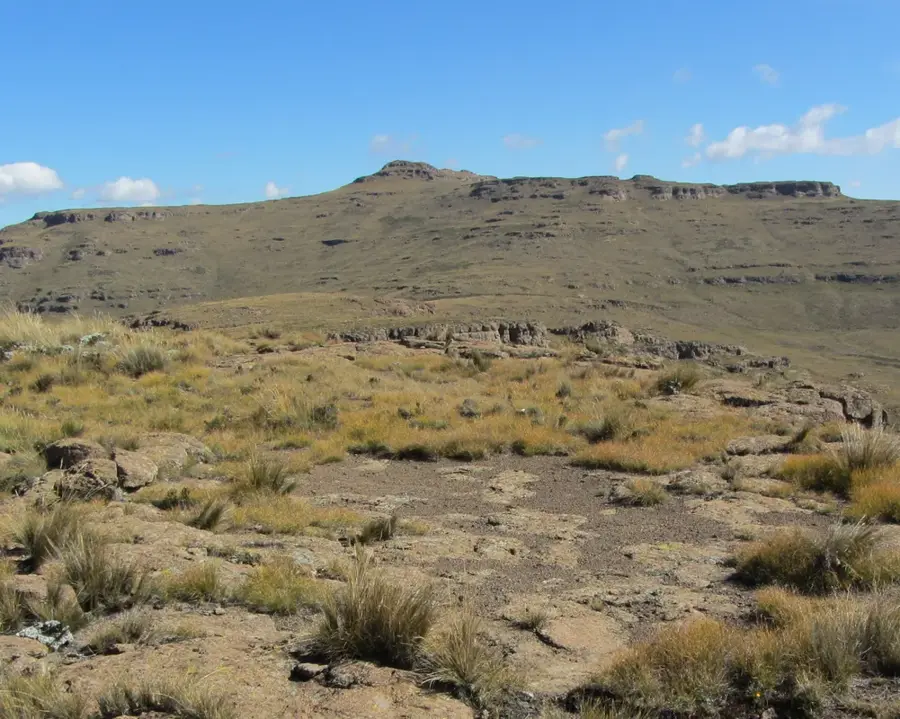
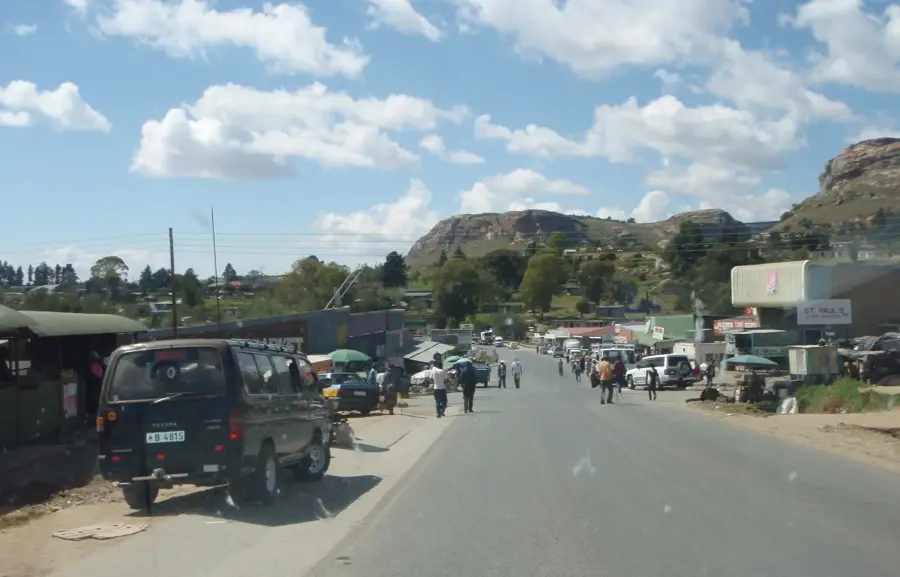
Ha Belo is a traditional Basotho village located in the northern Butha-Buthe District of Lesotho, representing the authentic rural life of the mountain kingdom. The settlement is situated near the Caledon River, which forms the international border with South Africa, and serves as an agricultural hub for the surrounding region. The village architecture is dominated by stone-walled rondavels with steeply pitched thatched roofs, designed to withstand the cold mountain climate and heavy seasonal rains. Historically, this area was part of the territory consolidated by King Moshoeshoe I during the formation of the Basotho nation in the 19th century. Local inhabitants primarily engage in subsistence farming, cultivating maize, sorghum, and beans on the fertile slopes. The village also maintains strong cultural traditions, including the rearing of Basotho ponies, which are essential for transport in the rugged terrain. Ha Belo provides a glimpse into the resilient social structures and communal land management practices that define Lesotho's interior.
- Location: Lesotho
- Nearby: Khabo's (8 km)
Best time to visit & climate
The most pleasant time to visit is Sep–Nov.
| Jan | Feb | Mar | Apr | May | Jun | Jul | Aug | Sep | Oct | Nov | Dec | |
|---|---|---|---|---|---|---|---|---|---|---|---|---|
| Avg °C | 14 | 14 | 12 | 9 | 5 | 2 | 2 | 5 | 8 | 11 | 12 | 14 |
| Rain mm | 193 | 155 | 115 | 65 | 16 | 14 | 12 | 23 | 32 | 82 | 115 | 163 |
Geography
Facts
- Located in the northern Butha-Buthe District.
- Near the Caledon River border crossing.
- Traditional stone and thatch architecture.
- Agricultural hub for maize and sorghum.
- Center for traditional Basotho pony breeding.
- Part of the historic Basotho kingdom.
Explore nearby
Notable places around


Route planner — Car & Motorhome
Where do you start? We build the route here, with stops and country notes along the way.
© OpenStreetMap contributors · OpenRouteService
Frequently asked questions
Where is Ha Belo located?
What is the economic importance of the place?
Are there markets there?
Can you stay overnight there?
What can you visit nearby?
Ha Belo: where is it located?
Ha Belo: when is the best time to visit?
Ha Belo: why is it worth visiting?

Nearby cities



History & landmarks
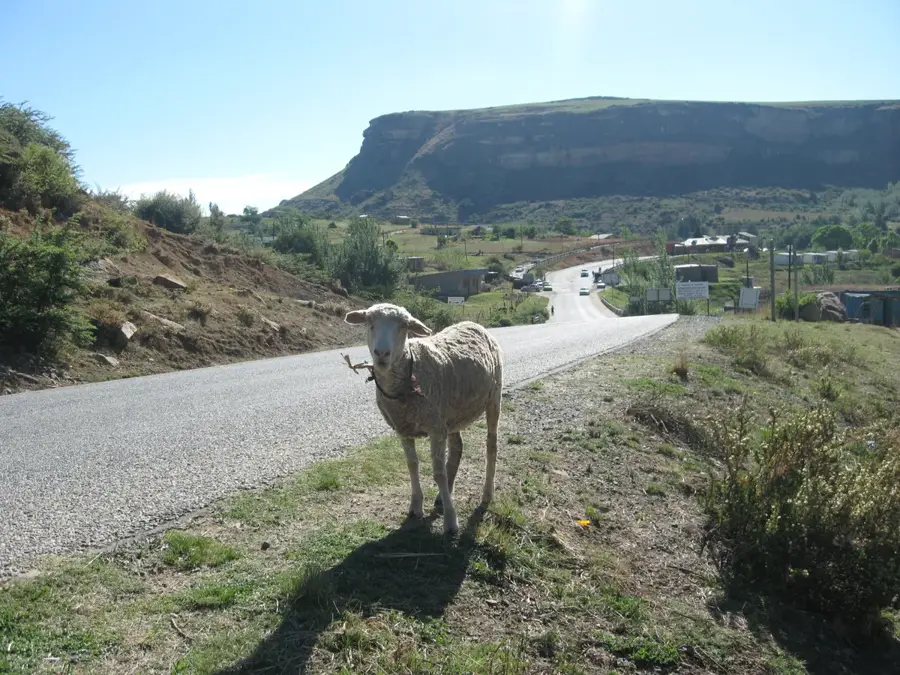
Nature

More places