Plizio Visual Lab

Ts'ehlanyane Forest
Plizio editorial teamData Sources
Forest
—°3
Ts'ehlanyane Forest (Lesotho)

Weather…

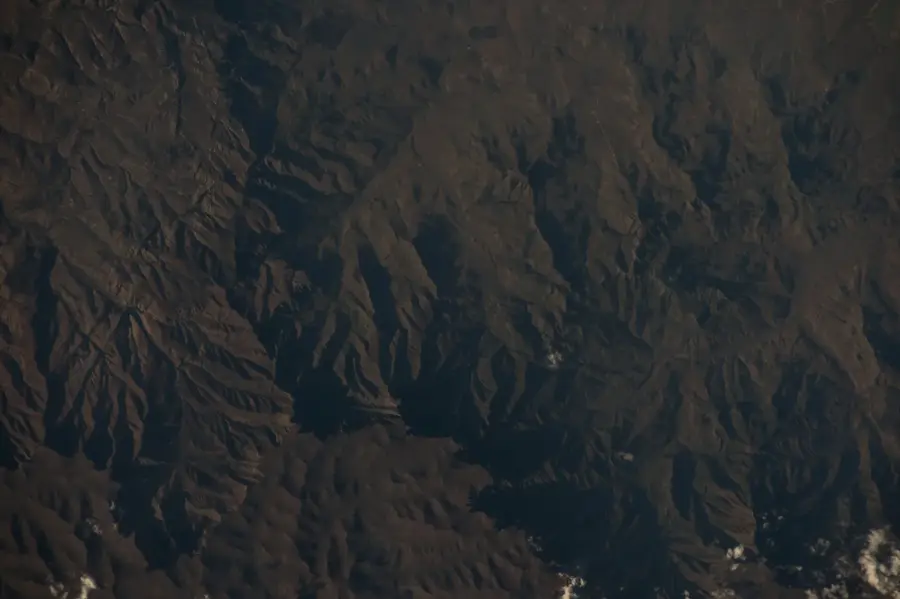
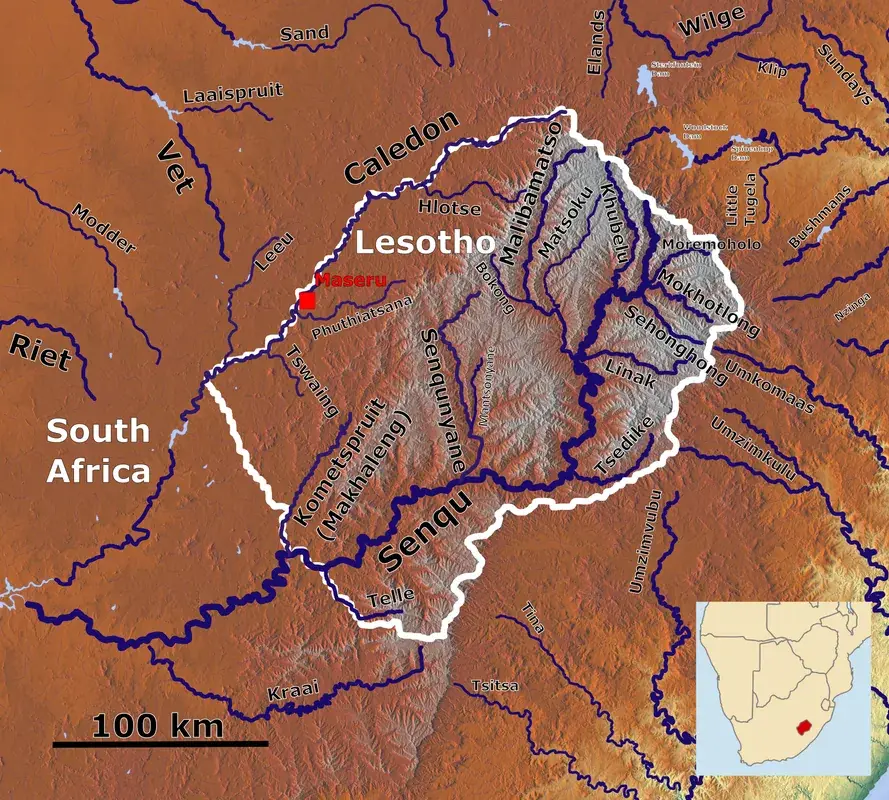
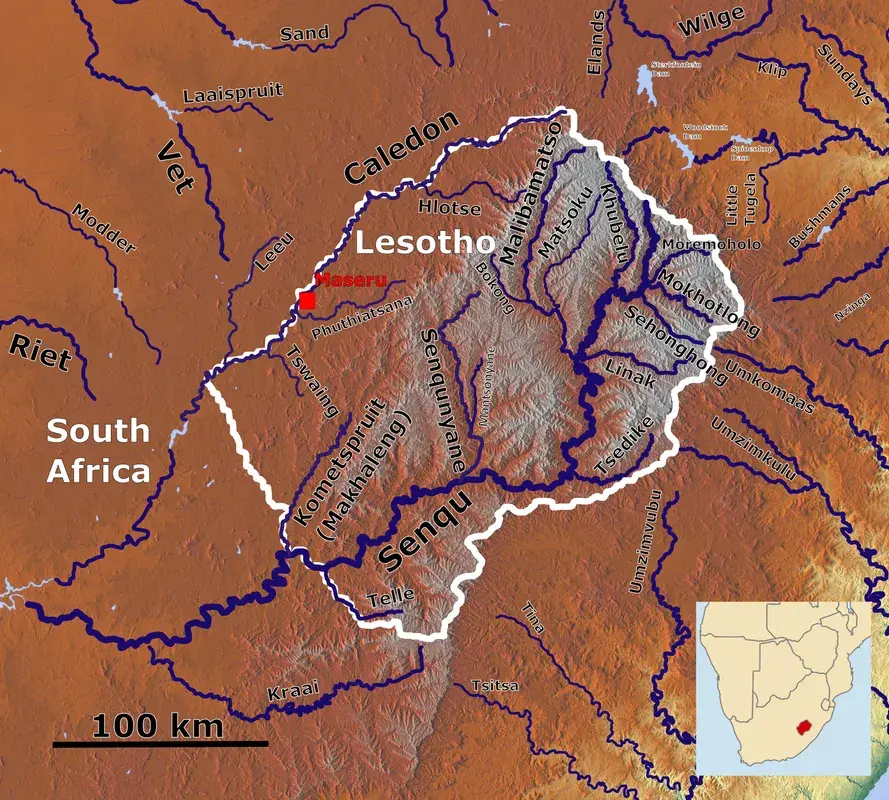
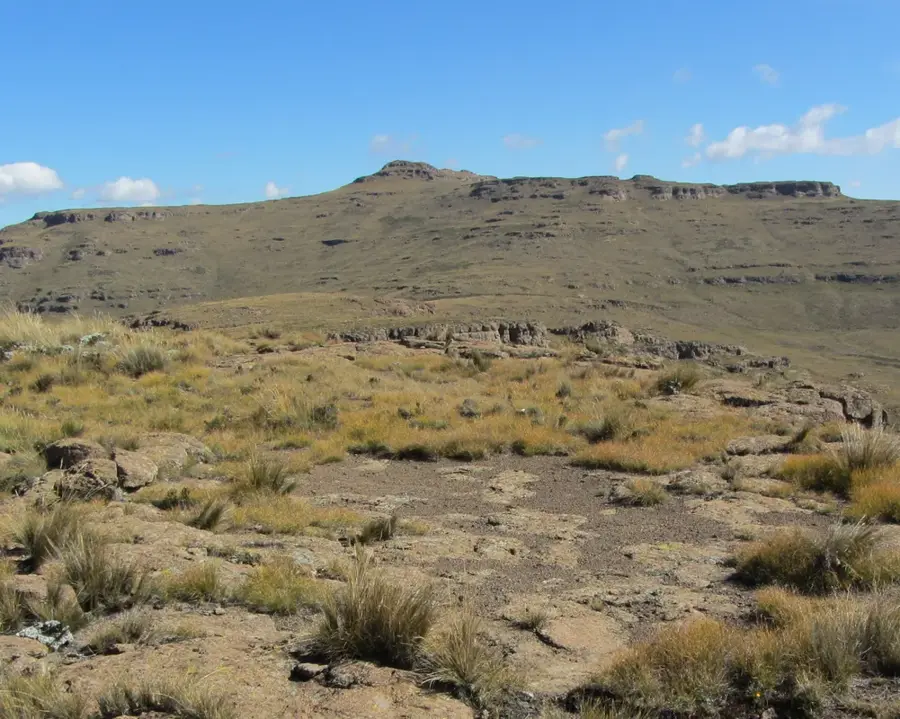
Ts'ehlanyane National Park is Lesotho's largest wilderness area, situated in the Maloti Mountains of the Butha-Buthe District. Established in 1991, it encompasses approximately 5,600 hectares of rugged mountainous terrain and protects one of the country's few remaining indigenous woodlands. A key ecological feature is the high-altitude berg bamboo (Thamnocalamus tessellatus), which thrives in the park's deep valleys and along its slopes. Elevations within the reserve range from 1,940 to 3,112 meters, creating a diverse landscape of alpine flora, dramatic cliffs, and pristine waterfalls. As a component of the Maloti-Drakensberg Transfrontier Conservation Area, the park is vital for preserving the region's unique high-altitude biodiversity. Additionally, it serves as a crucial water catchment area, feeding the Hololo River and contributing significantly to the regional water resources of Lesotho.

Best time to visit & climate

The most pleasant time to visit is Sep–Nov.

JanFebMarAprMayJunJulAugSepOctNovDec
Avg °C141412952258111214
Rain mm19315511565161412233282115163

📋 Practical info

🧭
Getting there
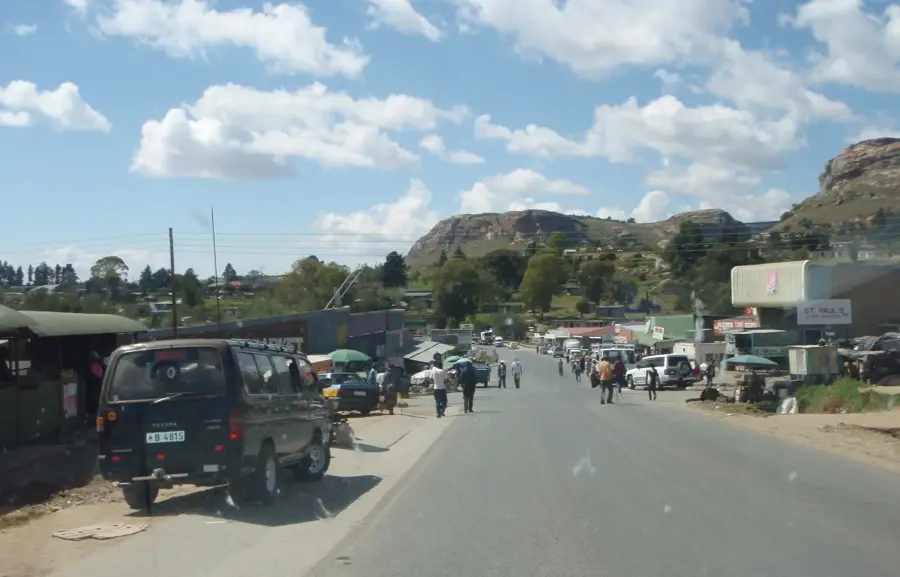
The forest is located within the Ts'ehlanyane National Park, situated deep in the Maloti Mountains but accessible via a decent paved road. Most visitors drive up from the town of Leribe, arriving directly at the park's main entrance gates and lodge.
📅
Best season
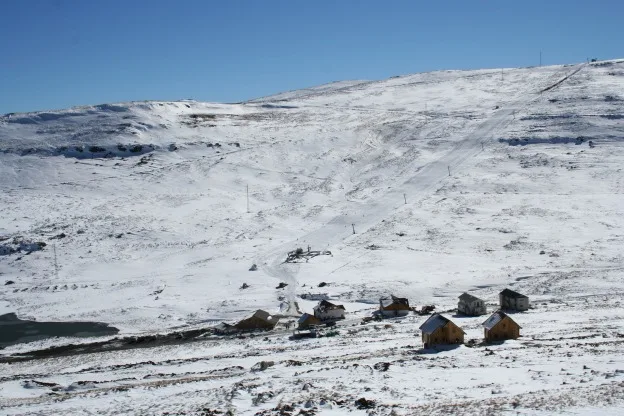
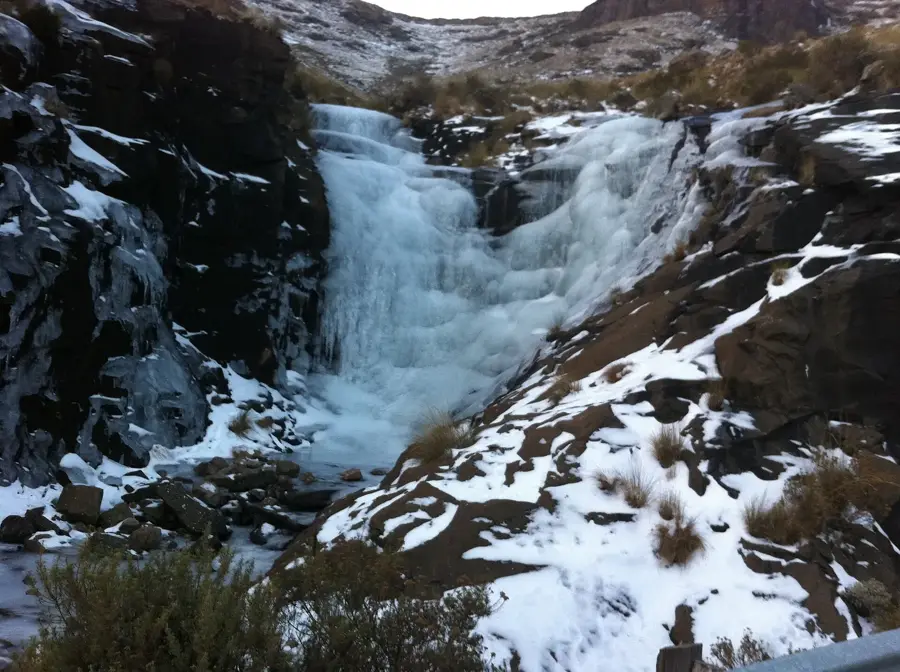
The lush forest is beautiful to visit during the wet summer months when waterfalls are roaring and vegetation is brilliantly green. Winters can be cold with occasional snow, transforming the reserve into a stark, quiet, and dramatically icy landscape.
⛰️
Terrain & paths
Trails within the park range from well-maintained, gentle walking paths near the lodge to rugged, steep tracks winding through thick undergrowth. Hikers will navigate wooden bridges, rocky riverbeds, and sections of dense, indigenous canopy shade.
🎒
What to bring
Sturdy hiking shoes are necessary for the rocky paths, while a lightweight waterproof jacket is recommended due to frequent mountain mist and sudden showers. Pack insect repellent, comfortable walking trousers, and enough water for longer loop trails.
🅿️
Parking
Excellent, safe parking facilities are provided inside the park boundaries, usually adjacent to the main lodge or the visitor center. These lots are regularly patrolled by park staff, making them secure for leaving vehicles during full-day forest excursions.
⚠️
Safety
While the lower trails are exceptionally safe and family-friendly, higher and deeper paths can be slippery and confusing without a map. River crossings can become perilous after heavy rain, so never attempt to wade across fast-moving, swollen streams.
⏱️
Time needed
Short botanical walks around the main facilities can be completed in just an hour or two by casual walkers. For those wanting to hike the longer circuits leading to the cascading waterfalls and deep valleys, expect a journey of four to six hours.

Geography

Coordinates
-28.90000, 28.45000

Facts

  • Established in 1991 as part of Lesotho's nature conservation efforts.
  • Covers an area of approximately 5,600 hectares in the Maloti Mountains.
  • Home to the significant high-altitude berg bamboo (Thamnocalamus tessellatus).
  • The highest point in the park reaches an elevation of 3,112 meters.
  • Part of the Maloti-Drakensberg Transfrontier Conservation Area.
  • Acts as a major water catchment area for the Hololo River system.

Explore nearby

Notable places around
Route planner — Car & Motorhome

Where do you start? We build the route here, with stops and country notes along the way.

Vehicle
Only stops with (optional):

© OpenStreetMap contributors · OpenRouteService

Sights in the town Ts'ehlanyane Forest (3)

Three Cascades🌿 nature

This scenic viewpoint overlooks a series of three cascading waterfalls within the mountainous nature reserve.

National Park Gate📍 landmark

This entrance gate marks the starting point for exploring the protected wilderness of Tšehlanyane National Park.

Tšehlanyane National Park🌿 nature

This rugged national park protects high-altitude alpine tundra and one of Lesotho's few indigenous forests.

Sights nearby

Frequently asked questions

Where is the Ts'ehlanyane National Park located?
It is located in northern Lesotho in the Maloti Mountains and is the country's largest forest reserve.
What tree species grow there?
The park is famous for the Che-Che trees (Leucosidea sericea) and rare alpine bamboo species.
Can you hike in the park?
Yes, there are well-marked trails of various lengths passing waterfalls and rock pools.
Is there luxury accommodation there?
Yes, the Maliba Mountain Lodge within the park gives high-end comfort in the heart of nature.
Do you need a 4x4 for the park?
The main access road to the park is tarred and accessible for regular passenger cars.
Ts'ehlanyane Forest: where is it located?
Ts'ehlanyane Forest is located in Lesotho.
Ts'ehlanyane Forest: what is there to see?
Highlights include Three Cascades, National Park Gate, Tšehlanyane National Park.
Ts'ehlanyane Forest: when is the best time to visit?
The most pleasant time to visit is Sep, Nov.
Ts'ehlanyane Forest: why is it worth visiting?

Ts'ehlanyane National Park is Lesotho's largest wilderness area, situated in the Maloti Mountains of the Butha-Buthe District.
View on map → The Top 50 Attractions → OpenStreetMap →
Africa
Explore with Plizio Discover more places in Africa
More places in Lesotho →

Nearby cities

History & landmarks
Nature
More places