Plizio Visual Lab

Nahr Abou Ali River

Plizio editorial teamData Sources
River
—°3
Nahr Abou Ali River (Lebanon)

Weather…

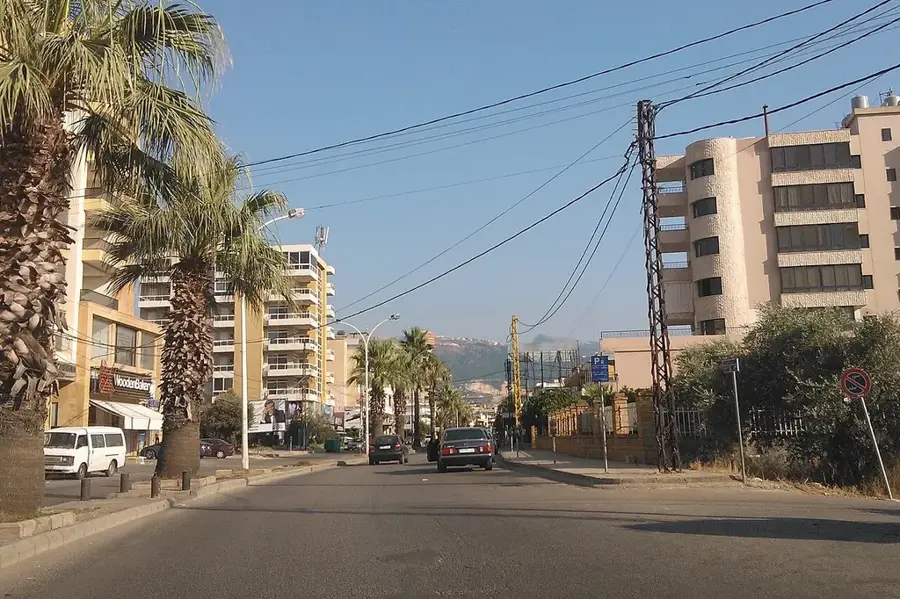
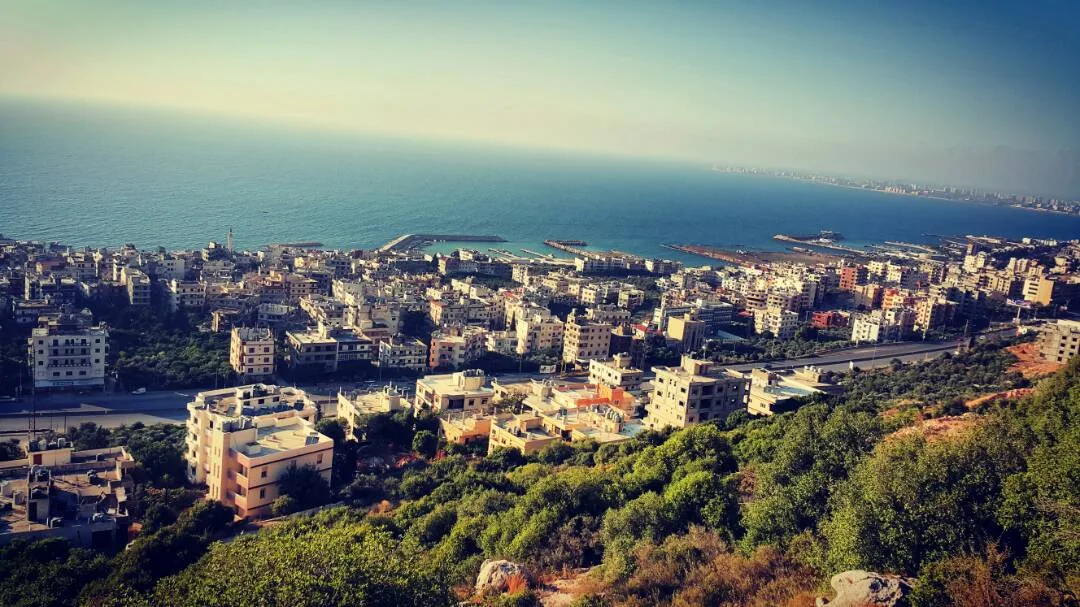
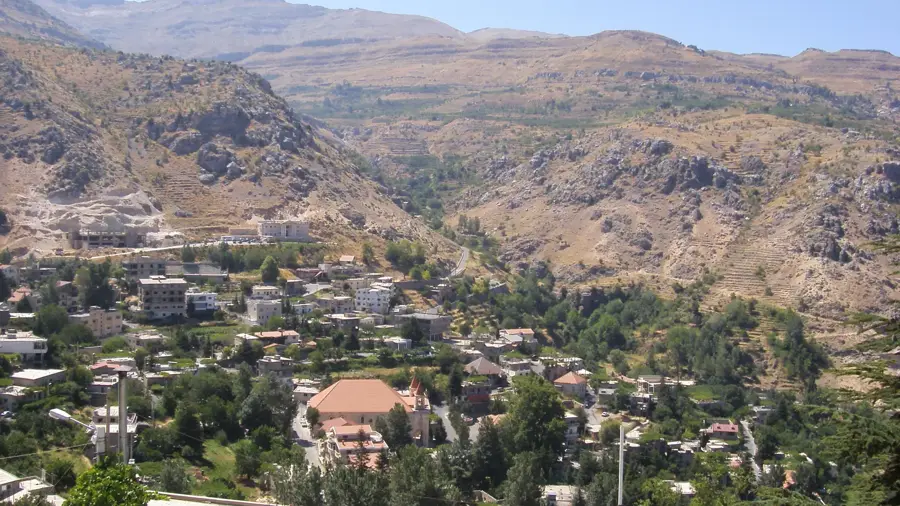
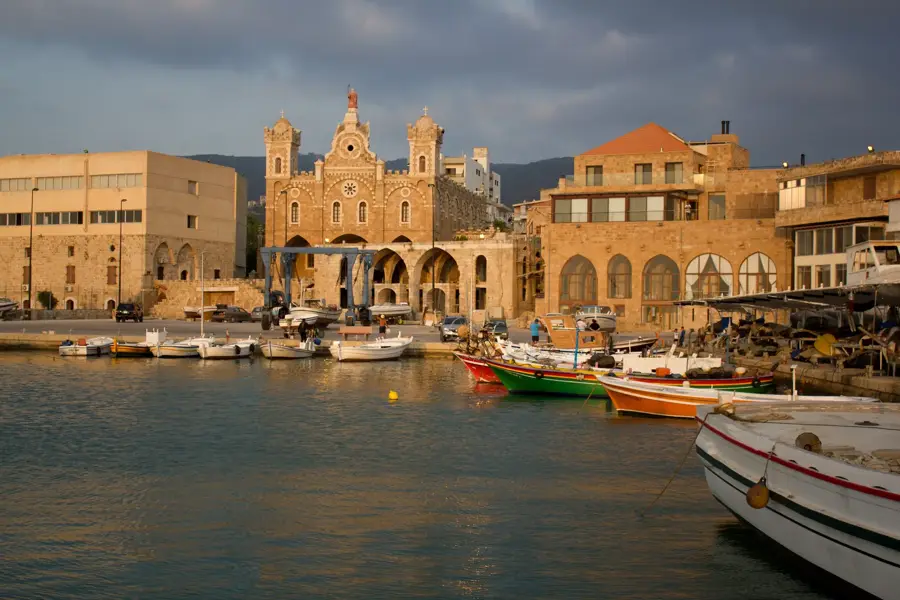
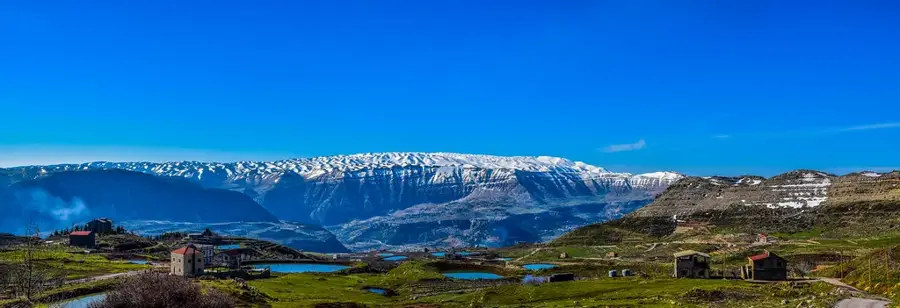
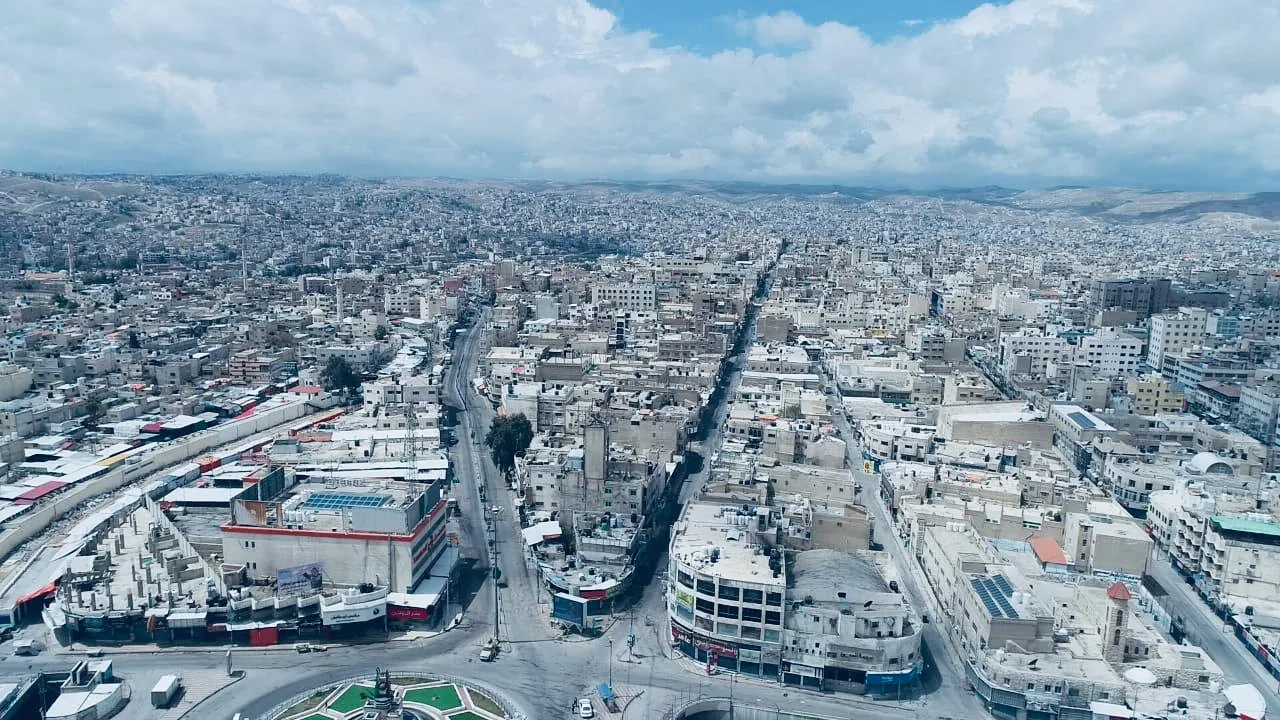
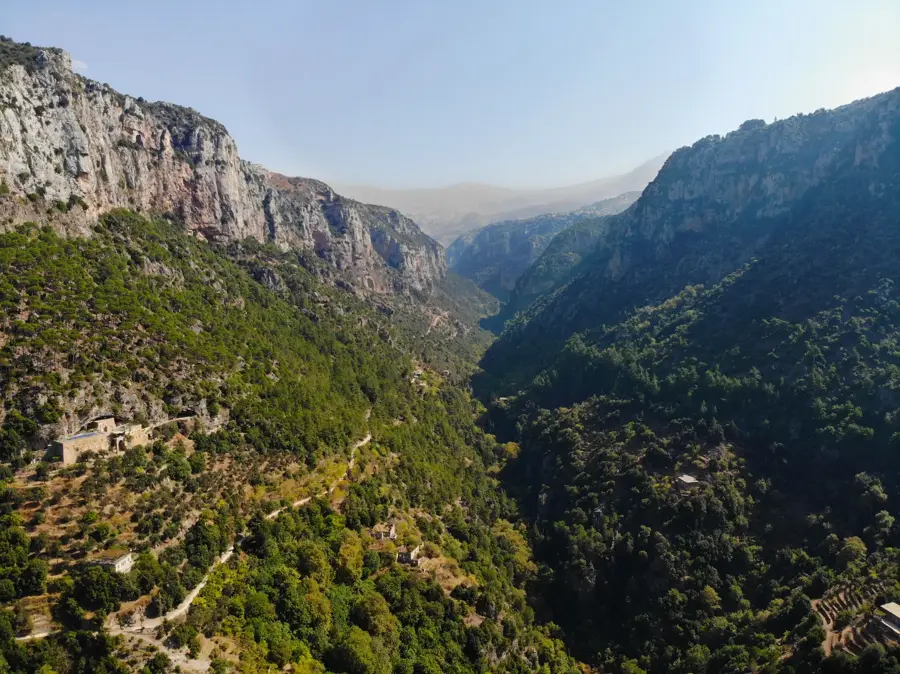
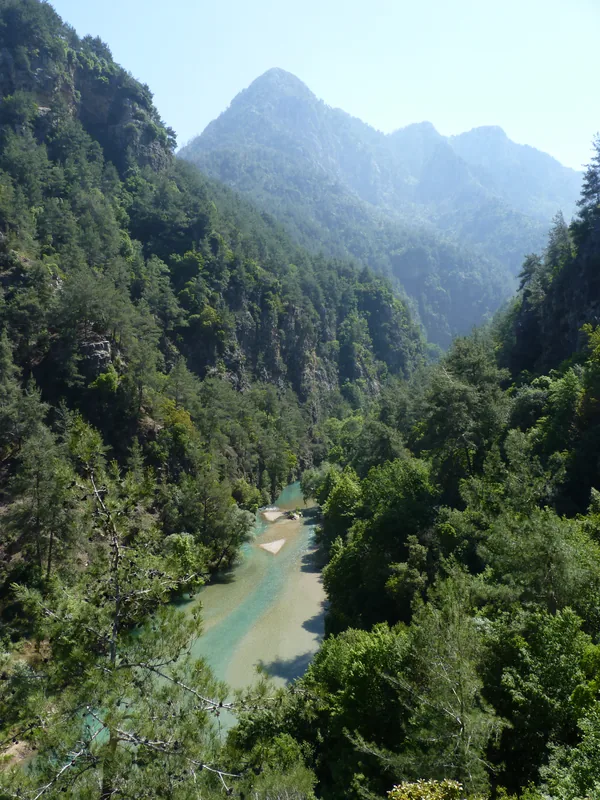
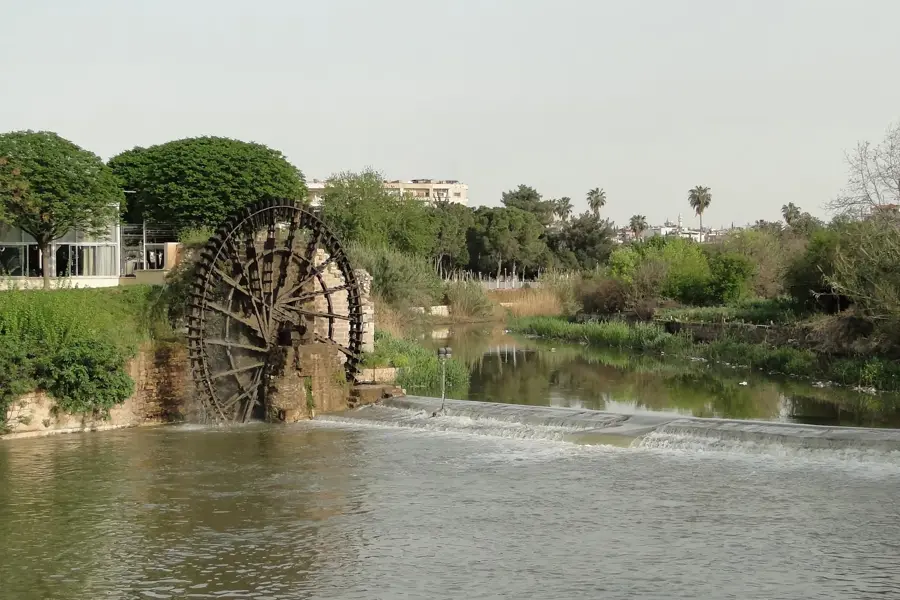
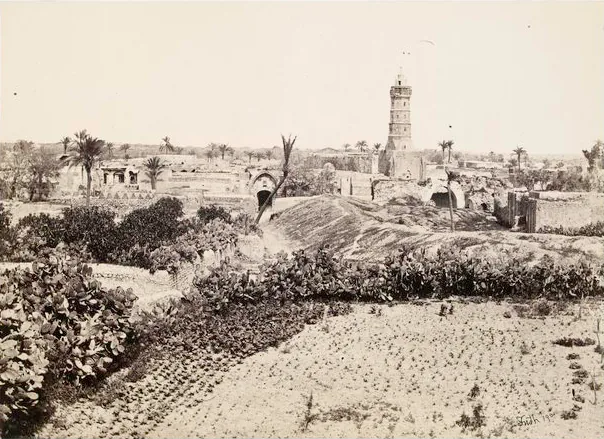
The Nahr Abou Ali River is a waterway of immense historical and geographical significance, originating in the sacred Qadisha Valley and flowing through the heart of Tripoli. Historically, the river was the lifeblood of the city, powering numerous watermills and sustaining the verdant orchards for which Tripoli was once famous. However, the river's identity was forever altered following the catastrophic flood of 1955, which caused widespread destruction and loss of life in the old city. In response, a major engineering project transformed the riverbed into a massive concrete channel to manage water flow and prevent future disasters. Today, the river serves as a stark urban divide between the historic Mamluk souks and the modern residential quarters of the city. Despite its channelization, it remains a vital landmark, with several bridges connecting the bustling markets on either side. Flowing eventually into the Mediterranean at the Port of Tripoli, the Nahr Abou Ali stands as a testament to the complex struggle between urban expansion and the raw power of Lebanese mountain waters.

Best time to visit & climate

The most pleasant time to visit is May, Jun, Sep.

JanFebMarAprMayJunJulAugSepOctNovDec
Avg °C671014192325252319138
Rain mm91684424124119234671

📋 Practical info

🧭
Getting there
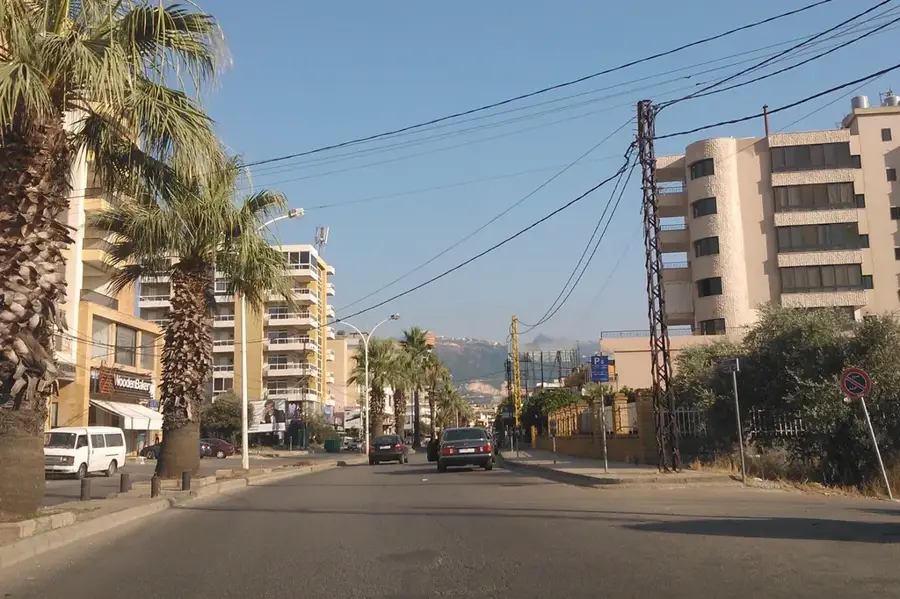
The river runs directly through the bustling center of Tripoli, making it highly accessible via the city's main urban road network. Pedestrian bridges and riverside walks offer direct viewing points.
📅
Best season
The river can be viewed year-round, but spring provides the most dramatic water flows due to snowmelt from the mountains. Late summer might see heavily reduced water levels in the urban channel.
⛰️
Terrain & paths
Within Tripoli, the river's surroundings are entirely paved and urbanized, integrated into the city infrastructure. Walking along the concrete embankments requires no special physical exertion.
🎒
What to bring
Typical comfortable walking shoes are perfectly suitable for exploring the city streets lining the river. A camera is highly recommended to capture the historic architecture bordering the water.
🅿️
Parking
City parking rules apply; visitors can use public lots, street parking, or commercial parking garages near the riverbanks. Traffic in Tripoli can be chaotic, so parking slightly further away is wise.
⚠️
Safety
As it is an urban watercourse, swimming or drinking the water is absolutely forbidden due to high levels of pollution. Be cautious of busy city traffic when crossing the roads alongside the river.
⏱️
Time needed
A stroll along the most prominent urban sections of the river typically takes about one hour. It is usually experienced as part of a larger walking tour of Tripoli's historic souks and citadel.

Geography

Coordinates
34.44390, 35.85020

Facts

  • Length: 45 km
  • Catchment area: 300 km²
  • Source elevation: 2000 m
  • Flow rate: 3 m³/s
  • Mouth: Mediterranean at Tripoli
  • Population of Tripoli: 500,000

Explore nearby

Notable places around

Route planner — Car & Motorhome

Where do you start? We build the route here, with stops and country notes along the way.

Vehicle
Only stops with (optional):

© OpenStreetMap contributors · OpenRouteService

Sights in the town Nahr Abou Ali River (3)

El Fouar Church📍 landmark

A local Christian church located near the flowing waters of the Nahr Abou Ali river.

Al Nasiri Mosque📍 landmark

A historic Islamic place of prayer standing close to the banks of the Nahr Abou Ali.

fatima al zahraa mosque📍 landmark

A community mosque serving the local Muslim population along the Nahr Abou Ali valley.

Sights nearby

Frequently asked questions

Where does the Nahr Abou Ali originate?
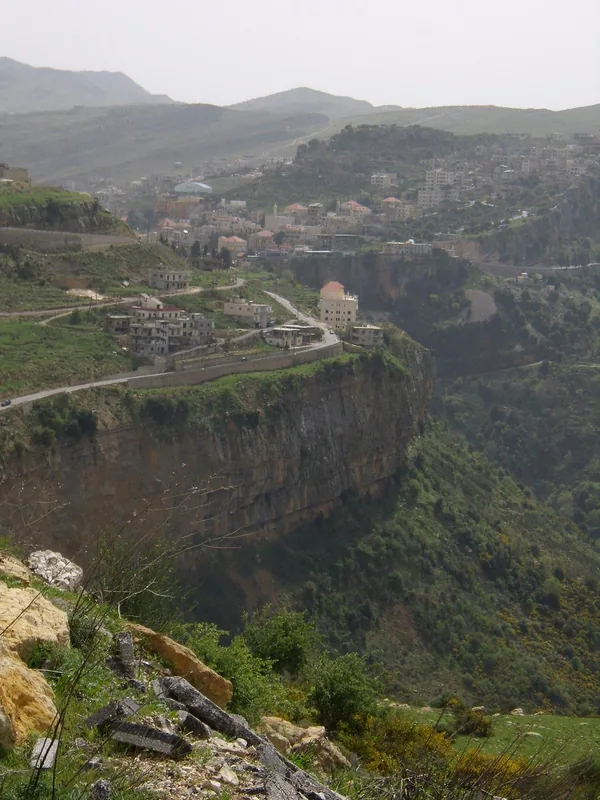
The river originates in the Kadisha Valley, below the Cedars of Lebanon, and flows through Tripoli into the Mediterranean.
Can you walk along the river?
In Tripoli, there are concrete embankments. However, the upper part in the Kadisha Valley is more beautiful, with natural trails.
Are there historical bridges over the river?
Yes, especially in Tripoli, there are historical bridges connecting different districts, though many have been modernized.
Is the river suitable for canoeing?
The lower course is mostly too shallow or canalized. In spring during snowmelt, the upper course is partially navigable for pros, but dangerous.
What role does the river play for Tripoli?
It is the city's lifeline, formerly used for defense and now primarily for drainage, though it suffers from pollution.
Nahr Abou Ali River: where is it located?
Nahr Abou Ali River is located in Lebanon.
Nahr Abou Ali River: what is there to see?
Highlights include El Fouar Church, Al Nasiri Mosque, fatima al zahraa mosque.
Nahr Abou Ali River: when is the best time to visit?
The most pleasant time to visit is May, Jun, Sep.
Nahr Abou Ali River: why is it worth visiting?

The Nahr Abou Ali River is a waterway of immense historical and geographical significance, originating in the sacred Qadisha Valley and flowing through the heart of Tripoli.
View on map → The Top 50 Attractions → OpenStreetMap →
Asia
Explore with Plizio Discover more places in Asia
More places in Lebanon →

Nearby cities

History & landmarks
Nature
More places