Plizio Visual Lab

Temple of Jupiter
Plizio editorial teamData Sources
ruin
—°3
Temple of Jupiter (Lebanon)

Weather…

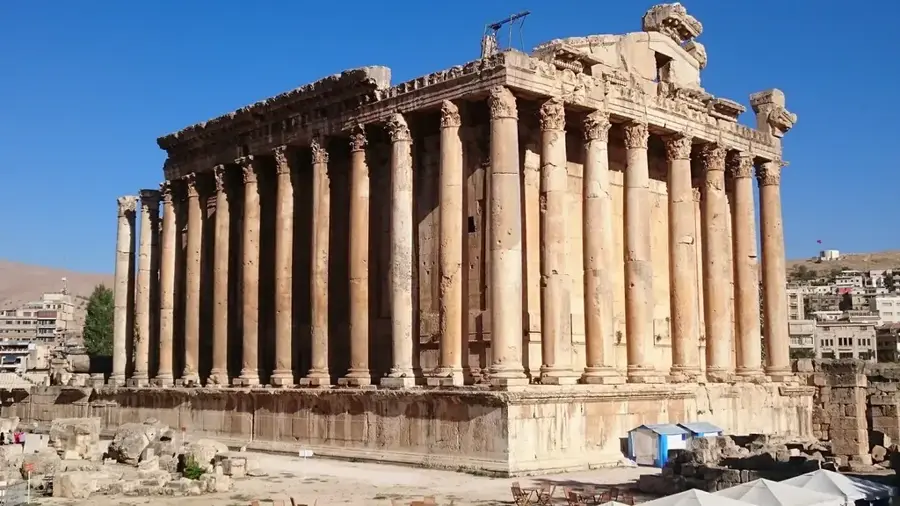
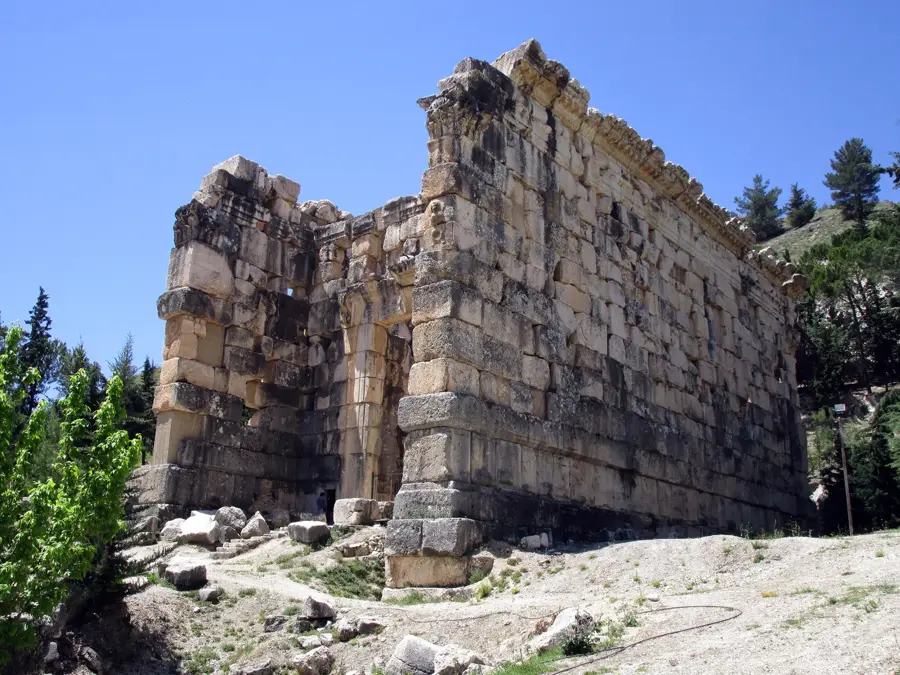
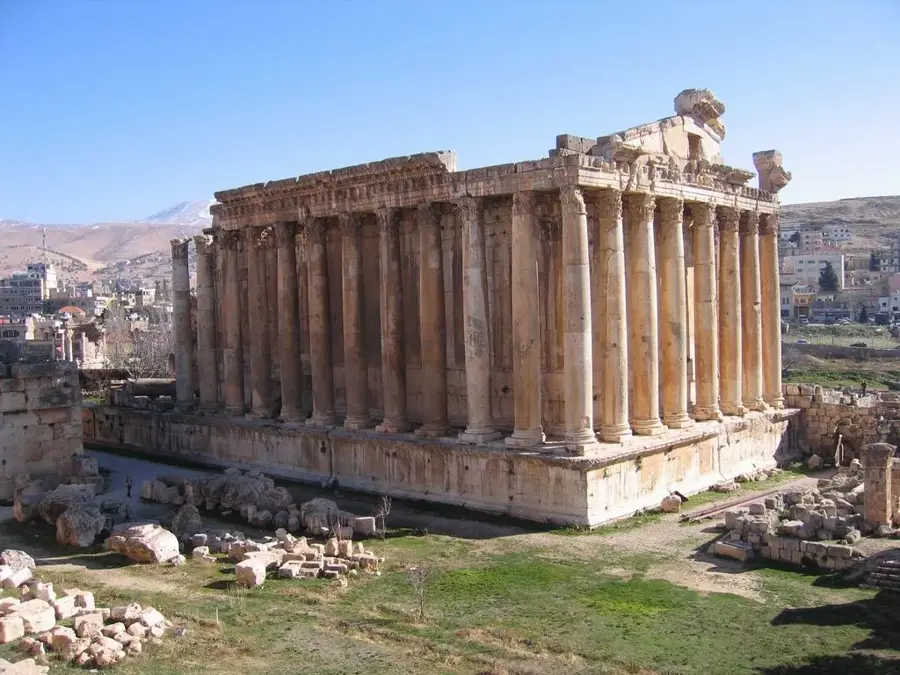
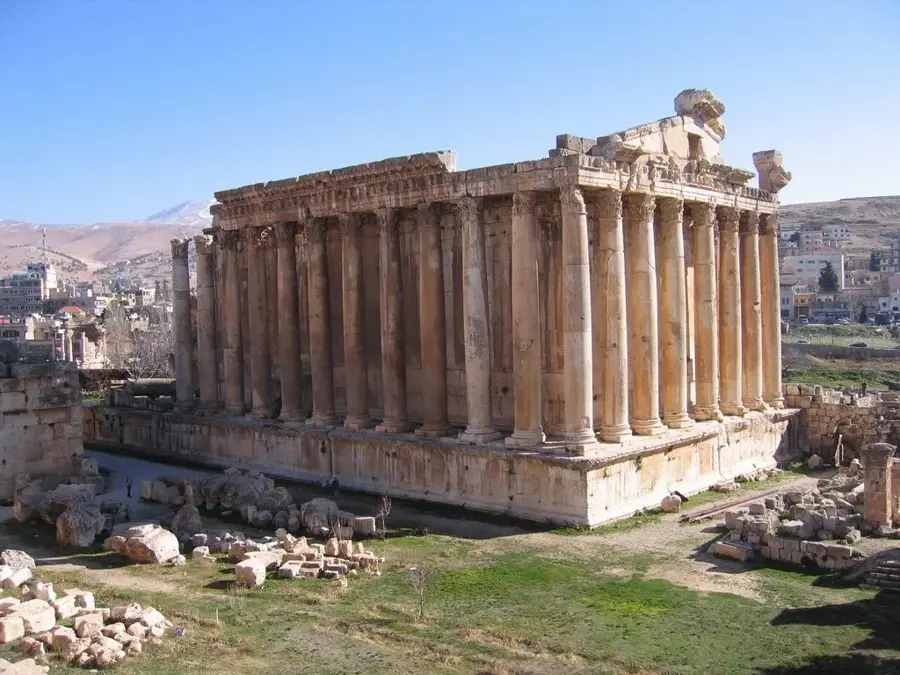
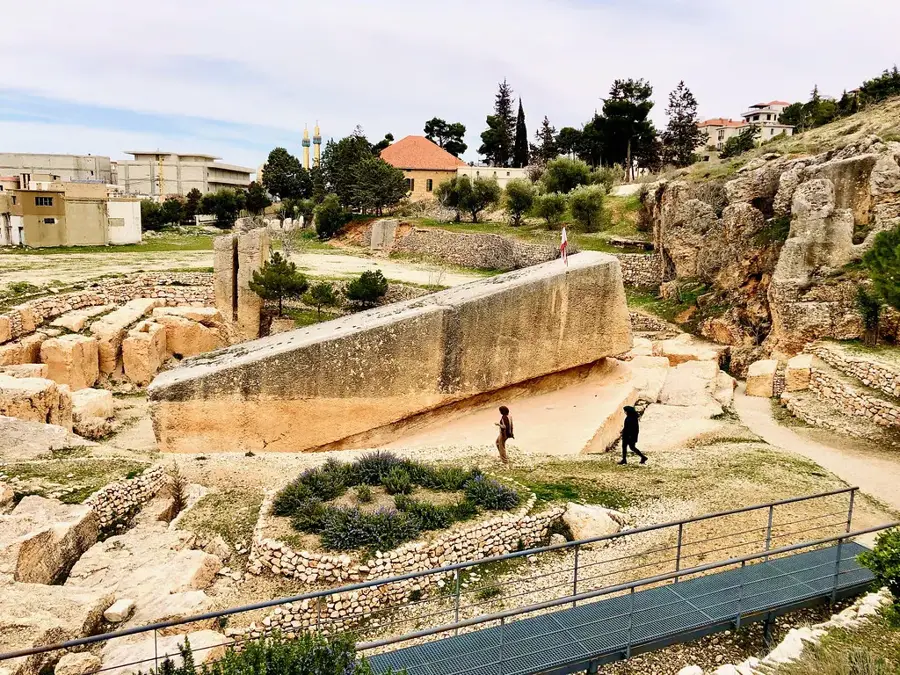
The Temple of Jupiter in Baalbek was one of the most ambitious architectural undertakings of the ancient world, started under the Roman Emperor Antoninus Pius and refined over nearly three centuries. It was the largest pagan sanctuary in the Roman Empire, standing at the western end of a massive acropolis. Originally, 54 Corinthian columns, each 22 meters high and nearly 2 meters in diameter, supported the immense roof structure; today, only six columns stand under a single architrave, which have become the symbol of Baalbek. The temple's foundation contains the famous Trilithon: three limestone blocks, each weighing over 800 tons, pushing the limits of contemporary lifting technology. An altar and a ritual pool were also excavated in the courtyard. In the 5th century, the Byzantines destroyed much of it, using its stones to build a basilica.

Best time to visit & climate

The most pleasant time to visit is Jun, Jul, Sep.

JanFebMarAprMayJunJulAugSepOctNovDec
Avg °C3471116202324211695
Rain mm7857321892014153660

📋 Practical info

🚪
Visiting
These monumental ruins are completely outdoors within a massive archaeological complex, allowing visitors to walk directly up to the famously huge foundational blocks and the colossal ancient columns.
🕒
Typical hours
The gates of the sprawling archaeological park are generally open to visitors throughout the day, with operations winding down about an hour before dusk to ensure everyone safely exits the historic site.
📷
Photography
Capturing the vast magnitude of the structures is challenging; placing a person in the foreground is an excellent strategy to clearly emphasize the unbelievable massive scale of these historic ancient pillars.
⏱️
Time needed
Plan to spend at least two to three hours to properly absorb the historical magnitude of the sprawling ancient sanctuary area and thoroughly examine the remarkably intricate carvings present on the stones.
Combine with
This extraordinary monumental structure forms the centerpiece of a much larger ancient complex, allowing you to seamlessly combine your visit with the exceptionally well-preserved adjacent Temple of Bacchus.
🧭
Getting there
The world-famous historical site naturally dominates the modern local town and is typically approached via long-distance regional buses, shared local taxis, or organized guided tours from the capital.
💡
Insider tip
Take a moment to carefully inspect the colossal foundation stones near the base of the massive structure, as they remain some of the largest and most astonishing building blocks ever moved in antiquity.

Geography

Coordinates
34.00740, 36.20440

Facts

  • The monumental columns were carved from pink granite brought from the Nile Valley.
  • A monumental staircase and a Propylaea led to the Great Court.
  • According to a Byzantine chronicler, the sanctuary was built on an older Phoenician Baal temple.
  • Hidden chambers used for oracles were created in the cella of the temple.
  • The six remaining columns also survived a strong earthquake in 1759.

Explore nearby

Notable places around

Route planner — Car & Motorhome

Where do you start? We build the route here, with stops and country notes along the way.

Vehicle
Only stops with (optional):

© OpenStreetMap contributors · OpenRouteService

Sights in the town Temple of Jupiter (3)

Northern City Gate Ruin📍 landmark

These ruins mark the former northern entrance to the ancient fortified city of Baalbek.

Flour Caves📍 landmark

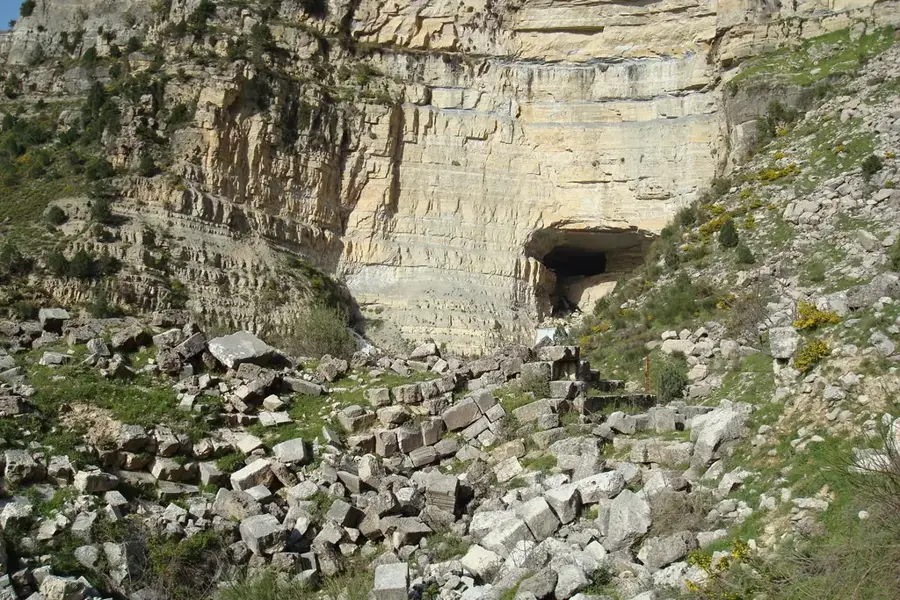
Ancient Roman burial caves carved into the rock, which were later used for storage purposes.

Basin🏺 historical

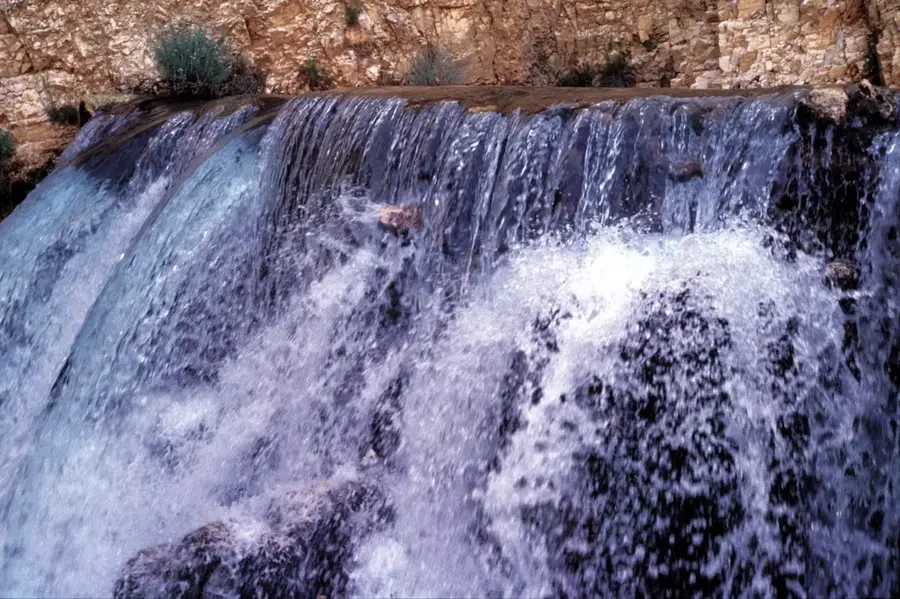
Remains of an ancient water reservoir or ritual basin located near the Baalbek temple complex.

Sights nearby

Frequently asked questions

How many columns are still standing?
Only six of the original 54 massive columns are still standing today.
What are the 'Trilithon' stones?
Three of the world's largest stone blocks ever used in construction, forming the foundation.
Can you touch the stones?
Yes, but please do not climb on the ancient structures to protect them.
How tall are the columns?
They reach an impressive height of about 22 meters, including the capitals.
Is a guide worth it?
Definitely, as the history of the megaliths is hard to grasp without explanation.
Temple of Jupiter: where is it located?
Temple of Jupiter is located in Lebanon.
Temple of Jupiter: what is there to see?
Highlights include Northern City Gate Ruin, Flour Caves, Basin.
Temple of Jupiter: when is the best time to visit?
The most pleasant time to visit is Jun, Jul, Sep.
Temple of Jupiter: why is it worth visiting?

The Temple of Jupiter in Baalbek was one of the most ambitious architectural undertakings of the ancient world, started under the Roman Emperor Antoninus Pius and refined over nearly three centuries.
View on map → The Top 50 Attractions → OpenStreetMap →
Asia
Explore with Plizio Discover more places in Asia
More places in Lebanon →

Nearby cities

History & landmarks

Nature
More places