Plizio Visual Lab

Ouyoun Orghosh Plateau
Plizio editorial teamData Sources
plateau
—°1
Ouyoun Orghosh Plateau (Lebanon)

Weather…

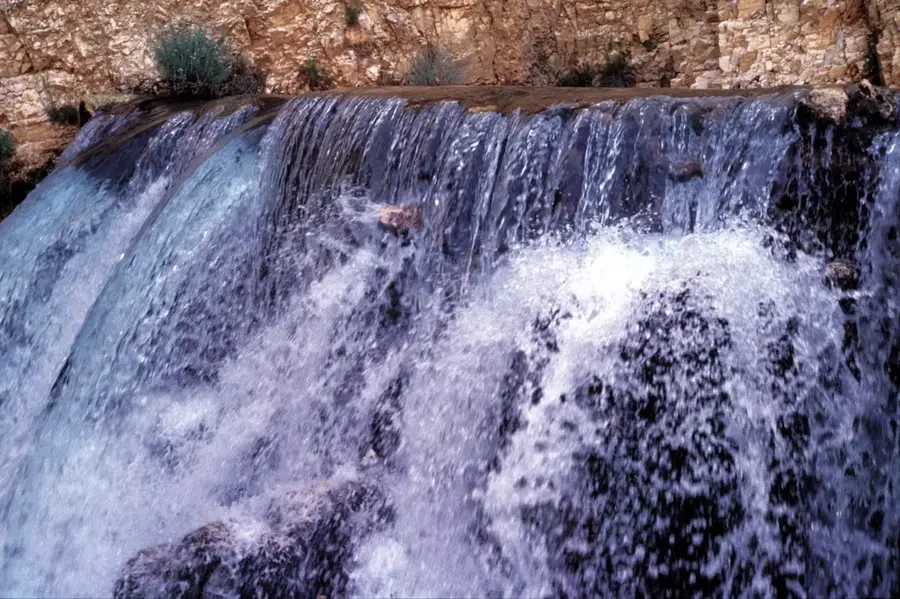
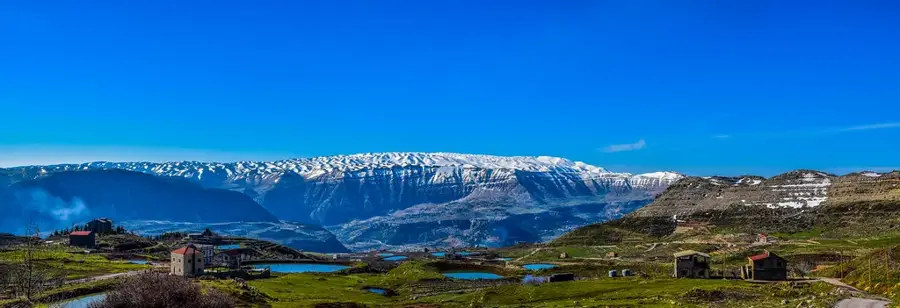
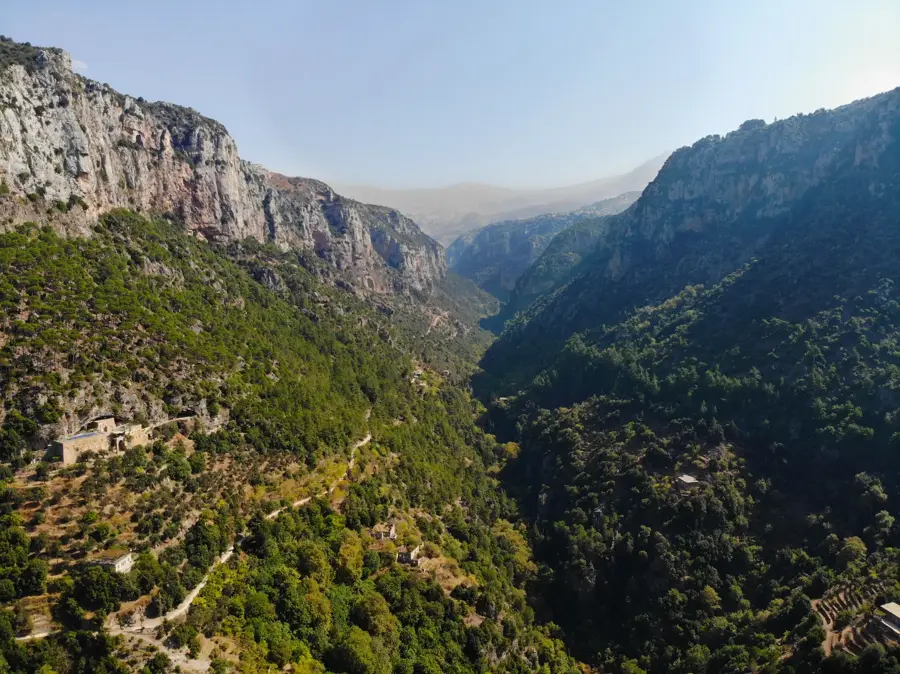
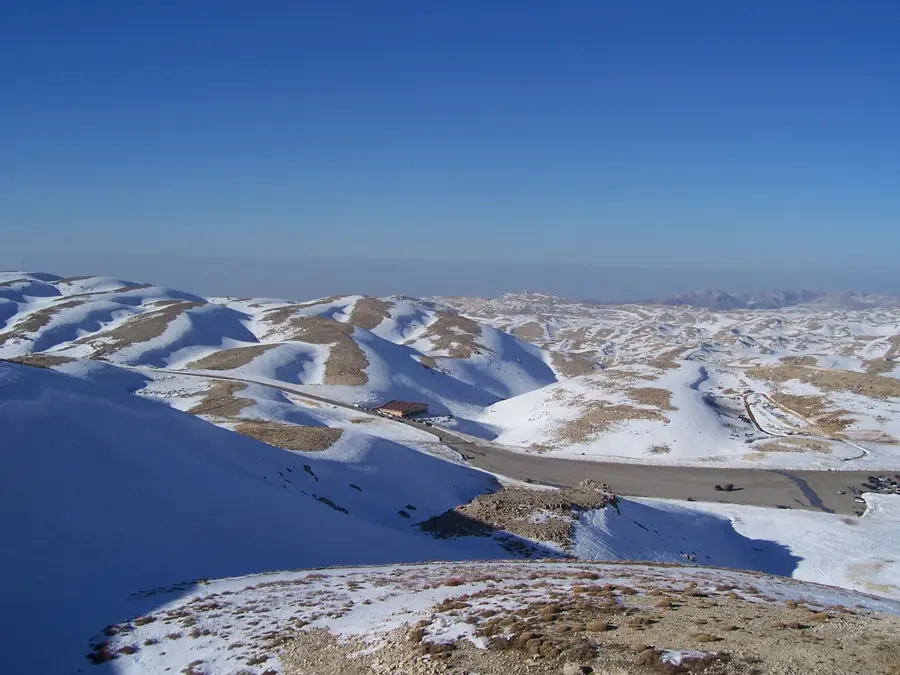
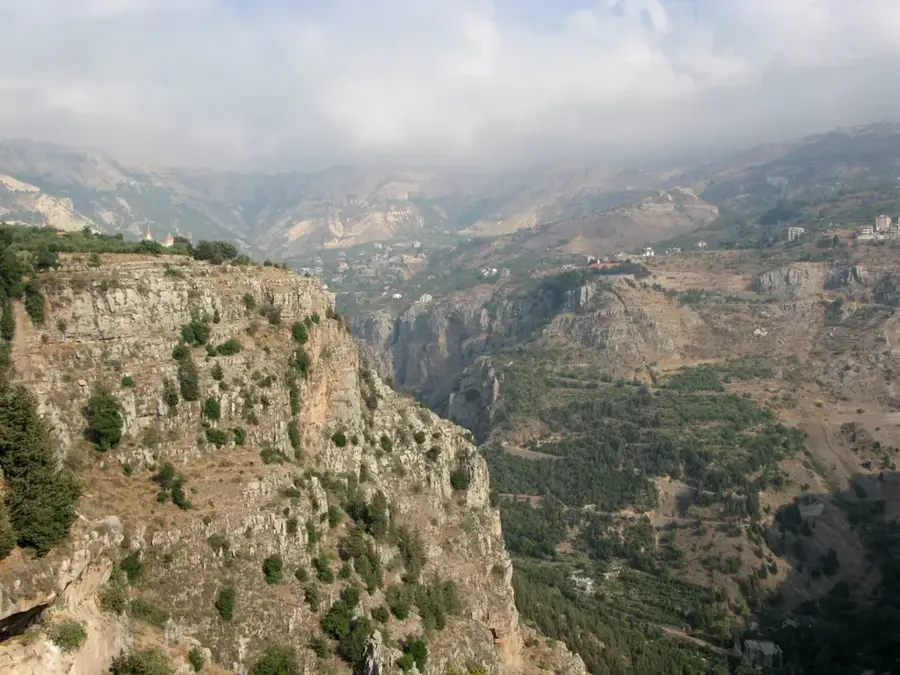
The Ouyoun Orghosh Plateau is a high-altitude basin located on the eastern slopes of the Mount Lebanon range, directly beneath Qurnat as-Sawda, the country's highest peak. Situated at an average elevation of over 2,100 meters above sea level, it is known for its rugged alpine climate and dramatic scenery. The name 'Ouyoun' refers to the numerous freshwater springs that emerge from the limestone karst during the spring snowmelt. These springs create seasonal ponds and support livestock grazing and limited agriculture during the brief summer months. Historically, the plateau has served as a vital summer pasture for shepherds from the Bekaa Valley and the northern mountain districts. Due to heavy snowfall, the region is completely inaccessible for several months each winter and has no permanent year-round residents. The terrain is characterized by stark rock formations and sparse vegetation adapted to extreme temperature shifts. Today, it is a favored destination for hikers and eco-tourists seeking the pristine isolation of Lebanon's highest mountain landscapes.

Best time to visit & climate

The most pleasant time to visit is Jun, Jul, Sep.

JanFebMarAprMayJunJulAugSepOctNovDec
Avg °C3471116202324211695
Rain mm7857321892014153660

📋 Practical info

🧭
Getting there
Reaching this high-altitude plateau usually involves a scenic but steep drive via winding mountain roads, commonly starting from the Bekaa Valley or the Bsharre region. The roads are typically unpaved in the final stretches, making a sturdy vehicle with good clearance highly recommended.
📅
Best season
The most favorable time to visit is during the late spring and summer months when the snow has completely melted and the mountain springs are flowing beautifully. Winter brings heavy snowfall and harsh conditions, frequently blocking access roads and making the plateau dangerously isolated.
⛰️
Terrain & paths
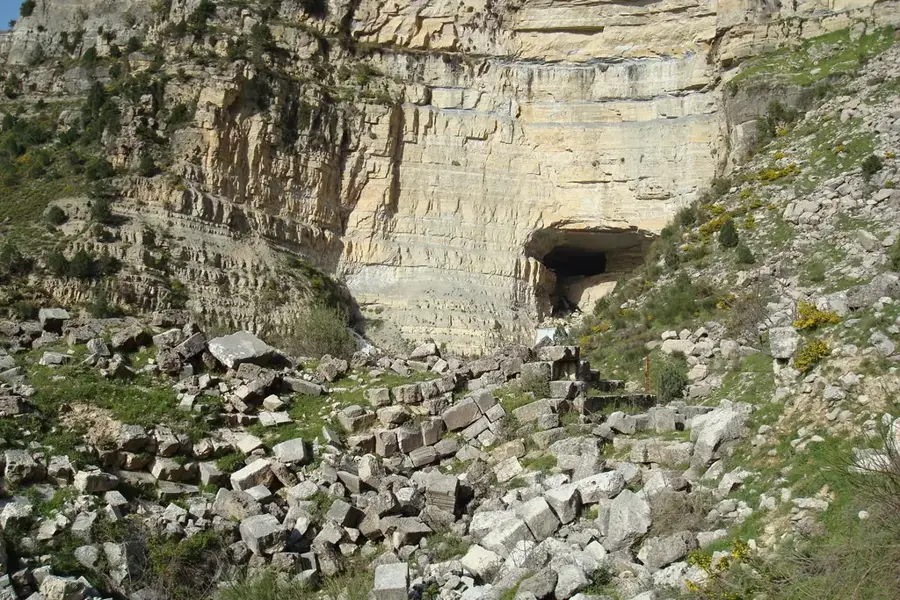
The landscape is characterized by a rocky and largely barren environment interspersed with small, refreshing natural springs and sparse alpine vegetation. The walking paths are generally uneven and entirely natural, requiring good balance as you navigate over loose stones and rocky outcrops.
🎒
What to bring
Visitors should equip themselves with sturdy hiking boots to handle the rocky terrain, along with layered clothing to adapt to sudden temperature shifts at high altitudes. Sun protection is critical due to the lack of shade, and carrying sufficient drinking water and snacks is always highly advised.
🅿️
Parking
Parking is typically informal and unstructured, often consisting of wide shoulders along the dirt roads or small clearings near the main cluster of springs and seasonal cafes. It is important to park respectfully without blocking the narrow tracks that local herders and other visitors rely upon.
⚠️
Safety
The primary safety concerns revolve around the remote nature of the plateau and the rapid changes in mountain weather, which can introduce thick fog or sudden chills. Mobile network coverage is frequently unreliable, so travelers must ensure someone knows their planned route and expected return time.
⏱️
Time needed
A typical visit ranges from a few hours of relaxed exploration around the springs and enjoying a picnic, to a full day of extended hiking across the broader plateau. Those coming from major coastal cities must account for the substantial driving time, making it at least a lengthy half-day excursion.

Geography

Coordinates
34.23330, 36.03330

Facts

  • The plateau sits at an elevation between 2,100 and 2,500 meters.
  • It is located at the boundary of the Baalbek and Bsharri districts.
  • The area is uninhabited in winter due to snow depths reaching 5 meters.
  • Karst springs feed local water basins throughout the spring season.
  • The plateau serves as a significant corridor for migratory birds.
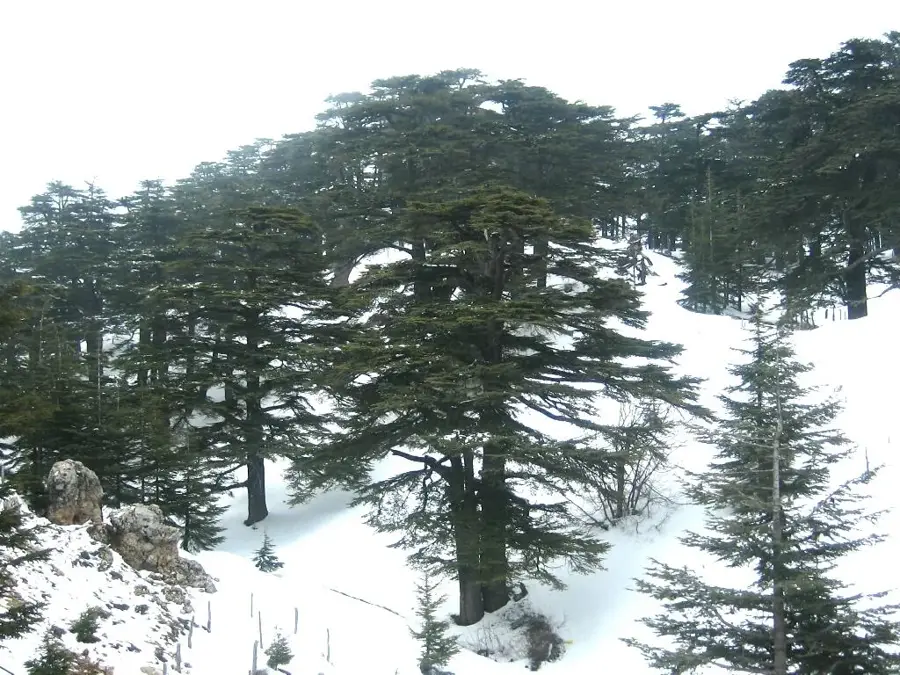
  • Some of the local cedar trees grow at the highest altitudes in Lebanon.

Explore nearby

Notable places around

Route planner — Car & Motorhome

Where do you start? We build the route here, with stops and country notes along the way.

Vehicle
Only stops with (optional):

© OpenStreetMap contributors · OpenRouteService

Sights in the town Ouyoun Orghosh Plateau (1)

Col d'Aïnata🌿 nature

A high mountain pass offering panoramic views over the Ouyoun Orghosh plateau.

Sights nearby

Frequently asked questions

What is Ouyoun Orghosh known for?
Known for its cold high-mountain springs and popular fish restaurants at over 2000 meters altitude.
Can the plateau be visited in winter?
Often not. Roads are usually closed from December to April due to heavy snowfall.
Are there accommodation options there?
There are only a few simple accommodations; most visitors come for a day trip.
How are the road conditions?
The roads are steep and winding; a 4WD vehicle is recommended.
What can you eat there?
The restaurants are famous for fresh trout from the local springs and traditional Lebanese mezze.
Ouyoun Orghosh Plateau: where is it located?
Ouyoun Orghosh Plateau is located in Lebanon.
Ouyoun Orghosh Plateau: when is the best time to visit?
The most pleasant time to visit is Jun, Jul, Sep.
Ouyoun Orghosh Plateau: why is it worth visiting?
The Ouyoun Orghosh Plateau is a high-altitude basin located on the eastern slopes of the Mount Lebanon range, directly beneath Qurnat as-Sawda, the country's highest peak.
View on map → The Top 50 Attractions → OpenStreetMap →
Asia
Explore with Plizio Discover more places in Asia
More places in Lebanon →

Nearby cities

History & landmarks
Nature
More places