Plizio Visual Lab
Baalbek
ℹ️Practical info — Baalbek
▾
🌤 Weather — 5 days
📍 Nearby
Sights nearby
💡 Tips
- Visit the temple complex early in the morning to avoid the crowds and the midday heat.
- Hire a licensed local guide at the entrance to better understand the history of the ruins.
- Dress respectfully, as Baalbek is a fairly conservative region.
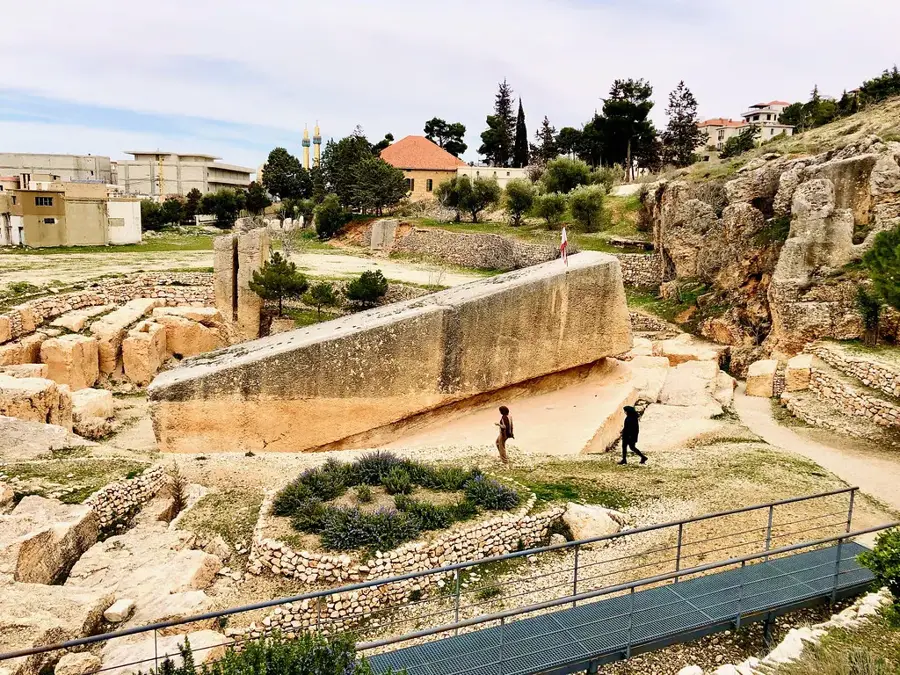
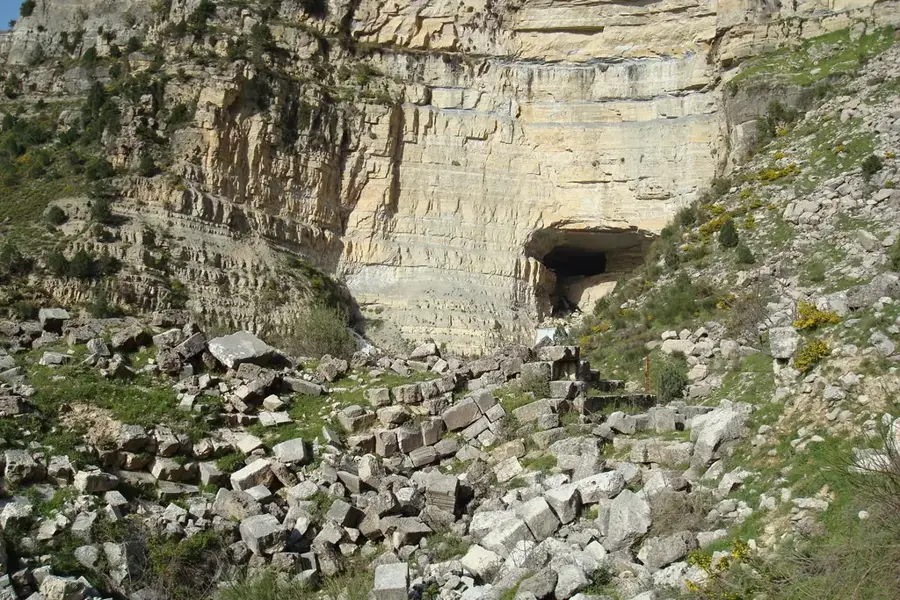
- Admire the Stone of the Pregnant Woman in the nearby ancient quarry.
🍽 Food
These open meat pies are the city's specialty, available in bakeries around the ruins.
Enjoy a selection of traditional appetizers in downtown restaurants.
Great for refreshment after visiting the temples, found at small stalls.
🛍 Shopping · 🧘 Quiet spots
Small replicas of the temples and cedar wood carvings near the main entrance to the ruins.
Visit the old souk to find Lebanese spice blends.
A green park with a natural spring, good for a picnic or a relaxing walk.
Find a quiet stone block away from the main paths to admire the architecture in peace.
Water temperature…
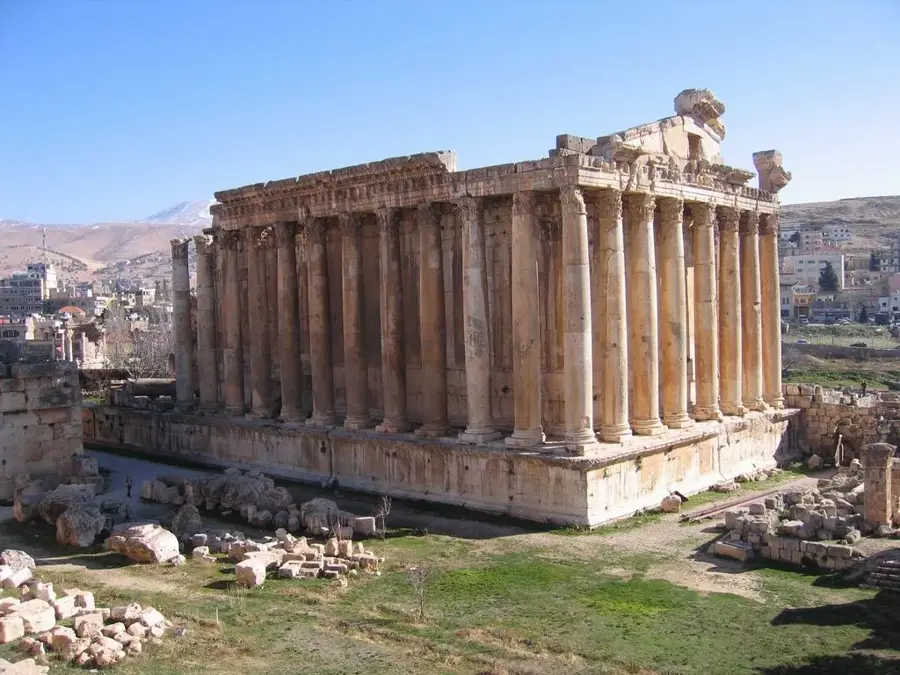
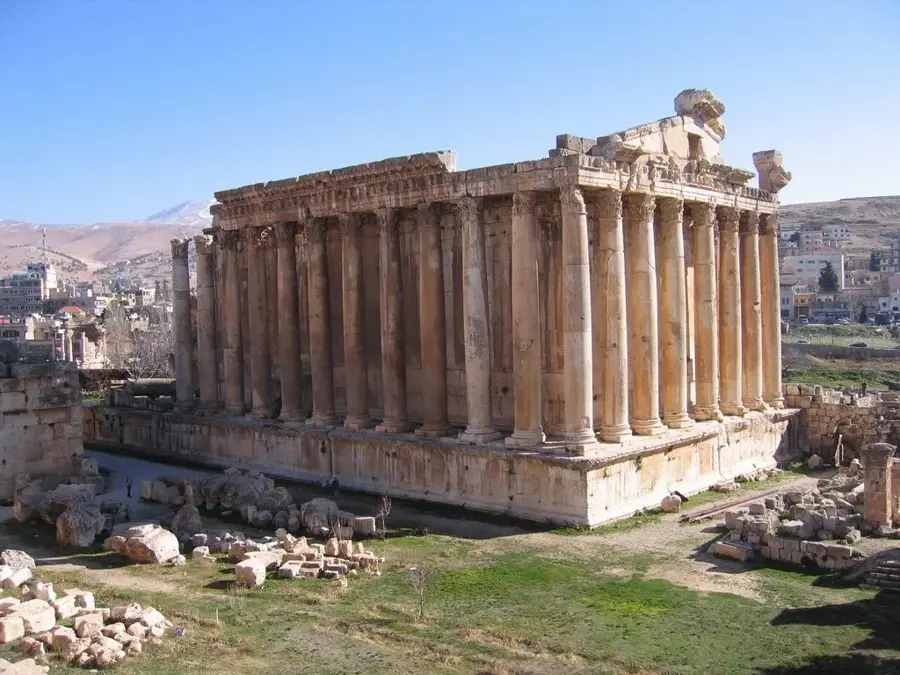
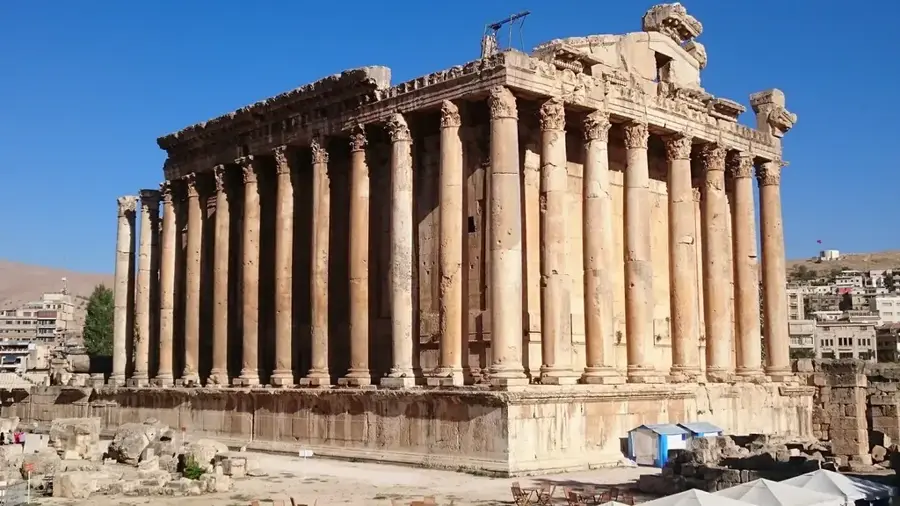
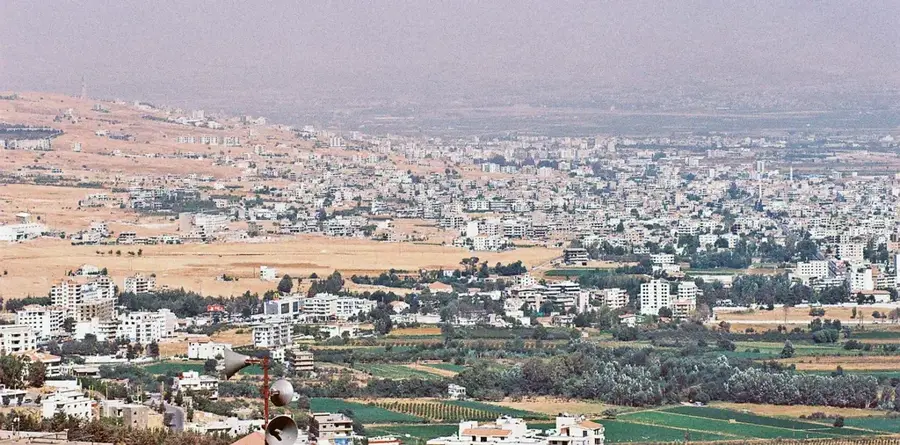
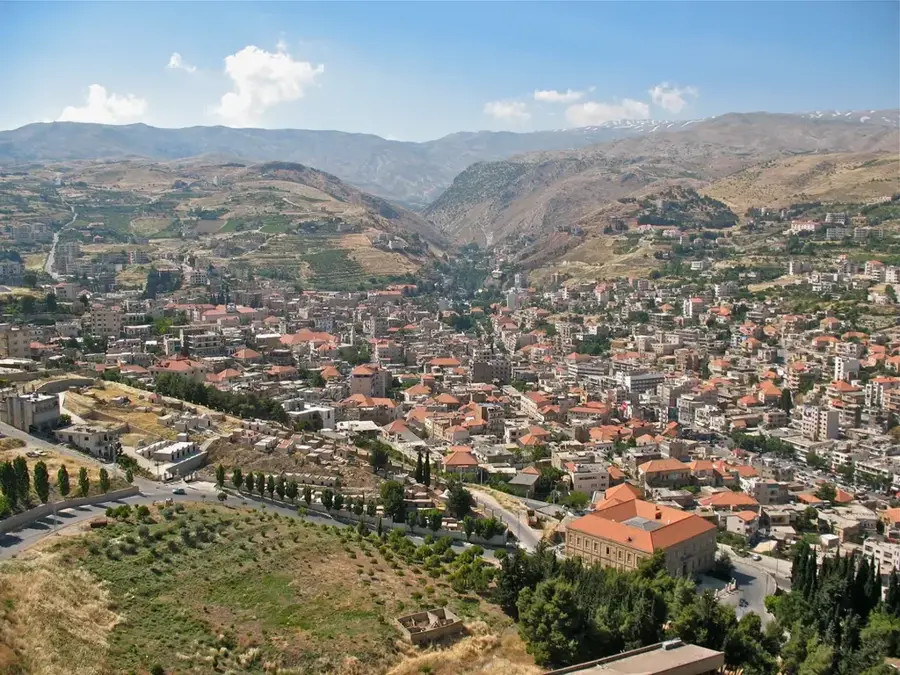
Baalbek is located in the eastern part of the Bekaa Valley and houses one of the largest and best-preserved Roman temple complexes in the world. The Romans referred to the city as Heliopolis (City of the Sun), where they constructed monumental sanctuaries dedicated to Jupiter, Bacchus, and Venus. The six colossal standing columns of the Temple of Jupiter provide a striking example of Roman engineering, while the Temple of Bacchus survives almost entirely intact from the 2nd century. The trilithon in the temple's foundation consists of three stone blocks weighing over 800 tons each, ranking among the largest cut building stones ever utilized. Baalbek was inscribed as a UNESCO World Heritage site in 1984. The modern municipality serves as an agricultural and administrative hub for the region, populated predominantly by Shia Muslims. During the summer, the historical ruins serve as the venue for the Baalbeck International Festival, featuring theatrical and musical performances.
- Location: Lebanon
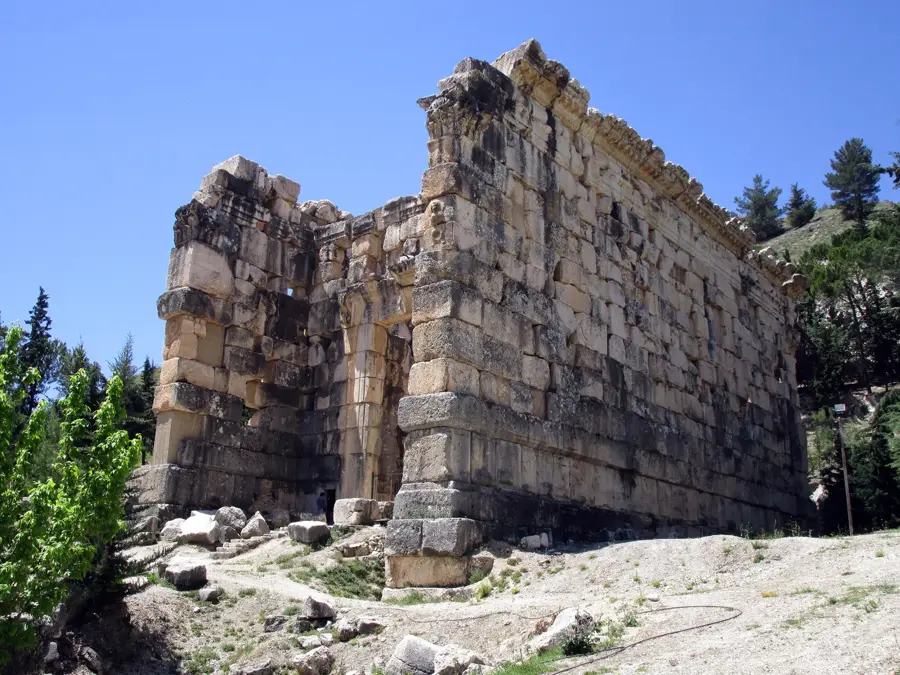
- Top sights: Qubbat as Sa`adin · Baalbeck Quarry · Stone of the Pregnant Woman
- Nearby: Rayak (27 km)
- Population: ~30.916 (2026)
Best time to visit & climate
The most pleasant time to visit is Jun, Jul, Sep.
| Jan | Feb | Mar | Apr | May | Jun | Jul | Aug | Sep | Oct | Nov | Dec | |
|---|---|---|---|---|---|---|---|---|---|---|---|---|
| Avg °C | 3 | 4 | 7 | 11 | 16 | 20 | 23 | 24 | 21 | 16 | 9 | 5 |
| Rain mm | 78 | 57 | 32 | 18 | 9 | 2 | 0 | 1 | 4 | 15 | 36 | 60 |
Geography
Facts
- It contains one of the most well-preserved Roman temple complexes globally.
- During the Roman era, the city was known as Heliopolis (City of the Sun).
- The Temple of Bacchus remains almost fully intact from the 2nd century.
- The stone blocks of the trilithon weigh more than 800 tons each.
- The modern demographic is composed predominantly of Shia Muslims.
Explore nearby
Notable places around

Route planner — Car & Motorhome
Where do you start? We build the route here, with stops and country notes along the way.
© OpenStreetMap contributors · OpenRouteService
Sights in the town Baalbek (4)
Frequently asked questions
What is the highlight of Baalbek?
How far is Baalbek from Beirut?
Is it safe to visit Baalbek?
Is there a festival in Baalbek?
What is the 'Stone of the Pregnant Woman'?
Baalbek: where is it located?
Baalbek: what is there to see?
Baalbek: when is the best time to visit?
Baalbek: why is it worth visiting?

Nearby cities


History & landmarks
Nature
More places