Plizio Visual Lab

Abemama Occupation Site
Plizio editorial teamData Sources
battlefield
—°1
Abemama Occupation Site (Kiribati)

Weather…

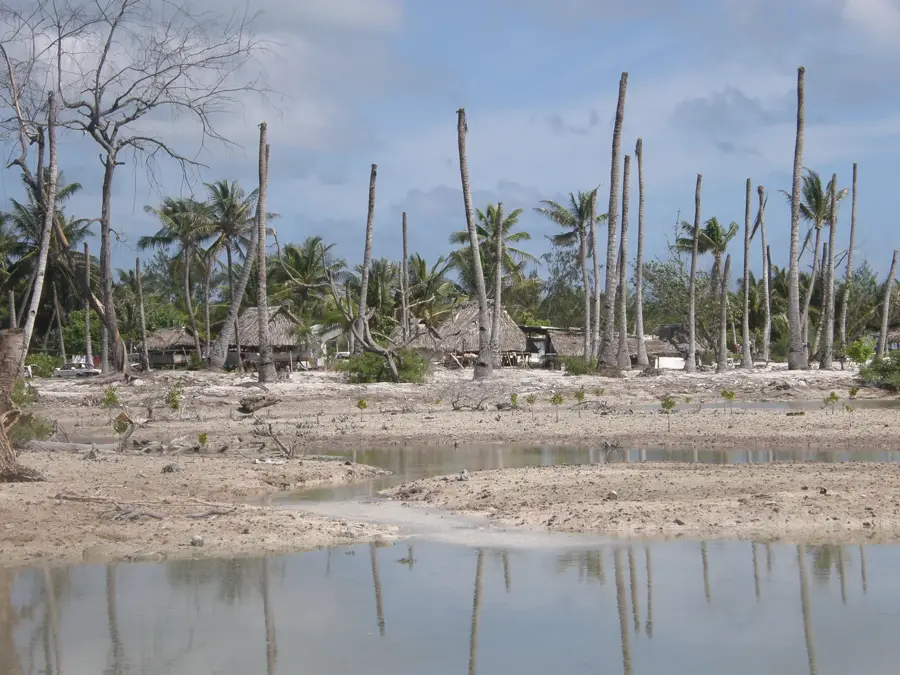
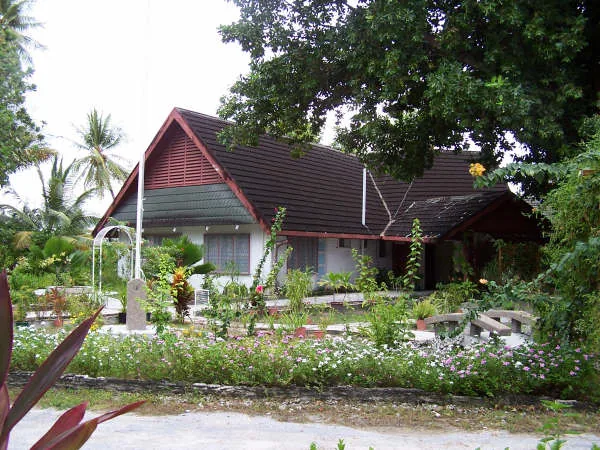
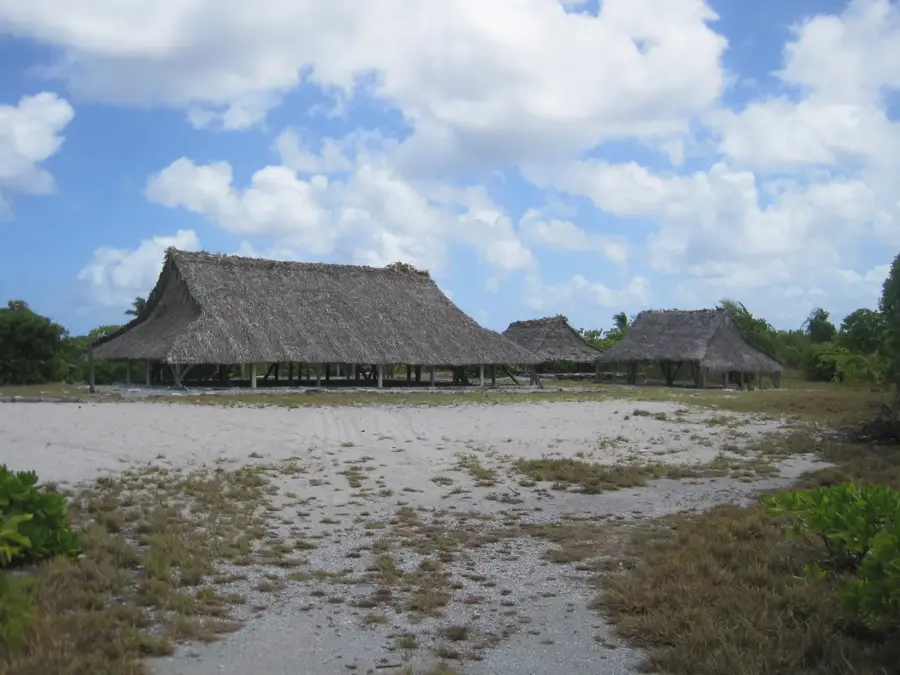
The Abemama Occupation Site is a significant World War II landmark that commemorates the liberation of the atoll during the Gilbert Islands campaign in 1943. The site is historically unique because the liberation was carried out by a small team of 68 scouts who landed secretly from the submarine USS Nautilus, a daring operation that preceded the main Allied advance. Today, the area still holds the physical remnants of the brief Japanese occupation, including rusted coastal defense guns and concrete bunkers scattered among the coconut palms. Abemama's history is further enriched by its royal past; it was the seat of the powerful King Binoka, whose reign in the late 19th century made the atoll a regional center of influence. The intersection of local monarchy and global military history makes this site a profound place of reflection, preserving the memory of the strategic radio post and the local king's legacy.

Best time to visit & climate

The most pleasant time to visit is May, Sep, Nov.

JanFebMarAprMayJunJulAugSepOctNovDec
Avg °C282828282828282828282828
Rain mm19515319314673929887767876178

📋 Practical info

🚪
Visiting
History enthusiasts can explore this remote battlefield area entirely outdoors, where the subtle remnants of the World War II Pacific conflict blend quietly into the tropical island landscape of the beautiful atoll.
🕒
Typical hours
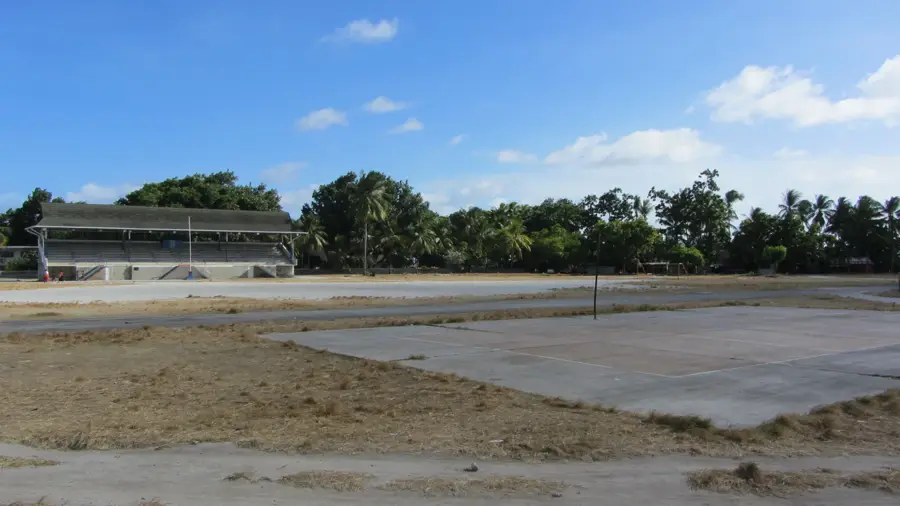
As an open historical landscape with virtually no formal infrastructure, the site is generally accessible at all hours of the day, though visiting during daylight is crucial for visibility, safety, and proper exploration.
📷
Photography
Photography is entirely unrestricted across the outdoor area, allowing visitors to respectfully document the natural overgrowth intertwining with any scattered historical artifacts that might silently remain across the grounds.
⏱️
Time needed
A thoughtful stroll through the accessible areas generally takes about an hour or two, providing enough time to reflect on the historical events and appreciate the deeply tranquil atmosphere of the remote island.
Combine with
Given the isolated nature of the atoll, visitors usually combine this sobering historical site with an appreciation of the surrounding pristine beaches, local traditional village life, and broader unspoiled natural scenery.
🧭
Getting there
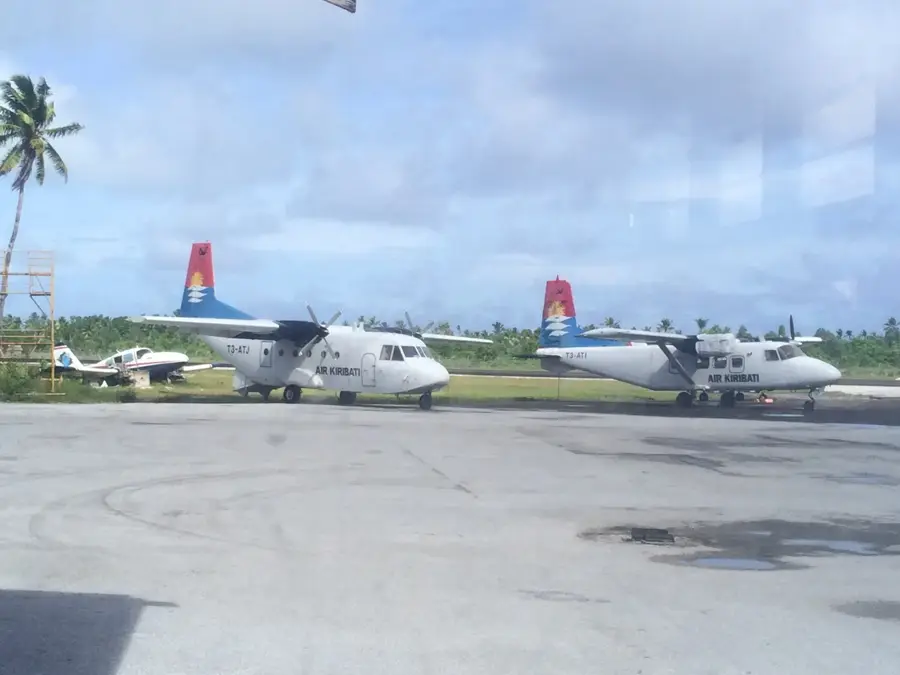
Reaching this remote location typically requires domestic flight arrangements or boat travel to the island, followed by a walk or a ride on basic local transport to navigate the unpaved sandy paths leading to the site.
💡
Insider tip
Hiring a knowledgeable local guide is strongly recommended as physical markers may be extremely scarce, ensuring you gain accurate historical context while safely and respectfully navigating the indigenous traditional land.

Geography

Coordinates
0.39550, 173.86520

Facts

  • Japanese landing: December 1941
  • US capture: 1942
  • Fortifications: bunkers, gun emplacements
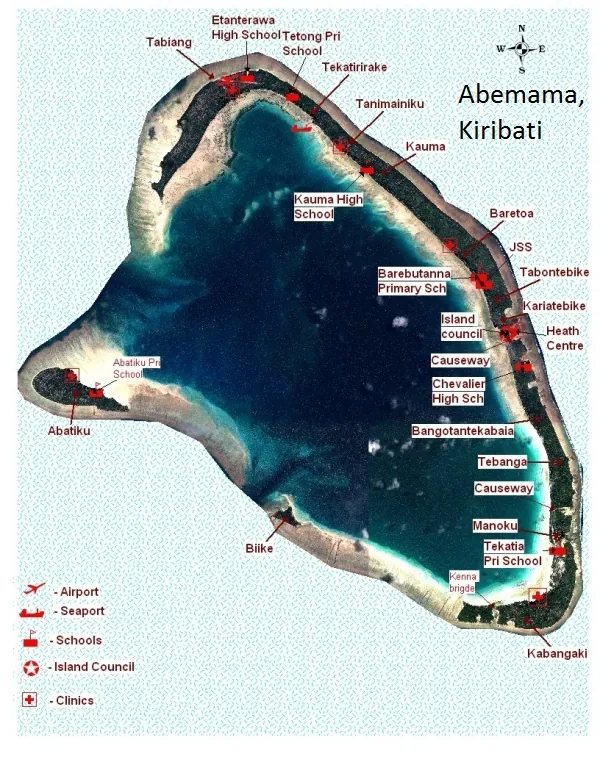
  • Location: Abemama Atoll
  • Role: base for Gilbert operations
  • Today: remains visible

Explore nearby

Notable places around
Route planner — Car & Motorhome

Where do you start? We build the route here, with stops and country notes along the way.

Vehicle
Only stops with (optional):

© OpenStreetMap contributors · OpenRouteService

Sights in the town Abemama Occupation Site (1)

Abemama📍 landmark

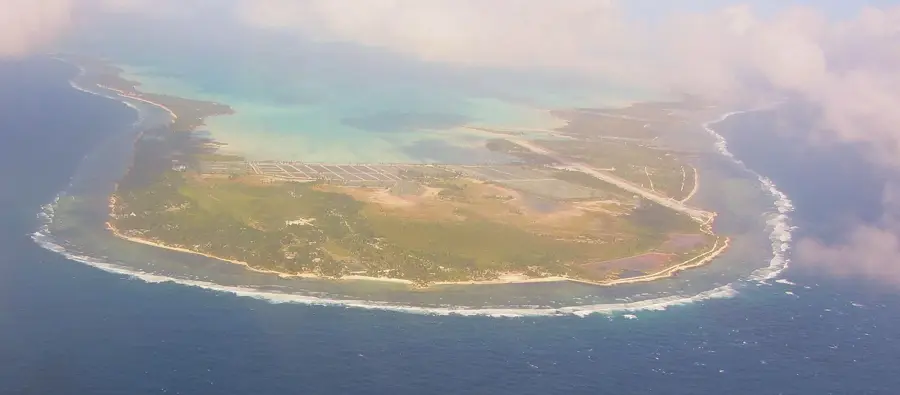
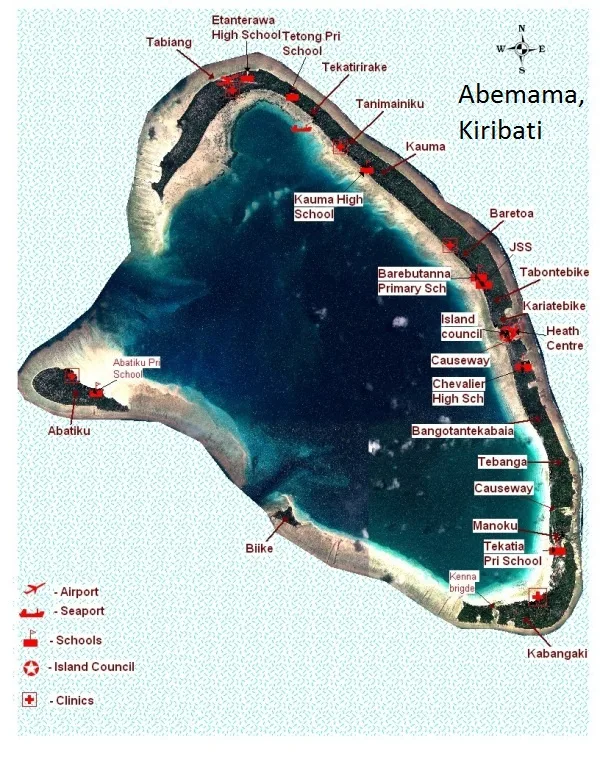
Abemama is an atoll that was occupied by Japanese forces during World War II.

Sights nearby

Frequently asked questions

What was the Abemama occupation site?
A strategic point in WWII occupied by Japanese troops and later surrendered to the US without a fight.
Are there still fortifications there?
There are some small bunker remains and emplacements, though less massive than those on Betio.
How do I reach the historical sites on Abemama?
You can travel across the island by bicycle or scooter. Locals are happy to point out the exact locations.
Is Abemama well-developed for tourists?
It is very authentic and quiet with a few basic guesthouses. Good for independent travelers.
What is Abemama's significance in Kiribati's history?
Besides the war, it is known as the seat of the powerful King Binoka, who ruled much of the Gilbert Islands in the 19th century.
Abemama Occupation Site: where is it located?
Abemama Occupation Site is located in Kiribati.
Abemama Occupation Site: when is the best time to visit?
The most pleasant time to visit is May, Sep, Nov.
Abemama Occupation Site: why is it worth visiting?
The Abemama Occupation Site is a significant World War II landmark that commemorates the liberation of the atoll during the Gilbert Islands campaign in 1943.
View on map → The Top 50 Attractions → OpenStreetMap →
Oceania
Explore with Plizio Discover more places in Oceania
More places in Kiribati →

Nearby cities

History & landmarks
Nature
More places