Plizio Visual Lab

Reynisfjara
Plizio editorial teamData Sources
Landmark
—°1
Reynisfjara (Iceland)

Weather…

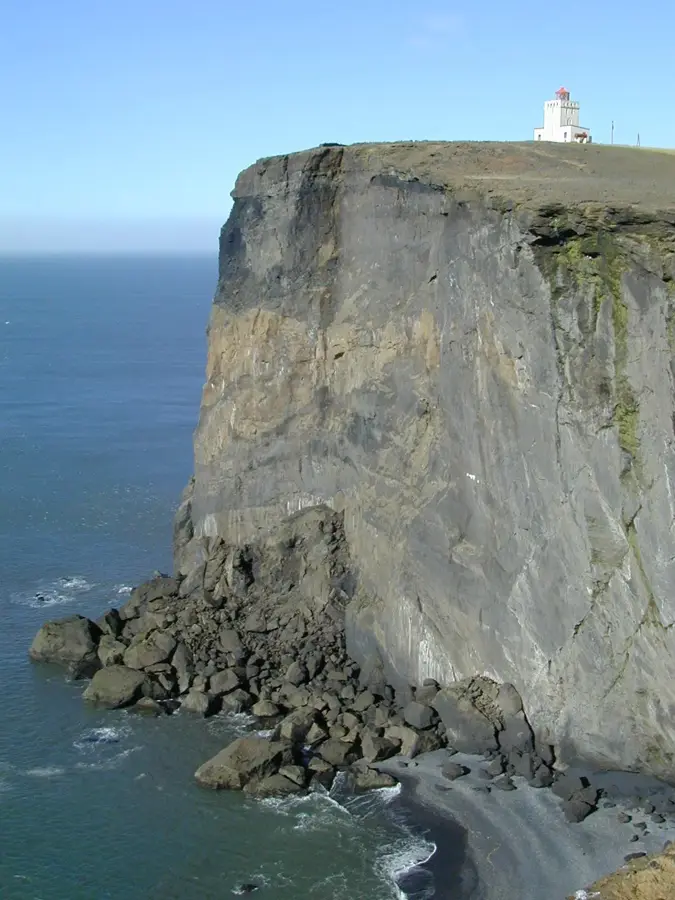
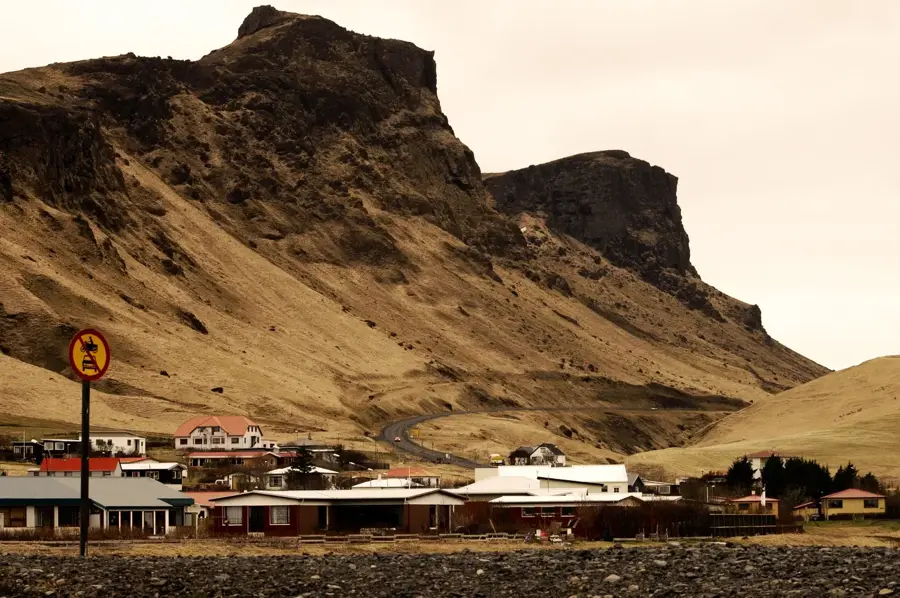
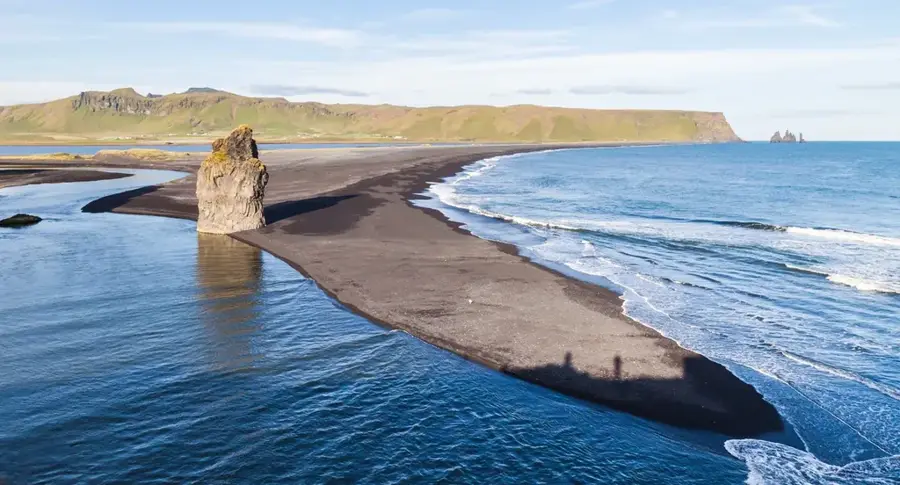
Reynisfjara is Iceland's most famous black sand beach, located near the village of Vík í Mýrdal on the South Coast. The beach is world-renowned for its jet-black sand, created by the erosion of volcanic basalt rock over centuries. A standout feature is the Garðar basalt columns, which rise from the cliffside like a massive stone pipe organ. Just off the coast, the Reynisdrangar sea stacks emerge from the ocean, which according to local folklore are trolls turned to stone by the sun. The raw power of the North Atlantic is especially palpable here, and the beach is notorious for its dangerous sneaker waves that can surge unexpectedly high onto the shore. The cliffs of Reynisfjall mountain provide nesting grounds for numerous seabirds, including the iconic Atlantic puffins during the summer months. The combination of dramatic geology, dark sands, and crashing surf makes Reynisfjara one of the most mesmerizing yet respectful sites on the island.

Best time to visit & climate

The most pleasant time to visit is Jun–Aug.

JanFebMarAprMayJunJulAugSepOctNovDec
Avg °C11135810108421
Rain mm250232222174124120144166229235221251

📋 Practical info

🚪
Visiting
Reynisfjara black sand beach is completely open to the public and can be freely explored outdoors along the coastline. Visitors are strongly advised to maintain a safe distance from the shoreline due to the extreme danger posed by unpredictable, powerful sneaker waves that can sweep people out to sea without any warning whatsoever.
🕒
Typical hours
As a natural geographical landmark, the beach is accessible twenty-four hours a day, all year round, without any gates or entry restrictions. However, for safety reasons and to fully appreciate the remarkable basalt formations, it is highly recommended to plan your visit exclusively during the daylight hours when visibility is clear and optimal.
📷
Photography
The striking contrast between the roaring white Atlantic waves, the dramatic dark black sand, and the towering geometric basalt columns provides an absolutely spectacular and unique setting for landscape and nature photography. Do not turn your back to the mighty ocean while taking pictures, as the powerful surf conditions are extremely treacherous and can change rapidly.
⏱️
Time needed
Most travelers typically spend somewhere between forty-five minutes and an hour walking along the expansive shoreline and admiring the striking geological structures. If you are a dedicated photographer waiting for the well-suited dramatic light, or if you simply prefer a slower, more contemplative pace, you might easily extend your stay to an hour and a half.
Combine with
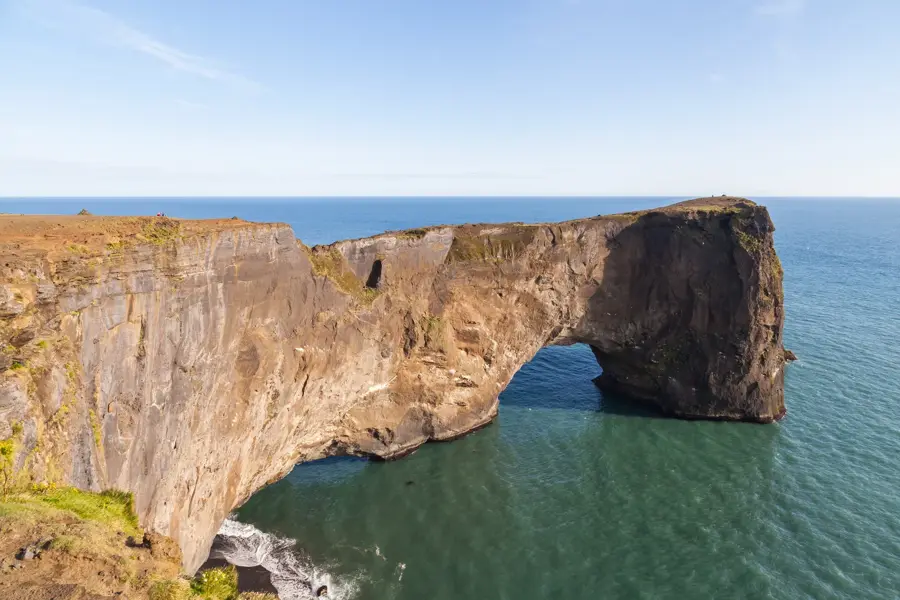
This iconic coastal stretch pairs exceptionally well with a broader, comprehensive exploration of Iceland's magnificent and diverse South Coast highlights. It is conveniently situated close to the pleasant coastal village of Vík í Mýrdal, and just a short drive away from the spectacular Dyrhólaey peninsula with its famous natural arch and birdlife.
🧭
Getting there
The site is effortlessly accessible by any standard vehicle via a well-maintained paved road that branches directly off the famous Ring Road, Route 1. There is a sizable, designated parking area located right next to the visitor facilities, requiring only a very short and straightforward walk over some pebbles to finally reach the impressive beach itself.
💡
Insider tip
Considering the extreme popularity of this specific destination among both international tourists and guided tour buses, arriving very early in the morning or much later in the evening can offer a significantly more serene and uncrowded experience. Please pay strict attention to the colored warning lights near the beach, which clearly indicate the current wave hazard level.

Geography

Coordinates
63.40280, -19.04470

Facts

  • Iceland's most famous black sand beach
  • Features basalt columns called Garðar
  • Home to the legendary Reynisdrangar stacks
  • Notorious for dangerous sneaker waves
  • Nesting site for puffins on Reynisfjall
  • Located near the village of Vík í Mýrdal

Explore nearby

Notable places around
Route planner — Car & Motorhome

Where do you start? We build the route here, with stops and country notes along the way.

Vehicle
Only stops with (optional):

© OpenStreetMap contributors · OpenRouteService

Sights in the town Reynisfjara (1)

Reynisfjara Beach🎡 recreation

A world-famous black sand beach with impressive basalt columns in Iceland.

Sights nearby

Frequently asked questions

What is the most dangerous thing on this beach?
The unpredictable 'sneaker waves' that can pull people into the sea.
What are the Reynisdrangar?
Prominent basalt sea stacks rising from the ocean.
Are there basalt columns there?
Yes, the Garðar cliff consists of impressive, geometric basalt columns.
Is swimming allowed there?
No, swimming is strictly prohibited due to extreme currents and waves.
How far is the beach from Vík?
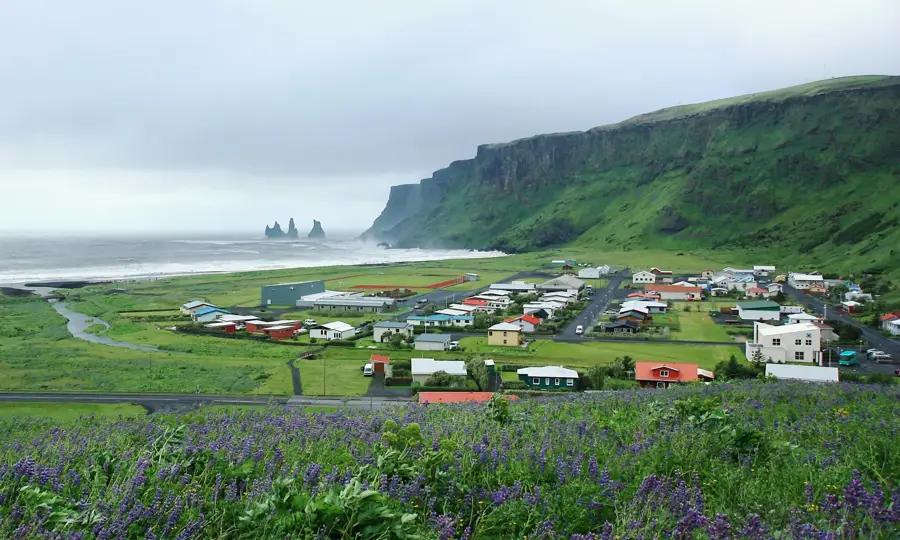
The beach is just a few kilometers west of the village Vík í Mýrdal.
Reynisfjara: where is it located?
Reynisfjara is located in Iceland.
Reynisfjara: when is the best time to visit?
The most pleasant time to visit is Jun, Aug.
Reynisfjara: why is it worth visiting?

Reynisfjara is Iceland's most famous black sand beach, located near the village of Vík í Mýrdal on the South Coast.
View on map → The Top 50 Attractions → OpenStreetMap →
Europe
Explore with Plizio Discover more places in Europe
More places in Iceland →

Nearby cities

History & landmarks
Nature
More places