Plizio Visual Lab
Hveragerði
ℹ️Practical info — Hveragerði
▾
🌤 Weather — 5 days
📍 Nearby
Sights nearby
💡 Tips
- Take advantage of the geothermal activity and look out for greenhouses heated by the earth; many grow tomatoes and bananas.
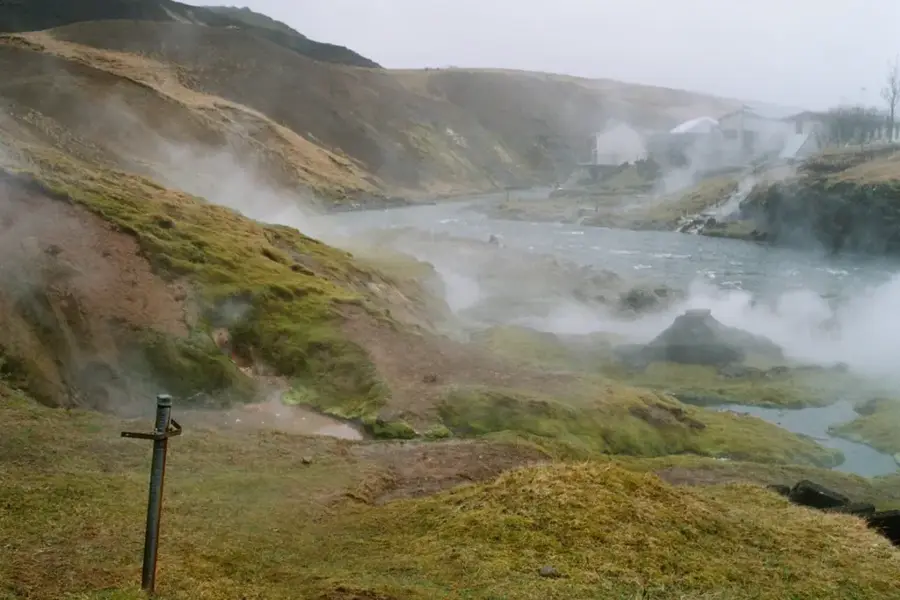
- The hike to the Reykjadalur hot spring river starts just outside town; go early morning to avoid crowds.
- The town center is very walkable and has a small geothermal park of its own.
- Look closely at the ground in certain areas; you can often see steam rising naturally.
🍽 Food
Bread baked in the hot ground, available at local cafes or the geothermal park.
Some restaurants base their menus around locally grown produce.
A well-known brewery in town uses geothermal energy in its process.
🛍 Shopping · 🧘 Quiet spots
Buy fresh vegetables or plants directly from the greenhouses.
The town has an excellent shopping center with local brands and woolen goods.
Beyond the bathing spots, the hiking trail is vast and tranquil.
The small town park gives a quiet green space away from the main road.
Water temperature…
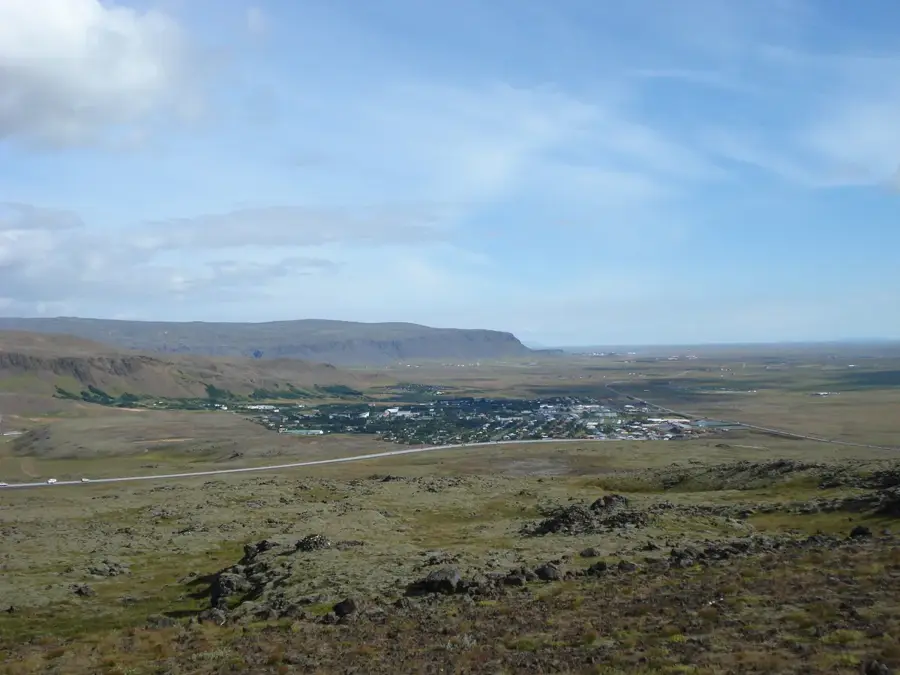
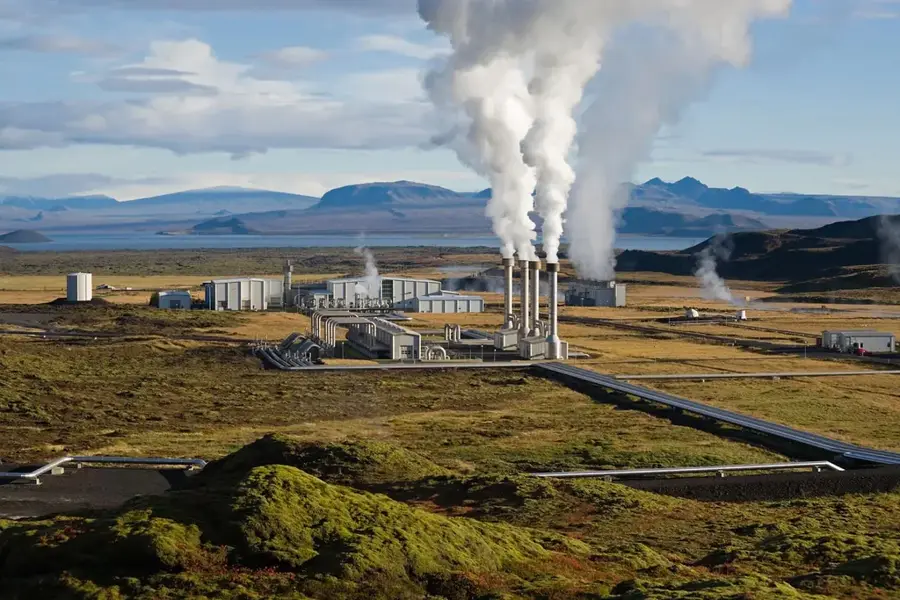
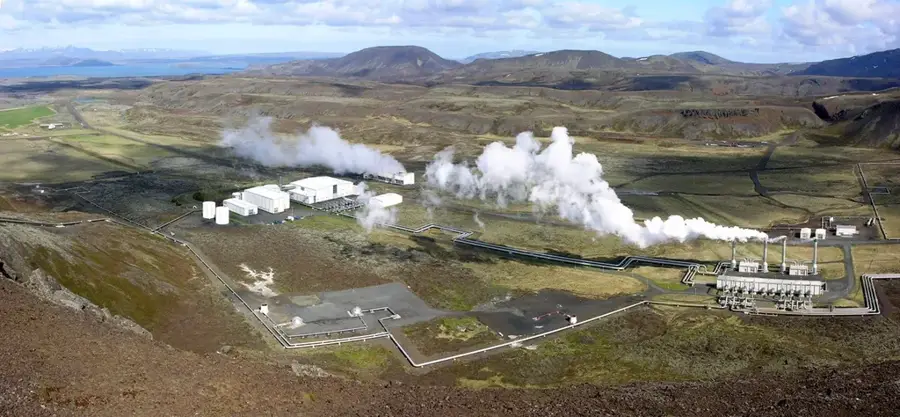
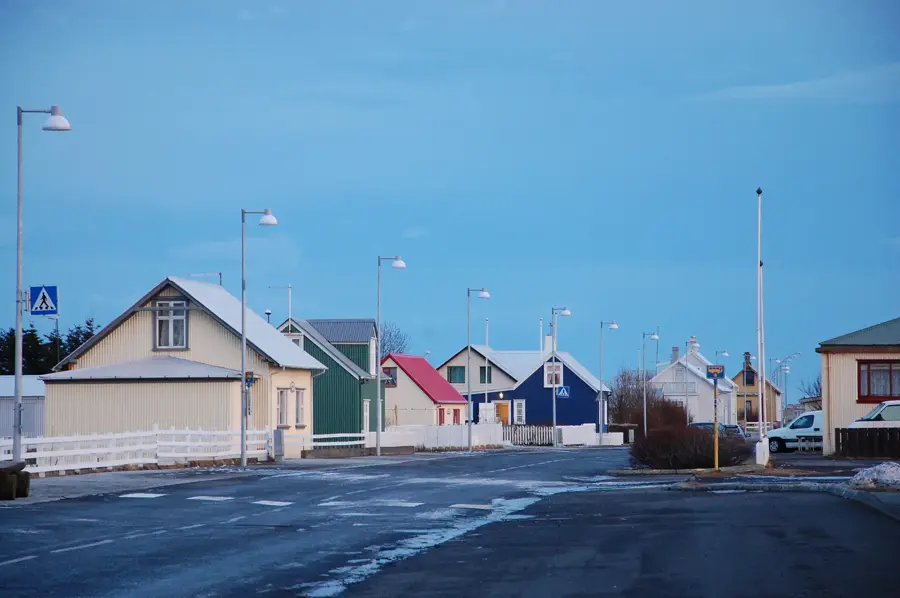
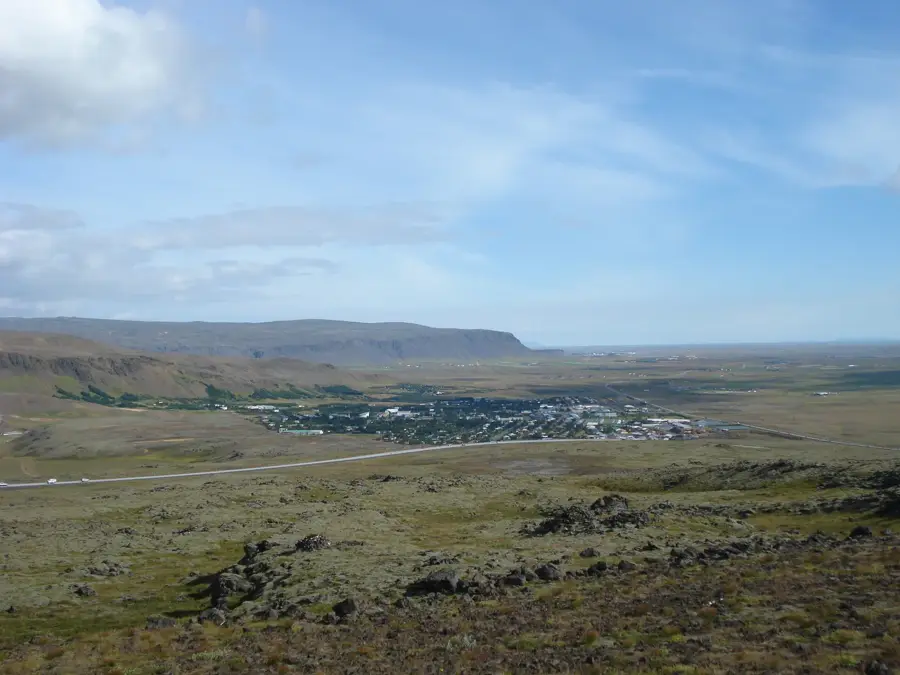
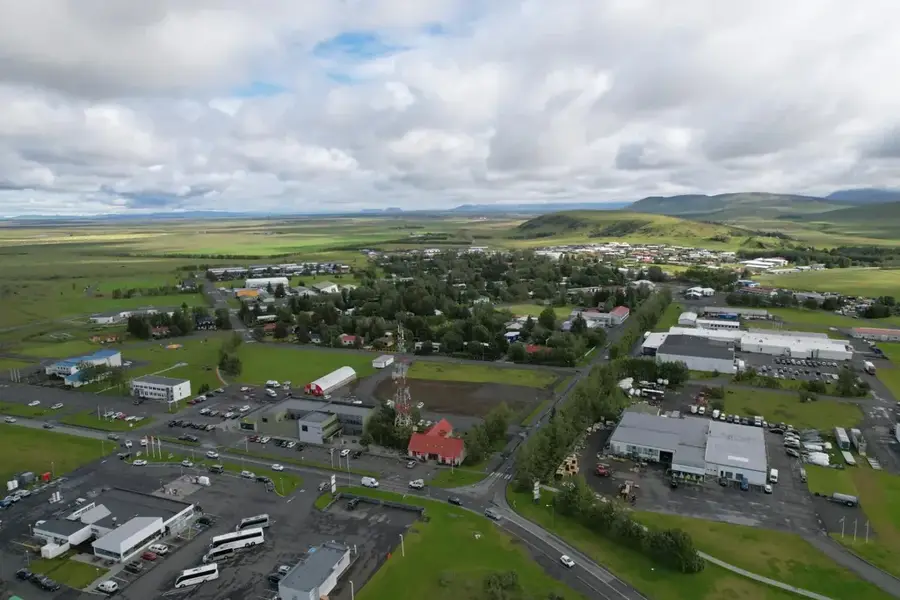
Hveragerði, often called the 'flower village,' is located approximately 45 kilometers east of Reykjavík at the base of the Hellisheiði plateau. The town is globally famous for its intense geothermal activity, which manifests right in the residential areas through hot springs, steam vents, and boiling mud pools. This abundant natural heat has been harnessed for decades to power large-scale greenhouse complexes, where vegetables, exotic flowers, and even bananas are grown in subarctic conditions. Historically, Hveragerði developed in the 20th century as a hub for horticulture and wellness, utilizing the mineral-rich waters for health clinics. A defining moment in recent history was the 6.3 magnitude earthquake in 2008, which shifted local seismic activity and opened new thermal vents, now featured in a local exhibition. The town serves as the gateway to the Reykjadalur valley, famous for its geothermally heated river where visitors can bathe in a natural wilderness setting. The fusion of green technology, volcanic landscapes, and academic research makes Hveragerði a standout model for sustainable living on a tectonic hotspot.
- Location: Iceland
- Top sights: LA Art Museum · Leirgerður · Eternity Geysir
- Nearby: Selfoss (12 km)
- Population: ~2.657
Best time to visit & climate
The most pleasant time to visit is Jun–Aug.
| Jan | Feb | Mar | Apr | May | Jun | Jul | Aug | Sep | Oct | Nov | Dec | |
|---|---|---|---|---|---|---|---|---|---|---|---|---|
| Avg °C | -1 | -1 | 0 | 3 | 6 | 9 | 11 | 10 | 8 | 4 | 1 | -1 |
| Rain mm | 179 | 162 | 161 | 123 | 96 | 86 | 105 | 121 | 184 | 149 | 149 | 182 |
Geography
Facts
- Hveragerði is home to Iceland's largest greenhouse for tropical plant species.
- The earthquake on May 29, 2008, reached a magnitude of 6.3 MW.
- The town is situated directly on the tectonic rift of the Mid-Atlantic Ridge.
- Traditional 'lava bread' is baked here using natural underground geothermal heat.
- A central geothermal park showcases active fumaroles and boiling springs.
- The trailhead to the Reykjadalur hot river is located at the town's edge.
Explore nearby
Notable places around
Route planner — Car & Motorhome
Where do you start? We build the route here, with stops and country notes along the way.
© OpenStreetMap contributors · OpenRouteService
Sights in the town Hveragerði (3)
Frequently asked questions
Why is Hveragerði called the 'flower town'?
Where can you bathe in a hot river?
Is there a geothermal park in the center?
What is the Earthquake Museum?
Are the hiking trails well-marked?
Hveragerði: where is it located?
Hveragerði: what is there to see?
Hveragerði: when is the best time to visit?
Hveragerði: why is it worth visiting?

Nearby cities
History & landmarks
More places