Plizio Visual Lab

Katla
Plizio editorial teamData Sources
peak
—°1
Katla (Iceland)

Weather…

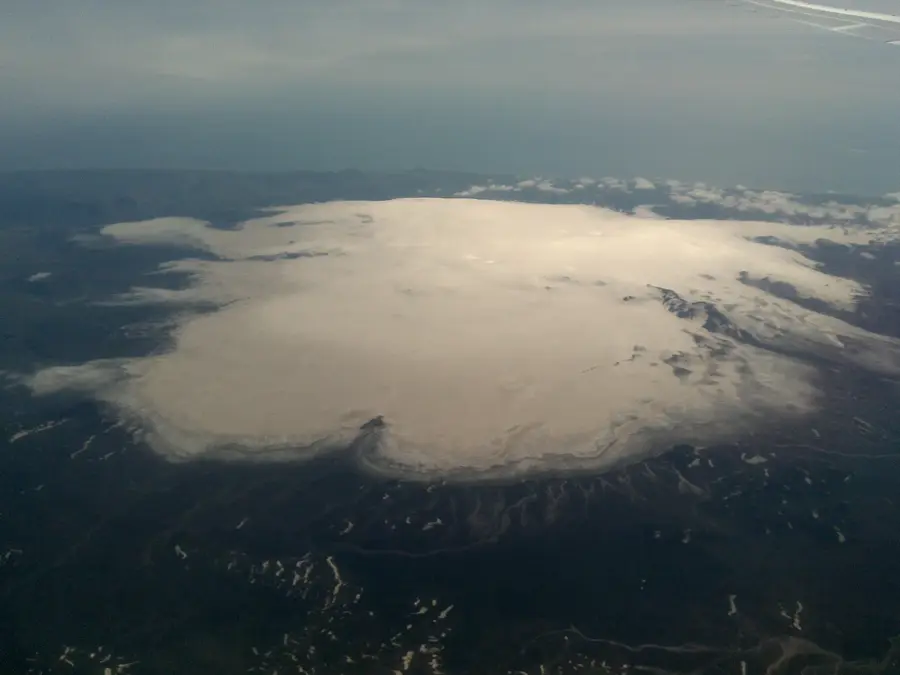
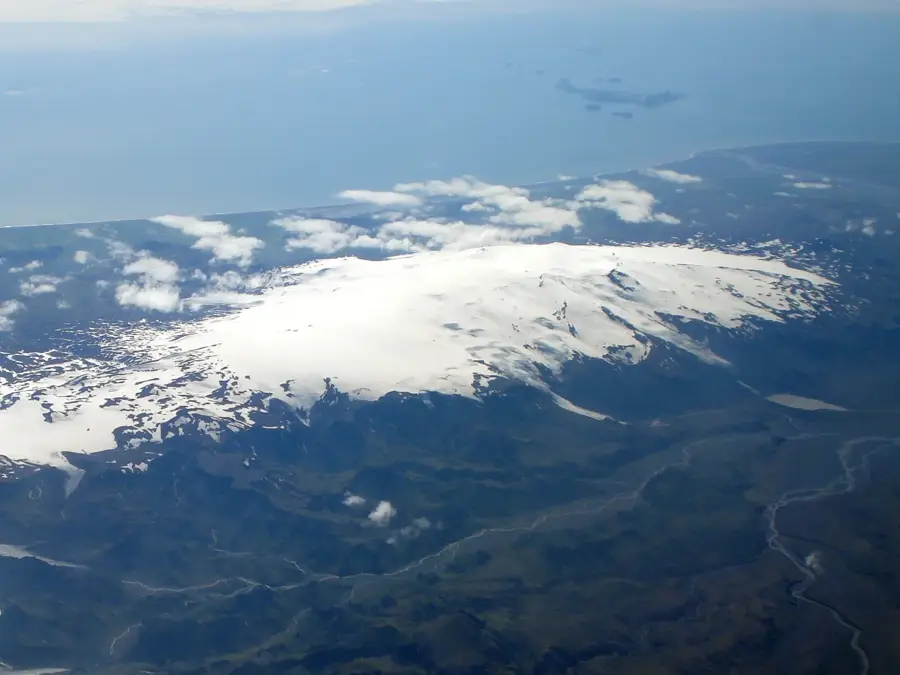
Katla is one of Iceland's most powerful and hazardous volcanoes, buried beneath the thick ice cap of the Mýrdalsjökull glacier in southern Iceland. Standing at 1,512 meters, its caldera spans approximately 110 square kilometers, making it one of the largest and most active volcanic systems in the country. Katla is notorious for its explosive subglacial eruptions, which trigger catastrophic glacial floods known as jökulhlaups. These torrents of water, ice, and debris can devastate entire coastal areas and have significantly shaped the topography of South Iceland. Historically, Katla has erupted every 40 to 80 years, but its last major eruption occurred in 1918. Because more than a century has passed since its last significant event, scientists closely monitor seismic activity and glacial thinning for any signs of an imminent awakening. Ash layers from Katla's past eruptions are visible as dark bands in many Icelandic glaciers, acting as a geological record of its violent history.

Best time to visit & climate

The most pleasant time to visit is Jun–Aug.

JanFebMarAprMayJunJulAugSepOctNovDec
Avg °C11135810108421
Rain mm250232222174124120144166229235221251

📋 Practical info

🧭
Getting there
Access to the area surrounding the volcano typically requires joining a specialized super-jeep tour or guided glacier hike. The base of the overlying glacier is usually approached via rough highland tracks branching off the south coast.
📅
Best season
Guided tours to the ice caves or lower glacier areas operate throughout most of the year, depending strictly on current safety conditions. Summer generally gives easier track access, while winter presents a totally transformed icy landscape.
⛰️
Terrain & paths
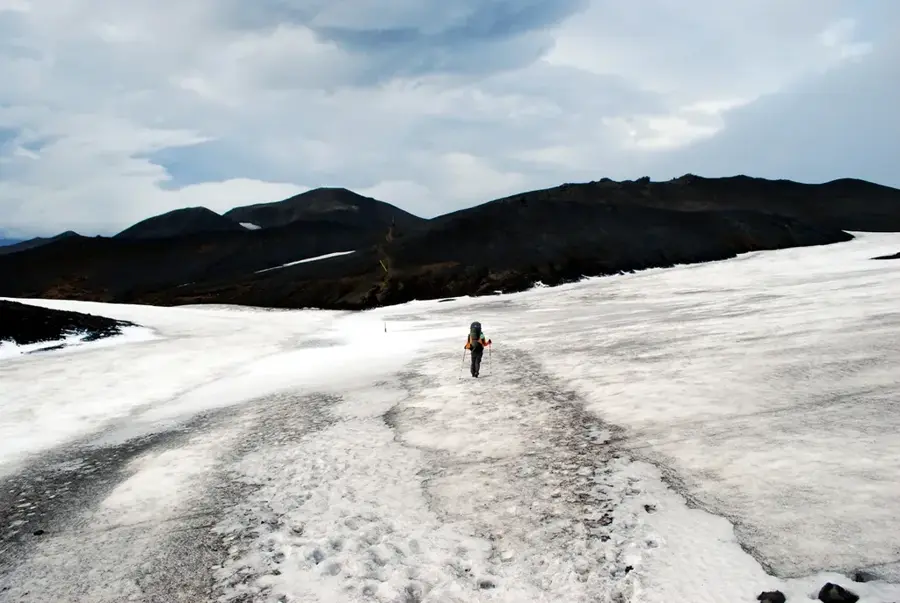
The environment consists of the massive, undulating ice cap of the glacier, which hides deep crevasses and steep slopes. Lower surrounding areas are characterized by rugged volcanic sands, ash fields, and unpredictable glacial rivers.
🎒
What to bring
Comprehensive glacier safety equipment, including crampons, helmets, and ice axes, is usually provided by professional tour operators. Visitors must wear exceptionally warm, waterproof layers and stiff-soled mountain boots.
🅿️
Parking
Independent travelers generally park their vehicles at designated meeting points along the Ring Road or at the closest accessible glacier tongues. From there, heavily modified vehicles safely transport guests onto the actual ice cap.
⚠️
Safety
Because this is an active and closely monitored subglacial volcano, visitors must strictly adhere to all local warnings and expert guidance. Never attempt to venture onto the vast glacier without a certified and experienced local guide.
⏱️
Time needed
Most guided excursions onto the glacier covering the volcanic caldera generally take anywhere from three to six hours. A full day should typically be allocated if traveling from the capital or incorporating other south coast sights.

Geography

Coordinates
63.64670, -19.13030

Facts

  • Located under the Mýrdalsjökull glacier
  • Caldera area of 110 km²
  • Height of 1,512 meters
  • Causes massive glacial floods (jökulhlaups)
  • Last major eruption in 1918
  • Historical eruption interval of 40-80 years

Explore nearby

Notable places around
Route planner — Car & Motorhome

Where do you start? We build the route here, with stops and country notes along the way.

Vehicle
Only stops with (optional):

© OpenStreetMap contributors · OpenRouteService

Sights in the town Katla (1)

Mýrdalsjökull📍 landmark

Mýrdalsjökull is a large glacier in southern Iceland, covering the Katla volcano.

Sights nearby

Frequently asked questions

Where is Katla located?
The volcano lies under the Mýrdalsjökull glacier in South Iceland.
Is Katla dangerous?
Yes, it is considered one of the most dangerous volcanoes due to threat of glacial floods.
Can you visit ice caves near Katla?
Yes, tours lead to the ice caves in Kötlujökull, which are accessible year-round.
When did it last erupt?
The last major eruption was in 1918; since then, only minor events have occurred.
How large is the crater?
Katla has a caldera about 10 km in diameter.
Katla: where is it located?
Katla is located in Iceland.
Katla: when is the best time to visit?
The most pleasant time to visit is Jun, Aug.
Katla: why is it worth visiting?
Katla is one of Iceland's most powerful and hazardous volcanoes, buried beneath the thick ice cap of the Mýrdalsjökull glacier in southern Iceland.
View on map → The Top 50 Attractions → OpenStreetMap →
Europe
Explore with Plizio Discover more places in Europe
More places in Iceland →

Nearby cities

History & landmarks
Nature
More places