Plizio Visual Lab
Eyjafjallajökull
Weather…
Water temperature…
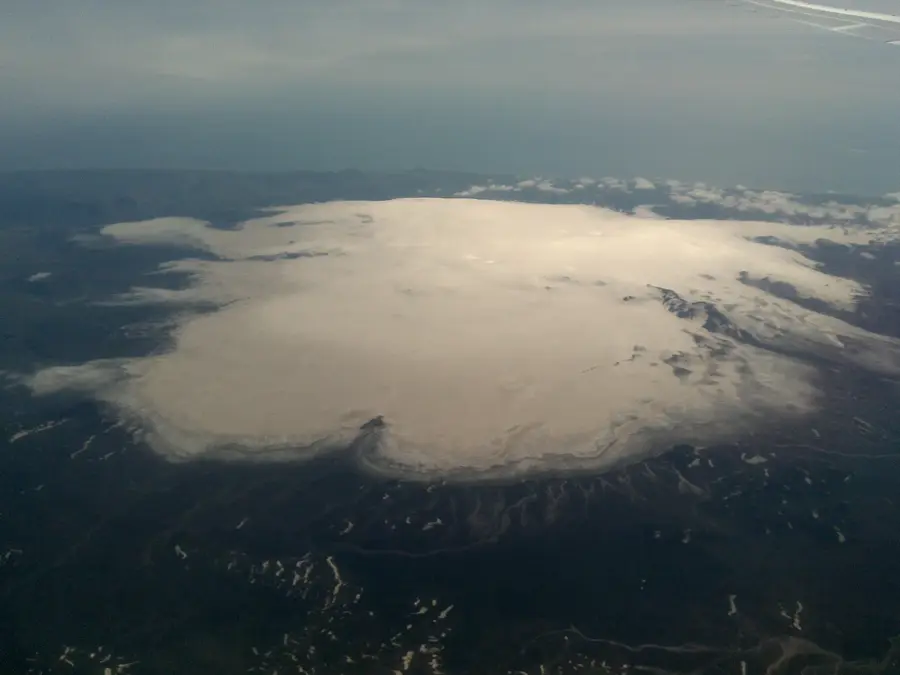
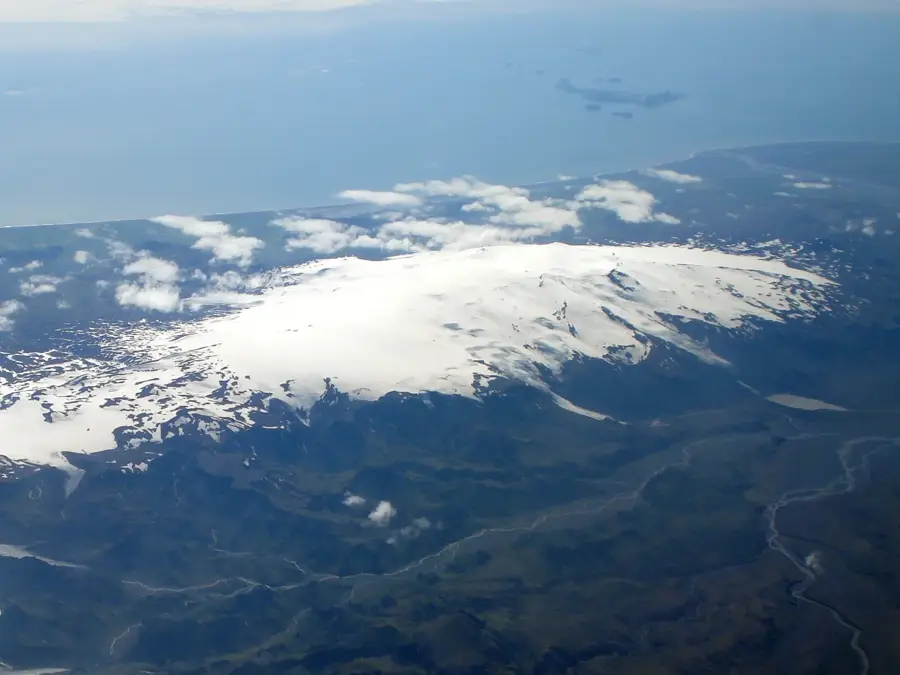
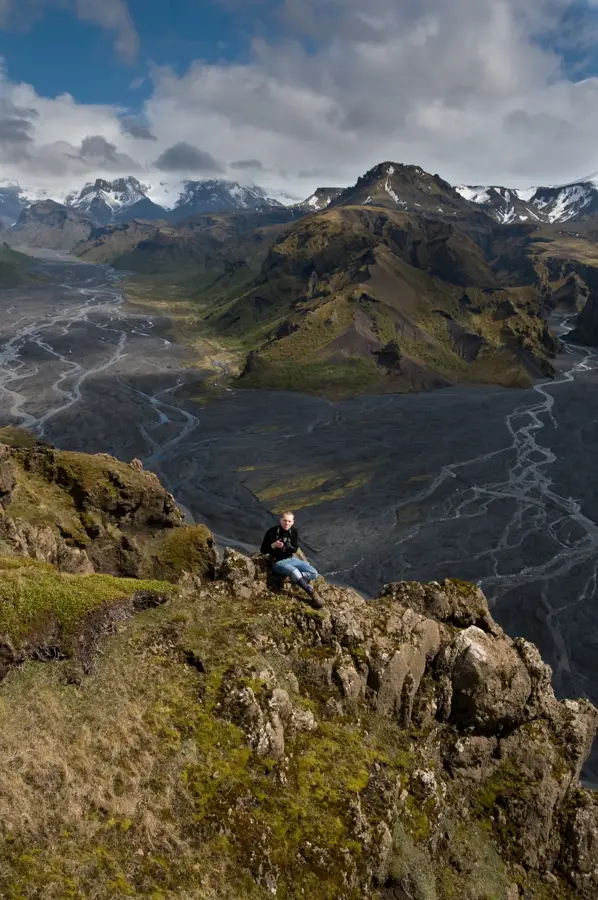
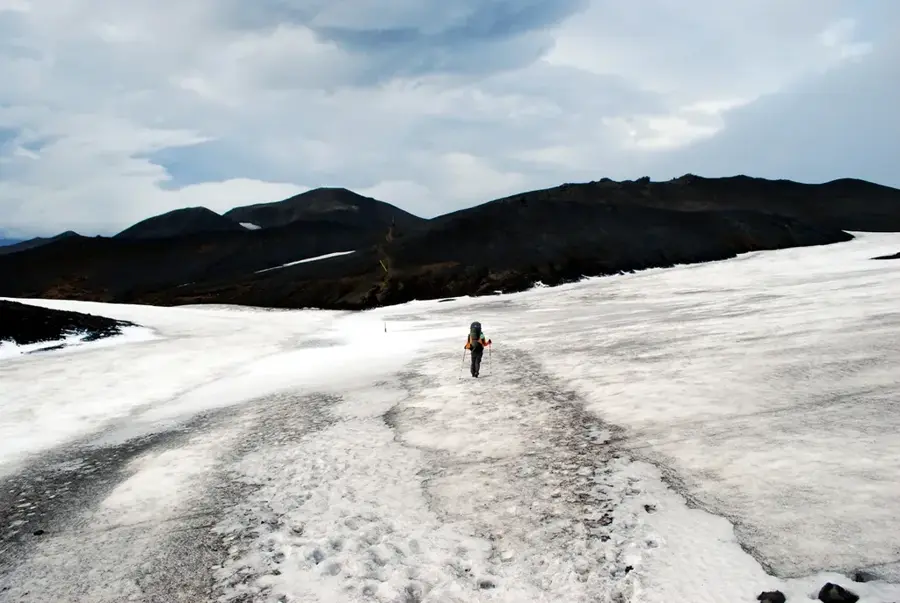
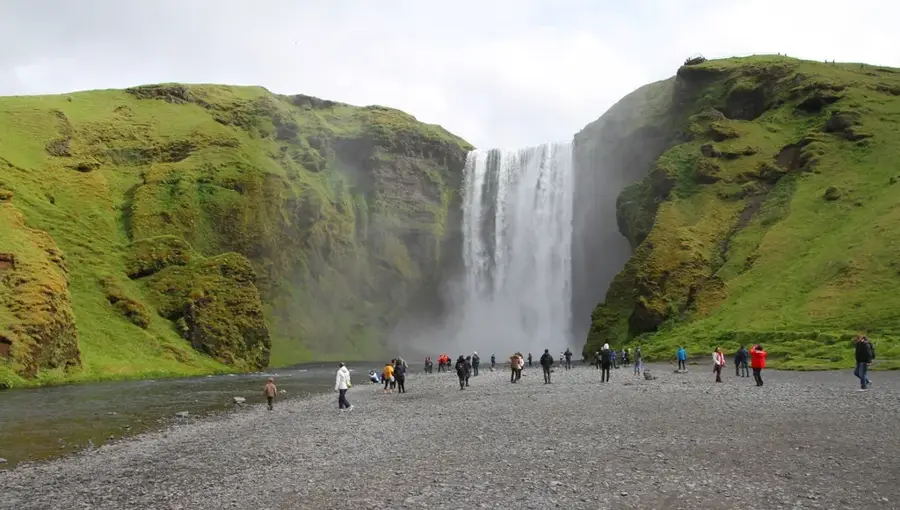
Eyjafjallajökull is a smaller glacier in southern Iceland that covers a stratovolcano of the same name. Spanning an area of approximately 100 square kilometers, it is small compared to its neighbors but gained worldwide fame in 2010. The massive eruption that year spewed enormous quantities of volcanic ash into the atmosphere, leading to the extensive closure of European airspace and the cancellation of over 100,000 flights. The volcano itself reaches a height of 1,651 meters and is part of a volcanic system closely linked to the neighboring Katla volcano. Historical records indicate that eruptions of Eyjafjallajökull are often followed by activity from Katla. The ice cap feeds numerous glacial rivers and waterfalls, including the famous Skógafoss. Today, the area is a popular destination for hikers and researchers studying the effects of the 2010 eruption on local geomorphology. Monitoring seismic activity remains a priority to provide early warnings of future eruptions.
- Location: Iceland
- Nearby: Þórsmörk (8 km)
Best time to visit & climate
The most pleasant time to visit is Jun–Aug.
| Jan | Feb | Mar | Apr | May | Jun | Jul | Aug | Sep | Oct | Nov | Dec | |
|---|---|---|---|---|---|---|---|---|---|---|---|---|
| Avg °C | 0 | 0 | 0 | 2 | 4 | 8 | 9 | 9 | 7 | 4 | 1 | 0 |
| Rain mm | 293 | 268 | 258 | 194 | 136 | 128 | 151 | 176 | 263 | 250 | 250 | 291 |
📋 Practical info
Geography
Facts
- Erupted in 2010, causing massive disruption to global air travel.
- Caps a stratovolcano reaching 1,651 meters in height.
- The ice cap covers an area of roughly 100 square kilometers.
- Historically linked to the activity of the nearby Katla volcano.
- The summit caldera measures 3 to 4 kilometers in diameter.
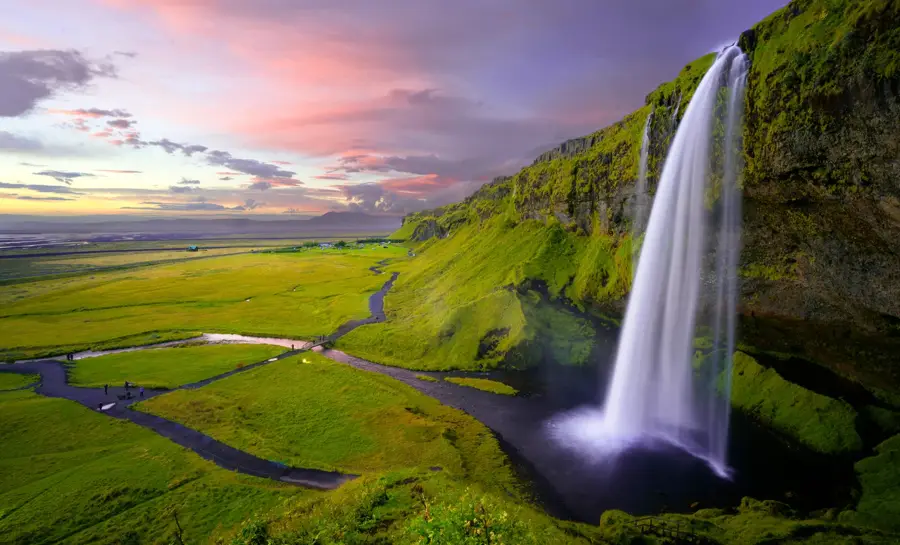
- Meltwater feeds the Skógá river and Skógafoss waterfall.
Explore nearby
Notable places around

Route planner — Car & Motorhome
Where do you start? We build the route here, with stops and country notes along the way.
© OpenStreetMap contributors · OpenRouteService
Sights nearby
Frequently asked questions
Why did Eyjafjallajökull become world-famous in 2010?
Can you visit the volcano today?
Is there a visitor center nearby?
What does the name mean?
Is the volcano still active?
Eyjafjallajökull: where is it located?
Eyjafjallajökull: when is the best time to visit?
Eyjafjallajökull: why is it worth visiting?

Nearby cities
History & landmarks
Nature
More places