Plizio Visual Lab

Essequibo River
Plizio editorial teamData Sources
River
—°6
Essequibo River (Guyana)

Weather…

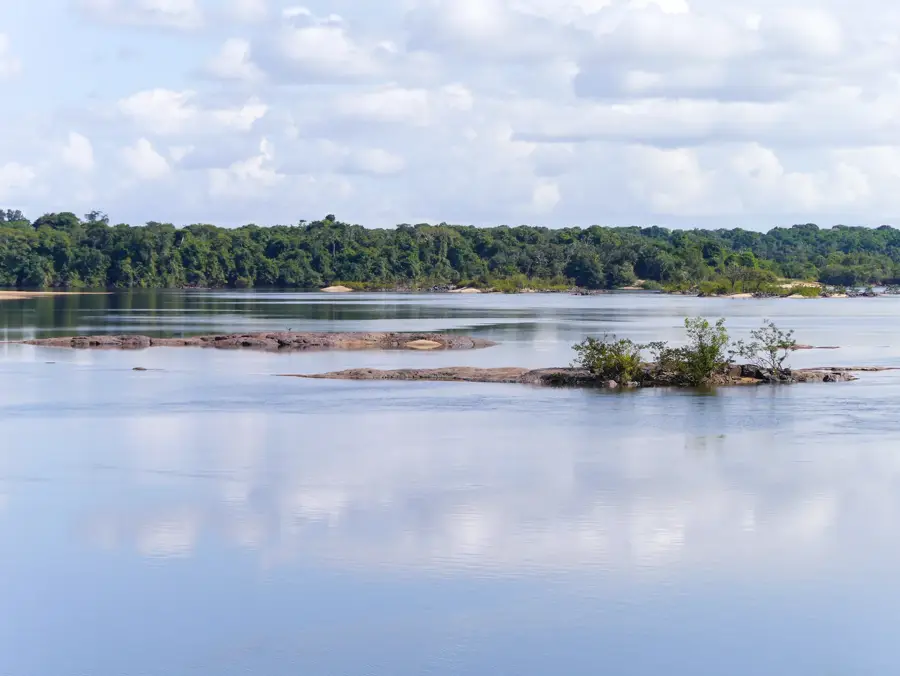
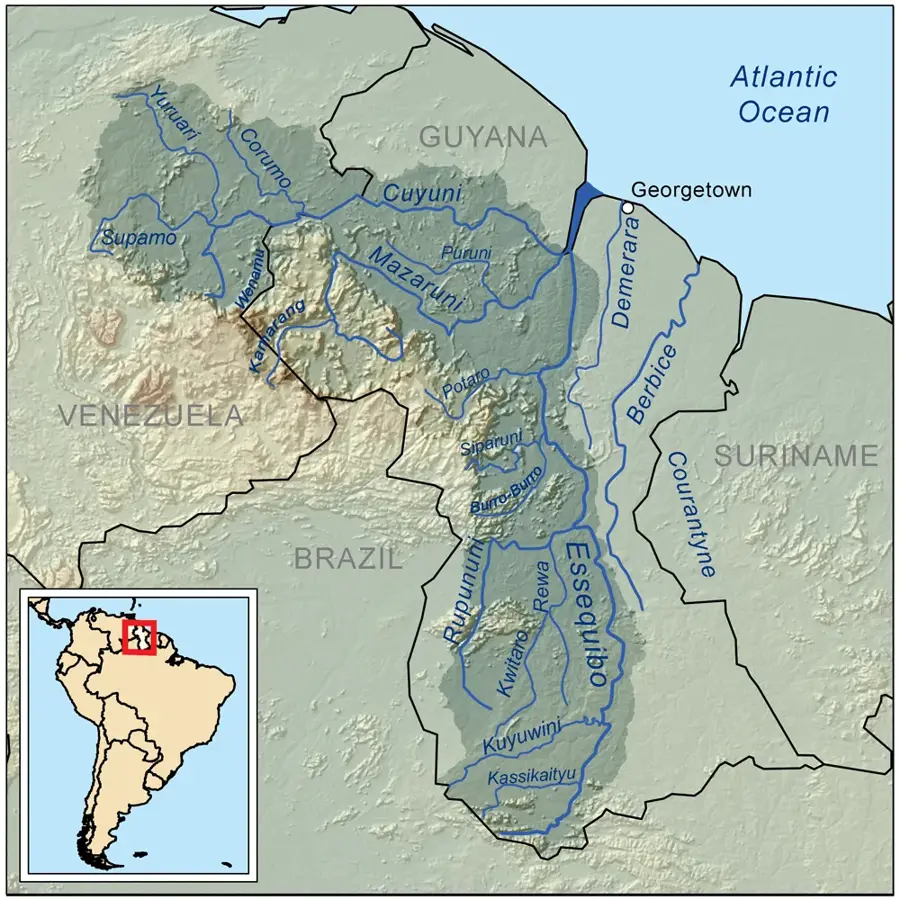
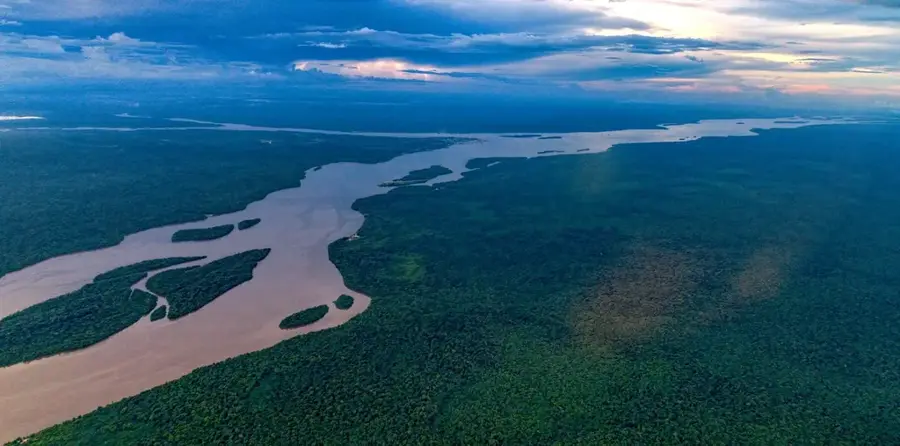
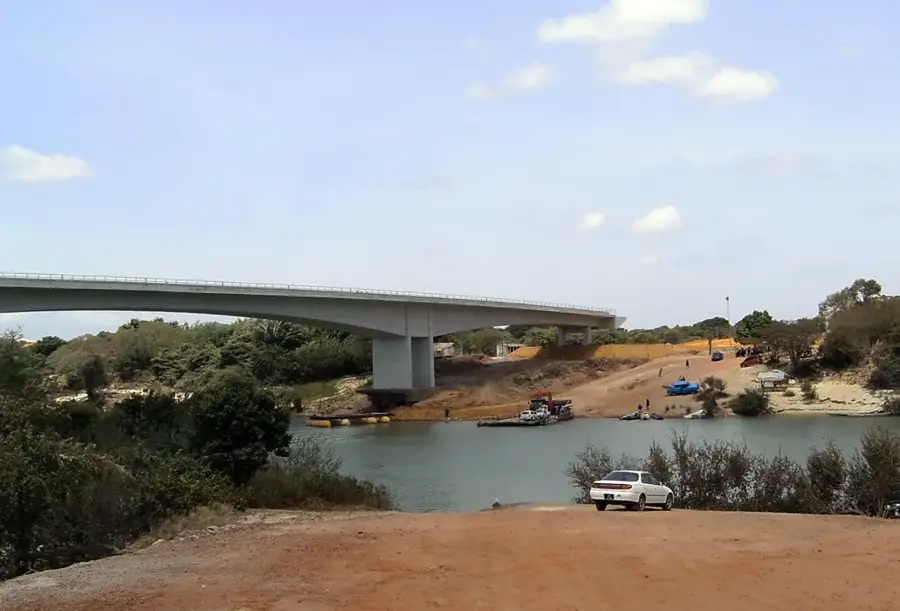
The Essequibo is the largest river in Guyana and one of the most significant waterways in South America, stretching approximately 1,010 kilometers in length. It rises in the Acarai Mountains on the border with Brazil and flows northward through dense rainforests and savannas before emptying into the Atlantic Ocean. The river's basin covers over 150,000 square kilometers and supports an incredible variety of flora and fauna. Its estuary is about 32 kilometers wide and contains several large islands, including Hog Island, Leguan, and Wakenaam. Historically, the river served as a vital lifeline for colonial powers and the indigenous peoples who have inhabited its banks for millennia. Today, it plays a central role in the nation's economy, particularly for resource transport and burgeoning ecotourism. Along its course, one can find spectacular waterfalls and rapids that present challenges for navigation but offer immense natural beauty. The Essequibo is a symbol of Guyana's untouched wilderness and vast natural wealth.

Best time to visit & climate

The most pleasant time to visit is Feb, Mar, Sep.

JanFebMarAprMayJunJulAugSepOctNovDec
Avg °C252526272626262627272626
Rain mm18411793145317319308198105108182258

📋 Practical info

🧭
Getting there
You can approach this massive river from numerous points, with towns like Bartica serving as primary launch sites. Deep inland access generally requires arranging long-distance boat transport.
📅
Best season
The dry seasons, usually from September to November and February to April, offer the best conditions for exploring. Lower water levels expose beautiful river beaches and make navigation much safer.
⛰️
Terrain & paths
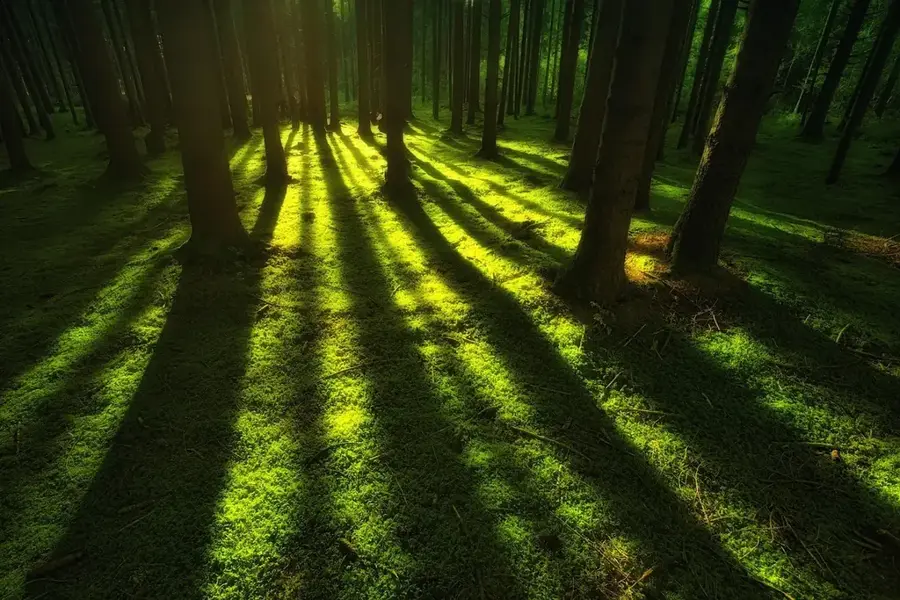
The environment ranges from wide estuaries to dense, impenetrable tropical rainforests further upstream. The river features powerful rapids and cascading waterfalls that require careful navigation.
🎒
What to bring
Essential items include quick-drying tropical clothing, high-SPF sunscreen, and robust protection against mosquitos. Sturdy water shoes and durable dry bags for your electronics are highly recommended.
🅿️
Parking
Secure parking is best found in larger staging towns like Parika before transferring to water transport. Remote jungle lodges typically require leaving vehicles far behind in established settlements.
⚠️
Safety
Travel with experienced local guides, as the river has hidden rocks, shifting sandbars, and intense rapids. Always wear well-fitted life jackets and carry emergency communication devices on remote stretches.
⏱️
Time needed
Due to the immense scale of the river, visitors should allocate at least a full day for a basic tour from the coast. Comprehensive expeditions to the upper reaches can easily take a week or more.

Geography

Coordinates
6.95000, -58.37000

Facts

  • Longest river in Guyana (1,010 km)
  • Estuary is approximately 32 km wide
  • Contains over 360 different islands
  • Source is in the Acarai Mountains
  • Crucial for bauxite and gold transport
  • Hog Island is its largest river island

Explore nearby

Notable places around

Route planner — Car & Motorhome

Where do you start? We build the route here, with stops and country notes along the way.

Vehicle
Only stops with (optional):

© OpenStreetMap contributors · OpenRouteService

Sights in the town Essequibo River (6)

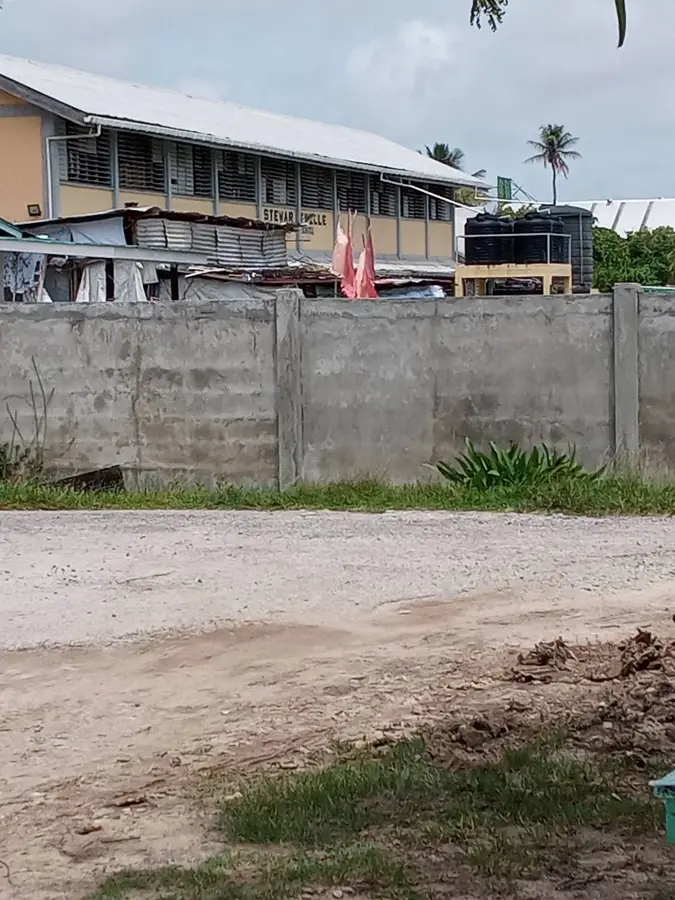
Educational Facility📍 landmark

A local educational institution that serves as a community landmark near the Essequibo River.

St. Peter's Anglican Church📍 landmark

A historic Anglican church building known for its distinctive architecture along the Essequibo River.

Religious Building - Church📍 landmark

A local Christian church building that provides spiritual guidance to riverside communities.

Start🌿 nature

A trailhead observation spot offering an initial view of the lush Guyanese river environment.

End 1 philadelhia🌿 nature

A viewpoint near the Philadelphia area offering a clear line of sight over the local river banks.

Barnwell 5🌿 nature

One of the Barnwell observation points, showcasing the lush tropical flora characteristic of the region.

Sights nearby

Frequently asked questions

How large is the Essequibo River?
It is the largest river in Guyana, over 1000 km long.
Are there islands in the river?
Yes, the river has hundreds of islands, some as large as Barbados.
Can you go on boat tours?
Boat tours are the best way to experience the river and its resorts.
Are there caimans there?
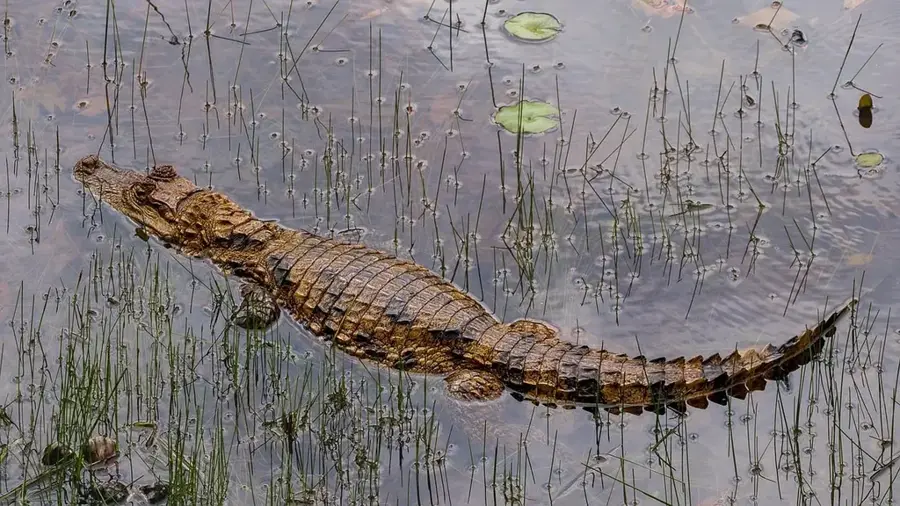
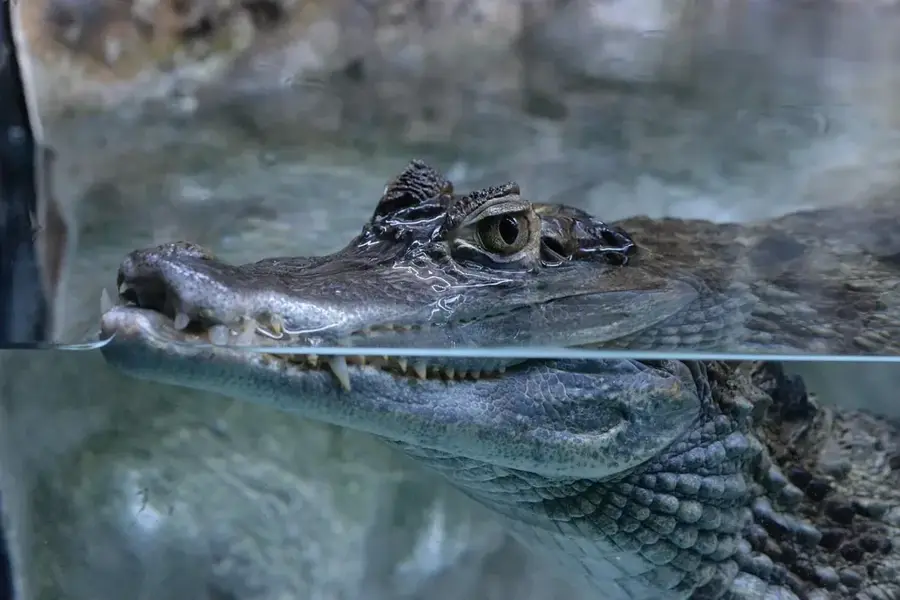
Yes, caimans and giant otters can be found in the tributaries.
When is the water level highest?
During the rainy season between May and August, the river rises significantly.
Essequibo River: where is it located?
Essequibo River is located in Guyana.
Essequibo River: what is there to see?
Highlights include Educational Facility, St. Peter's Anglican Church, Religious Building - Church.
Essequibo River: when is the best time to visit?
The most pleasant time to visit is Feb, Mar, Sep.
Essequibo River: why is it worth visiting?
The Essequibo is the largest river in Guyana and one of the most significant waterways in South America, stretching approximately 1,010 kilometers in length.
View on map → The Top 50 Attractions → OpenStreetMap →
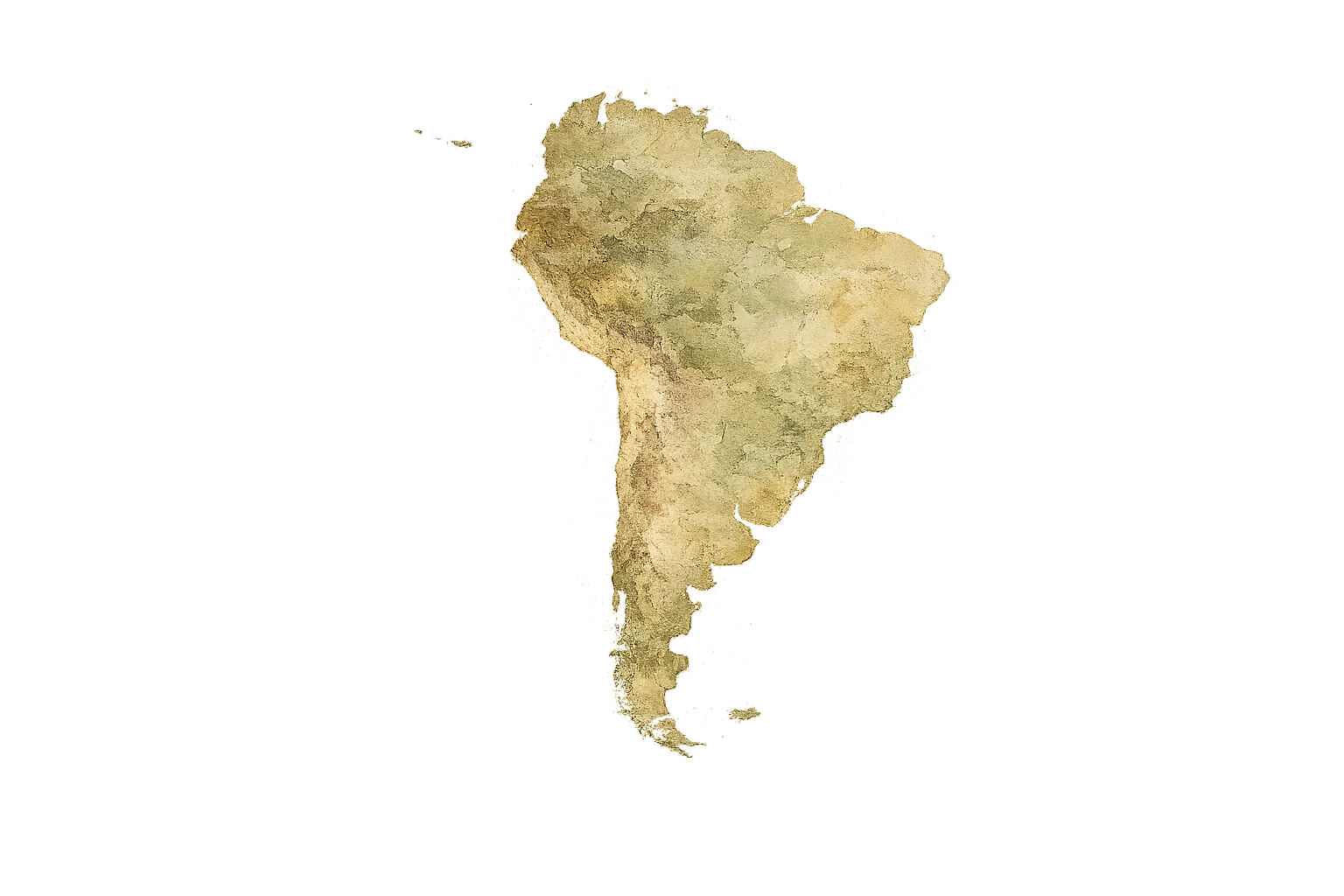
South America
Explore with Plizio Discover more places in South America
More places in Guyana →

Nearby cities

History & landmarks
Nature
More places