Plizio Visual Lab
Rewa Wildlife Area
Weather…
Water temperature…
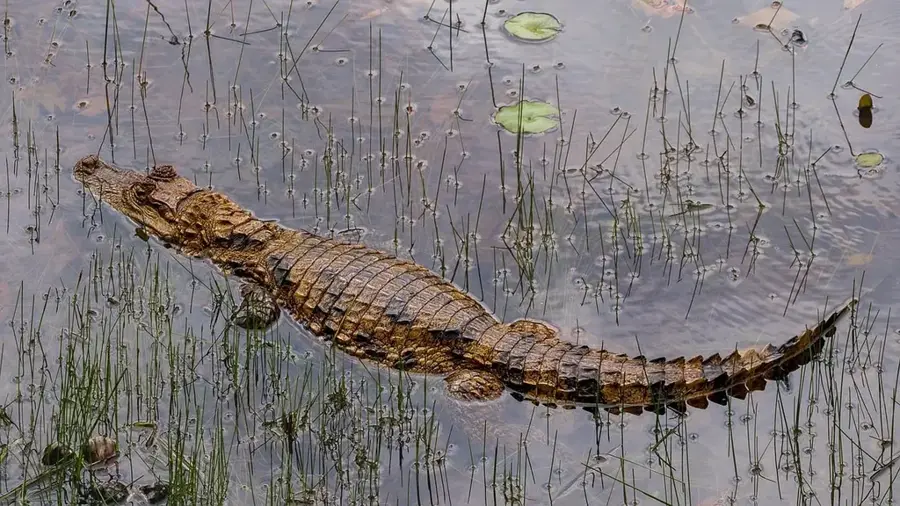
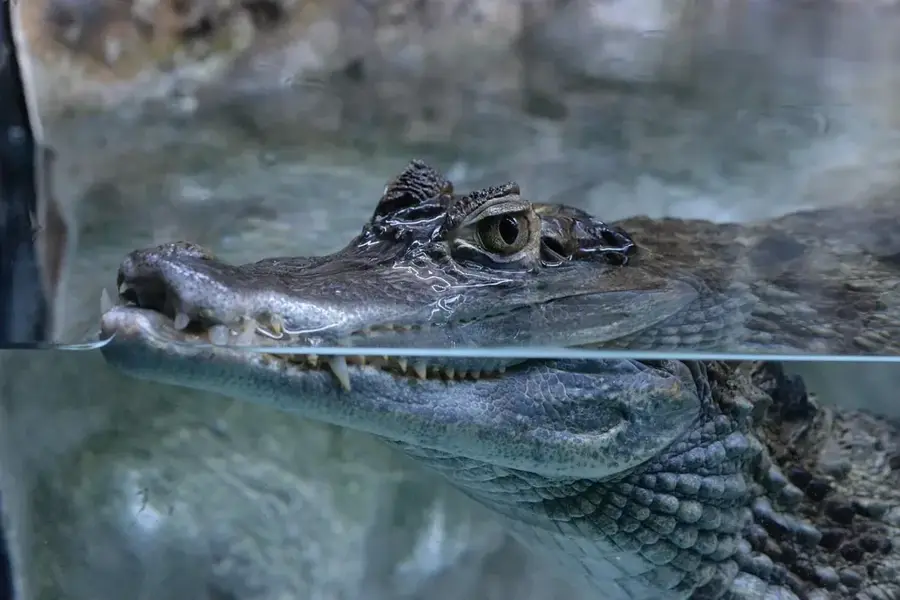
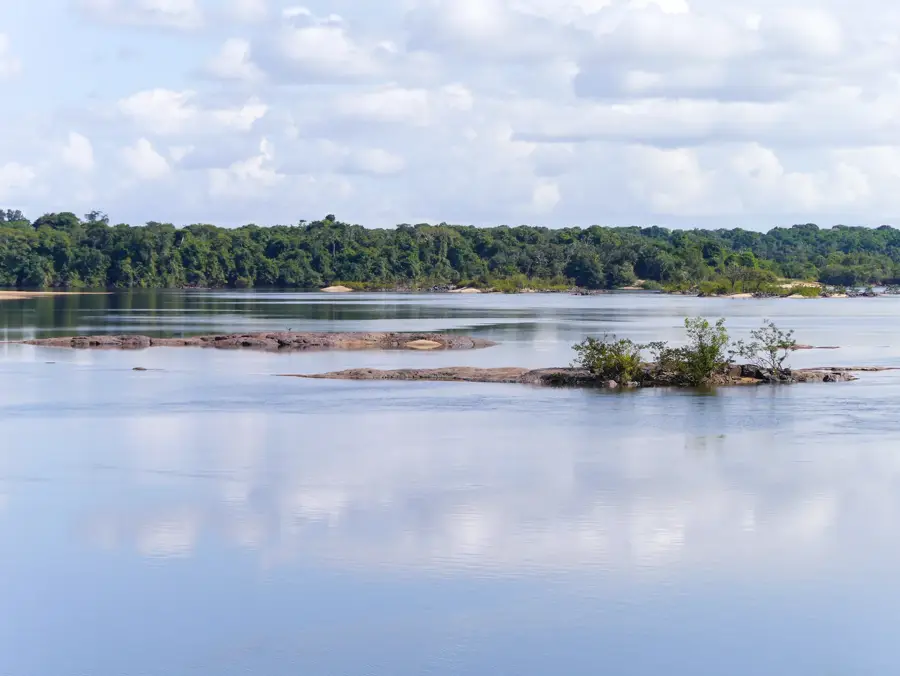
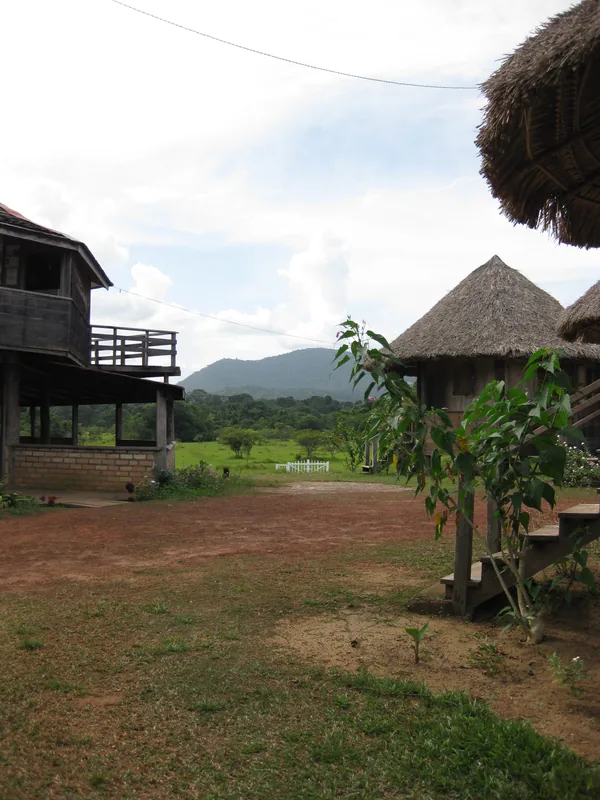
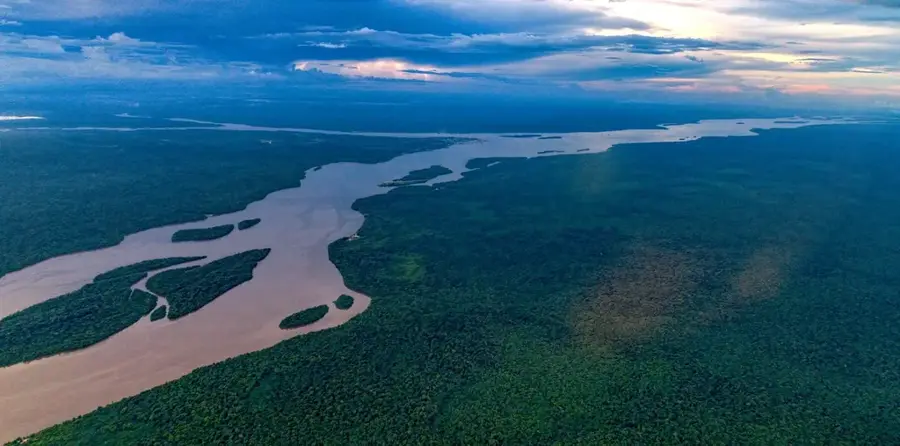
Rewa Wildlife Area, established in 2004, spans 800 km² in Guyana's Rupununi savannah and rainforest ecotone. It is managed through a community-based co-management agreement between indigenous Wapishana and Makushi villages and conservation NGOs. The area protects critical habitats for flagship species such as the jaguar (Panthera onca), giant river otter (Pteronura brasiliensis), and black caiman (Melanosuchus niger). Avian diversity exceeds 400 species, including the harpy eagle (Harpia harpyja). Key conservation challenges include illegal logging, mining encroachment, and climate change impacts on seasonal flooding cycles. The reserve generates revenue via low-impact eco-lodges, and part of the income funds community health and education programs. Scientific monitoring focuses on large mammal population trends and forest carbon sequestration.
- Location: Guyana
- Nearby: Rewa (23 km)
Best time to visit & climate
The most pleasant time to visit is Jan, Feb, Sep.
| Jan | Feb | Mar | Apr | May | Jun | Jul | Aug | Sep | Oct | Nov | Dec | |
|---|---|---|---|---|---|---|---|---|---|---|---|---|
| Avg °C | 27 | 28 | 28 | 28 | 26 | 25 | 25 | 26 | 27 | 28 | 28 | 27 |
| Rain mm | 62 | 59 | 52 | 111 | 248 | 255 | 229 | 164 | 72 | 58 | 59 | 83 |
📋 Practical info
Geography
Facts
- Established in 2004
- Total area: 800 km²
- More than 400 bird species recorded
- Home to 60 mammal species
- Annual rainfall: 2000–3000 mm
- Average temperature: 26–28°C
Explore nearby
Notable places around



Route planner — Car & Motorhome
Where do you start? We build the route here, with stops and country notes along the way.
© OpenStreetMap contributors · OpenRouteService
Sights nearby
Frequently asked questions
What is the Rewa area particularly known for?
How sustainable is tourism in Rewa?
What activities are offered in Rewa?
Is there a mobile connection in Rewa?
How do you get to Rewa?
Rewa Wildlife Area: where is it located?
Rewa Wildlife Area: when is the best time to visit?
Rewa Wildlife Area: why is it worth visiting?
Nearby cities

History & landmarks
Nature
More places