Plizio Visual Lab
Essequibo Rainforests
Weather…
Water temperature…
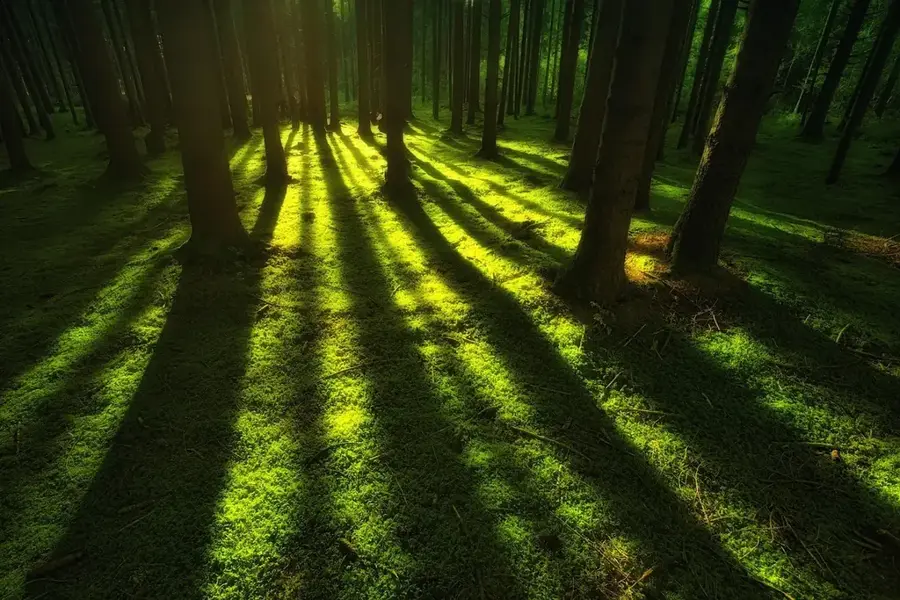
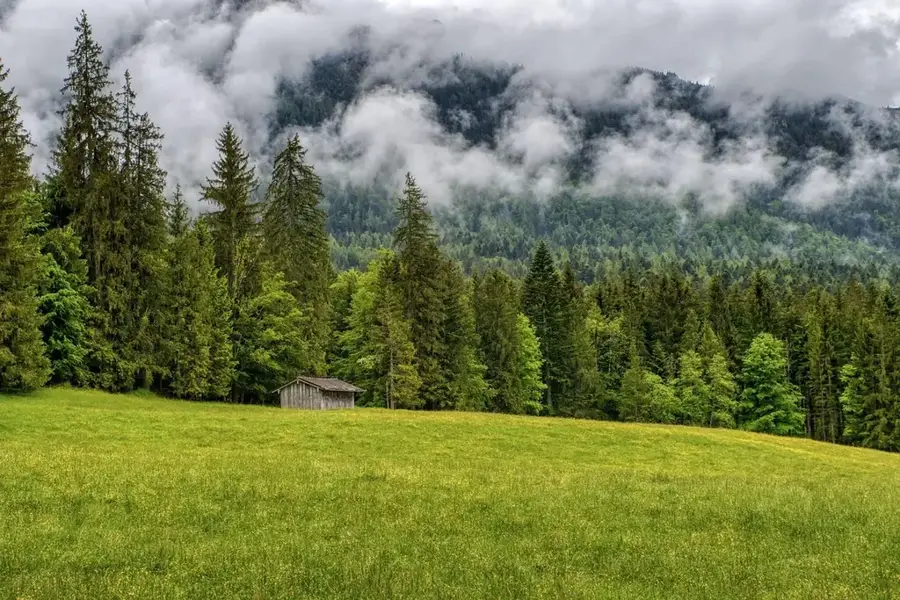
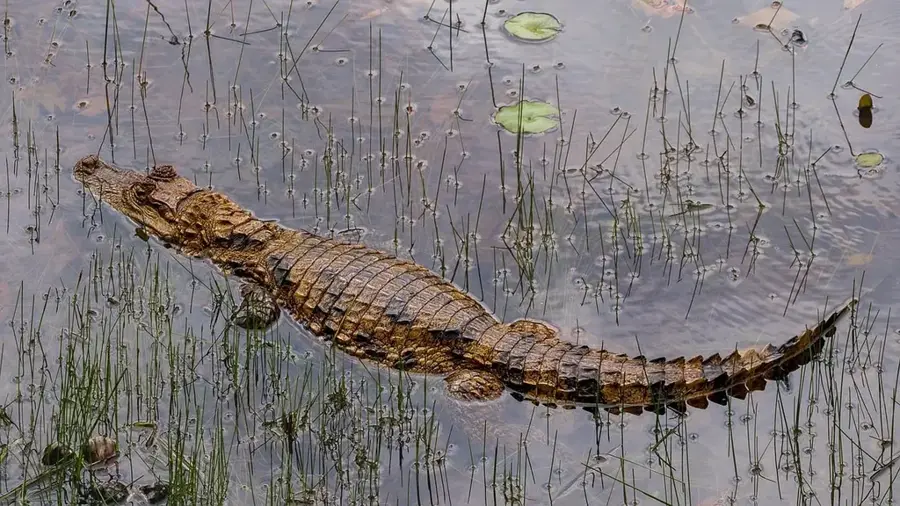
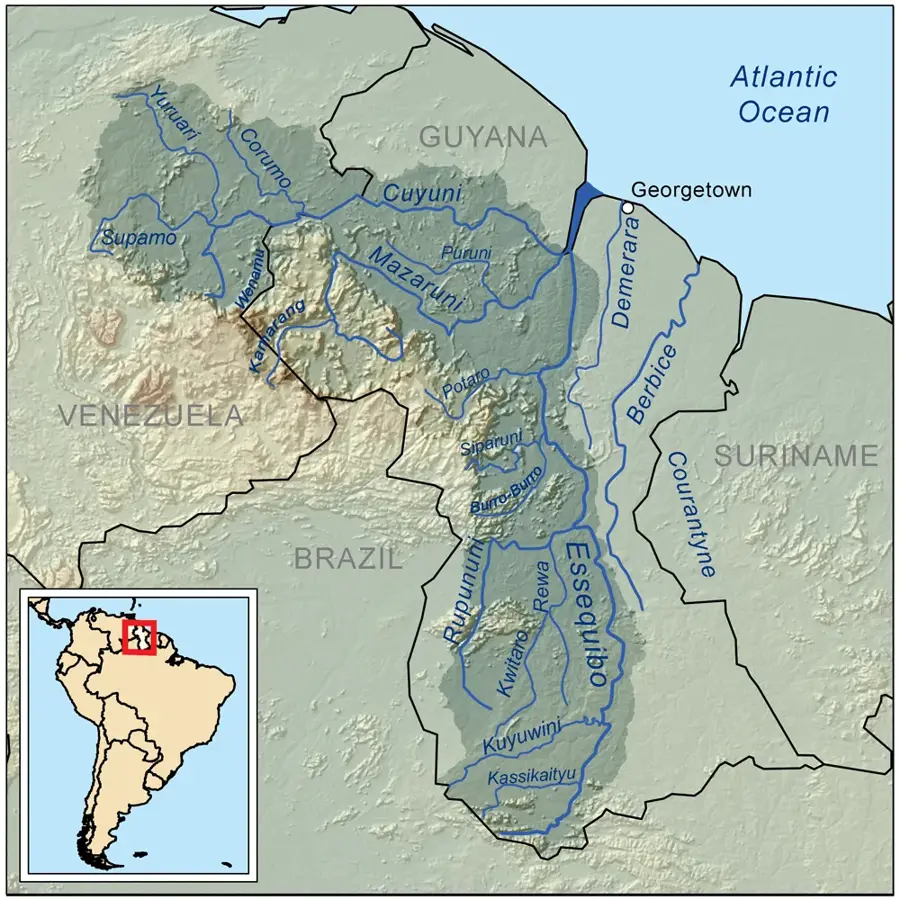
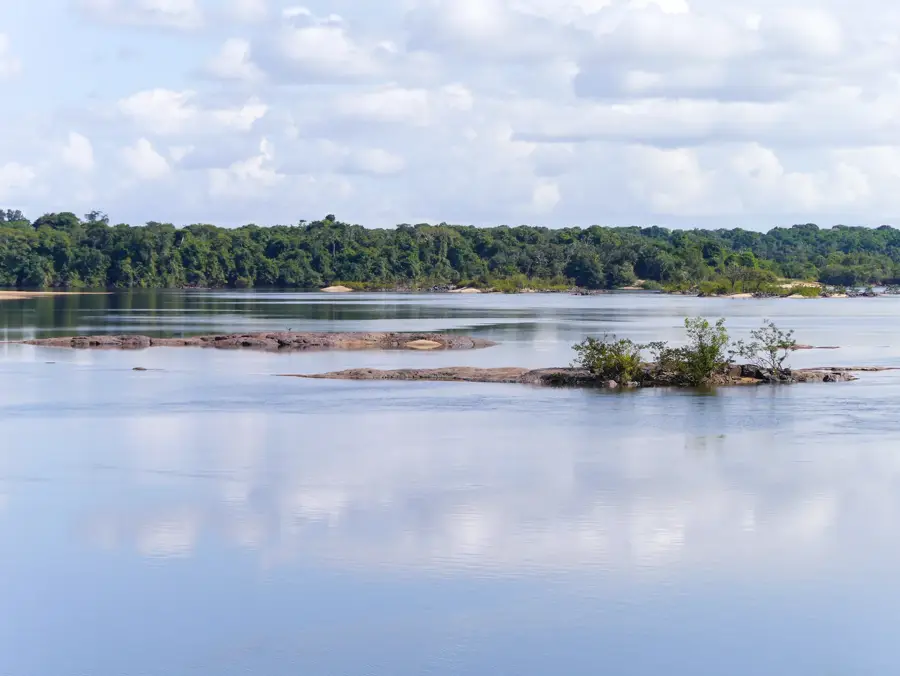
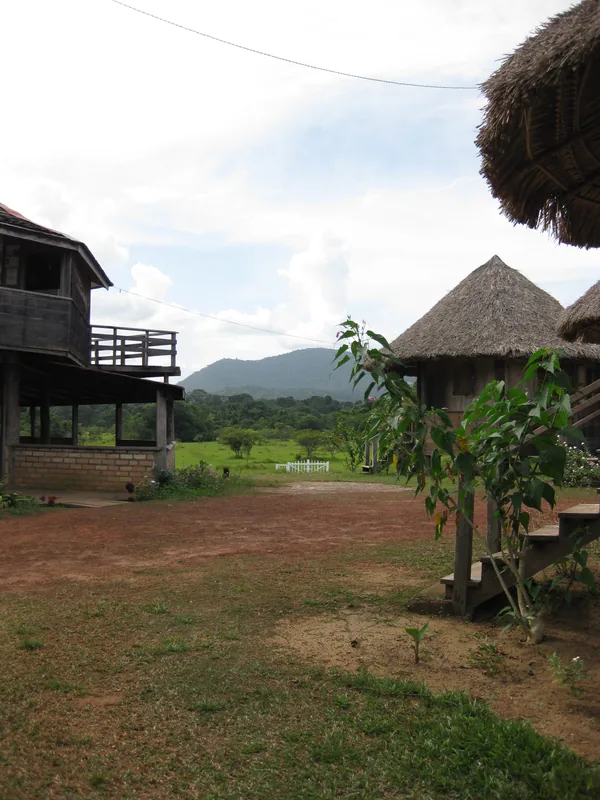
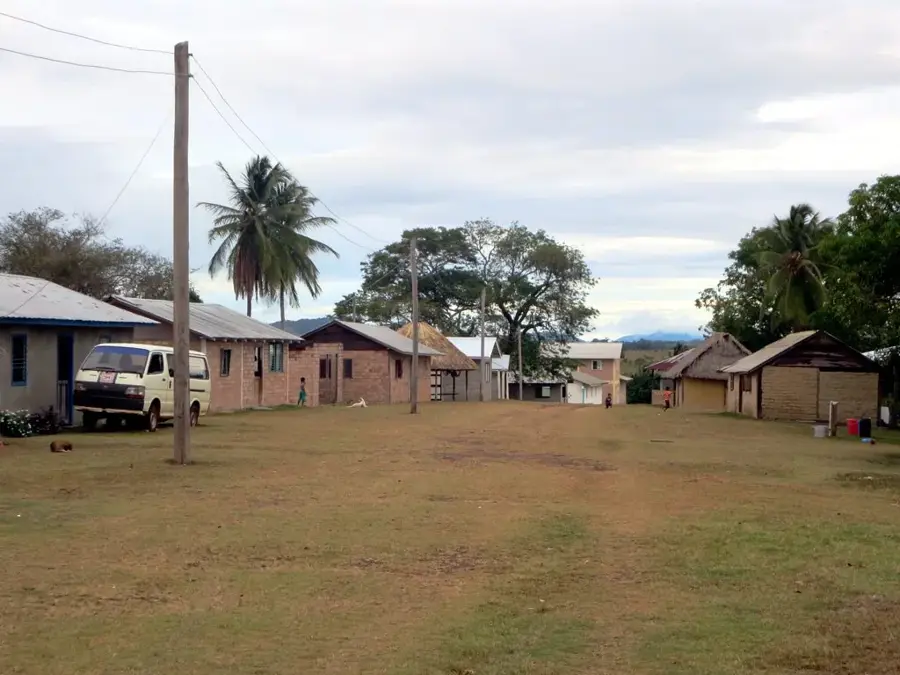
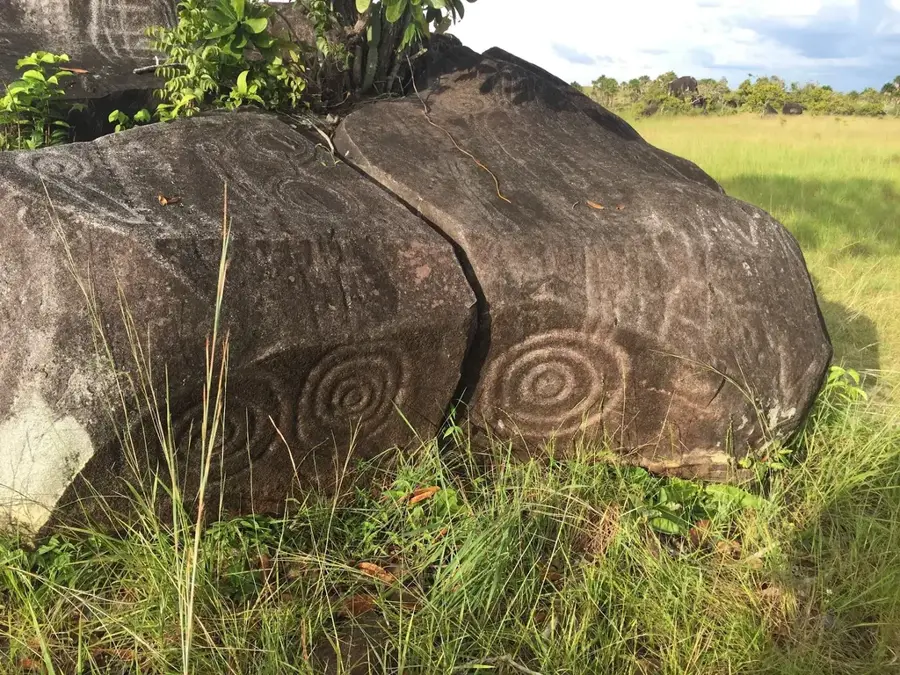
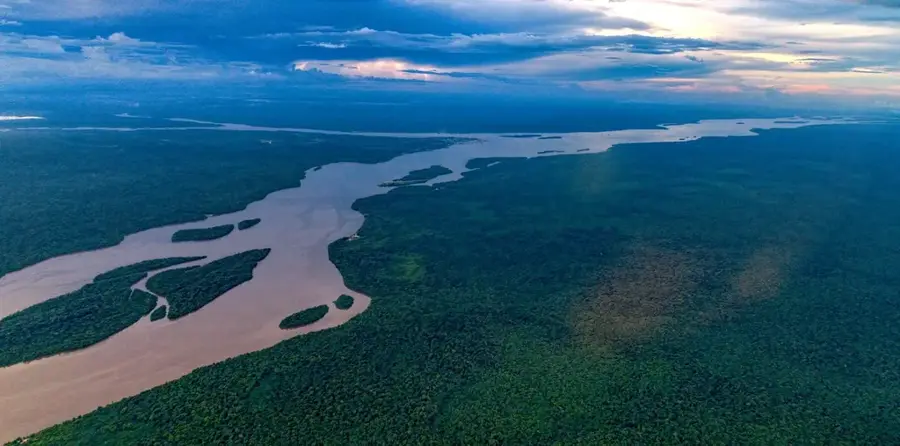
The Essequibo Rainforests form one of the largest and most pristine contiguous areas of tropical wilderness on the South American continent. They stretch across the vast drainage basin of the Essequibo River and cover more than 80% of Guyana's landmass. These forests are part of the Amazonian biome and are characterized by an extraordinary biodiversity, including over 1,200 tree species and thousands of animal species such as the jaguar, the harpy eagle, and the anaconda. As a massive carbon sink, the Essequibo Rainforests play a crucial role in the global climate system and regulate regional rainfall patterns. The Iwokrama International Centre for Rain Forest Conservation and Development is a prominent example of the protection and sustainable use of these resources. The geological basis is the ancient Guiana Shield, whose weathering has produced nutrient-poor but biologically highly complex soils. Numerous indigenous communities, such as the Macushi people, live in the region, and their traditional knowledge is essential for the ecosystem's preservation. Today, the Essequibo Rainforests are at the center of Guyana's strategy for low-carbon development.
- Location: Guyana
- Nearby: Rewa (31 km)
Best time to visit & climate
The most pleasant time to visit is Jan, Feb, Dec.
| Jan | Feb | Mar | Apr | May | Jun | Jul | Aug | Sep | Oct | Nov | Dec | |
|---|---|---|---|---|---|---|---|---|---|---|---|---|
| Avg °C | 28 | 28 | 29 | 28 | 26 | 25 | 25 | 26 | 27 | 28 | 28 | 28 |
| Rain mm | 32 | 35 | 35 | 104 | 260 | 270 | 239 | 171 | 77 | 57 | 49 | 49 |
📋 Practical info
Geography
Facts
- Guyana has a forest cover of over 18 million hectares.
- The forests store an estimated 19 billion tons of CO2 equivalent.
- The Iwokrama Reserve covers an area of approximately 3,710 square kilometers.
- Over 800 different bird species inhabit the Essequibo forests.
- The Essequibo River is over 1,000 kilometers long and sustains the ecosystem.
- The Iwokrama Act of 1996 governs the legal protection of large forest areas.
Explore nearby
Notable places around




Route planner — Car & Motorhome
Where do you start? We build the route here, with stops and country notes along the way.
© OpenStreetMap contributors · OpenRouteService
Sights nearby
Frequently asked questions
How do you reach the Essequibo rainforests?
Are there accommodations directly in the rainforest?
What clothing is recommended?
Can you swim in the Essequibo River?
How long should you plan for a visit?
Essequibo Rainforests: where is it located?
Essequibo Rainforests: when is the best time to visit?
Essequibo Rainforests: why is it worth visiting?

Nearby cities

History & landmarks
Nature
More places