Plizio Visual Lab

Rewa River
Plizio editorial teamData Sources
River
—°
Rewa River (Guyana)

Weather…

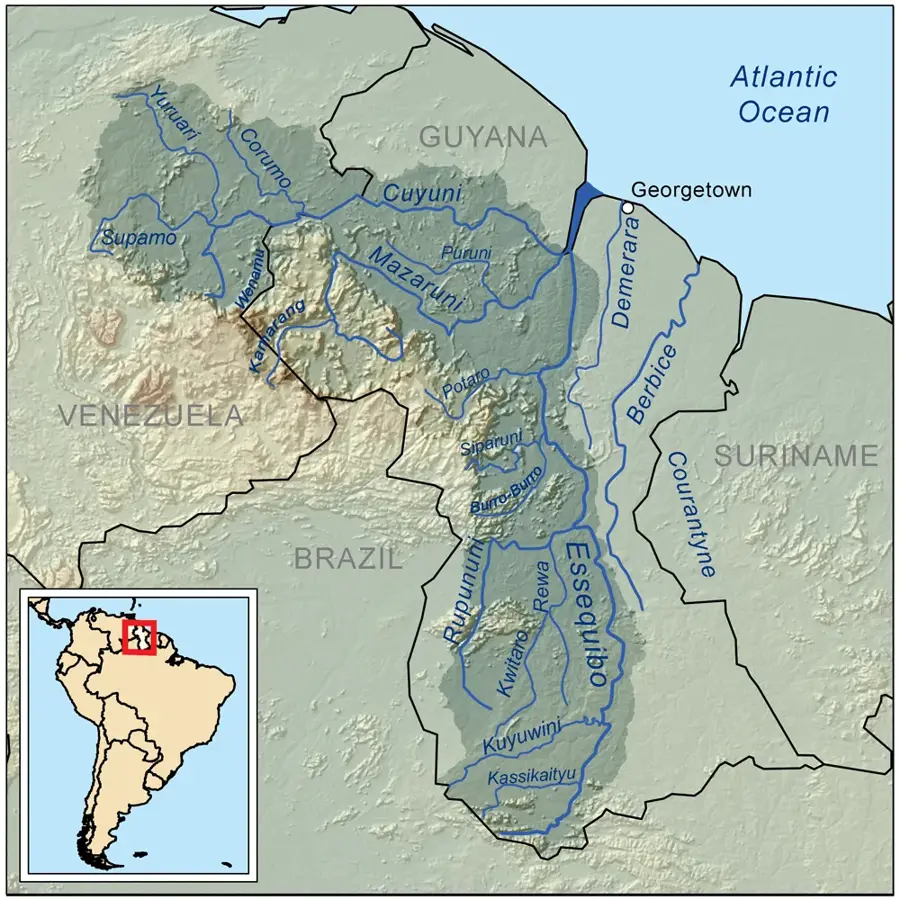
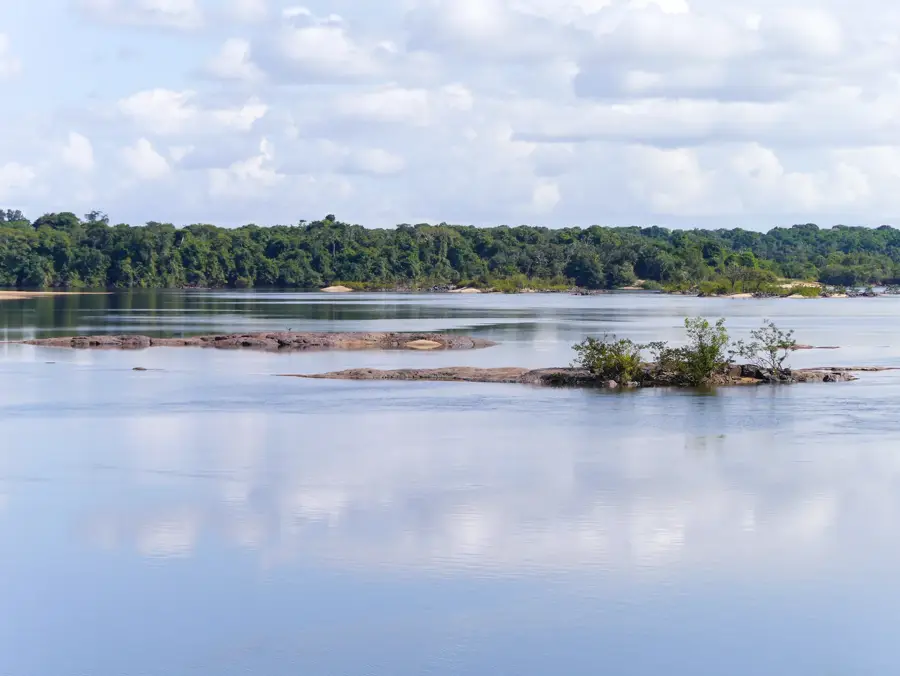
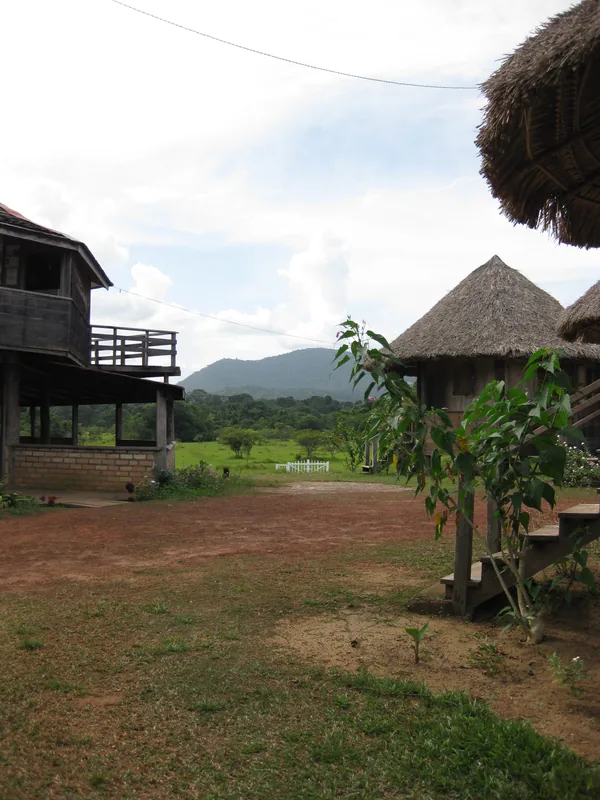
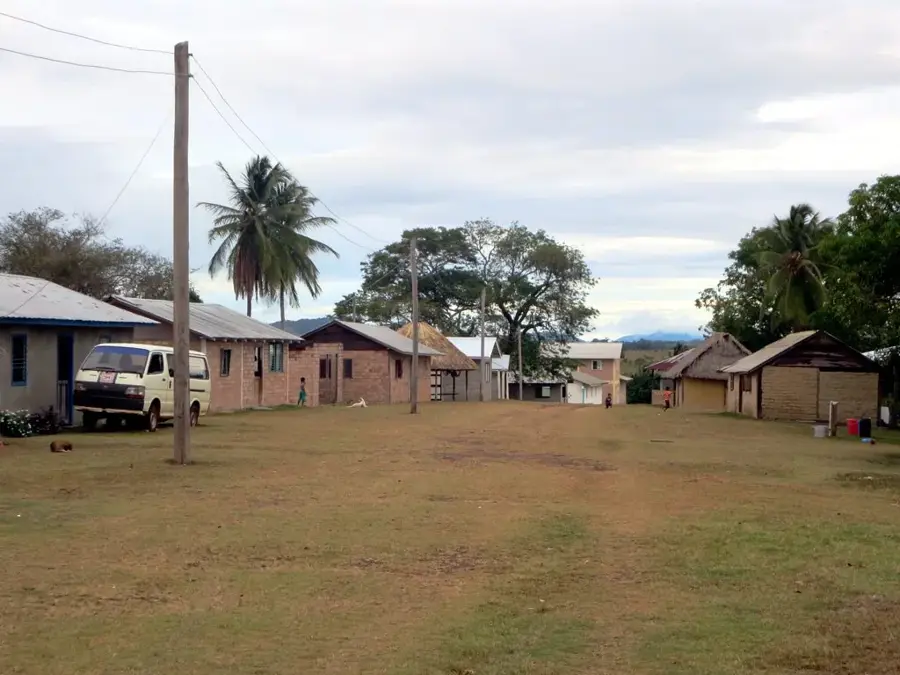
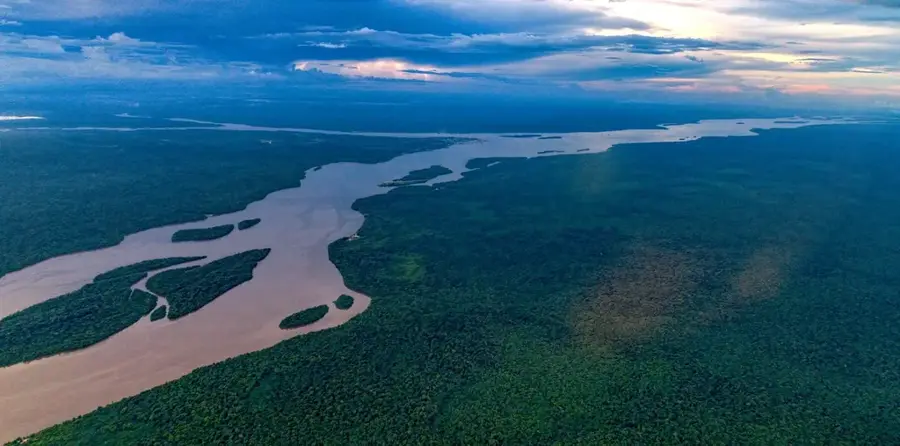
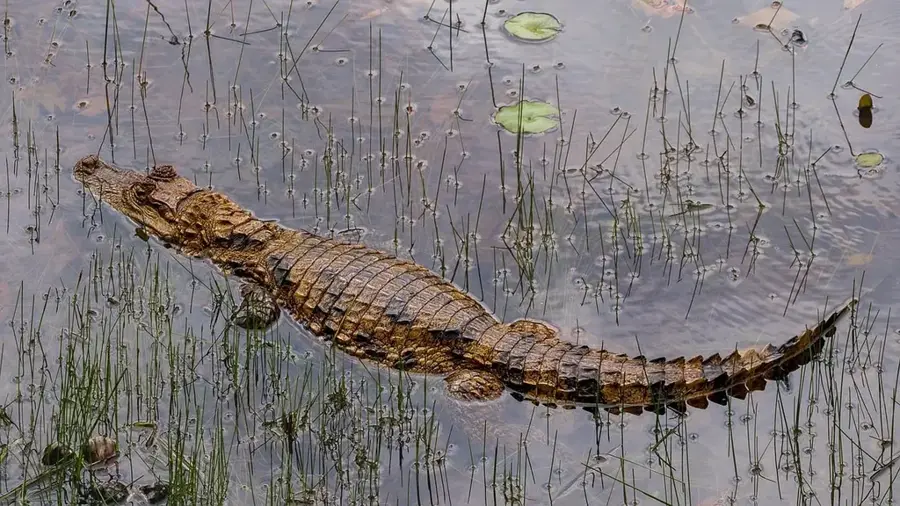
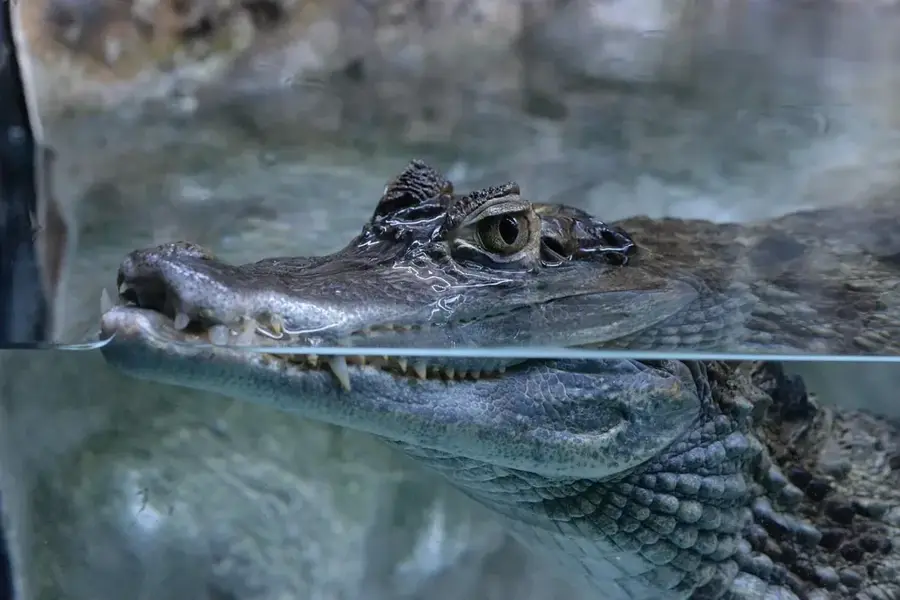
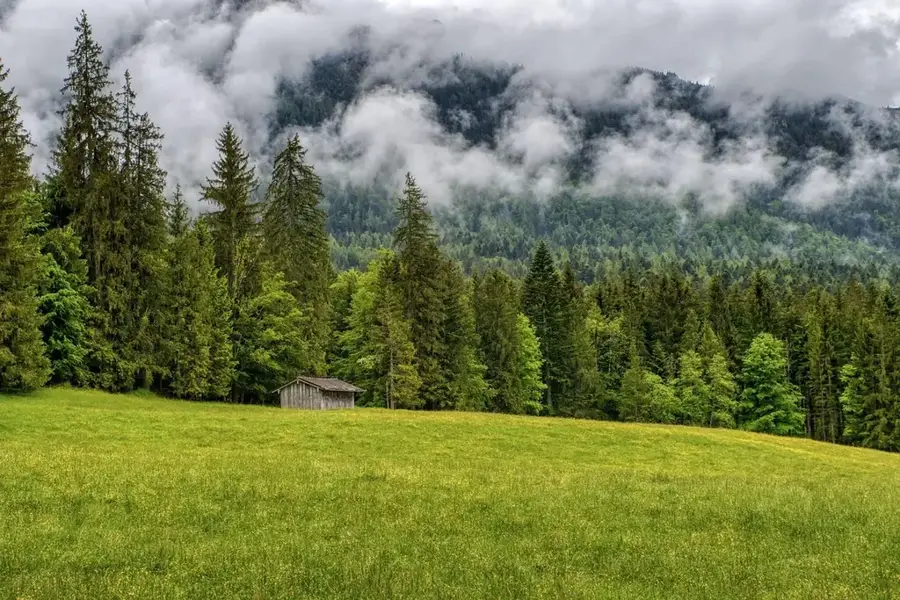
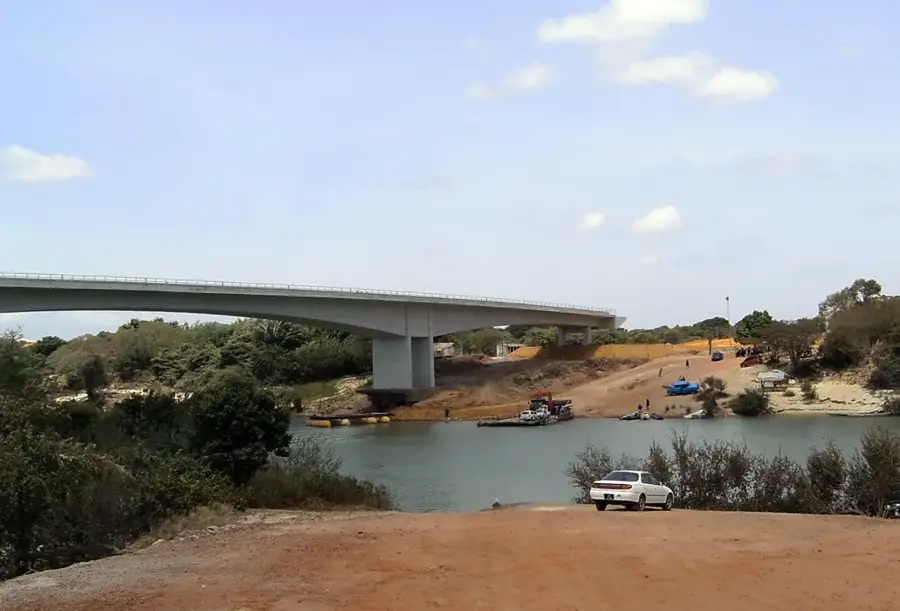
The Rewa River is a major tributary of the Rupununi River in northern Guyana, flowing through some of the country's most pristine and uninhabited rainforests. Originating in the Kanuku Mountains, it winds through a vast basin known for its exceptional aquatic biodiversity. The river is globally famous for hosting a significant population of the Arapaima, one of the world's largest freshwater fish, which is the subject of intense community-led conservation. The indigenous village of Rewa, located at the river's mouth, manages an award-winning eco-lodge that emphasizes sustainable tourism and wildlife protection. The river corridor is home to giant river otters, jaguars, and all eight of Guyana's monkey species. Because it remains largely inaccessible except by boat, the Rewa River ecosystem has avoided the pressures of industrial development, making it a critical refuge for endangered South American megafauna and a premier destination for catch-and-release fly fishing.

Best time to visit & climate

The most pleasant time to visit is Jan, Feb, Sep.

JanFebMarAprMayJunJulAugSepOctNovDec
Avg °C272828282625252627282827
Rain mm62595211124825522916472585983

📋 Practical info

🧭
Getting there
Reaching this pristine jungle river usually involves a combination of regional flights to hubs like Annai, followed by a lengthy boat journey. Local eco-lodges generally coordinate the complex logistics to enter the area.
📅
Best season
The dry season is generally preferred for optimal wildlife viewing along the riverbanks and manageable water levels. During heavy rains, the river floods extensively into the surrounding forests, dramatically changing access.
⛰️
Terrain & paths
The river snakes through untouched tropical rainforest, flanked by muddy banks and dense overhanging vegetation. Excursions are primarily boat-based, with occasional guided walks through relatively flat but thick jungle trails.
🎒
What to bring
Bring high-quality binoculars and camera equipment with long lenses to capture the abundant wildlife from the boats. Lightweight, quick-drying clothing, strong insect repellent, and sun hats are absolutely essential.
🅿️
Parking
Travelers arriving by land usually leave their 4x4 vehicles at the main regional hubs or lodges before transferring to boats. True exploration of the scenic environment happens exclusively on the water and deep trails.
⚠️
Safety
Wildlife encounters are common, so maintaining a respectful distance and following the eco-lodge guides' instructions is vital. The sheer remoteness means that medical evacuations are extremely difficult and time-consuming.
⏱️
Time needed
To fully appreciate the pristine environment and the hospitality of the eco-lodges, a stay of three to five days is typical. The significant travel time required just to reach the area makes shorter visits highly impractical.

Geography

Coordinates
3.88000, -58.68000

Facts

  • Tributary of the Rupununi River
  • Key conservation area for Arapaima fish
  • Flows from the Kanuku Mountains
  • Site of a community-owned eco-lodge
  • Home to all eight Guyanese primate species
  • Renowned for catch-and-release fishing

Explore nearby

Notable places around

Route planner — Car & Motorhome

Where do you start? We build the route here, with stops and country notes along the way.

Vehicle
Only stops with (optional):

© OpenStreetMap contributors · OpenRouteService

Sights nearby

Frequently asked questions

What is special about the Rewa River?
It is world-famous for the protection of the giant Arapaima fish.
Can you see wildlife there?
Yes, giant otters, jaguars, and numerous monkey species are native here.
How do you reach the river?
Mostly by small plane to Annai and then by boat upstream.
Is there ecotourism there?
Yes, the village of Rewa operates an award-winning eco-lodge for visitors.
Is fishing allowed in the river?
Only controlled catch-and-release fishing is allowed with a permit.
Rewa River: where is it located?
Rewa River is located in Guyana.
Rewa River: when is the best time to visit?
The most pleasant time to visit is Jan, Feb, Sep.
Rewa River: why is it worth visiting?
The Rewa River is a major tributary of the Rupununi River in northern Guyana, flowing through some of the country's most pristine and uninhabited rainforests.
View on map → The Top 50 Attractions → OpenStreetMap →
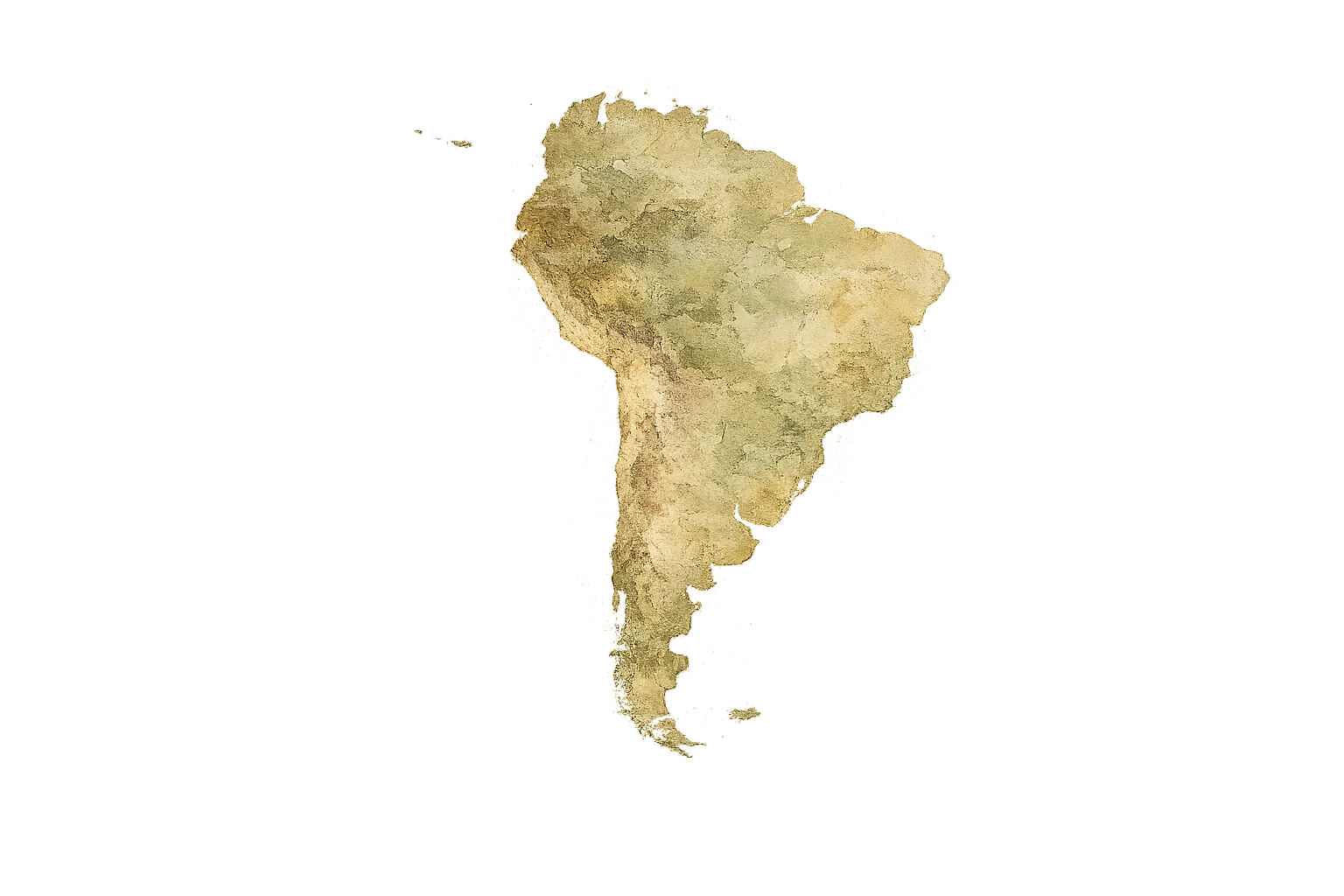
South America
Explore with Plizio Discover more places in South America
More places in Guyana →

Nearby cities

History & landmarks
Nature
More places