Plizio Visual Lab
Surama
ℹ️Practical info — Surama
▾
🌤 Weather — 5 days
📍 Nearby
Sights nearby
💡 Tips
- Hire a local Macushi guide to track animals in the jungle and savannah.
- Support the village directly by staying at the community-run Surama Eco-Lodge.
- Early morning hours are the best time for bird watching in the Rupununi region.
- Wear long-sleeved clothing and pants during forest hikes to protect against insects.
🍽 Food
Enjoy authentic, locally grown meals prepared by the lodge's kitchen staff.
Try various cassava preparations, a staple of Macushi culture.
Taste fresh fruits like guava and cashew apples that grow in the area.
🛍 Shopping · 🧘 Quiet spots
Buy hand-carved items and traditional jewelry directly at the village center.
Purchase a durable, hand-woven hammock that is excellent for relaxing.
A short morning hike provides an incredible view over the cloud forest.
Take a silent canoe trip to observe giant otters and other wildlife.
Water temperature…
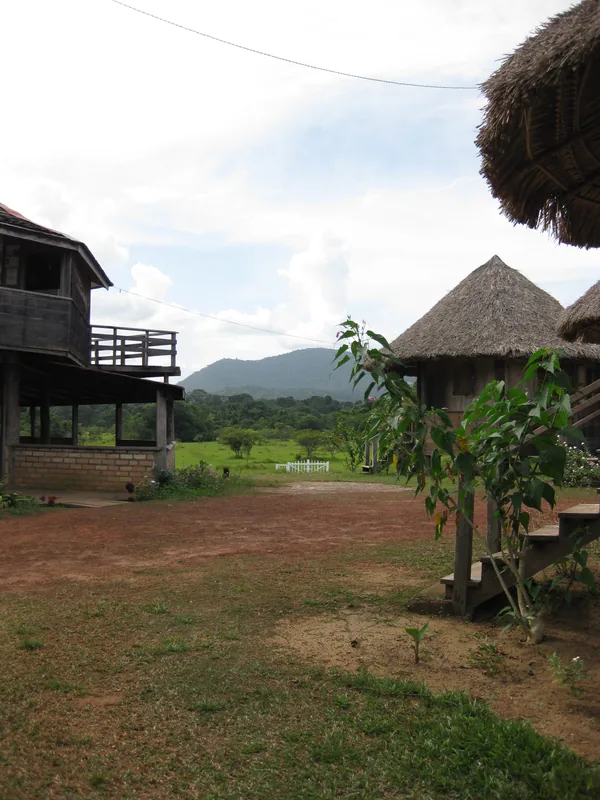
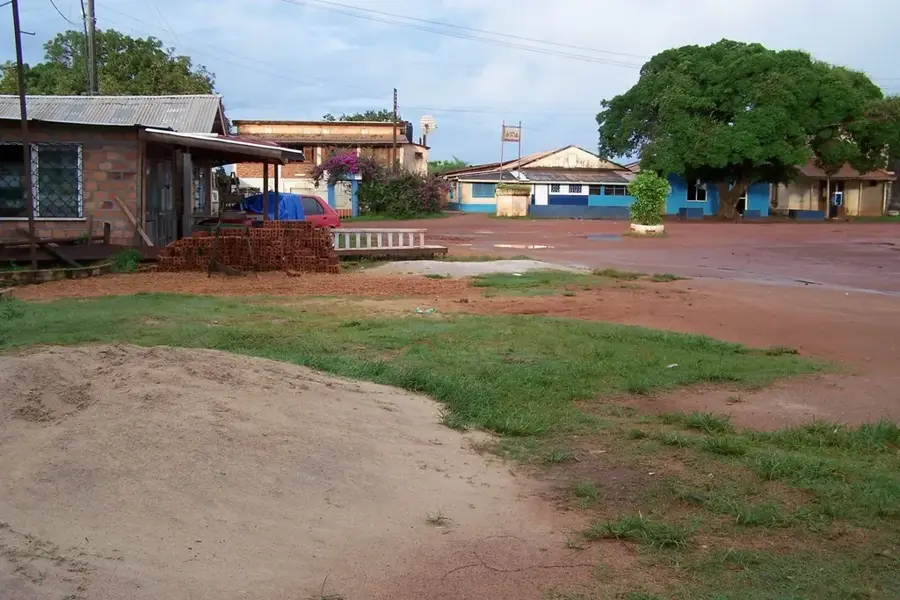
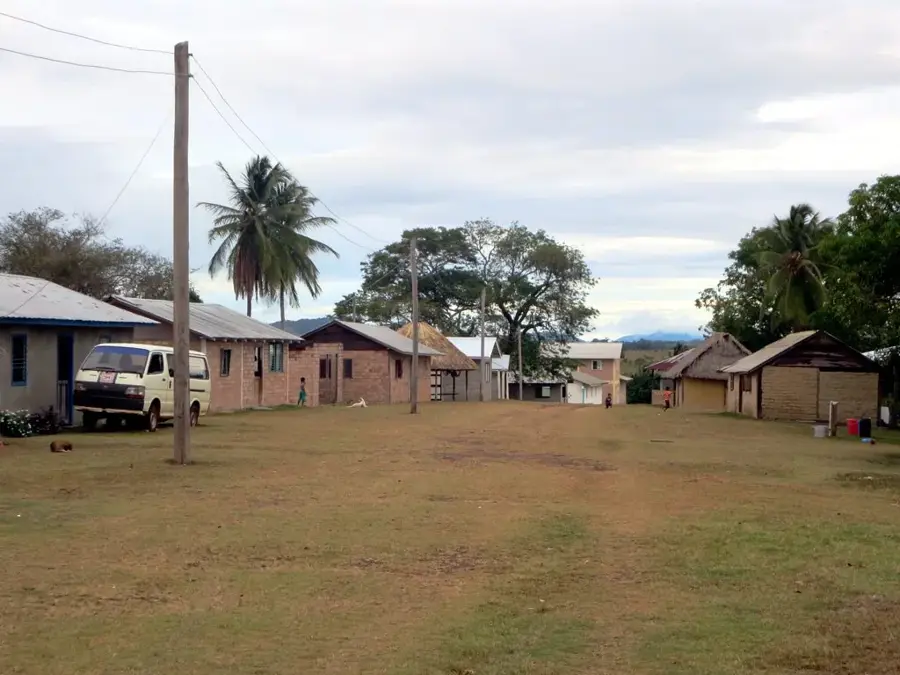
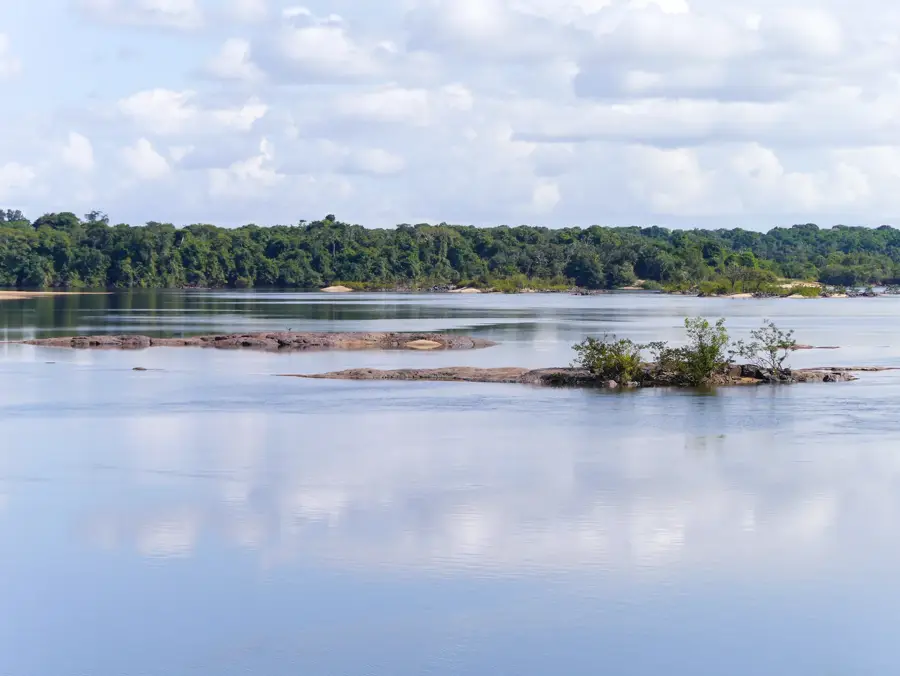
Surama is an award-winning indigenous village in the North Rupununi region of Guyana, internationally recognized as a pioneer in community-led ecotourism. Set in a five-square-mile savannah valley surrounded by the Pakaraima Mountains and dense tropical rainforest, it provides a memorable natural backdrop. The residents, mostly of the Macushi tribe, have created a sustainable development model that balances biodiversity conservation with community welfare. Travelers to Surama can experience authentic indigenous culture, trek the Surama Mountain trails, or navigate the Burro-Burro River to spot giant otters and elusive jaguars. The village operates as a collective, ensuring that tourism revenue directly funds local social services such as primary schooling and healthcare. Beyond tourism, Surama serves as a vital research site for biologists studying the complex transition zones between savannah and forest ecosystems. The village layout and architecture reflect a harmonious blend of traditional building techniques and modern functionality.
- Location: Guyana
- Nearby: Annai (14 km)
Best time to visit & climate
The most pleasant time to visit is Jan, Feb, Sep.
| Jan | Feb | Mar | Apr | May | Jun | Jul | Aug | Sep | Oct | Nov | Dec | |
|---|---|---|---|---|---|---|---|---|---|---|---|---|
| Avg °C | 27 | 28 | 28 | 28 | 26 | 25 | 25 | 26 | 27 | 28 | 28 | 27 |
| Rain mm | 62 | 59 | 52 | 111 | 248 | 255 | 229 | 164 | 72 | 58 | 59 | 83 |
Geography
Facts
- Pioneer of community-based ecotourism in Guyana
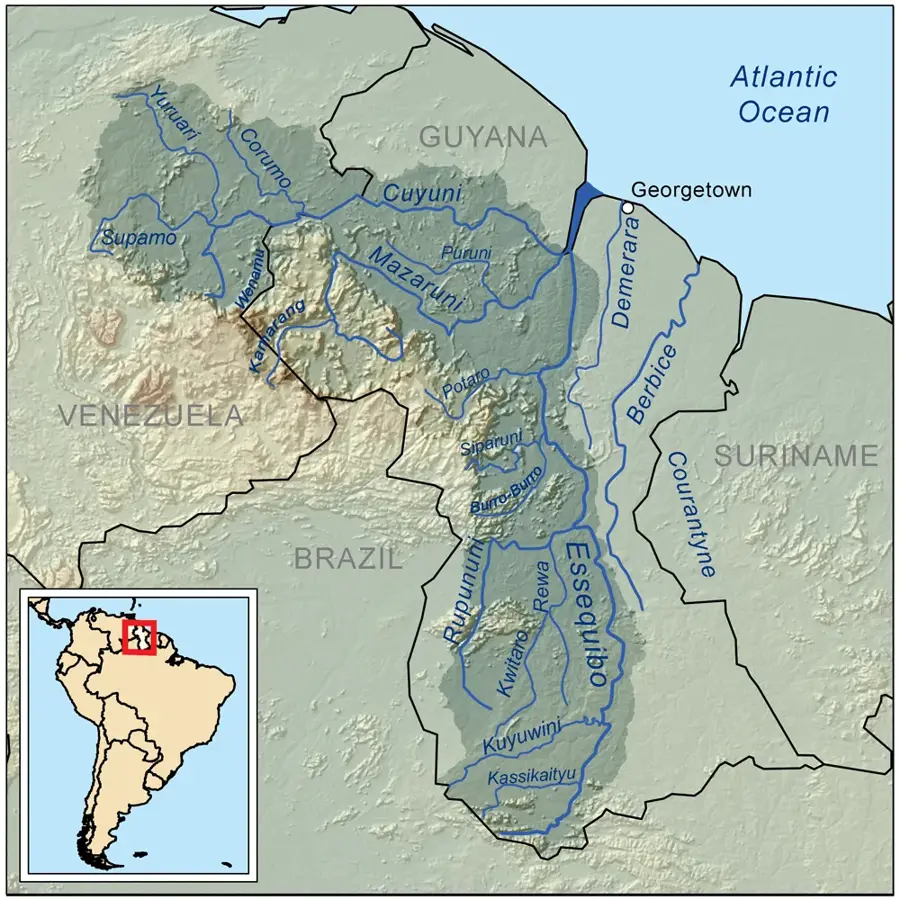
- Located in Region 9 (Upper Takutu-Upper Essequibo)
- Home to the Macushi indigenous community
- Situated along the banks of the Burro-Burro River
- Manages its own 12-square-mile conservation area
- Recipient of multiple international excellence awards in tourism
Explore nearby
Notable places around



Route planner — Car & Motorhome
Where do you start? We build the route here, with stops and country notes along the way.
© OpenStreetMap contributors · OpenRouteService
Sights in the town Surama (1)
Frequently asked questions
What makes Surama special?
Do I need to book a guide?
Can you see harpy eagles?
How can one stay overnight in Surama?
How difficult are the hikes?
Surama: where is it located?
Surama: when is the best time to visit?
Surama: why is it worth visiting?
Nearby cities

History & landmarks
Nature
More places