Plizio Visual Lab
Gunns

ℹ️Practical info — Gunns
▾
🌤 Weather — 5 days
📍 Nearby
Sights nearby
💡 Tips
- Access to this remote Wai-Wai village is extremely limited; coordinate with specialized eco-tour operators and secure permission from the Toshao (chief) beforehand.
- There are no ATMs or modern shops; bring all necessary supplies, including specialized medication and cash.
- Strict anti-malaria precautions are absolutely mandatory in this deep rainforest region.
- Respect local traditions; always ask for permission before photographing the villagers or their homes.
🍽 Food
A traditional, thick flatbread made from processed cassava, serving as a staple for every meal.
Fresh fish caught from the Essequibo River, usually roasted or boiled in a savory broth by the locals.
A mildly alcoholic, traditional indigenous drink fermented from cassava. It is often offered to welcomed guests.
🛍 Shopping · 🧘 Quiet spots
Purchase authentic, intricately woven baskets and beadwork directly from the artisans.
The Wai-Wai are renowned for their craftsmanship; ask locals if they have beautifully carved bows and arrows for sale.
Sit quietly by the upper reaches of the river, surrounded by the untouched Amazonian rainforest.
Walk the nearby hunting paths with a local guide to experience the profound silence of the deep jungle.
Water temperature…
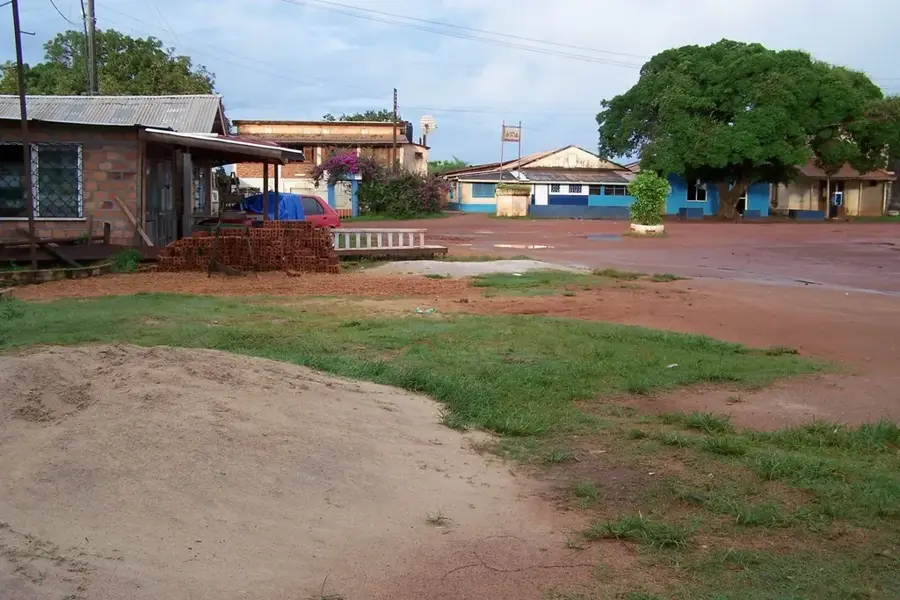
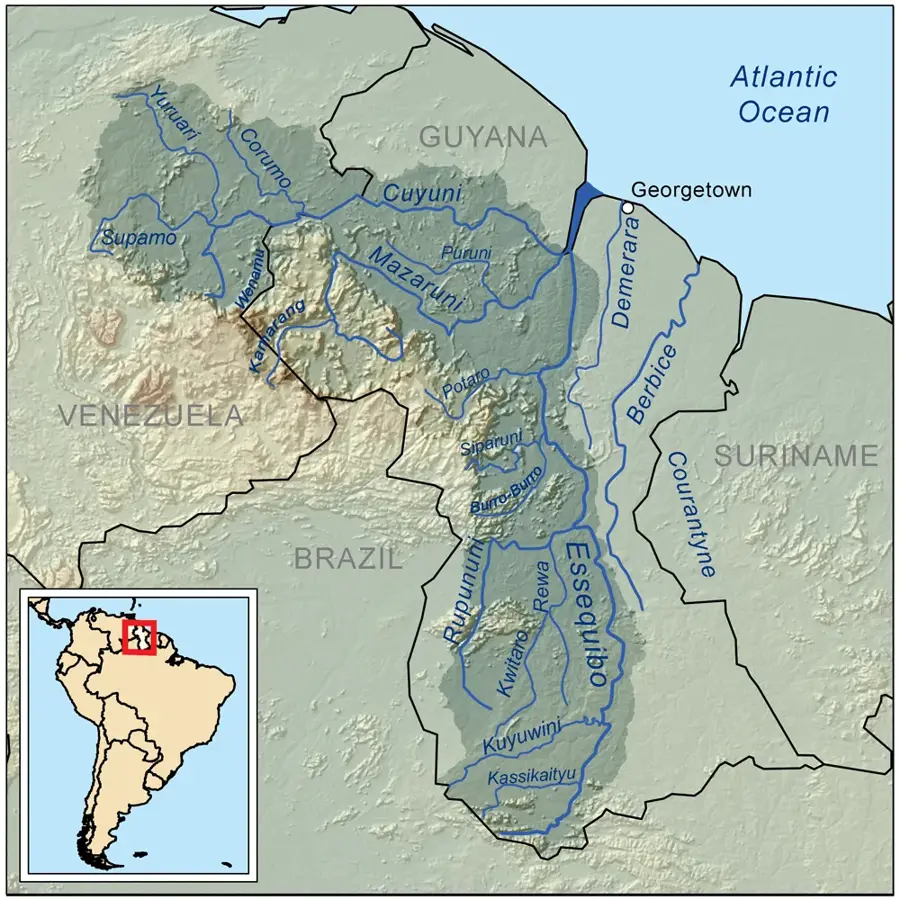
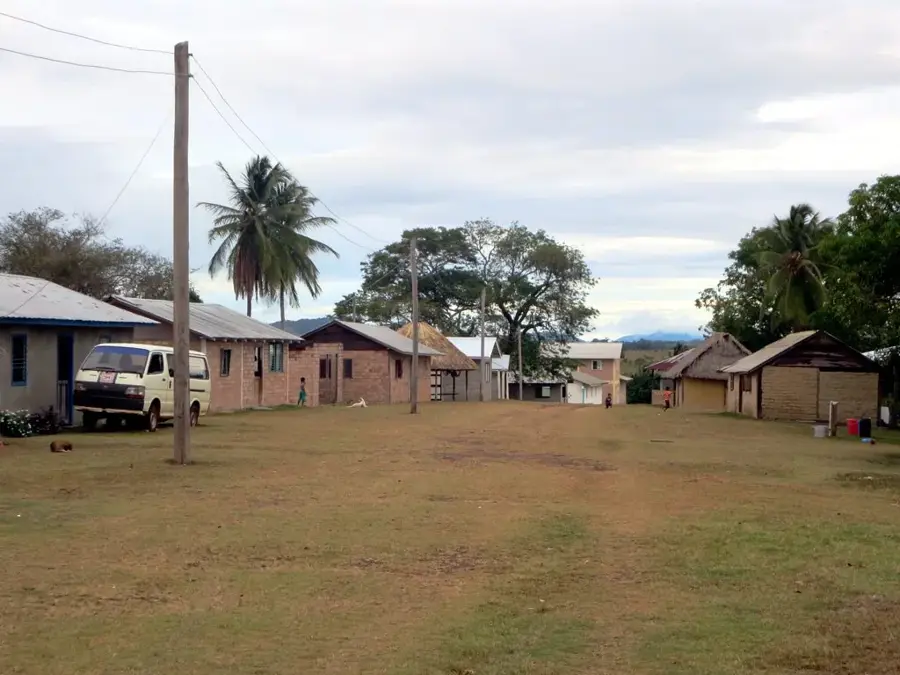
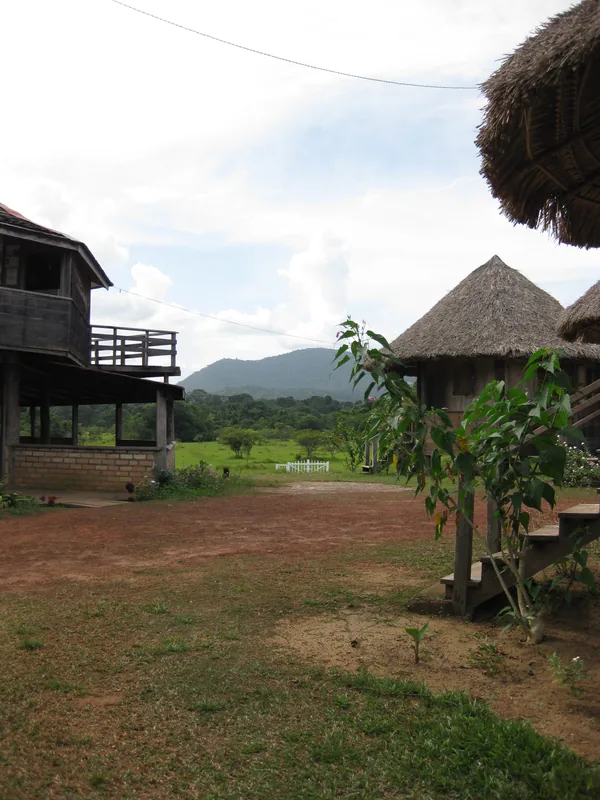
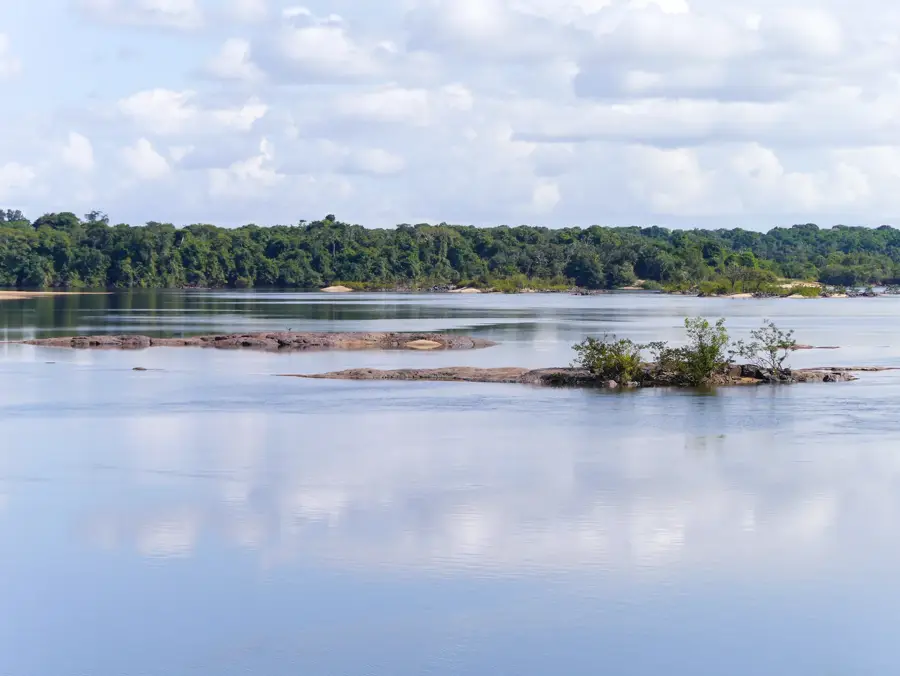
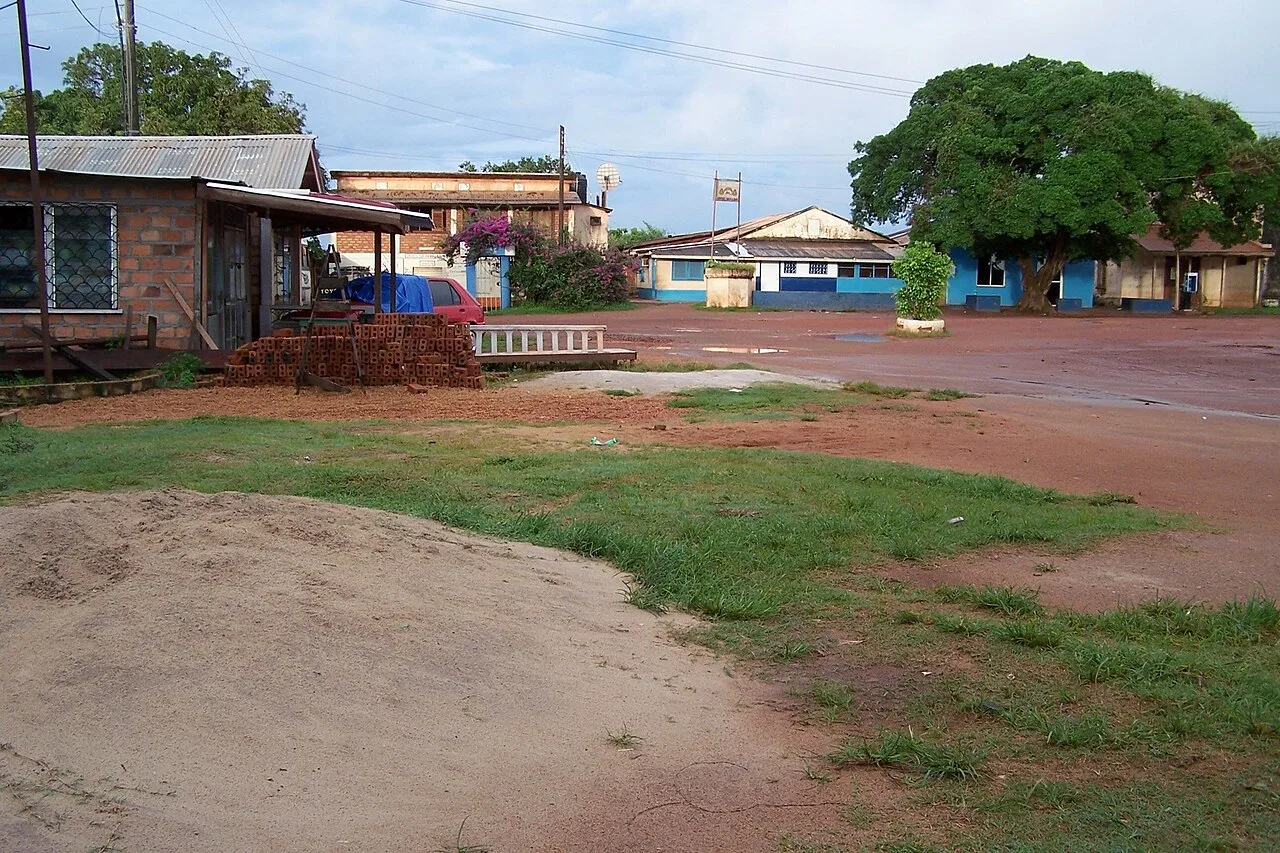
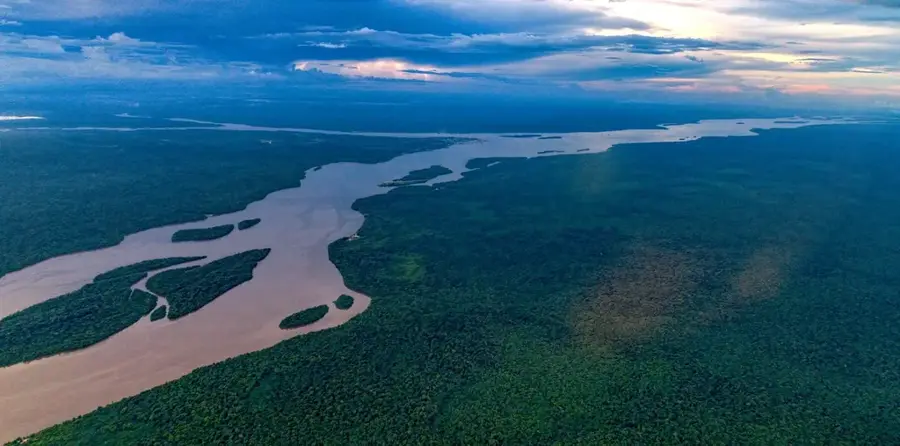
Gunns, also known as Masakenari, is a remote indigenous settlement of the Wai-Wai people located in the far south of Guyana near the Brazilian border. The village is the focal point of the Konashen Community-Owned Conservation Area, which was established in 2007 as Guyana's first community-managed protected area covering over 600,000 hectares. The inhabitants maintain a traditional lifestyle centered on hunting, fishing, and subsistence farming while serving as stewards of the pristine tropical rainforest. Access to the community is extremely limited, typically requiring a flight to the local airstrip or a multi-day canoe journey up the Essequibo River. Geographically, it marks one of the southernmost inhabited locations in Guyana and is critical for the conservation of the upper Essequibo basin's biodiversity. The Wai-Wai cultural heritage remains bustling here, with traditional crafts and the Wai-Wai language continuing to play a central role in the daily lives of the residents.
Best time to visit & climate
The most pleasant time to visit is Jan, Nov, Dec.
| Jan | Feb | Mar | Apr | May | Jun | Jul | Aug | Sep | Oct | Nov | Dec | |
|---|---|---|---|---|---|---|---|---|---|---|---|---|
| Avg °C | 27 | 27 | 27 | 26 | 25 | 25 | 25 | 25 | 26 | 27 | 27 | 27 |
| Rain mm | 47 | 61 | 84 | 164 | 286 | 257 | 217 | 154 | 83 | 62 | 50 | 53 |
Geography
Facts
- Gunns is located in the Upper Takutu-Upper Essequibo region of southern Guyana.
- The Konashen Conservation Area covers approximately 3% of Guyana's landmass.
- The Wai-Wai people received formal land title to the area in 2007.
- Transport to the village is primarily via the Gunns Strip airstrip.
- The area is home to numerous endangered species, including the giant otter.
- The community functions as a primary guardian of the southern border region.
Explore nearby
Notable places around


Route planner — Car & Motorhome
Where do you start? We build the route here, with stops and country notes along the way.
© OpenStreetMap contributors · OpenRouteService
Sights in the town Gunns (1)
Frequently asked questions
How remote is Gunns Strip?
Do I need a permit to visit?
What is special about the nature there?
Are there scheduled flights there?
What do the locals eat?
Gunns: where is it located?
Gunns: when is the best time to visit?
Gunns: why is it worth visiting?

Nearby cities
History & landmarks
Nature
More places