Plizio Visual Lab
Rupununi River
Weather…
Water temperature…
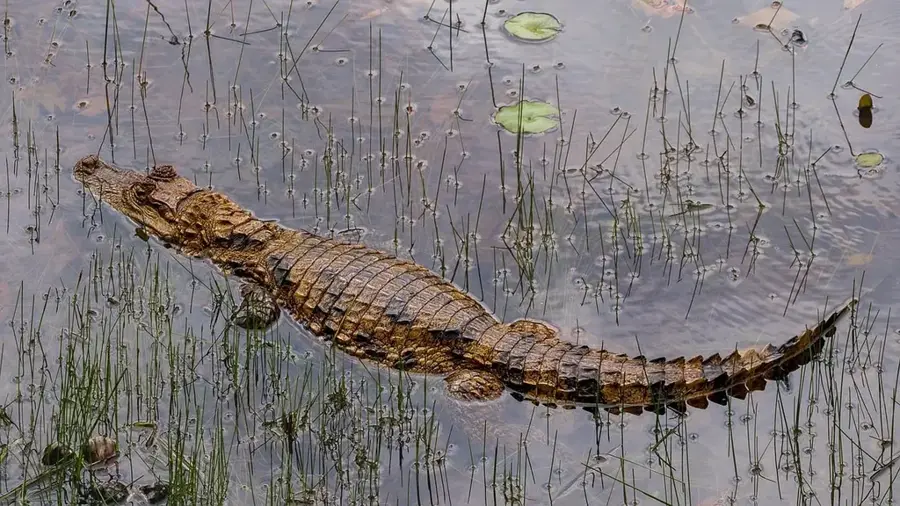
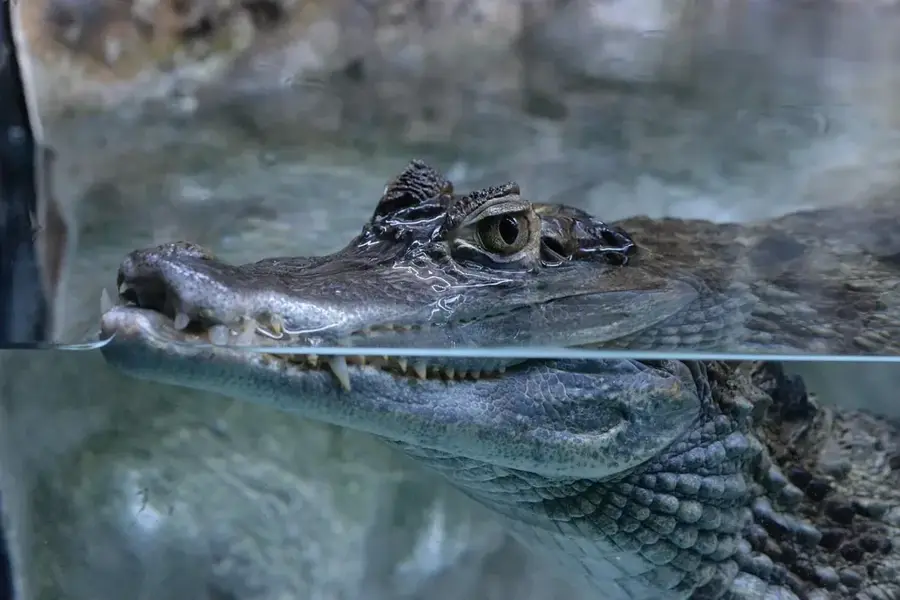
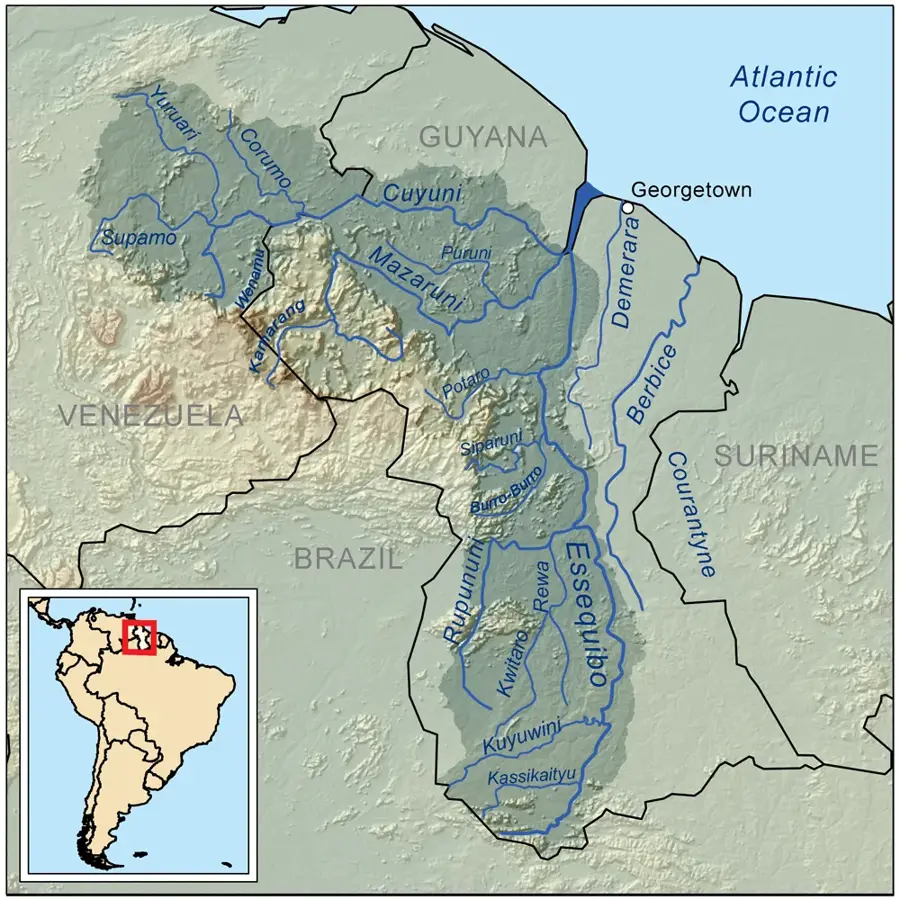
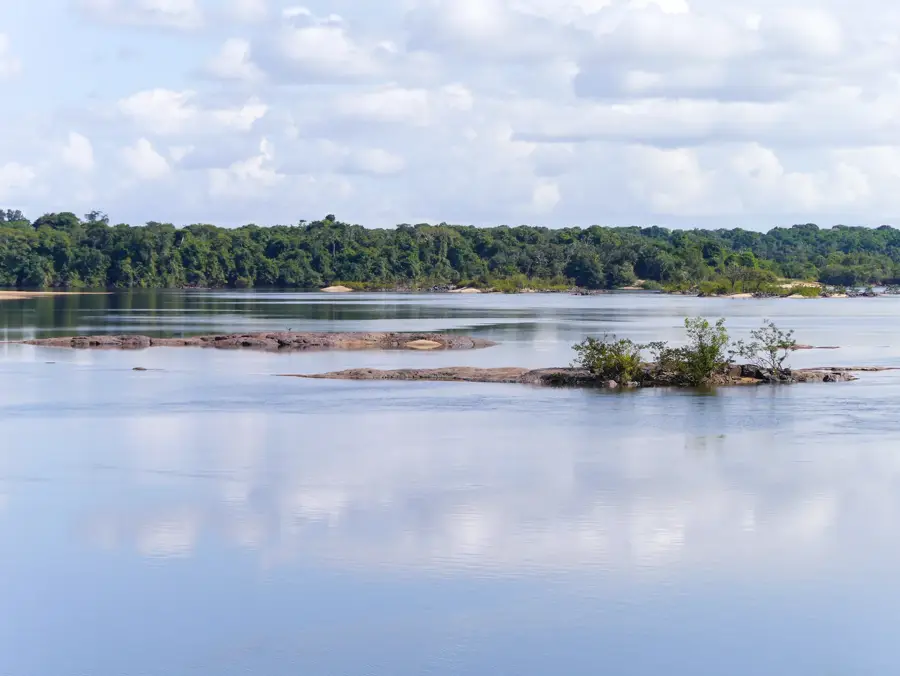
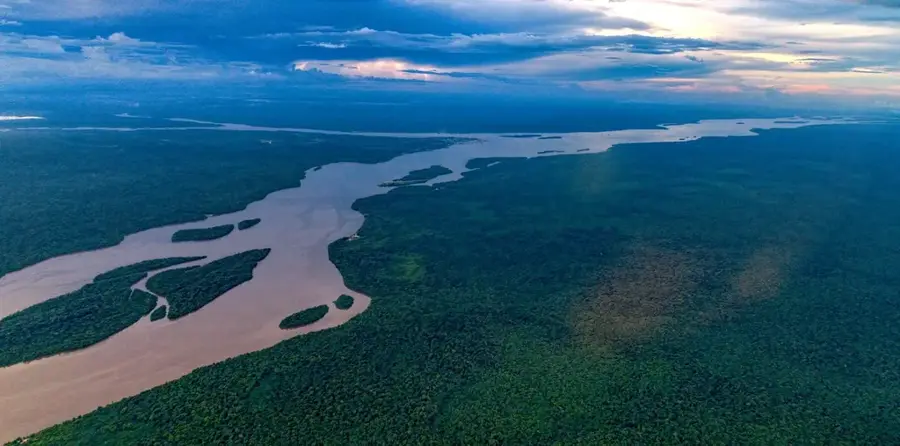
The Rupununi River is a lifeline of southern Guyana, flowing through the vast Rupununi Savannahs and serving as a critical biological corridor. Originating in the Kanuku Mountains, it flows northward for approximately 400 kilometers before joining the Essequibo River. A remarkable geographical feature of the Rupununi is its seasonal connection to the Amazon River basin; during the rainy season, flooding of the Pirara Creek creates a hydrological link between the Essequibo and the Rio Branco in Brazil. This seasonal flood facilitates the movement of aquatic species between two of South America's greatest river systems. The river is a sanctuary for endangered wildlife, including the black caiman, giant river otter, and the Arapaima, one of the world's largest freshwater fish. The surrounding savannahs and gallery forests are the ancestral lands of the Wapishana and Macushi indigenous peoples, whose culture is intricately tied to the river's cycles. Today, the Rupununi is a premier destination for ecotourism and scientific research, offering a rare glimpse into a pristine and complex tropical ecosystem.
- Location: Guyana
- Nearby: Rewa (21 km)
Best time to visit & climate
The most pleasant time to visit is Jan, Feb, Sep.
| Jan | Feb | Mar | Apr | May | Jun | Jul | Aug | Sep | Oct | Nov | Dec | |
|---|---|---|---|---|---|---|---|---|---|---|---|---|
| Avg °C | 27 | 28 | 28 | 28 | 26 | 25 | 25 | 26 | 27 | 28 | 28 | 27 |
| Rain mm | 62 | 59 | 52 | 111 | 248 | 255 | 229 | 164 | 72 | 58 | 59 | 83 |
📋 Practical info
Geography
Facts
- The river spans a total length of approximately 400 kilometers.
- It provides a seasonal hydrological link between the Essequibo and Amazon basins.
- The Rupununi is home to more than 400 species of fish.
- It is one of the few places to see the black caiman in its natural habitat.
- The indigenous communities manage several conservation areas along the river.
- The river's name is derived from a local word referring to a type of rock.
Explore nearby
Notable places around



Route planner — Car & Motorhome
Where do you start? We build the route here, with stops and country notes along the way.
© OpenStreetMap contributors · OpenRouteService
Sights nearby
Frequently asked questions
Where is the Rupununi River located?
Can giant otters be seen here?
When is the best time for a safari?
Are there caimans there?
Which plants are typical?
Rupununi River: where is it located?
Rupununi River: when is the best time to visit?
Rupununi River: why is it worth visiting?
Nearby cities

History & landmarks
Nature
More places