Plizio Visual Lab
Shabunda
ℹ️Practical info — Shabunda
▾
🌤 Weather — 5 days
📍 Nearby
Sights nearby
💡 Tips
- Accessing Shabunda often requires small charter flights, as road travel through the dense forest is extremely difficult.
- Electricity is very limited; bring reliable power banks and a good solar charger.
- The area is heavily forested; robust mosquito repellent and malaria prophylaxis are absolute necessities.
- Communication networks can be spotty, so inform someone of your itinerary before you arrive.
🍽 Food
Locals rely on the forest for protein; you might find unique local game meats at small dining spots.
A dense, starchy staple often served alongside local soups or stews made with palm oil.
Often roasted or boiled, peanuts are a common, safe, and nutritious snack found in the village.
🛍 Shopping · 🧘 Quiet spots
Small vendors congregate near the airstrip to sell goods brought in by the planes.
Look for local stalls selling wild honey or specific forest plants used in local medicine.
Find a calm spot by the river to watch the slow-paced local fishing activities.
Walk just to the edge of the town limits to experience the overwhelming scale and silence of the deep forest.
Water temperature…
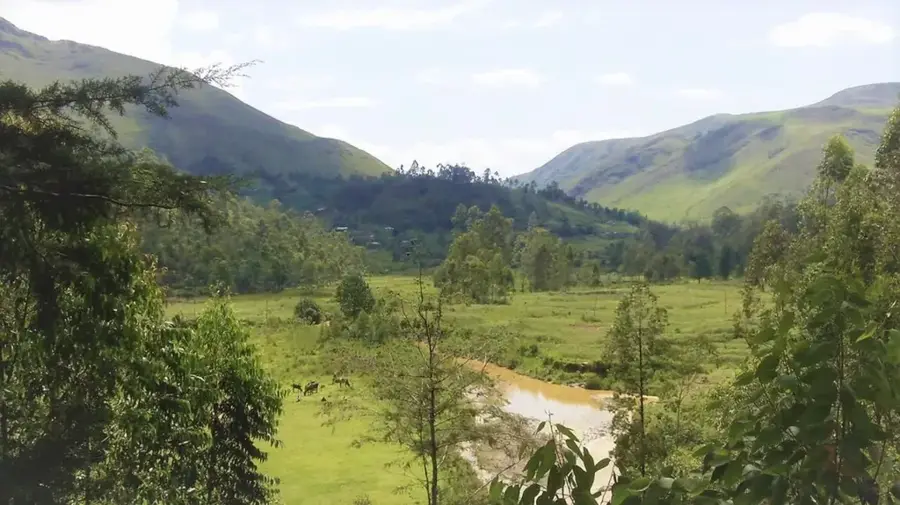
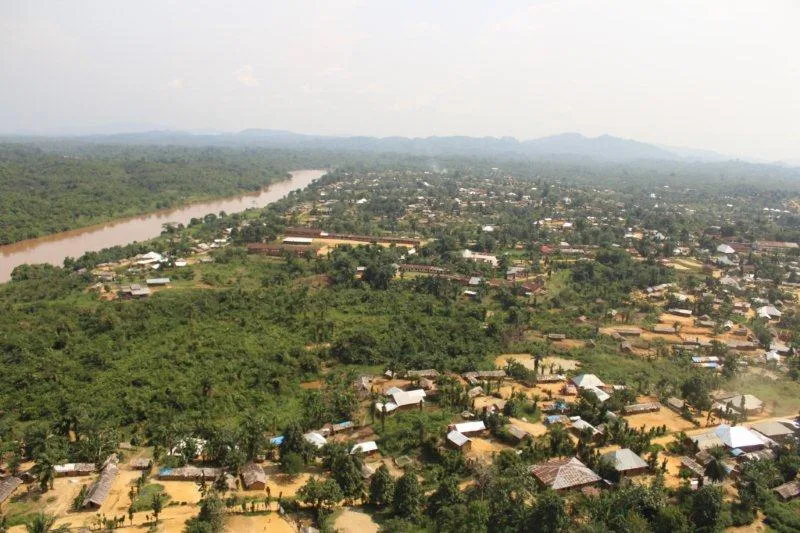
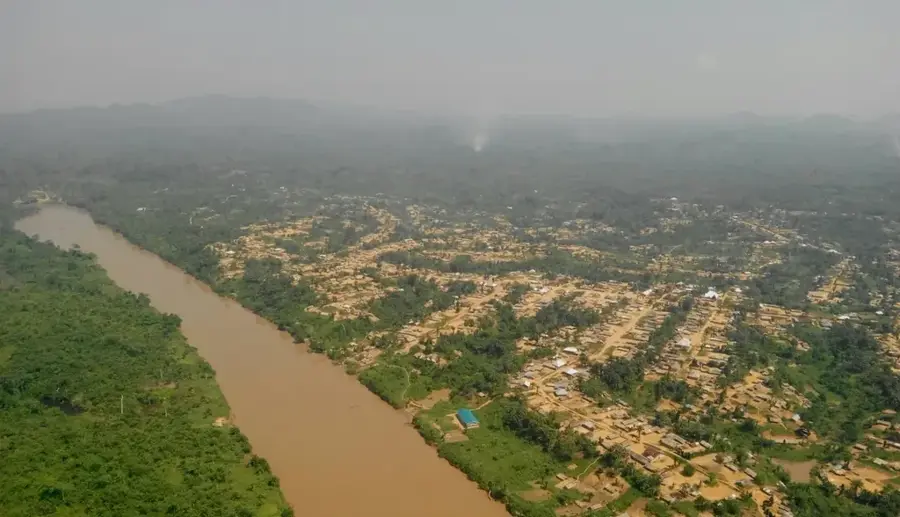
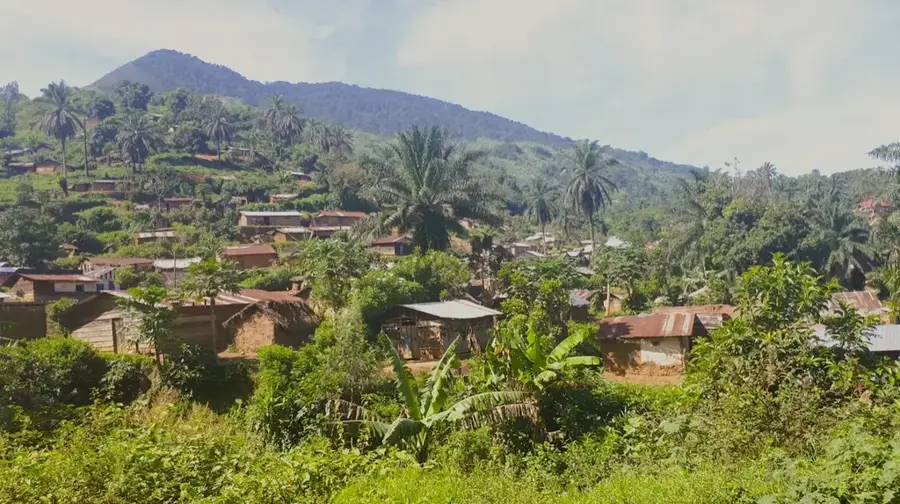
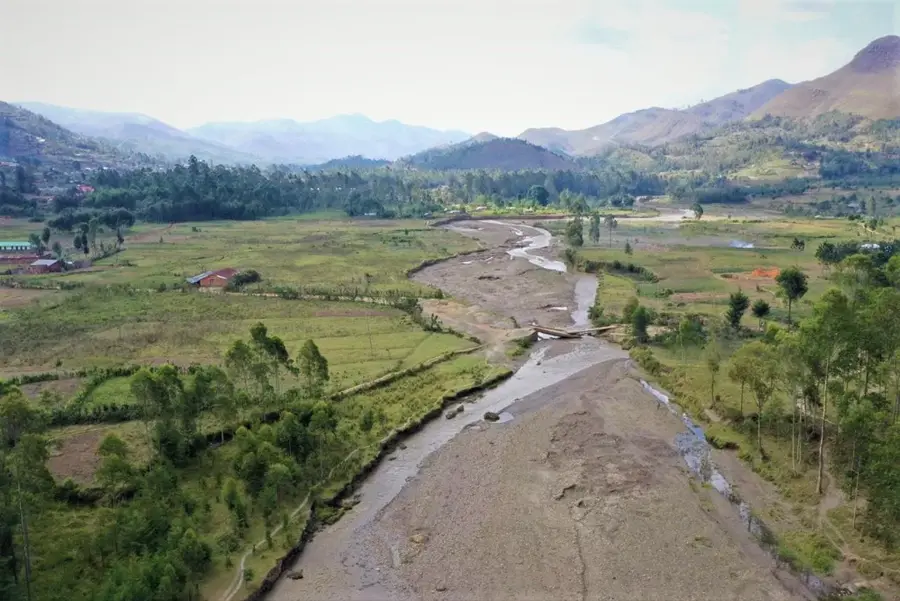
Shabunda is a vast territory and a namesake town in South Kivu province, regarded as one of the most isolated regions in the Democratic Republic of the Congo. Geographically, the area is almost entirely covered by dense tropical rainforest and is traversed by numerous rivers, including the Ulindi River. Due to the absence of functional roads, the town of Shabunda is accessible almost exclusively by air, which drastically increases the cost of living. The region possesses enormous gold deposits that form the foundation of the local economy and attract thousands of artisanal miners. Historically, Shabunda served as a refuge for refugees and rebels during the Congo wars, leaving deep scars on the social fabric. The dense forests host exceptional biodiversity but are threatened by illegal logging and mining activities. The population survives mainly through subsistence farming and artisanal mining under challenging conditions. This isolation has allowed Shabunda to maintain a very distinct local identity, though one marked by extreme economic neglect.
- Location: Congo - Kinshasa
- Nearby: Kalima (83 km)
Best time to visit & climate
The most pleasant time to visit is Jun–Aug.
| Jan | Feb | Mar | Apr | May | Jun | Jul | Aug | Sep | Oct | Nov | Dec | |
|---|---|---|---|---|---|---|---|---|---|---|---|---|
| Avg °C | 23 | 24 | 24 | 24 | 24 | 23 | 23 | 24 | 23 | 23 | 23 | 23 |
| Rain mm | 190 | 183 | 263 | 214 | 142 | 66 | 52 | 129 | 214 | 279 | 356 | 250 |
Geography
Facts
- Shabunda is the largest territory within the South Kivu province.
- The town is an 'island in the forest' and mostly accessible only by air.
- The Ulindi River serves as a major transport route for local dugout canoes.
- The region is one of the richest sources of gold in the country.
- Living costs are among the highest in Congo due to its extreme isolation.
- Shabunda hosts vast areas of untouched primary tropical rainforest.
Explore nearby
Notable places around



Route planner — Car & Motorhome
Where do you start? We build the route here, with stops and country notes along the way.
© OpenStreetMap contributors · OpenRouteService
Sights in the town Shabunda (1)
Frequently asked questions
Why is Shabunda considered isolated?
How to get to Shabunda?
What is the main economic commodity?
What is nature like in Shabunda?
Which ethnic group dominates in Shabunda?
Shabunda: where is it located?
Shabunda: when is the best time to visit?
Shabunda: why is it worth visiting?

Nearby cities
History & landmarks


More places