Plizio Visual Lab
Itombwe Massif
Weather…
Water temperature…
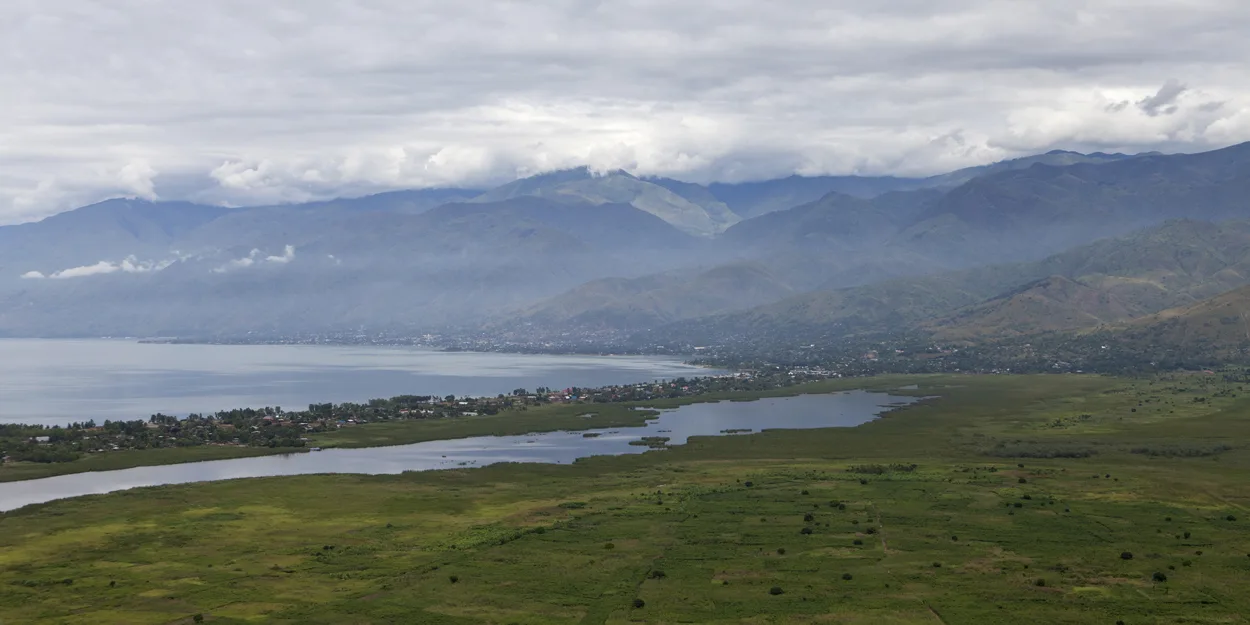
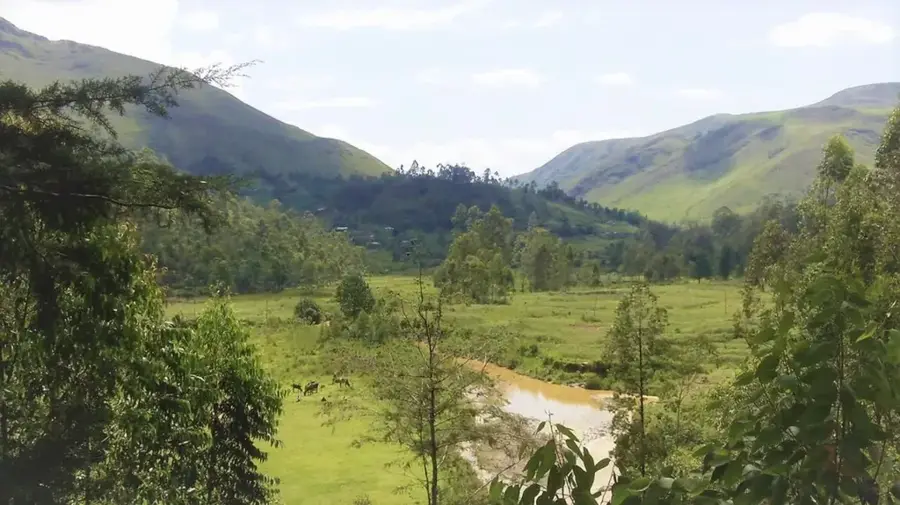
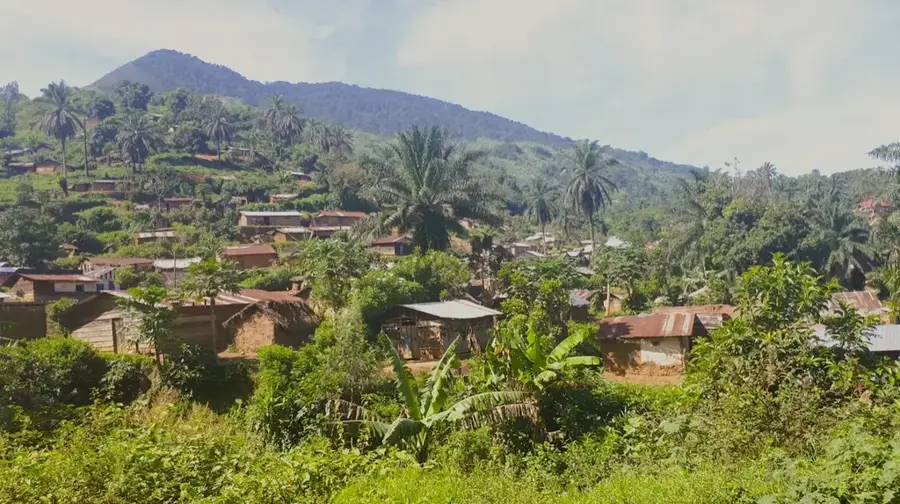
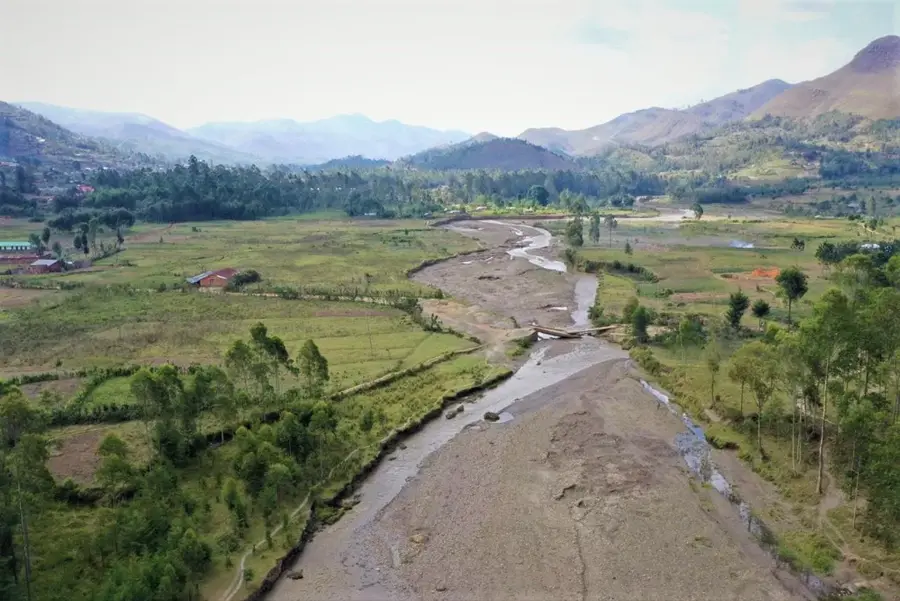
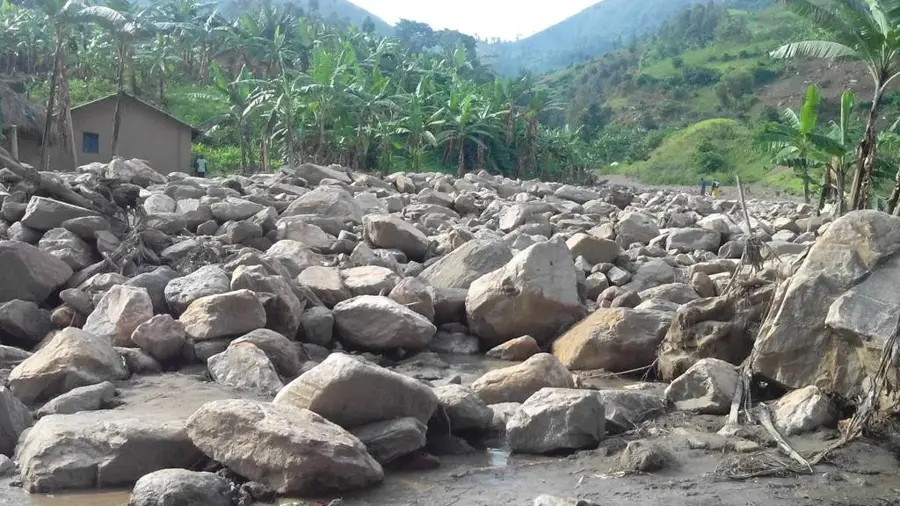
The Itombwe Massif is an extensive and rugged mountain massif in the Sud-Kivu province in the eastern Democratic Republic of Congo. It is part of the Albertine Rift mountains and is considered one of the most important, but also most threatened, biodiversity hotspots in Africa. The peaks reach altitudes of over 3,400 meters, with Mount Mohi being the highest point at 3,475 meters. The massif is the source of several large rivers, including the Ulindi and the Elila. The region is home to an exceptional diversity of endemic species, particularly birds, amphibians, and primates, including one of the largest remaining populations of the Eastern Lowland Gorilla (Gorilla beringei graueri). The forests and high-altitude swamps of Itombwe are crucial for water storage and climate regulation. However, the area is severely threatened by deforestation for agriculture, mining (coltan, gold), and intense poaching. A part of the area was designated a nature reserve in 2016, but its protection remains a major challenge.
- Location: Congo - Kinshasa
- Nearby: Mwenga (46 km)
Best time to visit & climate
The most pleasant time to visit is Jun–Aug.
| Jan | Feb | Mar | Apr | May | Jun | Jul | Aug | Sep | Oct | Nov | Dec | |
|---|---|---|---|---|---|---|---|---|---|---|---|---|
| Avg °C | 16 | 16 | 16 | 16 | 15 | 14 | 13 | 15 | 16 | 16 | 16 | 16 |
| Rain mm | 194 | 164 | 216 | 214 | 94 | 29 | 15 | 42 | 98 | 173 | 338 | 210 |
📋 Practical info
Geography
Facts
- Highest point: Mount Mohi (3,475 m)
- Part of the Albertine Rift mountains
- Source of the Ulindi and Elila rivers
- Important habitat for the Eastern Lowland Gorilla
- Biodiversity hotspot with many endemic species
- Partially designated a nature reserve in 2016
Explore nearby
Notable places around


Route planner — Car & Motorhome
Where do you start? We build the route here, with stops and country notes along the way.
© OpenStreetMap contributors · OpenRouteService
Sights nearby
Frequently asked questions
What is the Itombwe-Massiv?
Are there gorillas there?
How is the terrain?
Do I need a guide?
How do you reach the massif?
Itombwe Massif: where is it located?
Itombwe Massif: when is the best time to visit?
Itombwe Massif: why is it worth visiting?

Nearby cities
History & landmarks

More places