Plizio Visual Lab

Ulindi River
Plizio editorial teamData Sources
River
—°
Ulindi River (Congo - Kinshasa)

Weather…

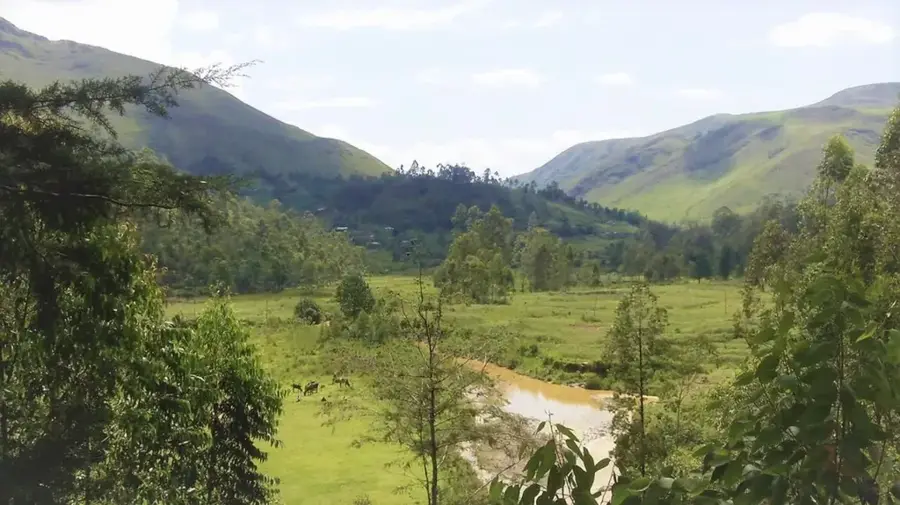
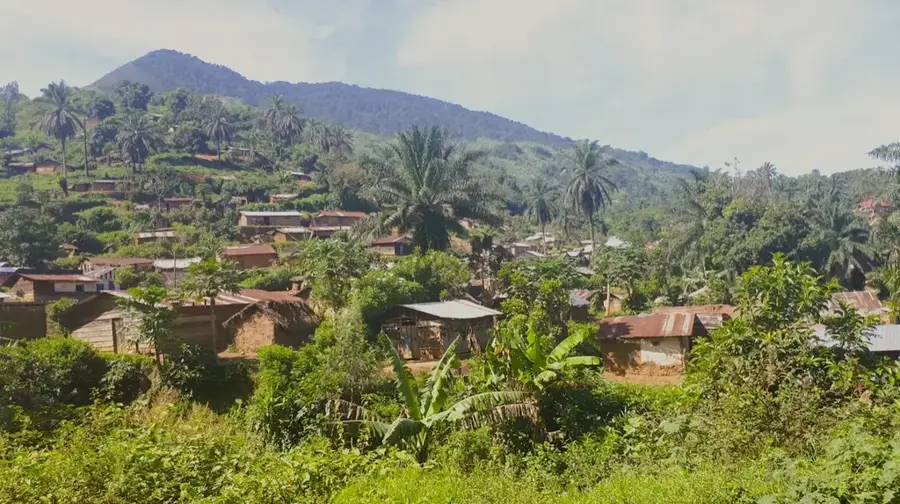
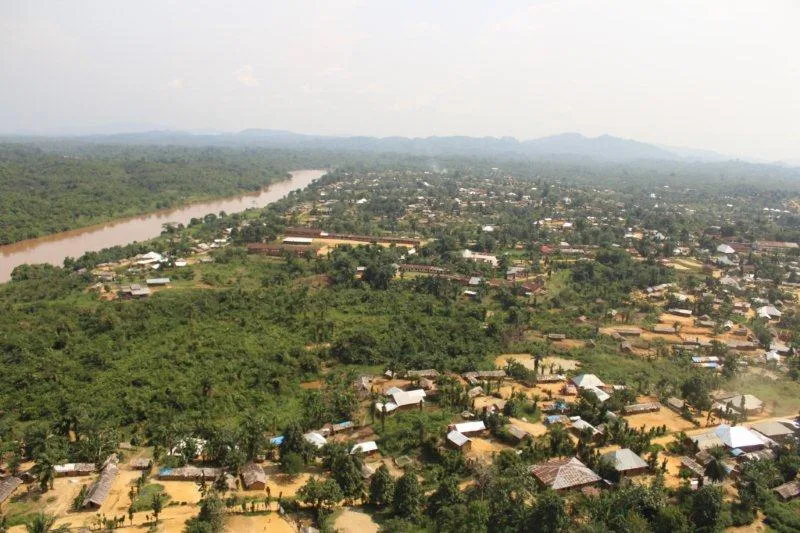
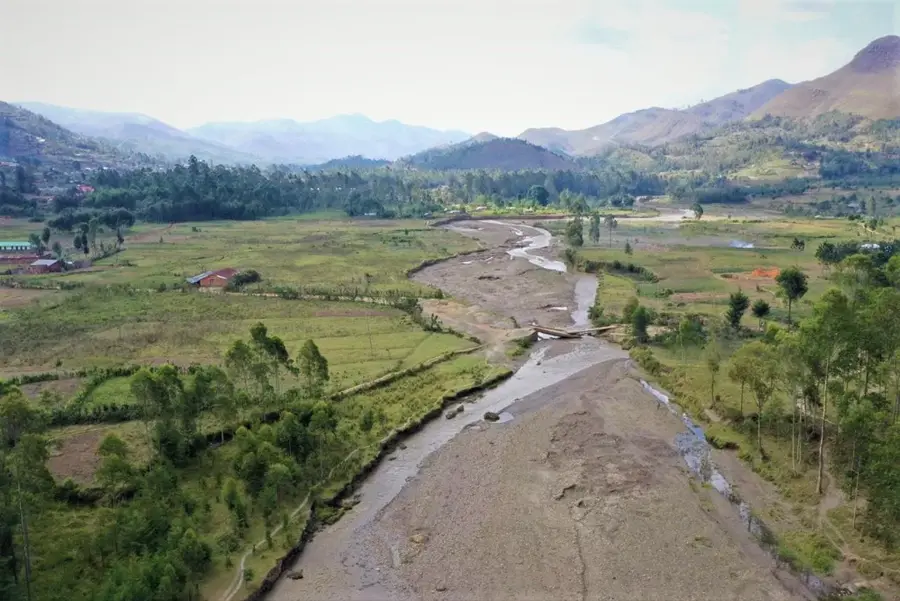
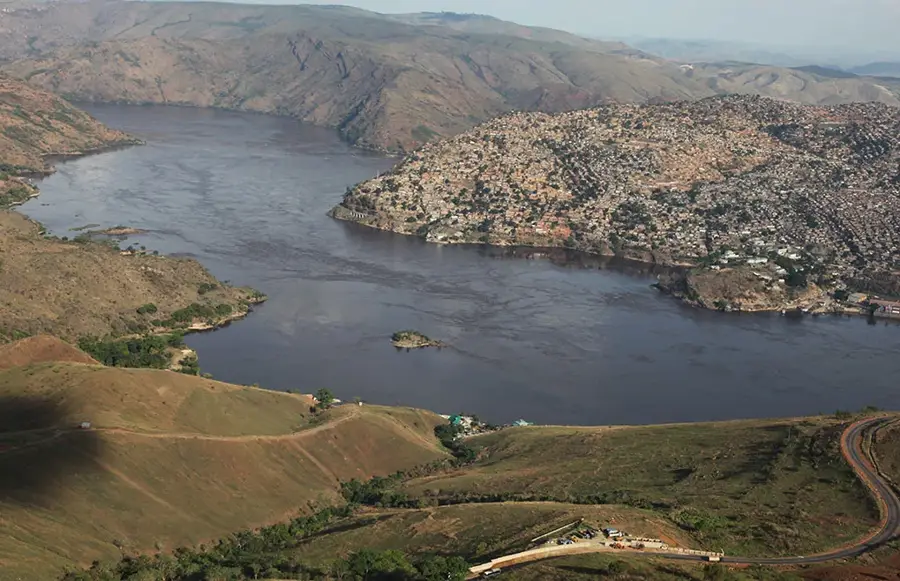
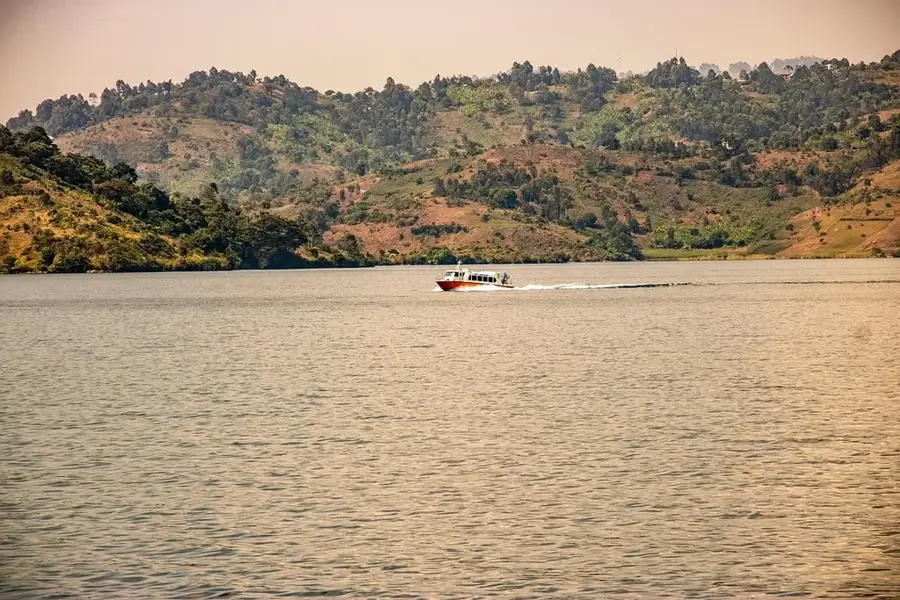
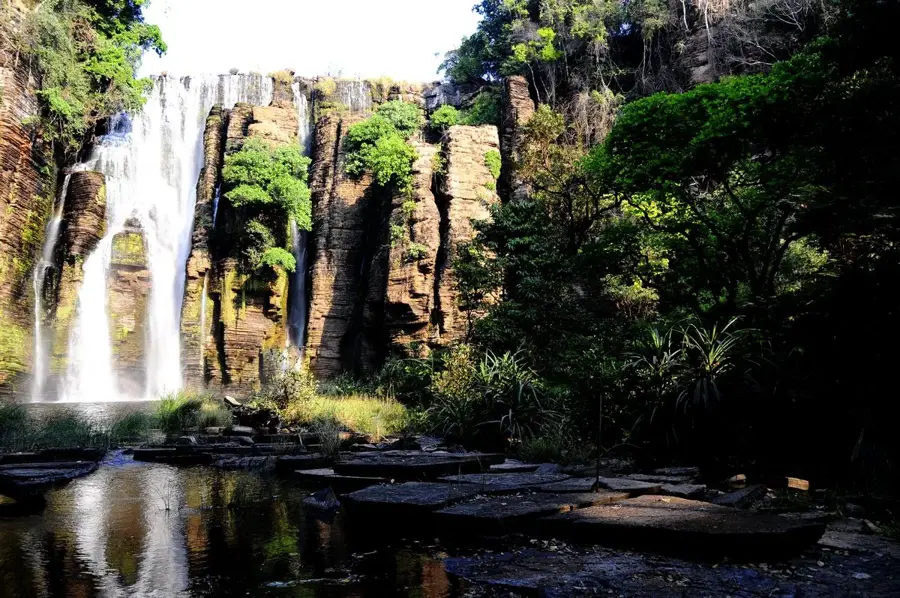
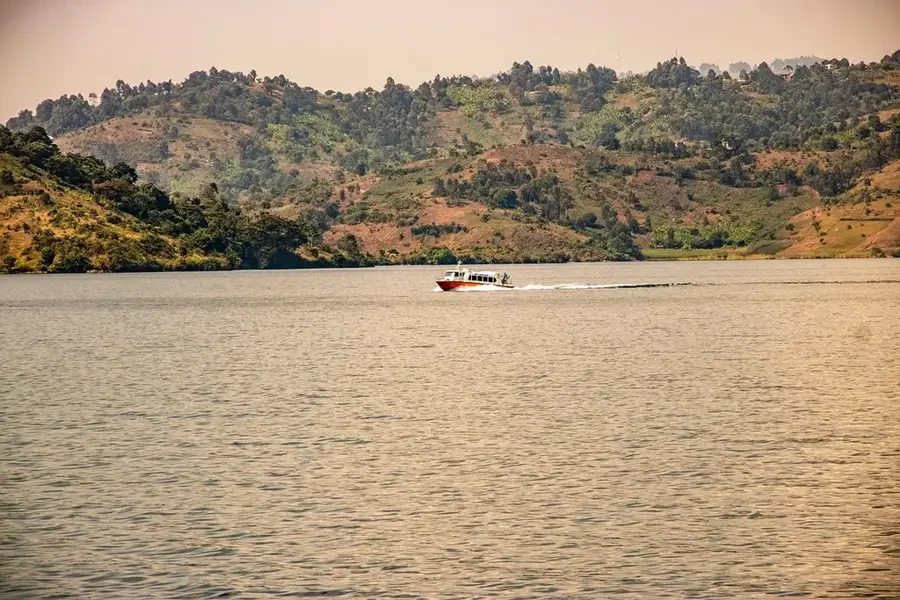
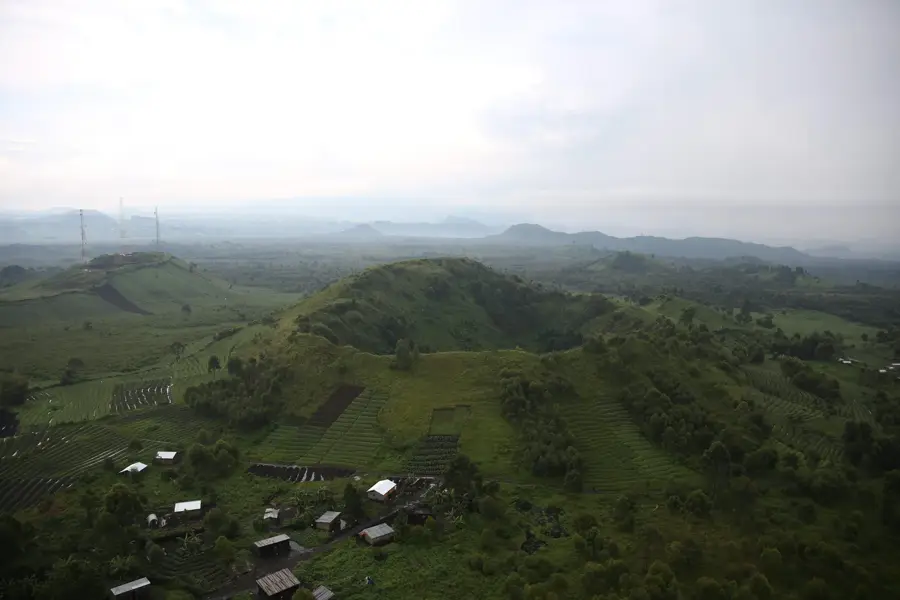
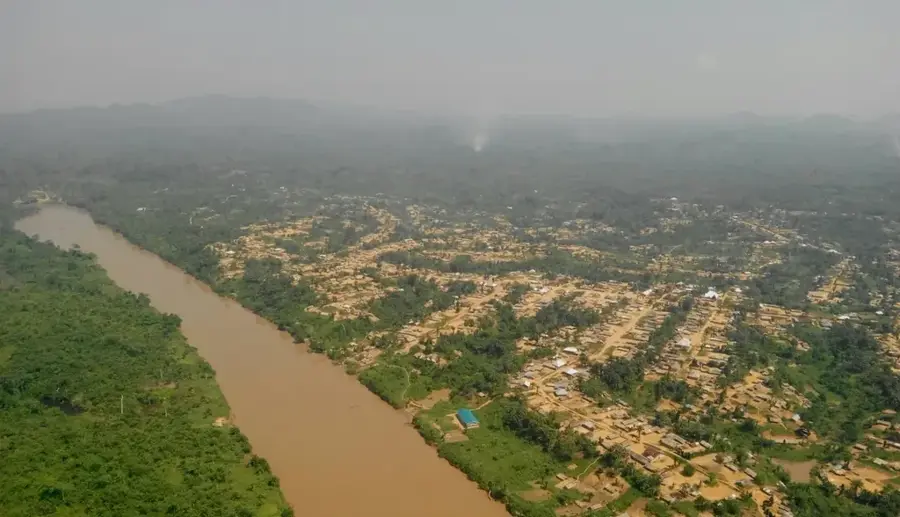
The Ulindi River is a river in the eastern Democratic Republic of Congo and another important tributary of the Lualaba River. Its sources are in the Itombwe Massif near the border with Burundi and Rwanda, and it flows westward for over 470 kilometers before joining the Lualaba. The upper course of the river is steep and rocky, while the lower part flows through the central Congo Basin, becoming wider and slower. The Ulindi's catchment area is known for its wealth of minerals, particularly gold and coltan, which has led to intense artisanal mining in the region. However, these activities have caused significant ecological and social problems, including deforestation and conflicts. The river is also an important habitat for various fish species and crocodiles. It traverses areas of great biological diversity that are under intense pressure from human activities. For local residents, the Ulindi serves as a source of drinking water, fishing, and as a transportation route.

Best time to visit & climate

The most pleasant time to visit is Jun–Aug.

JanFebMarAprMayJunJulAugSepOctNovDec
Avg °C222323222222222222222222
Rain mm173153216172113473395169240323206

📋 Practical info

🧭
Getting there
Access to this remote mountain river is challenging and usually requires a combination of robust off-road vehicles and local knowledge of the unpaved forest tracks. Visitors should expect a long journey from the nearest urban centers, often involving navigating difficult terrain that can become impassable during the peak of the rainy season.
📅
Best season
The best time to visit is during the drier months when water levels are more stable and the surrounding tracks are in better condition for travel. During the heavy rainy seasons, the river flow increases dramatically and the humidity levels in the tropical forest can make trekking in the area significantly more demanding.
⛰️
Terrain & paths
The river flows through a rugged landscape characterized by steep mountain slopes and dense tropical vegetation that often reaches right down to the water's edge. Footpaths in the area are often narrow and can be slippery, requiring a good sense of balance and physical fitness to navigate the rocky and uneven riverbanks safely.
🎒
What to bring
Strong, waterproof hiking boots with excellent grip are vital, alongside lightweight and breathable clothing suitable for a humid tropical climate. It is also recommended to carry high-quality water purification tools, a comprehensive first-aid kit, and reliable insect repellent to protect against the numerous tropical insects found in the valley.
🅿️
Parking
Formal parking infrastructure does not exist in this remote region; vehicles are typically left in the care of local communities in the nearest villages. It is essential to coordinate with local guides or village leaders to find a safe and appropriate spot to leave your vehicle before continuing your journey toward the river on foot.
⚠️
Safety
Traveling with an experienced local guide is strongly advised due to the remote nature of the terrain and the potential for rapid changes in river conditions. Visitors should remain cautious of the strong currents in the mountain river and stay aware of local wildlife, while ensuring they have reliable communication equipment and emergency plans in place.
⏱️
Time needed
Given the logistical complexity of reaching the river, most visitors should plan for at least one full day or an overnight excursion to make the journey worthwhile. The time spent at the river itself can vary, but allowing several hours for exploration and photography is necessary to appreciate the raw natural beauty of this mountainous waterway.

Geography

Coordinates
-2.50000, 28.00000

Facts

  • River length: approx. 470 km
  • Source: Itombwe Massif
  • Flows into the Lualaba River
  • Rich in gold and coltan deposits
  • Important habitat for crocodiles
  • Intense artisanal mining along the river

Explore nearby

Notable places around
Route planner — Car & Motorhome

Where do you start? We build the route here, with stops and country notes along the way.

Vehicle
Only stops with (optional):

© OpenStreetMap contributors · OpenRouteService

Sights nearby

Frequently asked questions

Where is the Ulindi River located?
It flows through the South Kivu province in the east.
Where does the Ulindi flow to?
It flows into the Lualaba River.
What landscapes does it cross?
It crosses mountainous regions and dense forests.
Are there dangerous animals there?
Crocodiles and hippos can be found there.
Is the river used for transport?
Due to currents, it is hardly suitable for large ships.
Ulindi River: where is it located?
Ulindi River is located in Congo - Kinshasa.
Ulindi River: when is the best time to visit?
The most pleasant time to visit is Jun, Aug.
Ulindi River: why is it worth visiting?

The Ulindi River is a river in the eastern Democratic Republic of Congo and another important tributary of the Lualaba River.
View on map → The Top 50 Attractions → OpenStreetMap →
Africa
Explore with Plizio Discover more places in Africa
More places in Congo - Kinshasa →

Nature

More places