Plizio Visual Lab
Loum

ℹ️Practical info — Loum
▾
🌤 Weather — 5 days
📍 Nearby
Sights nearby
💡 Tips
- Loum is heavily agricultural; the best time to see the bustling local trade is very early in the morning when farmers bring their produce.
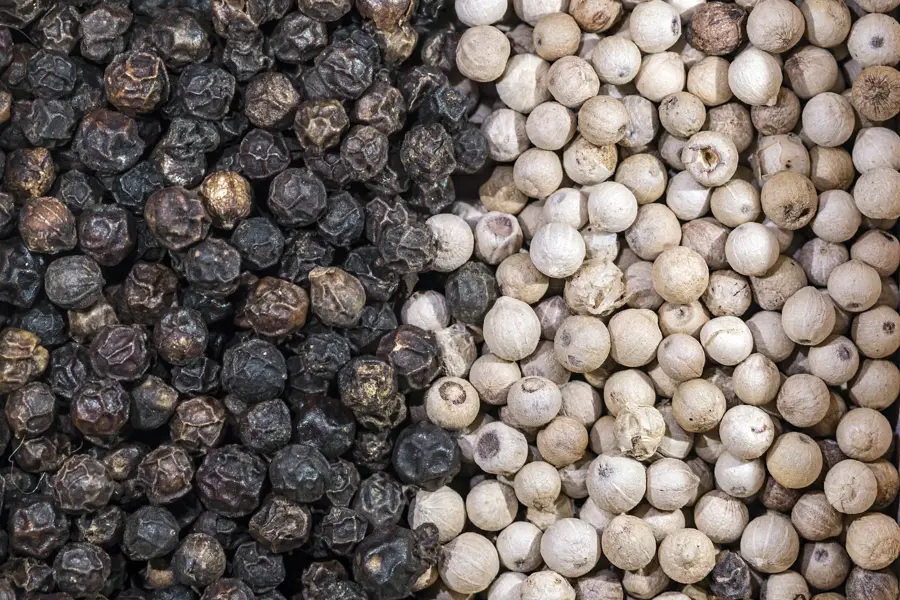
- The region is known for Penja white pepper (grown nearby); it makes an excellent, lightweight, and authentic souvenir.
- Public transport mainly consists of motorcycle taxis (moto-taxis); negotiate the fare before sitting down.
- The climate is hot and humid year-round; stay hydrated and seek shade during the early afternoon.
🍽 Food
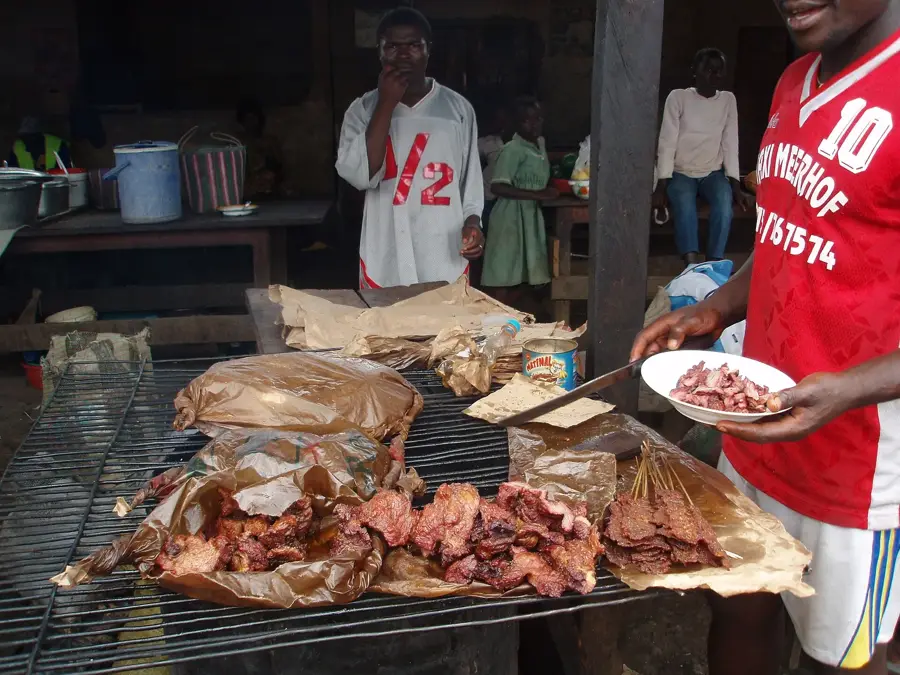
A popular evening street food, best enjoyed with a dash of the local spicy pepper.
A hearty, typical worker's meal available at most informal roadside eateries.
The region is famous for its fruit plantations; buy directly from roadside stalls for the best taste.
🛍 Shopping · 🧘 Quiet spots
An animated hub where you can buy fresh regional produce, including the famous local peppers and spices.
The main highway passing through town is lined with vendors selling massive bunches of fresh bananas and plantains.
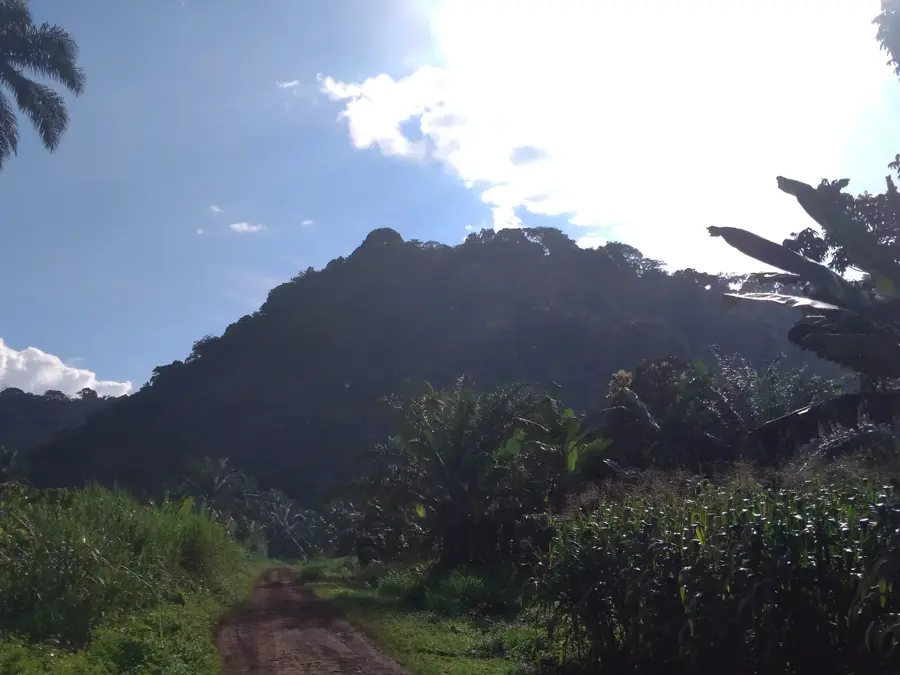
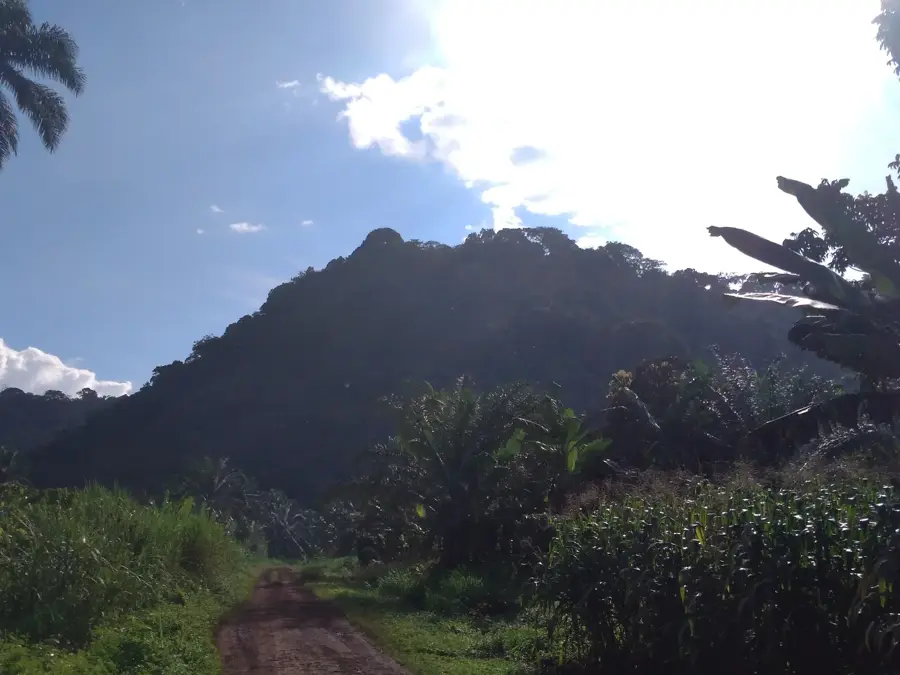
A walk or drive along the dirt roads leading into the banana and rubber plantations has a quiet retreat from the busy main road.
Short hikes just outside the town limits provide nice views over the dense, green canopy.
Water temperature…
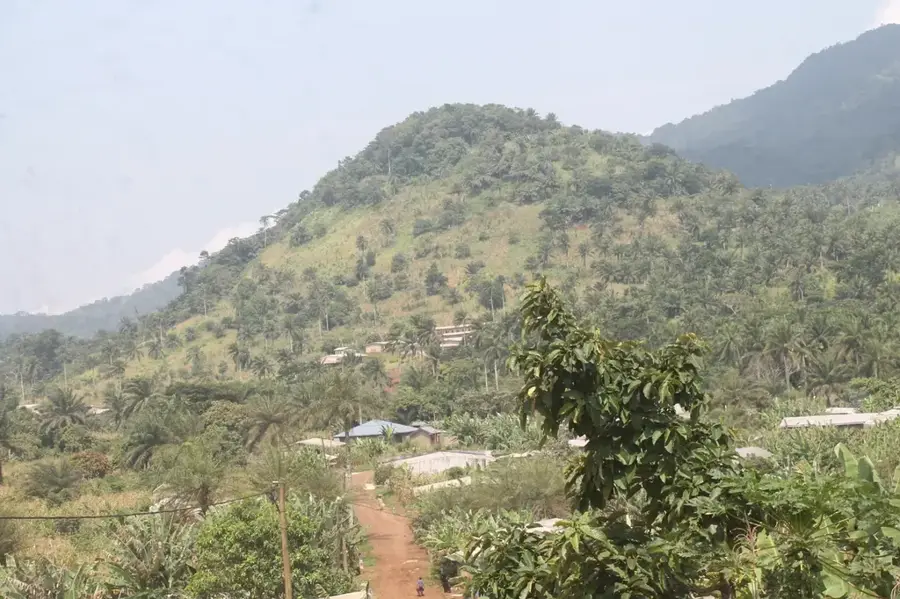
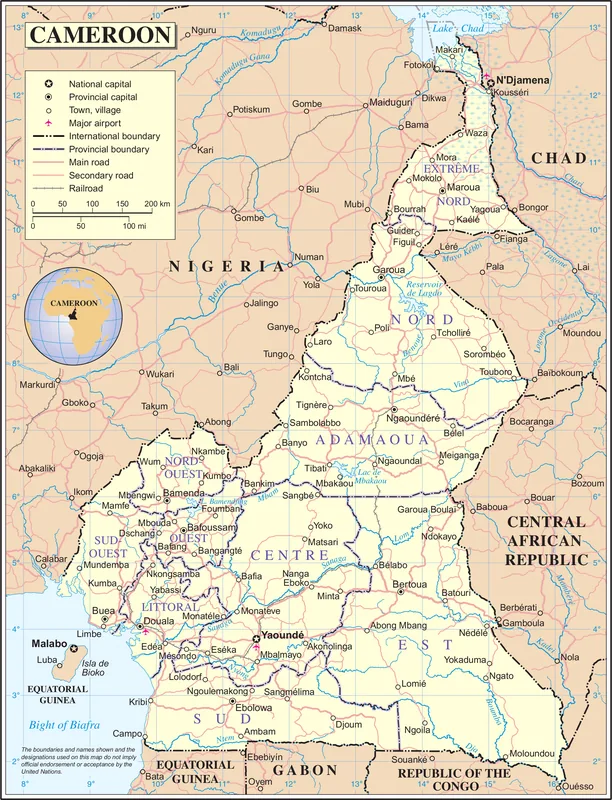
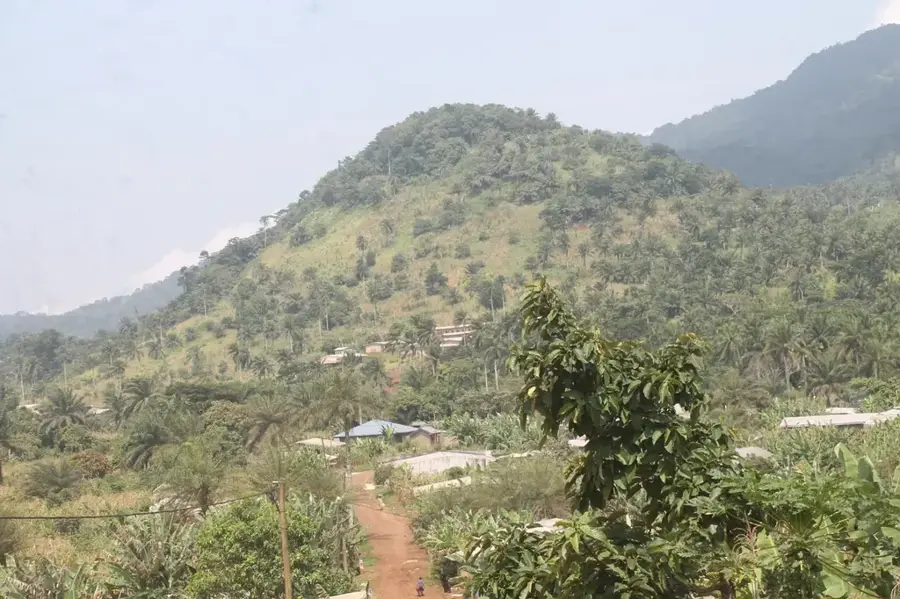
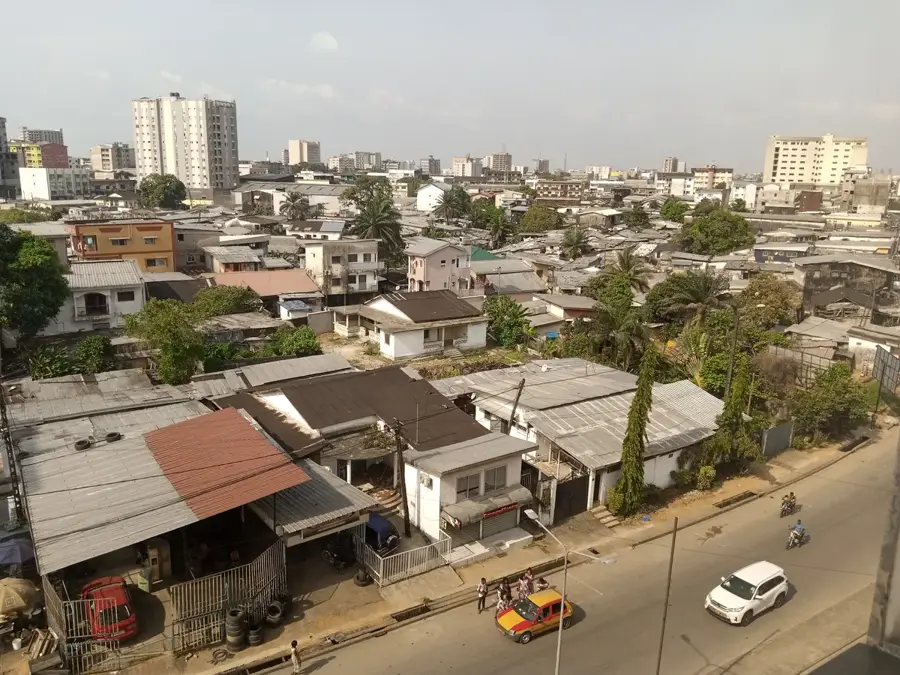
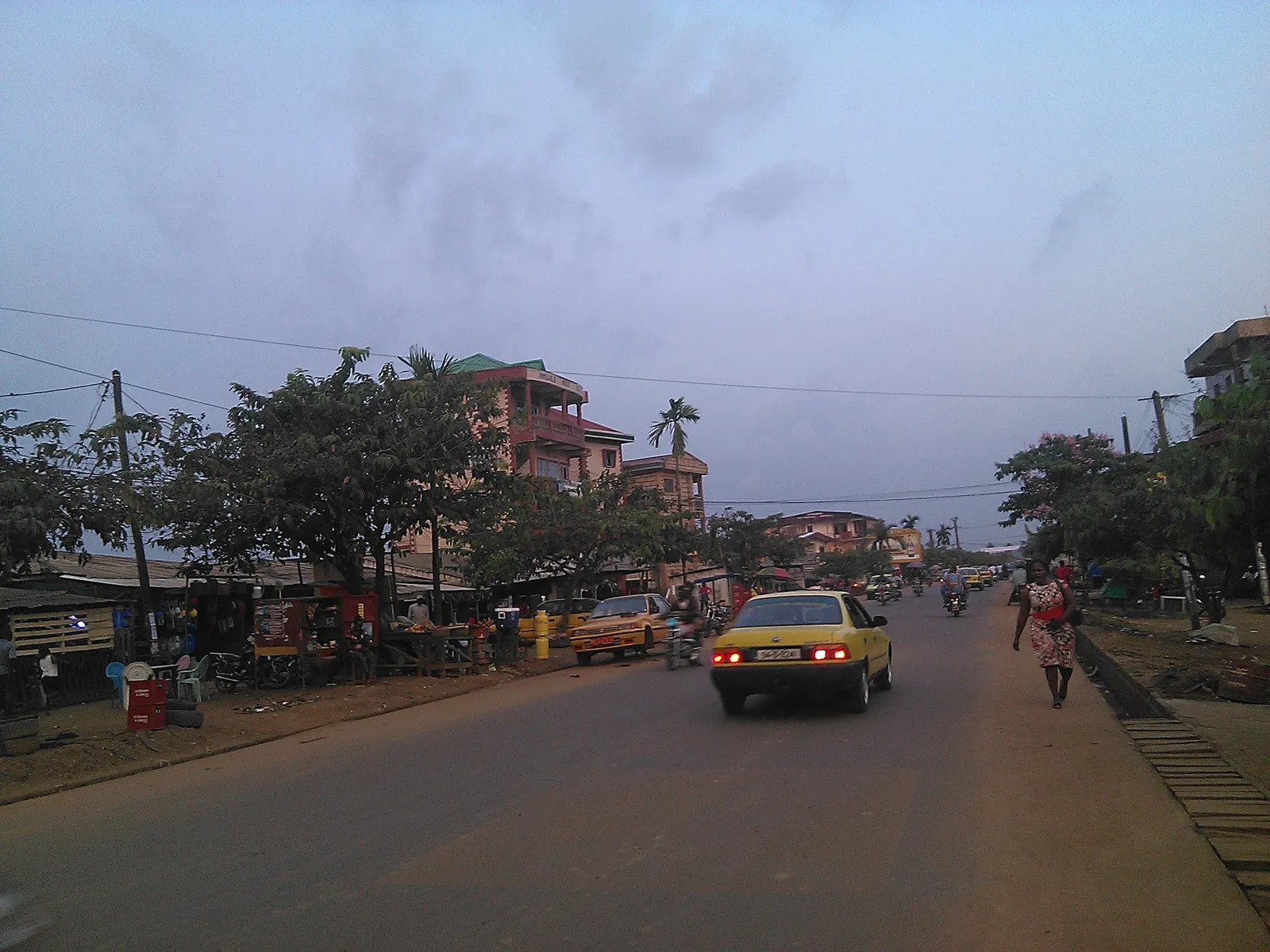
Loum is a bustling market town in the Moungo Department of the Littoral Region, about 100 kilometres north-east of Douala along the railway to Nkongsamba and at the foot of the volcanic Manengouba Mountains. Its roughly 130 000 inhabitants live mainly from banana, cocoa, coffee and palm-oil plantations spreading across the fertile floodplains between the Mungo and Nkam rivers. Loum is also a key transshipment point for bananas grown by the Cameroon Development Corporation and Plantations du Haut Penja. The population is highly mixed, with Bamiléké, Bakossi, Mbo and Bassa communities living side by side. Long, wet rainy seasons and fertile volcanic soils allow year-round harvests. The town also functions as a transport hub between the Atlantic coast, the western highlands and the Anglophone Southwest.
- Location: Cameroon
- Nearby: Penja (11 km)
- Population: ~58.554 (2023)
Best time to visit & climate
The most pleasant time to visit is Jan, Feb, Dec.
| Jan | Feb | Mar | Apr | May | Jun | Jul | Aug | Sep | Oct | Nov | Dec | |
|---|---|---|---|---|---|---|---|---|---|---|---|---|
| Avg °C | 25 | 26 | 25 | 25 | 25 | 24 | 23 | 23 | 23 | 24 | 24 | 24 |
| Rain mm | 32 | 76 | 149 | 182 | 203 | 369 | 467 | 534 | 446 | 277 | 151 | 26 |
Geography
Facts
- Situated in a region known for rich volcanic soil.
- Major center for large-scale banana plantations.
- Important contributor to Cameroon's agricultural exports.
- Economic base primarily supported by farming and forestry.
- Located along a major transport artery to the coast.
- Growing center for agribusiness in the Littoral Region.
Explore nearby
Notable places around





Route planner — Car & Motorhome
Where do you start? We build the route here, with stops and country notes along the way.
© OpenStreetMap contributors · OpenRouteService
Sights in the town Loum (1)
Frequently asked questions
What is Loum known for?
Where is the city located?
What is the main product of the region?
Is there industry there?
Is Loum worth a stop?
Loum: where is it located?
Loum: when is the best time to visit?
Loum: why is it worth visiting?

Nearby cities

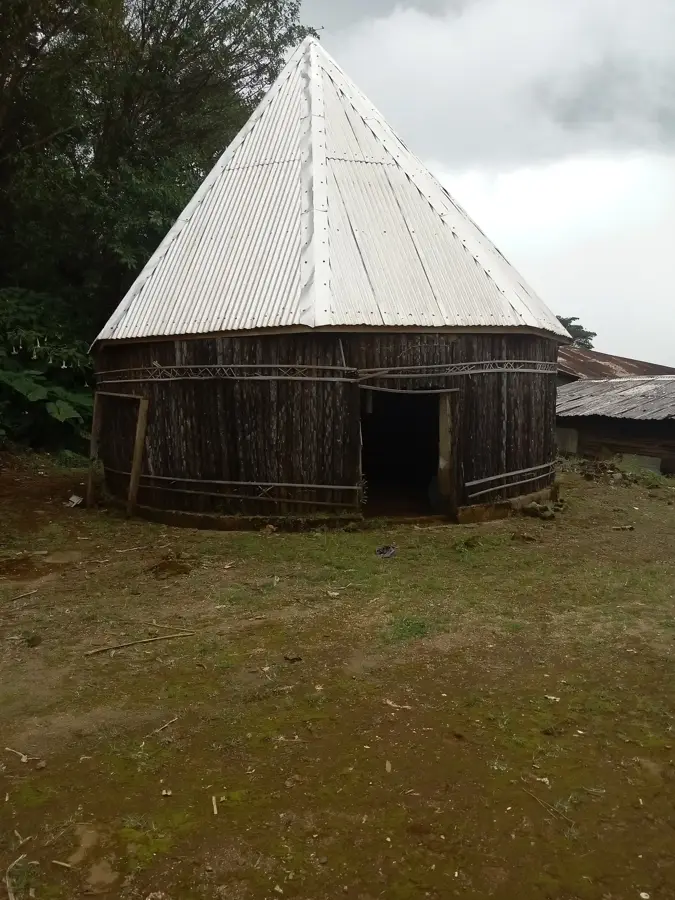
History & landmarks
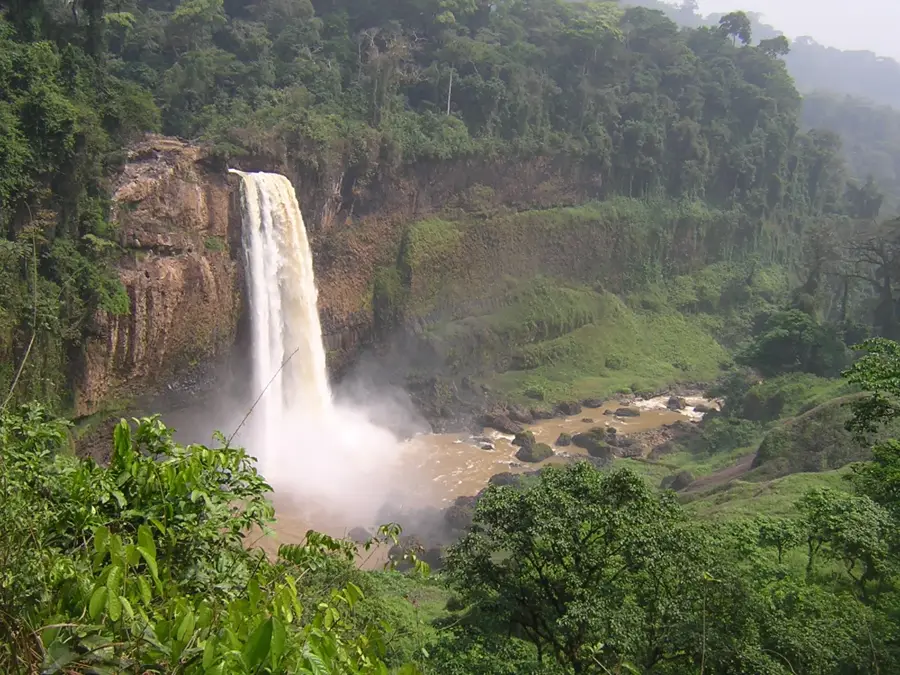

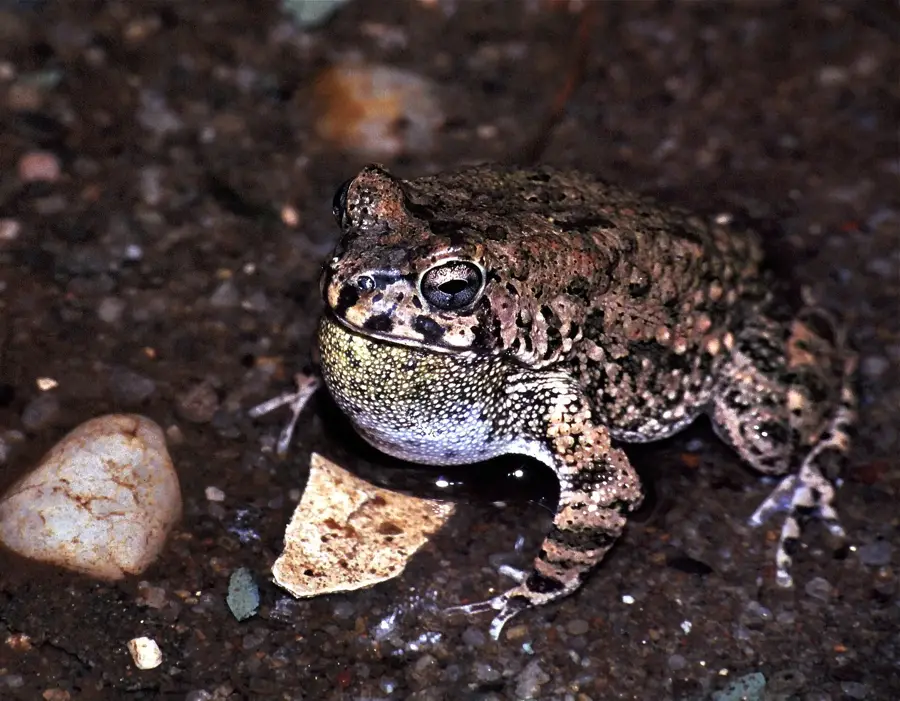
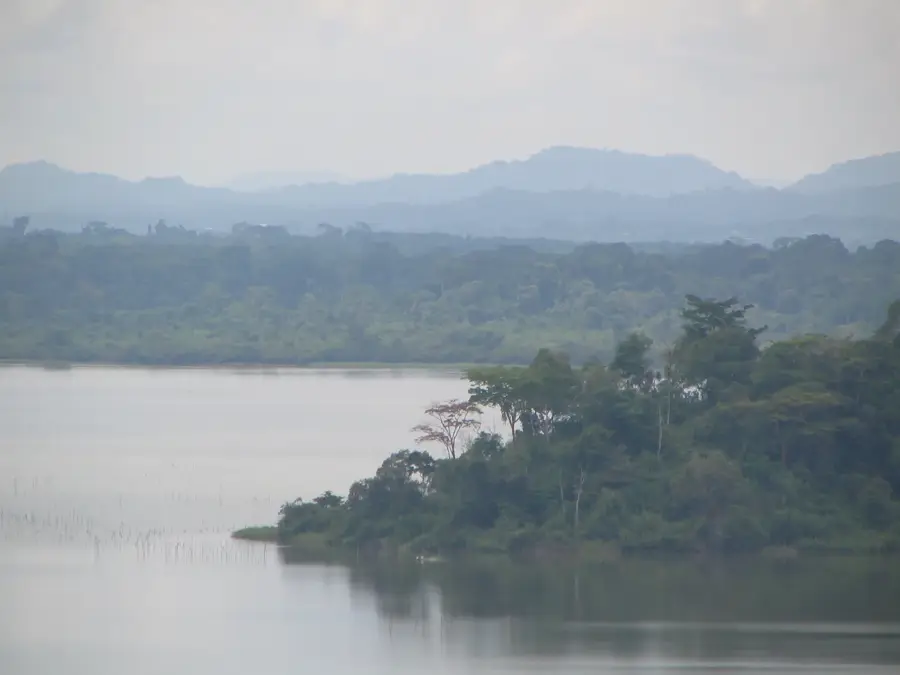
Nature
More places