Plizio Visual Lab

Djougou Mountains

Plizio editorial teamData Sources
Mountain
—°
Djougou Mountains (Benin)

Weather…

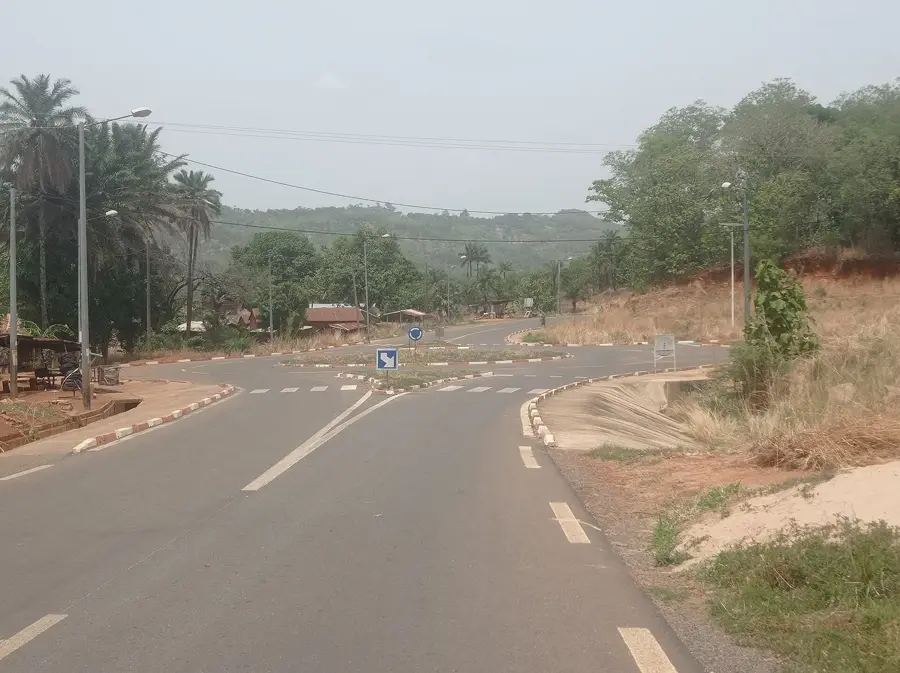
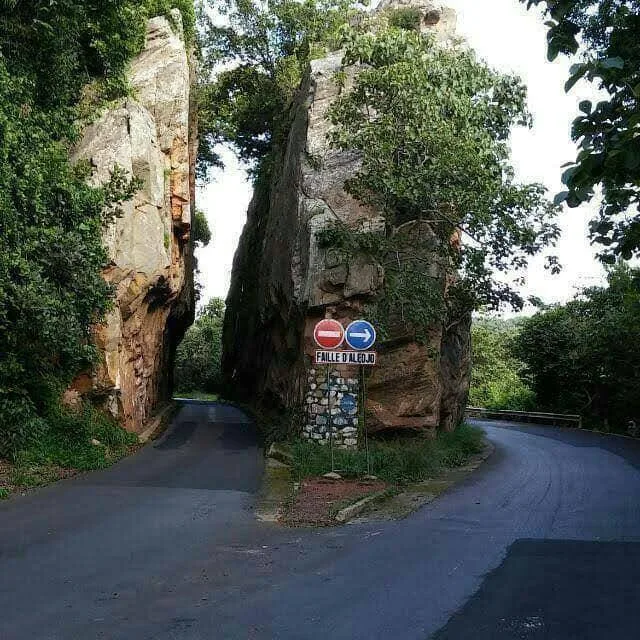
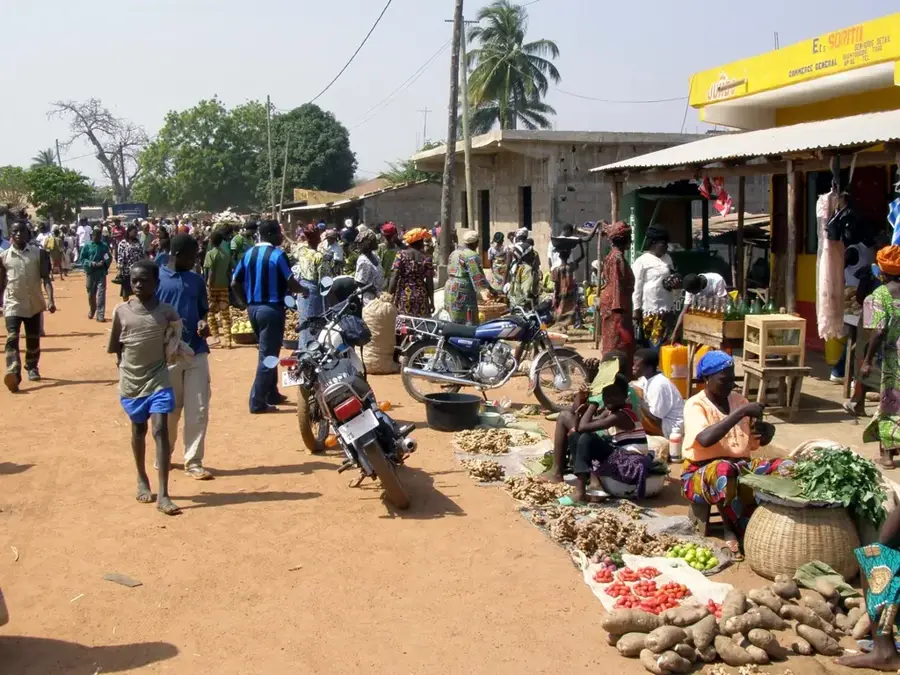
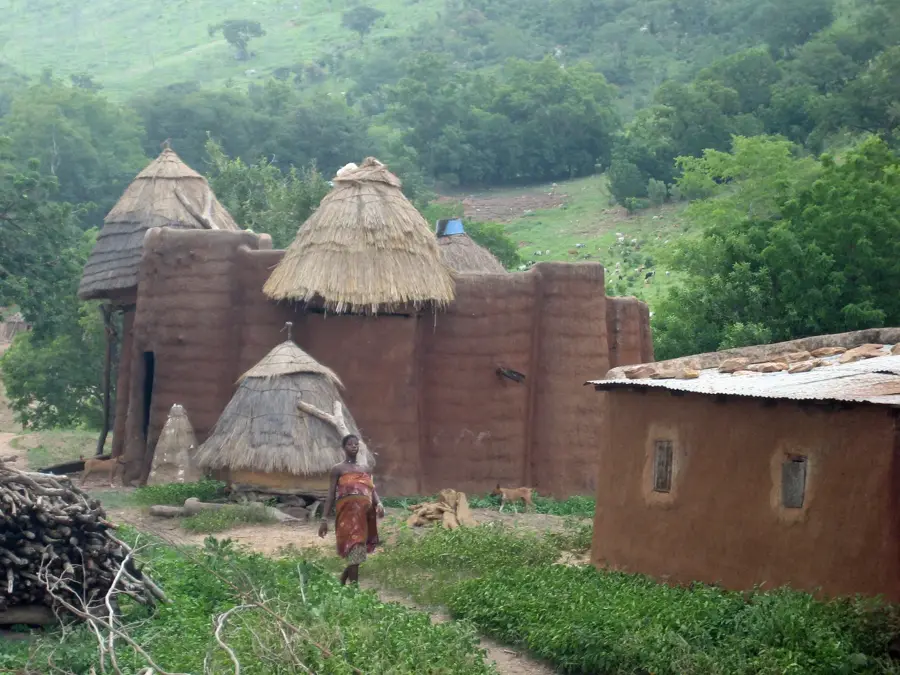
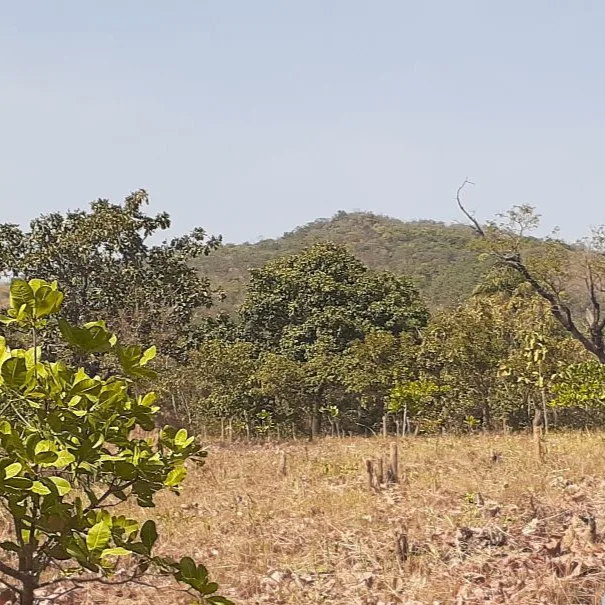
The Djougou Mountains in northwestern Benin are part of the Atakora Range, which extends from Togo into Niger. These elevations consist primarily of quartzite and mica schists, forming a rugged topography with peaks reaching up to 650 meters above sea level. The region around the city of Djougou functions as a major watershed between the Ouémé River basin to the south and the Niger River basin to the north. The mountain climate is characterized by cooler temperatures and higher rainfall compared to the surrounding plains, supporting a diverse flora including mountain forests and savannas. The mountains are also a significant settlement area for various ethnic groups, such as the Dendi and Yom, who have practiced terraced farming here for centuries. Their geological stability and scenic beauty make the Djougou Mountains a potential destination for ecotourism while maintaining a central role in regional water resource management.

Best time to visit & climate

The most pleasant time to visit is Jan, Nov, Dec.

JanFebMarAprMayJunJulAugSepOctNovDec
Avg °C252829282726252425252625
Rain mm4113889125147197208207118112

📋 Practical info

🧭
Getting there
The mountain range can generally be reached via local dirt roads leading from the main settlements in the Djougou region. Exploring the higher elevations typically requires a reliable off-road vehicle or a knowledgeable local guide.
📅
Best season
The dry months are usually the best time for hiking, as the trails remain solid and the risk of sudden storms is minimal. The wet season generally brings heavy downpours, making the slopes exceedingly slippery and muddy for outdoor activities.
⛰️
Terrain & paths
Visitors can expect a diverse landscape featuring undulating hilly sections and rough, rocky mountain trails that are typical of the Atakora extension. The paths often involve steady inclines and uneven surfaces requiring good physical stamina.
🎒
What to bring
Sturdy hiking boots with excellent ankle support are essential for navigating the unpredictable rocky slopes safely. A generous supply of drinking water, adequate sun protection, and a basic first-aid kit are also highly recommended for long treks.
🅿️
Parking
Safe vehicle storage is usually available at nearby villages or designated starting points where local guides offer their services. It is generally advisable to park in well-populated areas before venturing deeply into the rugged mountainous zones.
⚠️
Safety
Due to the remote nature of the terrain, hikers should always inform someone of their planned route and expected return time. Carrying offline maps and avoiding solitary treks during extreme heat waves are standard precautions in this vast region.
⏱️
Time needed
A typical trek through the prominent hills and valleys generally takes anywhere from four to eight hours, depending on the chosen route. Extensive multi-day expeditions can also be organized for those wishing to explore the entire mountain chain.

Geography

Coordinates
9.70000, 1.60000

Facts

  • Part of the Atakora mountain range
  • Highest elevations reach up to 650 meters
  • Major watershed divide in West Africa
  • Primarily composed of quartzite rock
  • Key center for yam and cereal cultivation
  • Cooler climate compared to southern regions

Explore nearby

Notable places around

Route planner — Car & Motorhome

Where do you start? We build the route here, with stops and country notes along the way.

Vehicle
Only stops with (optional):

© OpenStreetMap contributors · OpenRouteService

Sights nearby

Frequently asked questions

How high are the Djougou Mountains?
They are more like hill ranges with moderate heights around 400-500 meters.
Can you go climbing there?
Hiking is more common; technical climbing is difficult due to lack of infrastructure.
Are there campsites?
Official sites are missing; camping is advisable only with local permission.
When is it greenest there?
At the end of the rainy season in September and October, everything is lush green.
What is the cultural significance?
The mountains are home to traditional communities with unique customs.
Djougou Mountains: where is it located?
Djougou Mountains is located in Benin.
Djougou Mountains: when is the best time to visit?
The most pleasant time to visit is Jan, Nov, Dec.
Djougou Mountains: why is it worth visiting?

The Djougou Mountains in northwestern Benin are part of the Atakora Range, which extends from Togo into Niger.
View on map → The Top 50 Attractions → OpenStreetMap →
Africa
Explore with Plizio Discover more places in Africa
More places in Benin →

Nearby cities

History & landmarks
Nature

More places