
Attractions in Benin
The finest attractions in Benin at a glance: castles, natural wonders, historic old towns and more. Each place links to a detailed page with map, tips and photos.
Culture & History
Friendship Stadium
The largest stadium in Benin, located in Cotonou, serving as the main venue for national football matches and major cultural events.
Learn more →
Red Star Place
A prominent public square in Cotonou featuring a large red star monument, built during Benin's Marxist-Leninist period in the 1970s.
Learn more →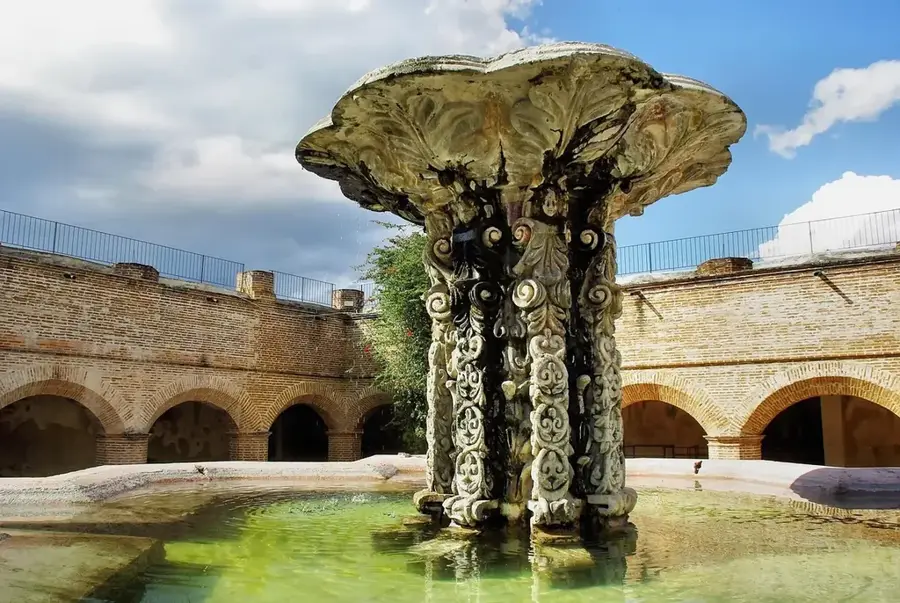
Cathedral of Our Lady of Mercy
The distinctive red-and-white striped cathedral of Cotonou is an architectural gem and the center of Catholic faith in the city.
Learn more →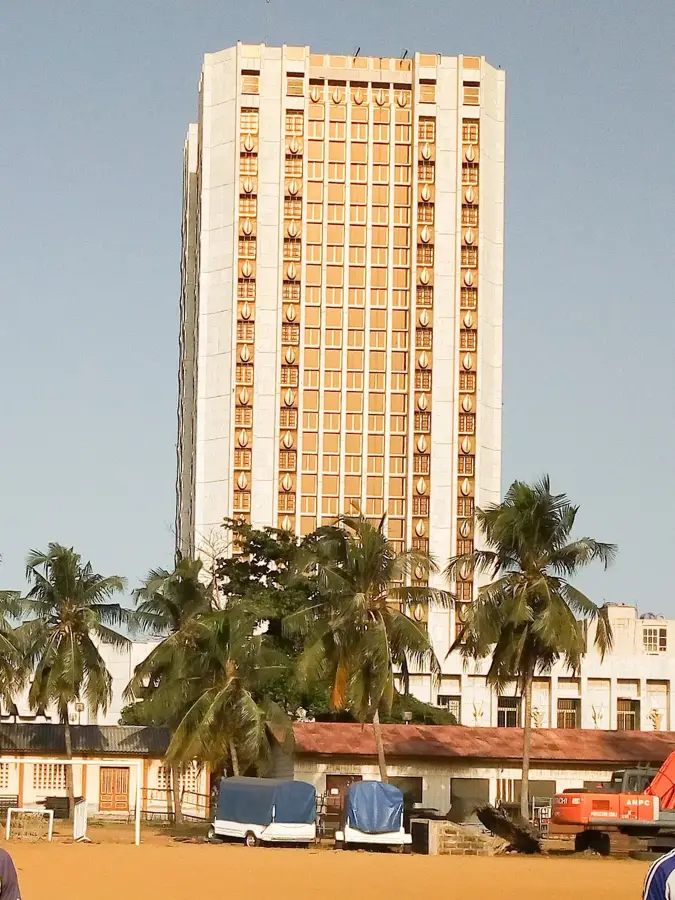
Cotonou Lighthouse
A historic lighthouse in the port of Cotonou that has guided ships along the Gulf of Guinea for decades.
Learn more →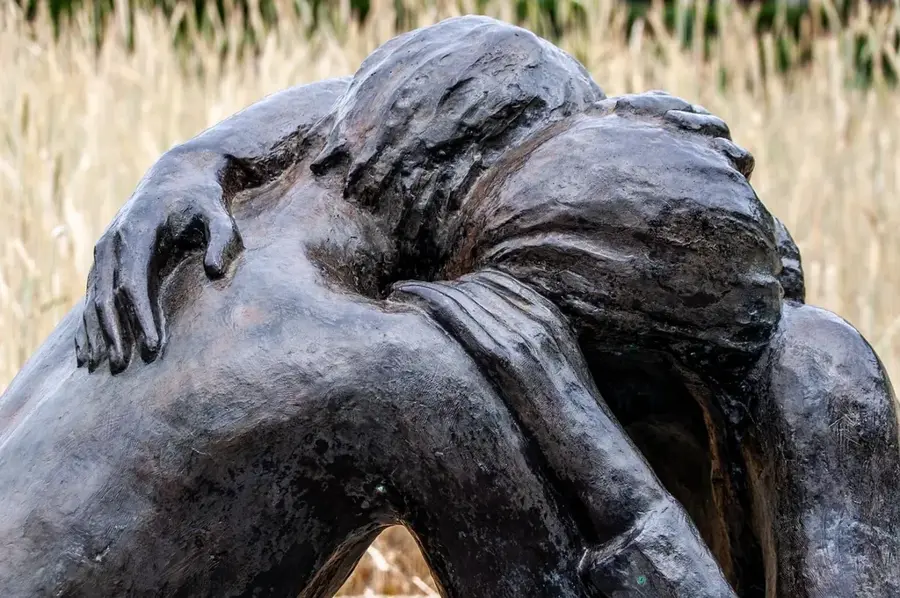
Reconciliation Place
A spiritually and historically significant plaza in Ouidah marking the end of the slave trade and the healing of history.
Learn more →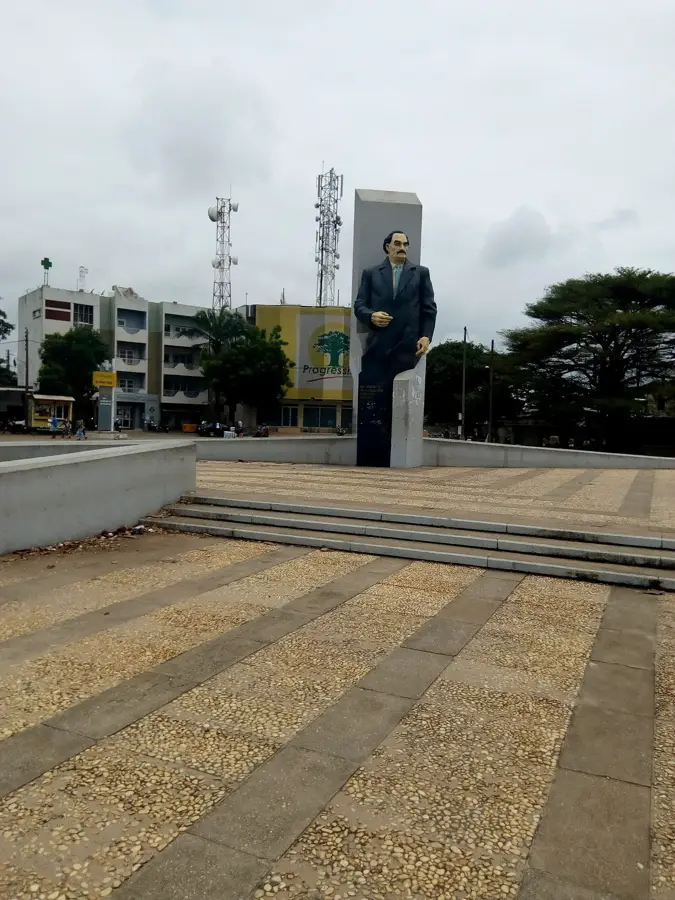
Fiftieth Anniversary Bridge
A modern bridge in Cotonou inaugurated for the 50th anniversary of independence, improving traffic flow.
Learn more →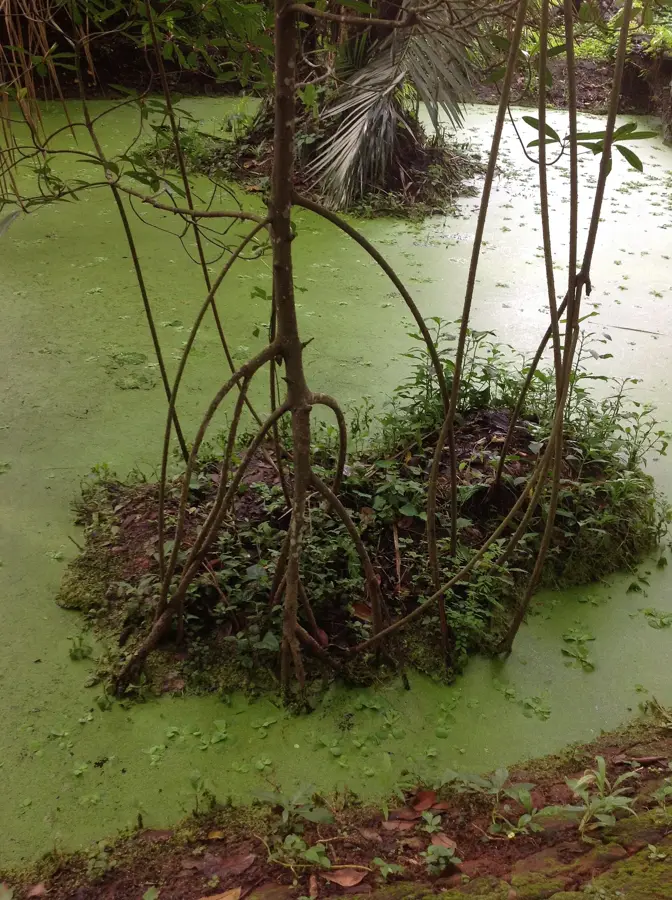
Charles de Gaulle Bridge
A central bridge in Porto-Novo crossing the lagoon, facilitating traffic between the capital and Cotonou.
Learn more →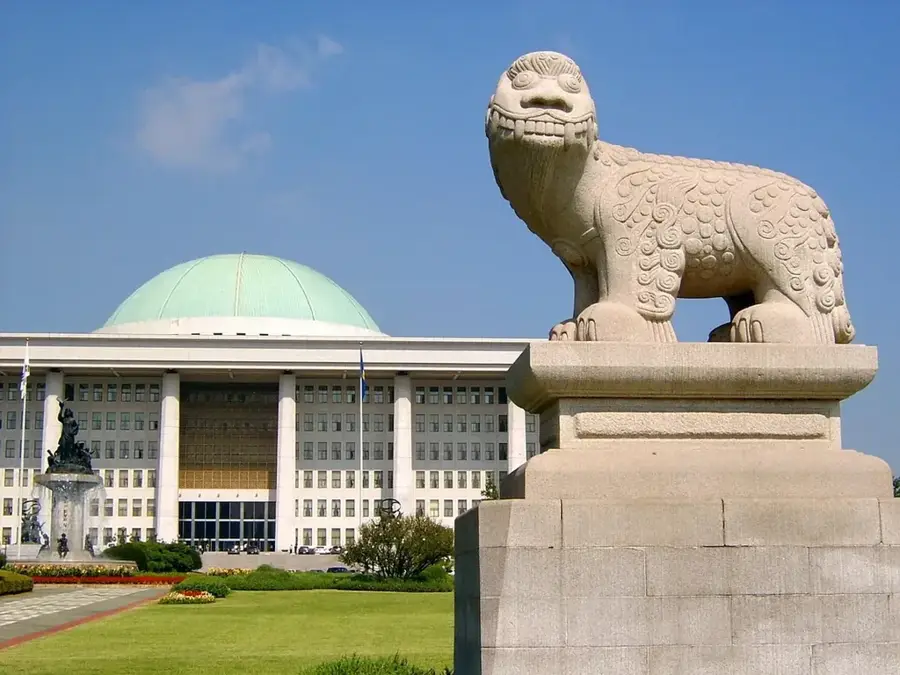
National Assembly of Benin
The seat of the Beninese parliament in Porto-Novo, an important symbol of democracy and legislation in the country.
Learn more →
University of Abomey-Calavi
The main campus of Benin's largest university, a major hub for education and research in West Africa.
Learn more →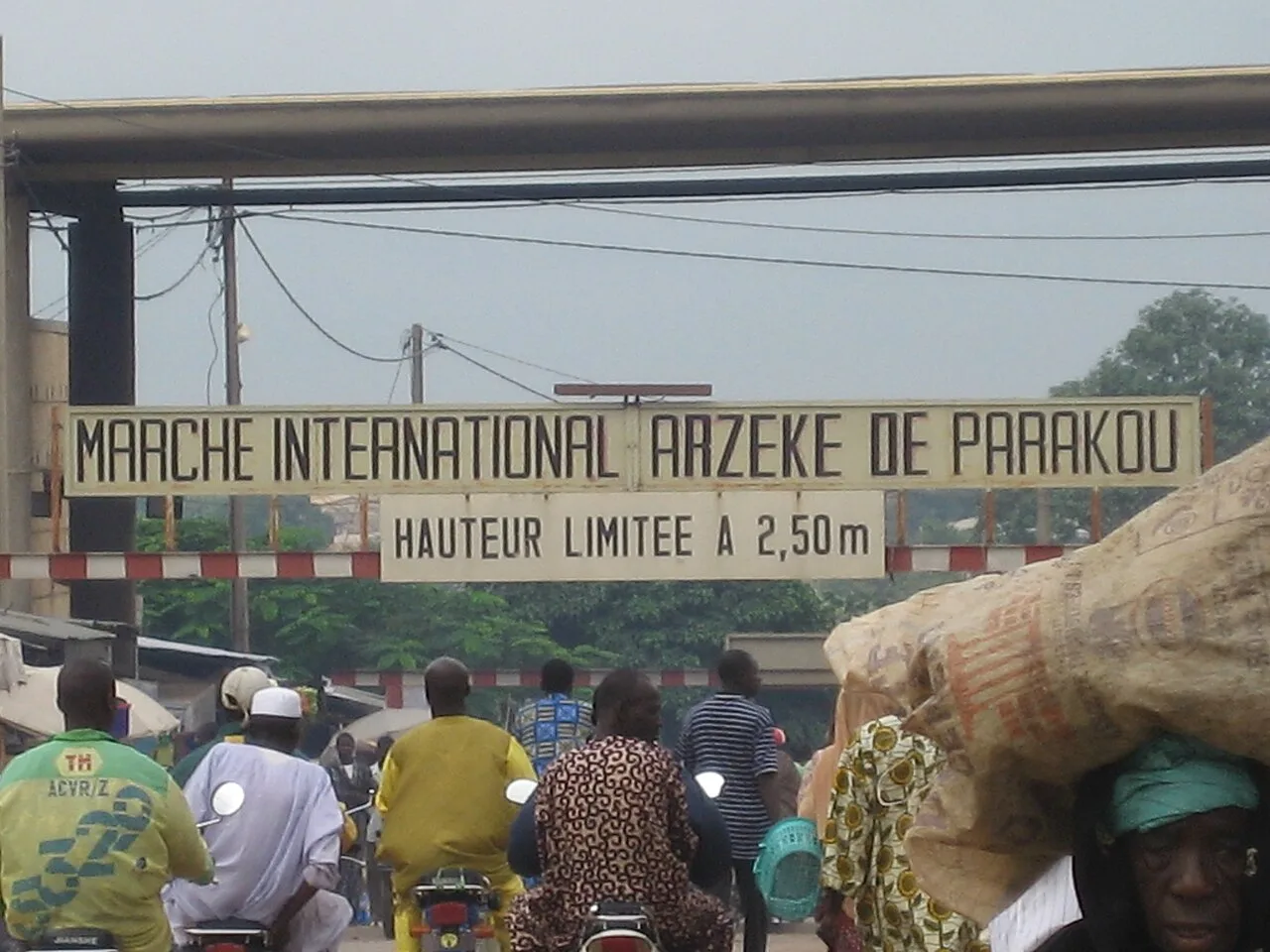
Parakou Railway Station
The northern terminus of the Beninese railway, a historically and economically important site for transport.
Learn more →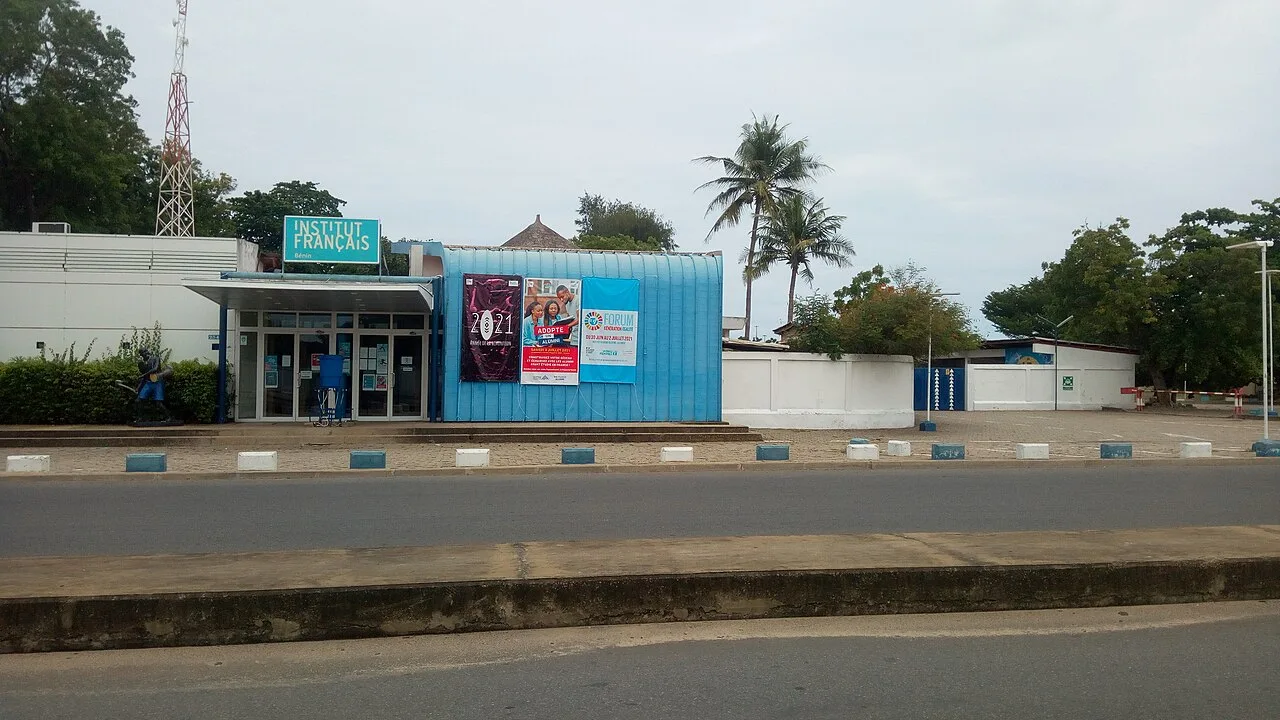
Presidential Palace
Official office and residence of the President of the Republic of Benin, known as the Palais de la Marina.
Learn more →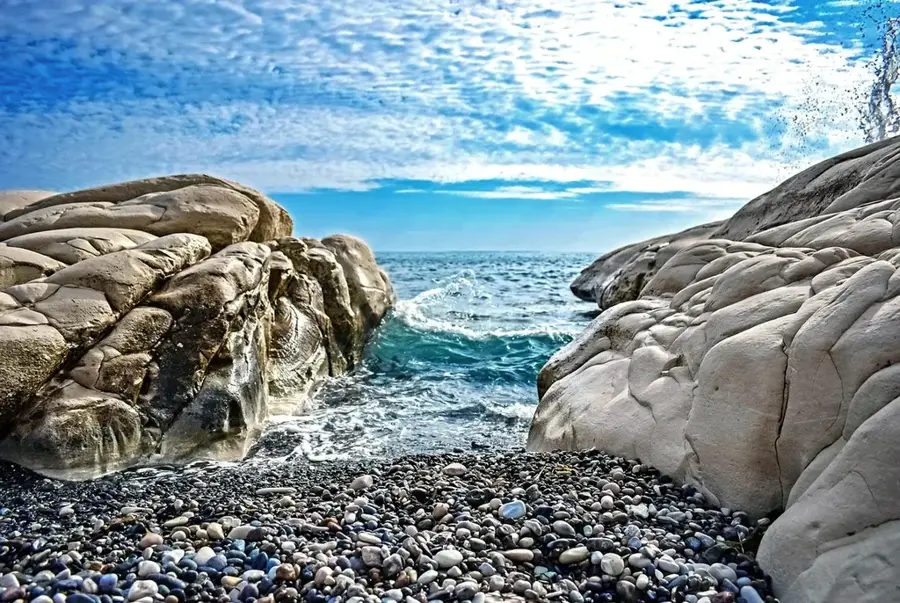
Governor's Palace
A magnificent colonial building in Porto-Novo that once served as the seat of the French administration.
Learn more →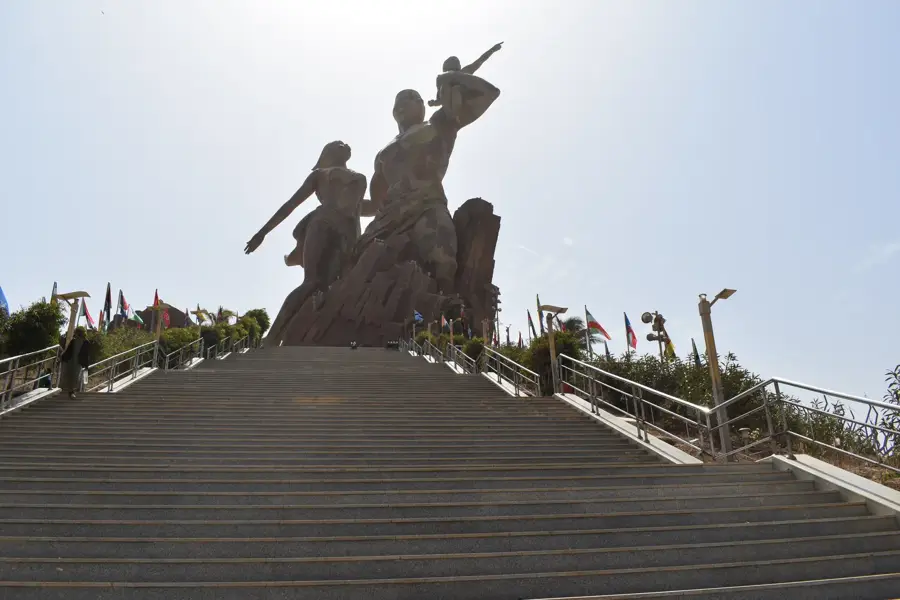
Resistance Monument
A monument in Natitingou dedicated to the heroes of the local resistance against colonization.
Learn more →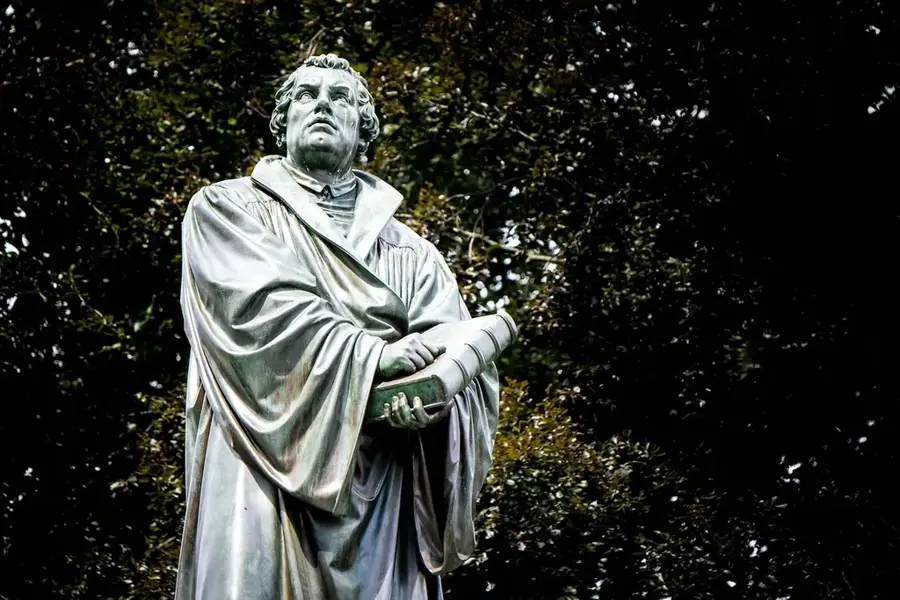
Centenary of Evangelization Monument
A monument in Ouidah commemorating the arrival of the first Catholic missionaries in Benin.
Learn more →Nature
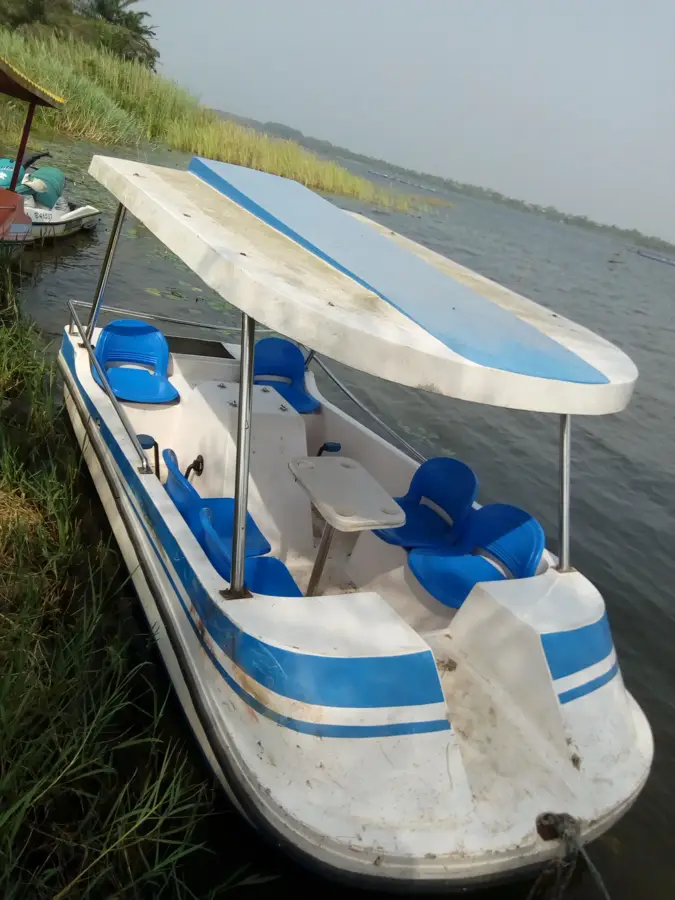
Lake Toho
Lake Toho is a smaller lake in southwestern Benin, near the border with Togo.
Learn more →
Kouandé Mountains
Part of the Atakora mountain range, these peaks near Kouandé offer rugged terrain and panoramic views of the northern savanna.
Learn more →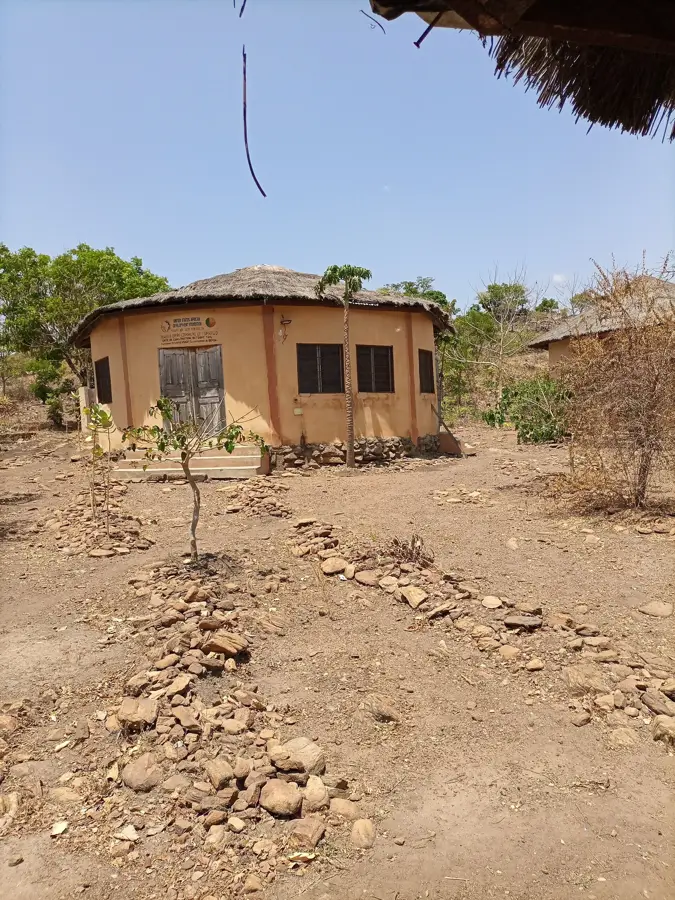
Mont Tanékas
Mont Tanékas is a prominent elevation in northern Benin, known for its cultural significance.
Learn more →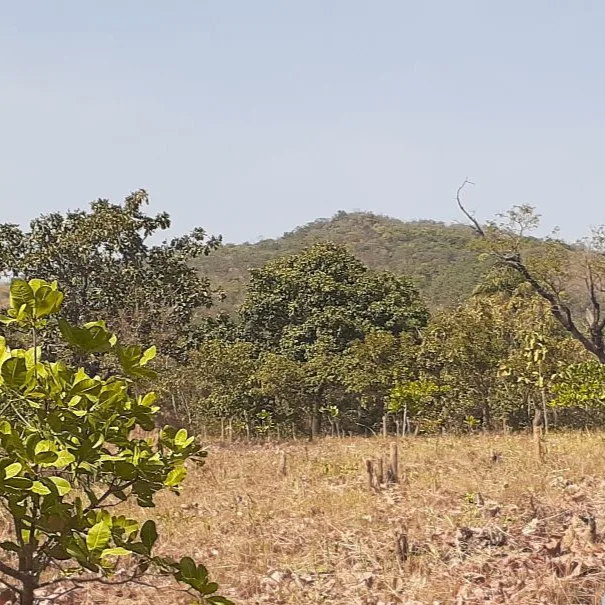
Mont Sokbaro
Mont Sokbaro is traditionally considered the highest mountain in Benin, located on the border with Togo.
Learn more →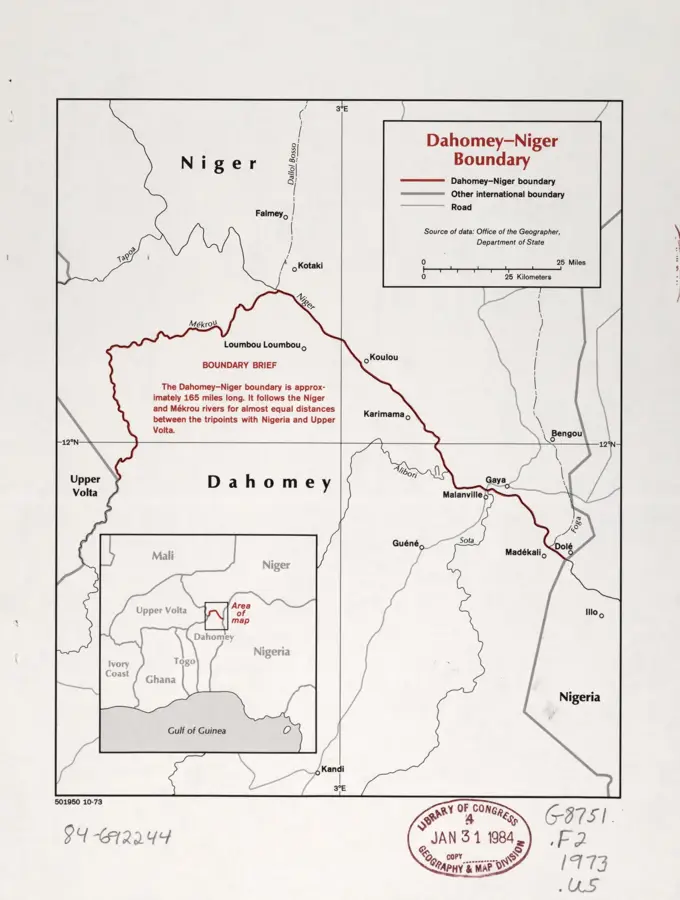
Niger River (Benin section)
A major international river that forms a natural border between Benin and Niger in the extreme north of the country.
Learn more →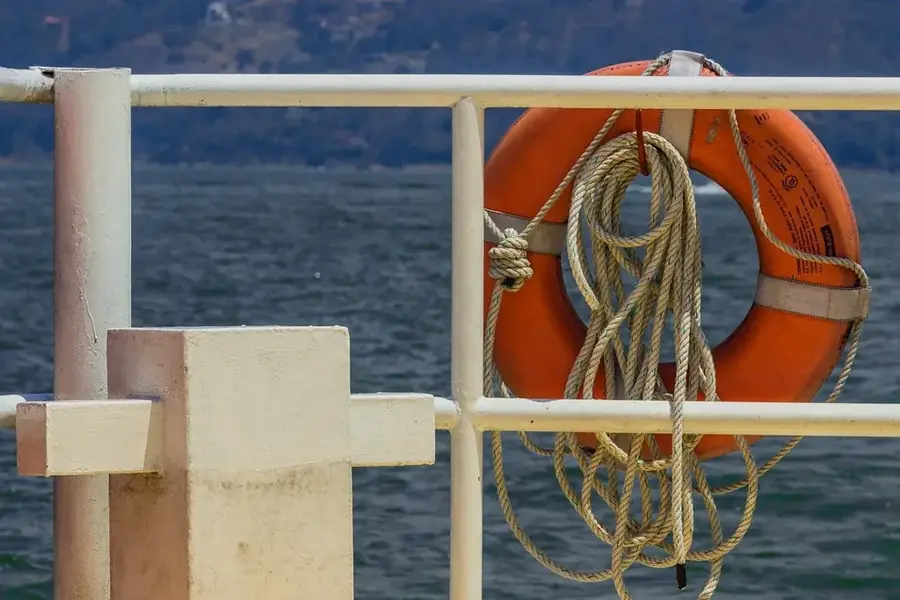
Sô River
The Sô is a river in southern Benin that flows parallel to the Ouémé and empties into Lake Nokoué.
Learn more →More highlights
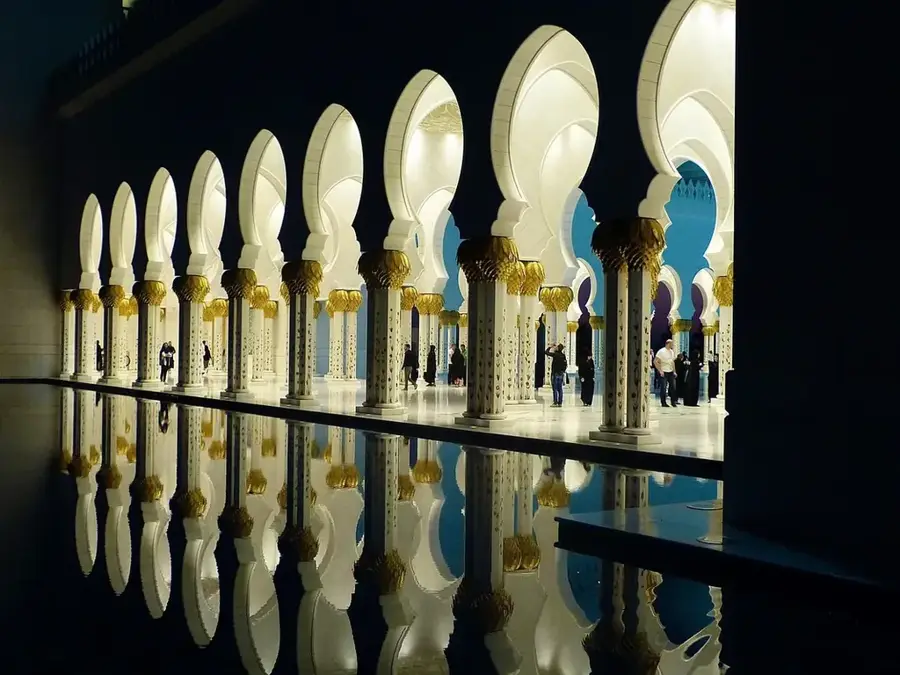
Great Mosque of Porto-Novo
An architectural marvel in Porto-Novo, this mosque features a unique Brazilian-Baroque style, reflecting the return of Afro-Brazilians in the 19th ce…
Learn more →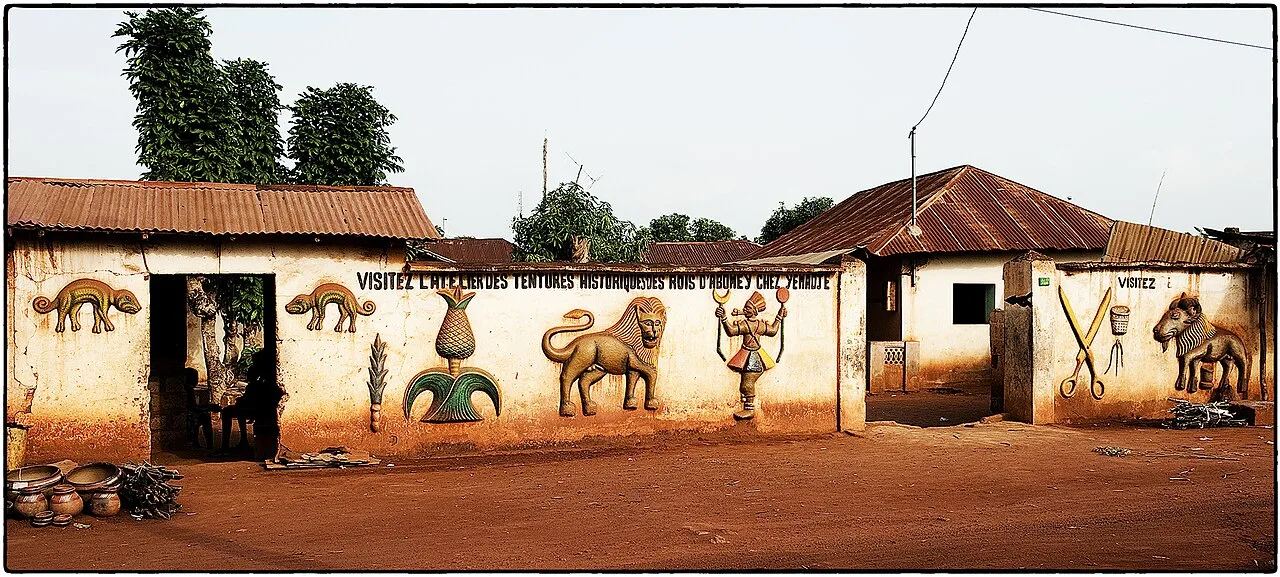
Royal Palaces of Abomey
A UNESCO World Heritage site consisting of 12 palaces spread over a 47-hectare area, representing the former capital of the Kingdom of Dahomey.
Learn more →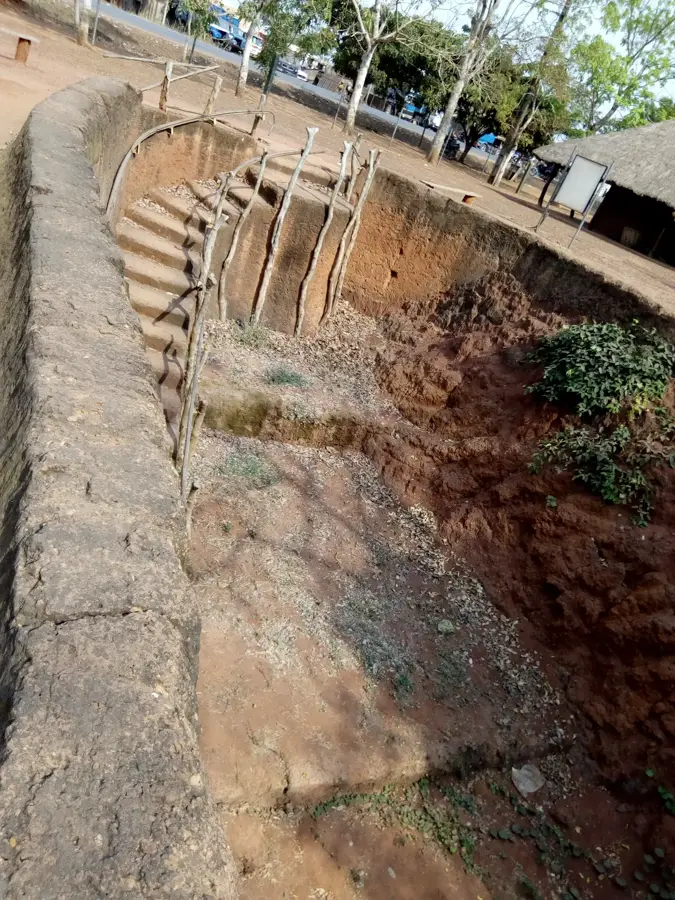
Agongointo Underground Town
An ancient underground town discovered in 1998, featuring a series of subterranean dwellings used for protection and storage during the Dahomey era.
Learn more →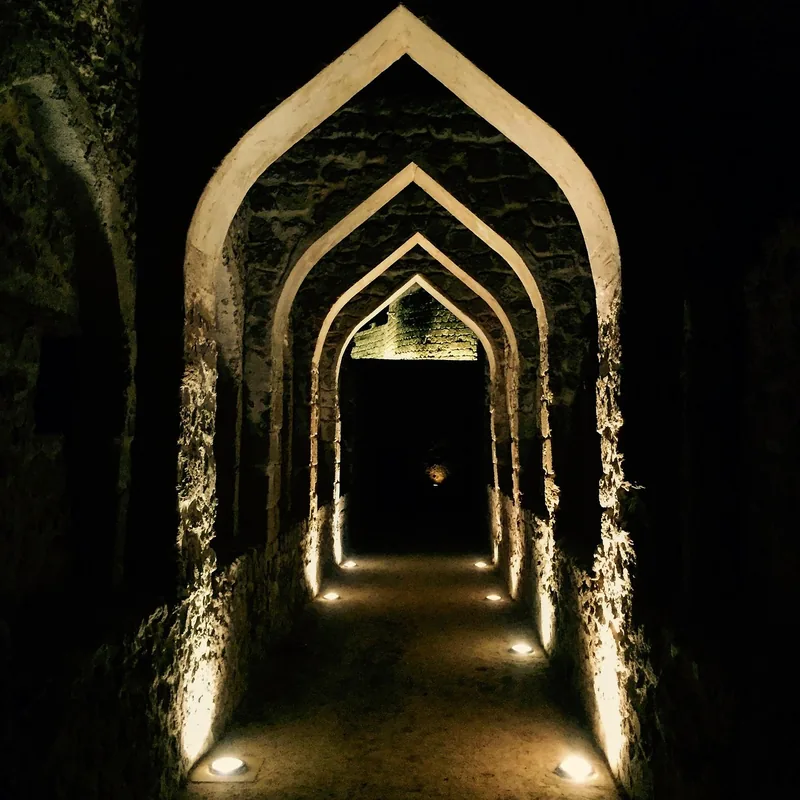
Portuguese Fort
The Fort of São João Baptista de Ajudá is a small Portuguese fortress in Ouidah, now serving as a historical museum.
Learn more →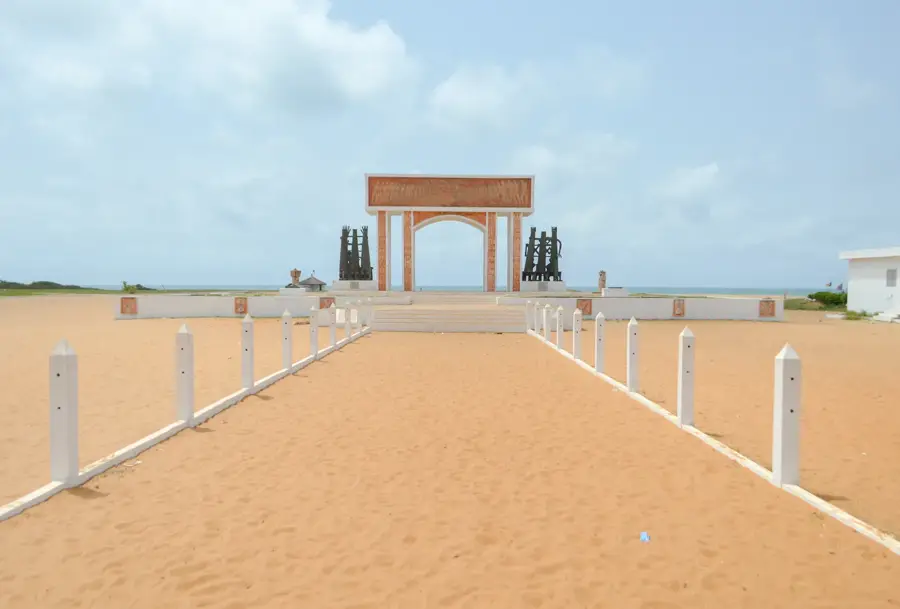
The Door of No Return
A memorial arch on the beach of Ouidah that commemorates the millions of enslaved Africans who were deported from this coast.
Learn more →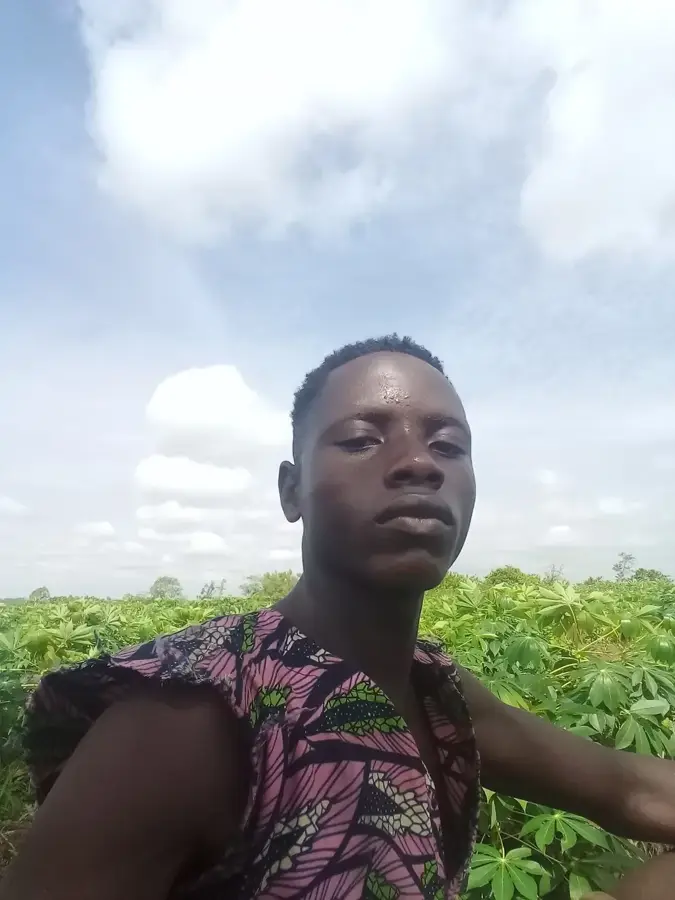
Akaba Idenan (Magic Gate)
The magical gate of Kétou, which historically served as the only entrance to the fortified city, protected by mystical powers according to legend.
Learn more →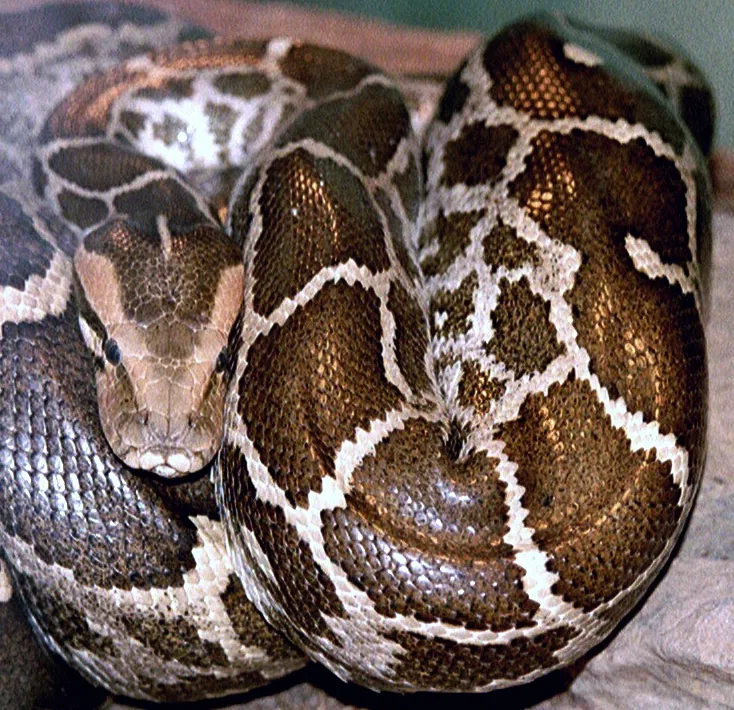
Temple of Pythons
A sacred site in Ouidah dedicated to the worship of pythons, which are considered protective deities in local Voodoo tradition.
Learn more →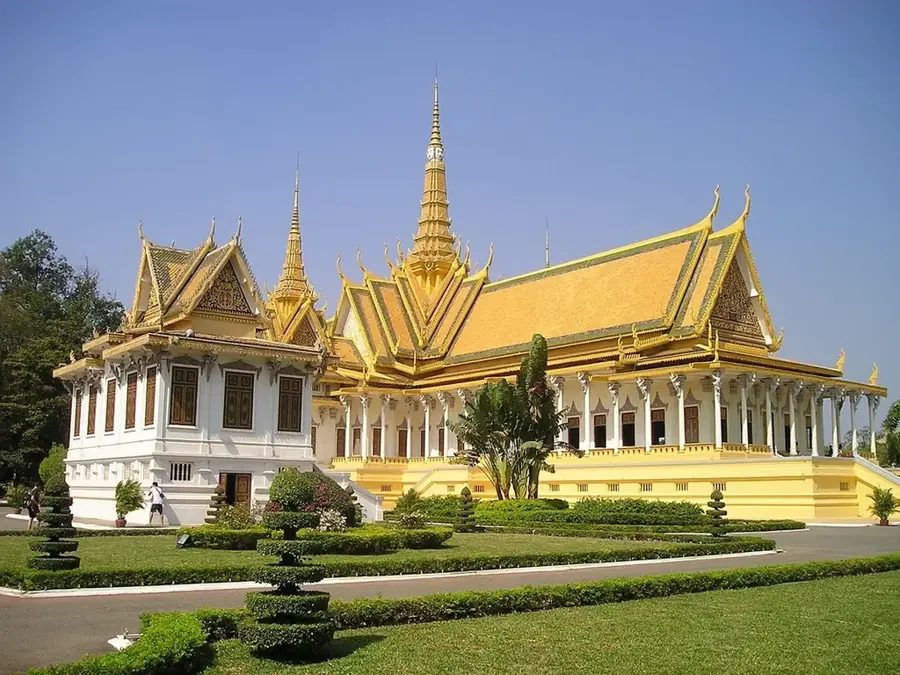
Palace of the King of Nikki
The traditional seat of the King of Nikki, the spiritual and political leader of the Baatombu people in northern Benin.
Learn more →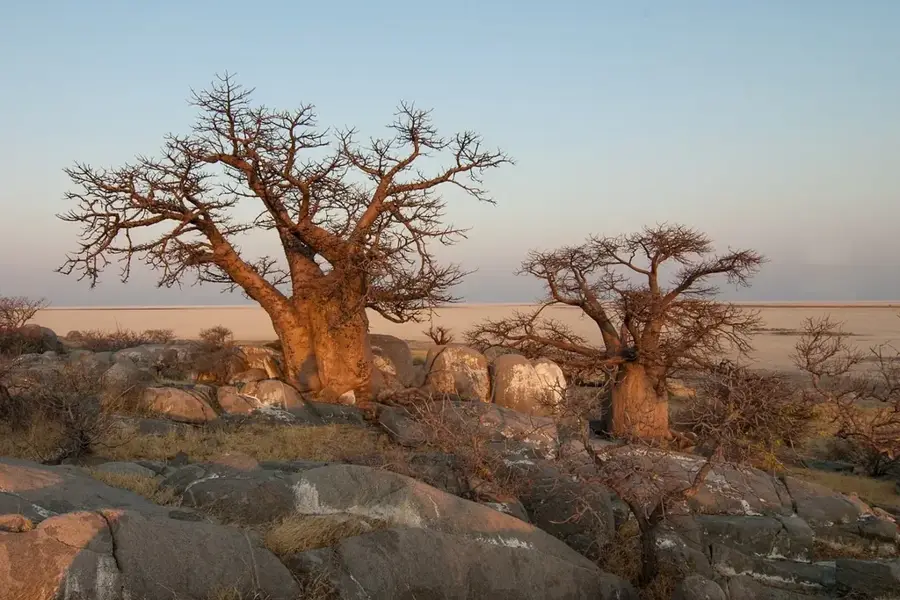
Baobab Forest of Tanguiéta
A unique landscape near Tanguiéta characterized by a high concentration of ancient, majestic baobab trees against the Atakora mountains.
Learn more →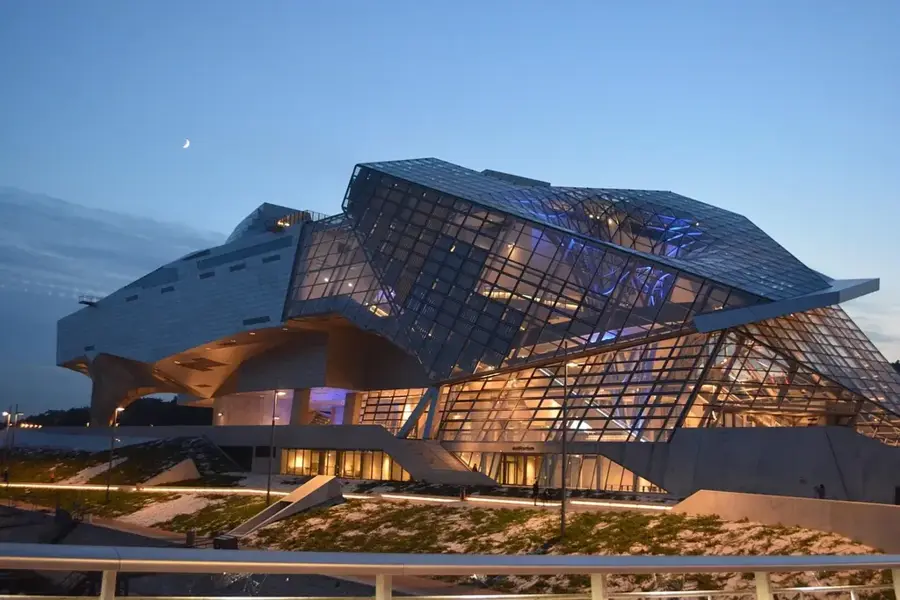
Musée Honmè
Formerly the palace of King Toffa, this museum in Porto-Novo offers insight into the royal life and traditions of the Hogbonu kingdom.
Learn more →
Tata Somba Houses
Unique two-story fortified dwellings built from earth and straw by the Somba people, resembling miniature castles in the Atakora region.
Learn more →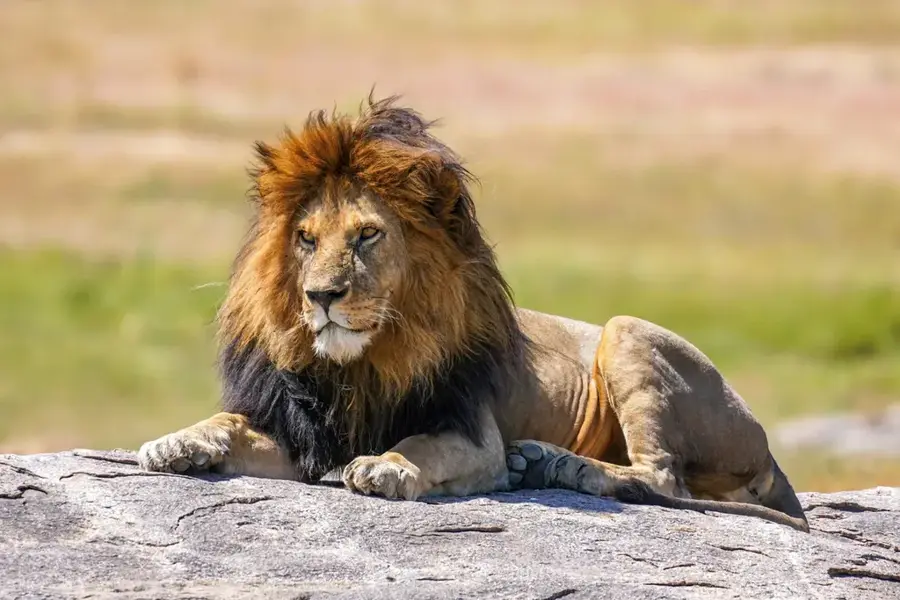
Pendjari Lion Territory
The prime savanna habitat within Pendjari National Park where the West African lion, a critically endangered subspecies, can still be found.
Learn more →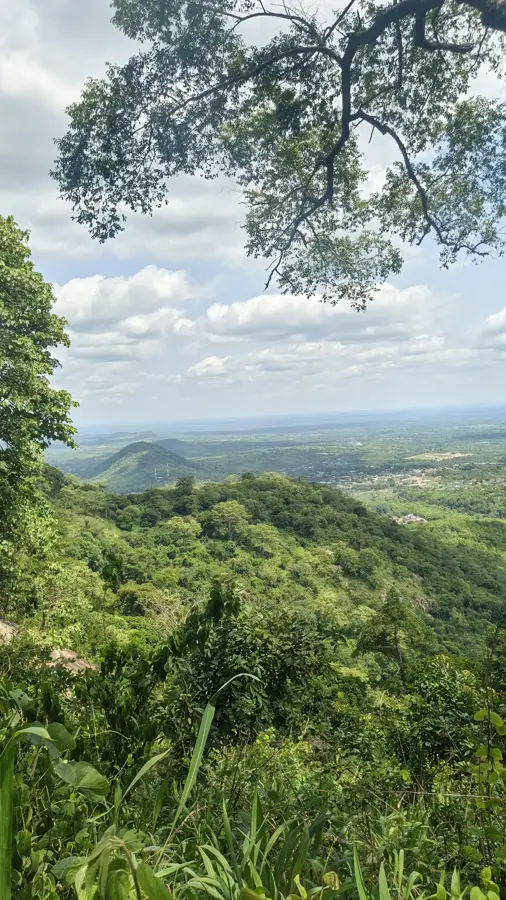
Sacred Hill of Savalou
A historically and spiritually significant hill in Savalou, closely linked to the city's founding and Voodoo rites.
Learn more →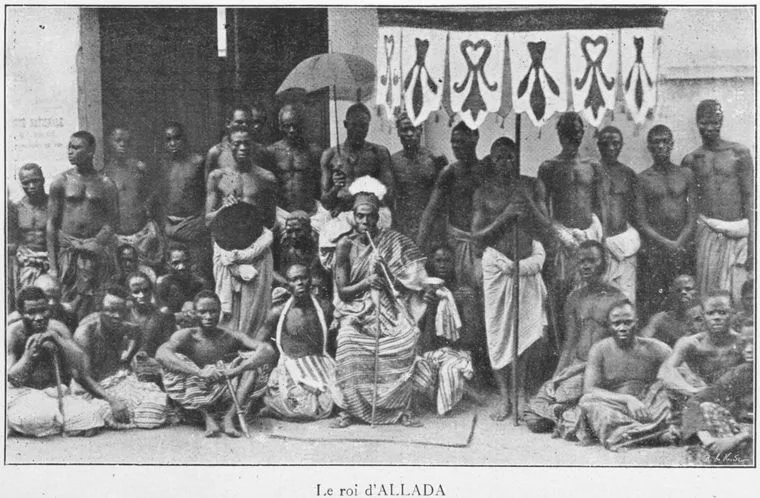
Toussaint Louverture Monument
A monument honoring the Haitian revolutionary leader Toussaint Louverture, whose ancestry traces back to the Allada region.
Learn more →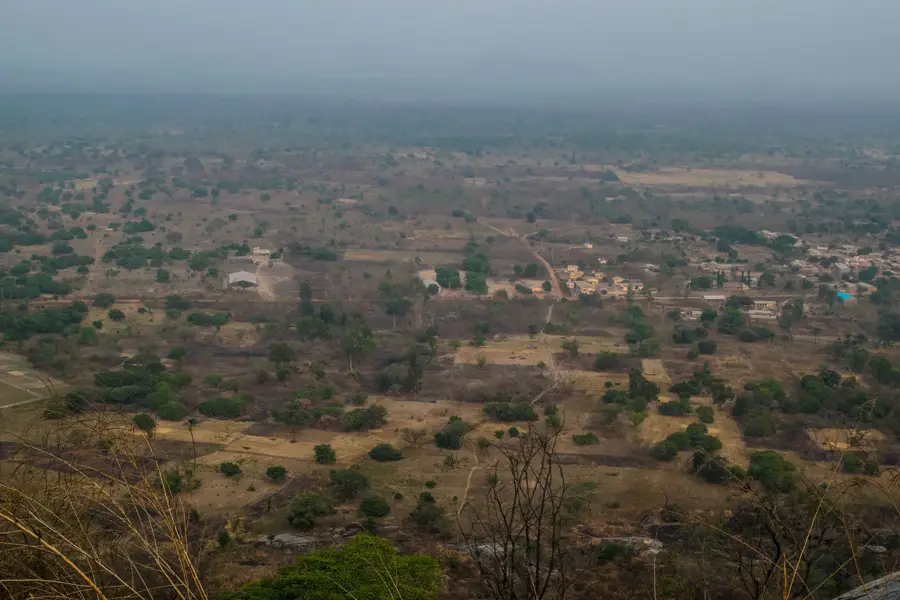
Dassa Hills
Famous for the '41 Hills', Dassa-Zoumé features unique granitic rock formations that dominate the central Beninese landscape.
Learn more →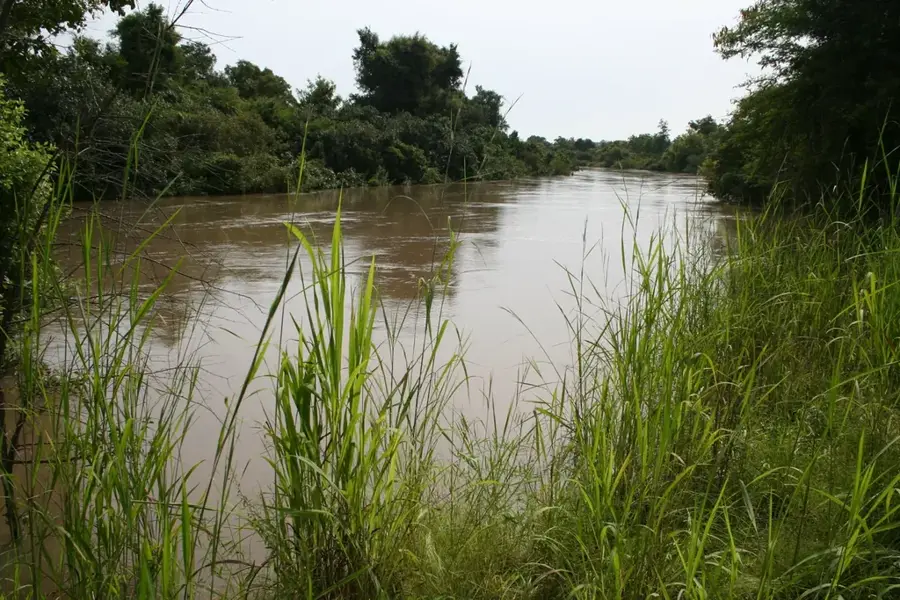
Bird Habitat of Lake Nokoué
The wetlands and reed beds of Lake Nokoué, which serve as a vital nesting and feeding ground for thousands of migratory and resident bird species.
Learn more →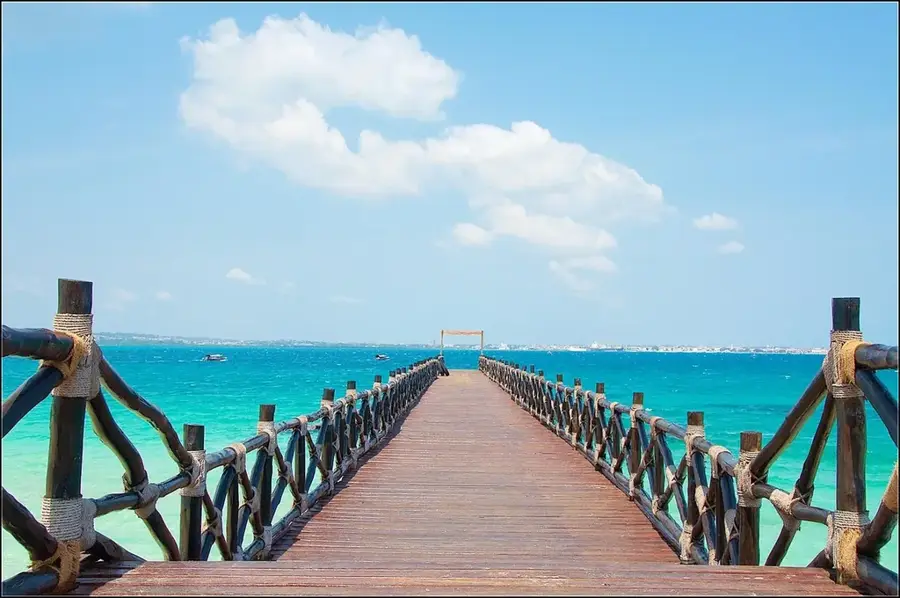
Slave Route
A 4 km long historical path in Ouidah that captives had to traverse before being shipped to the Americas.
Learn more →
Lama Forest
The Lama Forest is one of Benin's last remaining primary forests, located in a depression in the center of the country.
Learn more →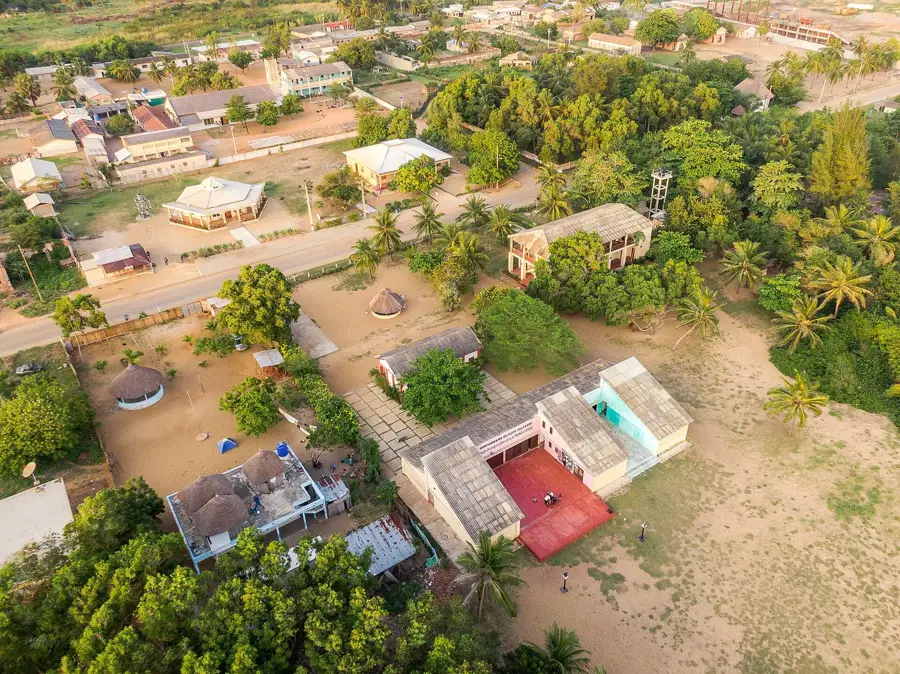
Grand-Popo Turtle Beach
The beaches of Grand-Popo are an important nesting site for various species of sea turtles.
Learn more →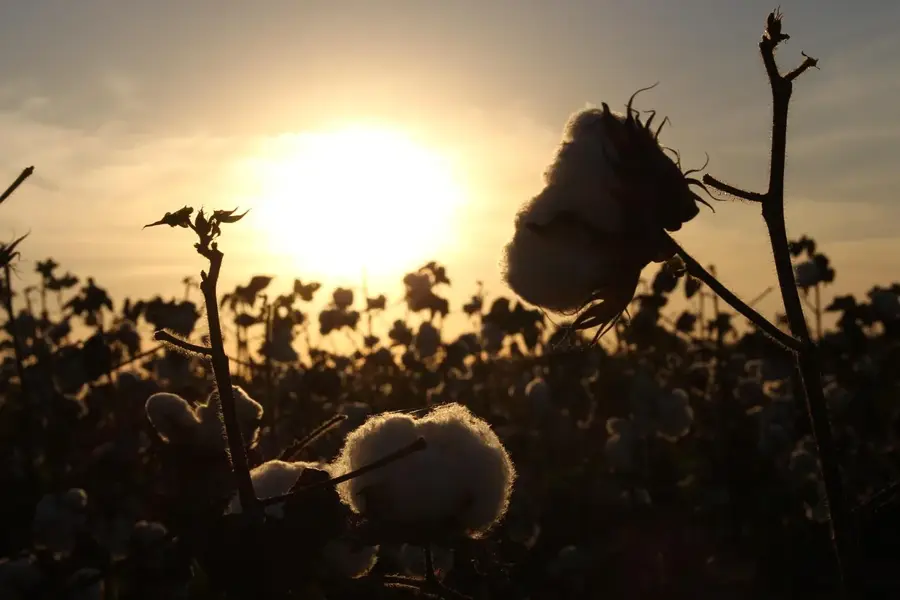
Cotton Fields of Banikoara
Banikoara is the capital of 'white gold' in Benin, producing the majority of the country's cotton.
Learn more →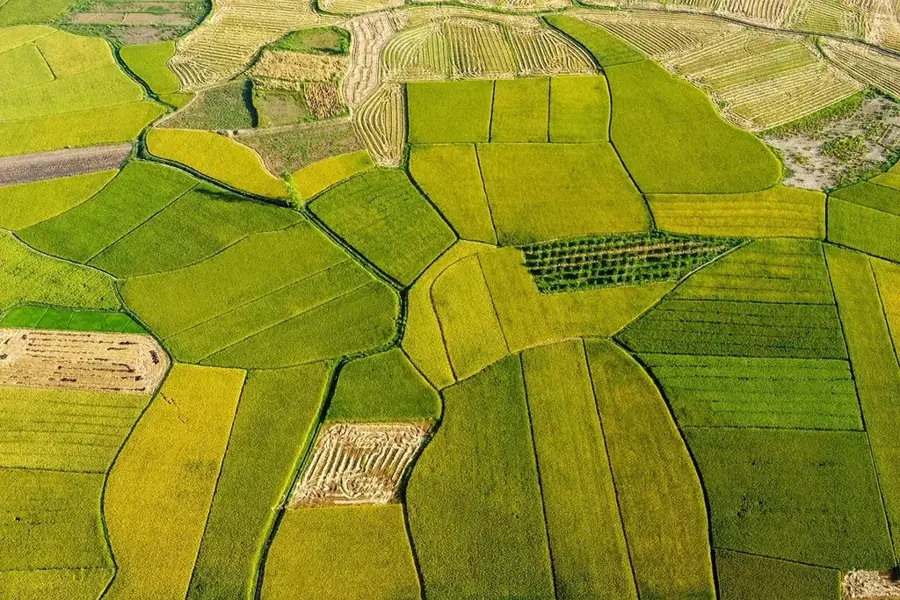
Rice Fields of the Ouémé Valley
The fertile floodplains of the Ouémé River, which provide ideal conditions for large-scale rice farming and aquatic agriculture.
Learn more →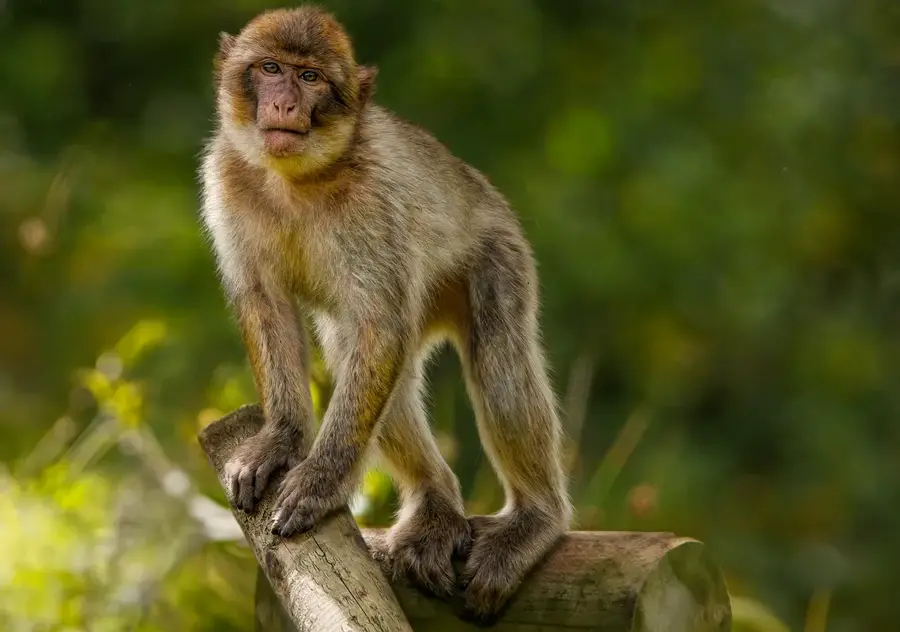
Drabo Monkey Sanctuary
A community-managed forest sanctuary in Drabo dedicated to the protection of the endemic red-bellied monkey and other local primates.
Learn more →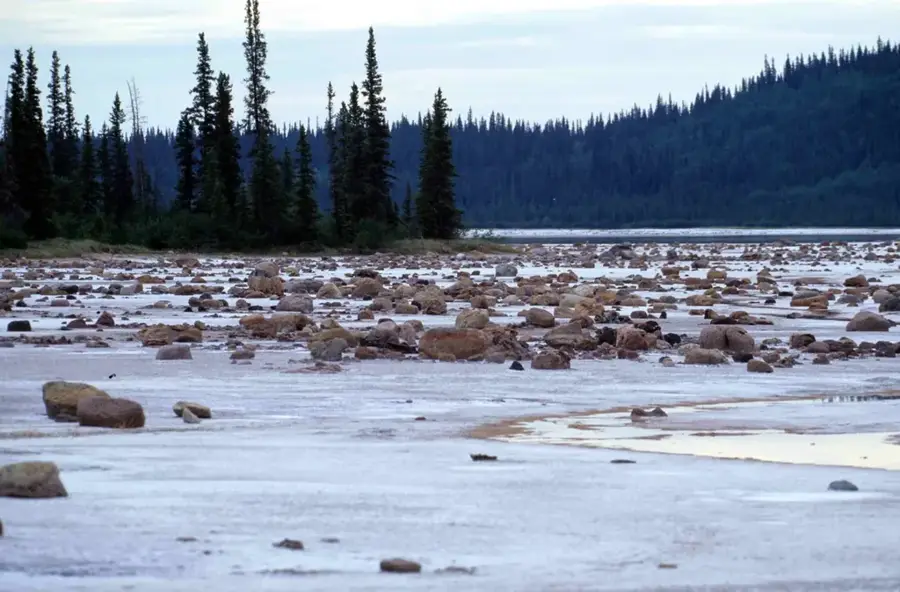
Buffalo Range of the W National Park
In the transboundary W National Park, large herds of African buffaloes graze in the floodplains of the Niger River.
Learn more →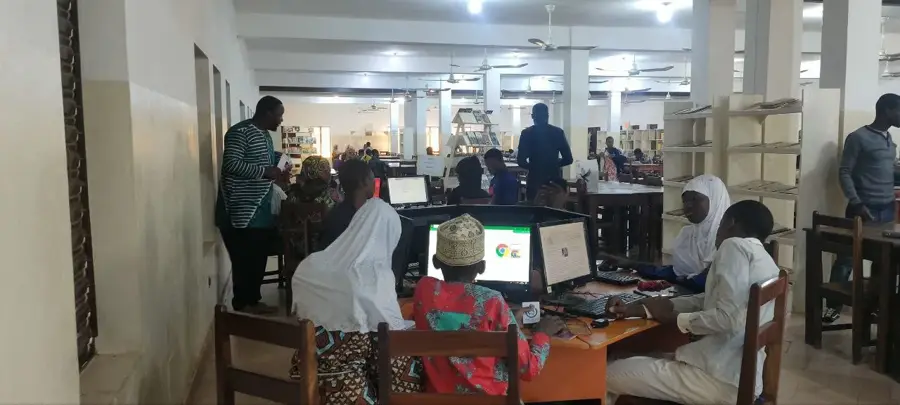
Cashew Plantations of Djougou
Djougou in the northwest is a significant center for the cultivation and export of high-quality cashew nuts.
Learn more →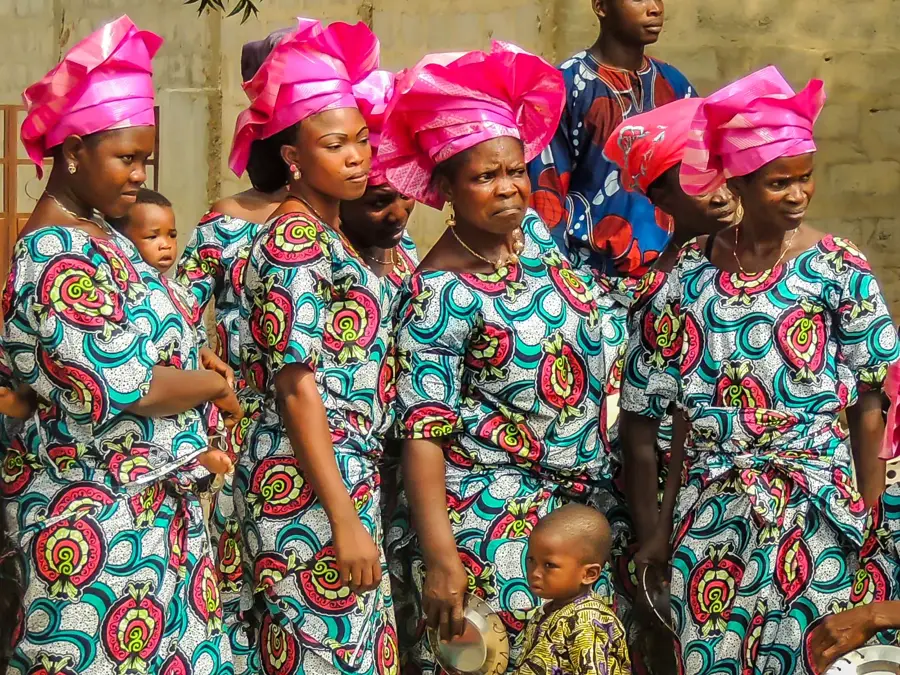
Sacred Forest of Kpassè
The Sacred Forest of Kpassè in Ouidah is an important spiritual and ecological center of Voodoo culture.
Learn more →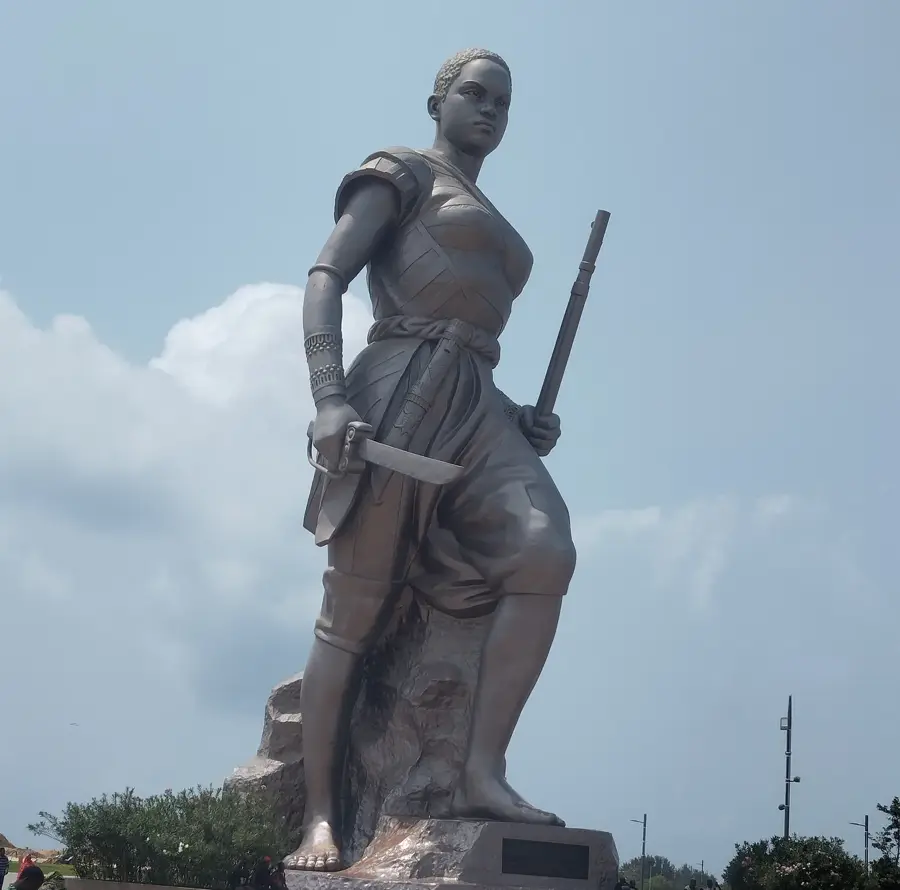
Dahomey Amazon Monument
A massive statue in Cotonou honoring the legendary female warriors of the Kingdom of Dahomey.
Learn more →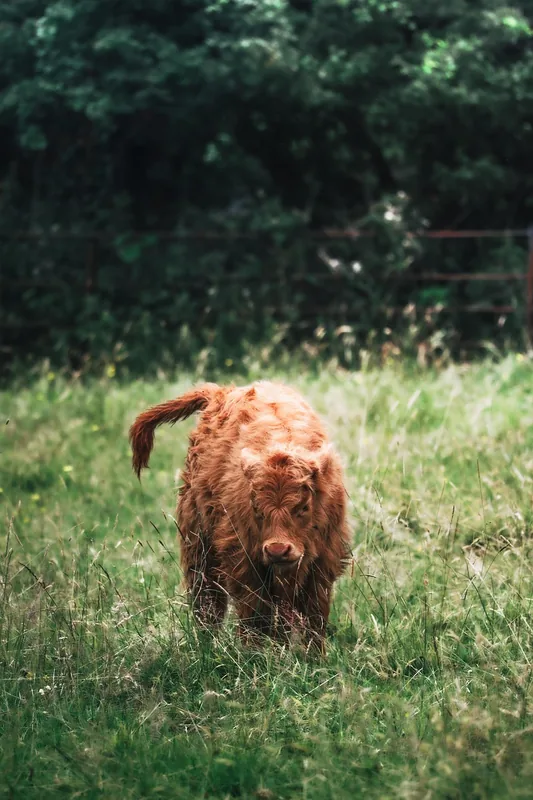
Borgou Cattle Grazing
The Borgou cattle is a local breed perfectly adapted to the climate of northern Benin.
Learn more →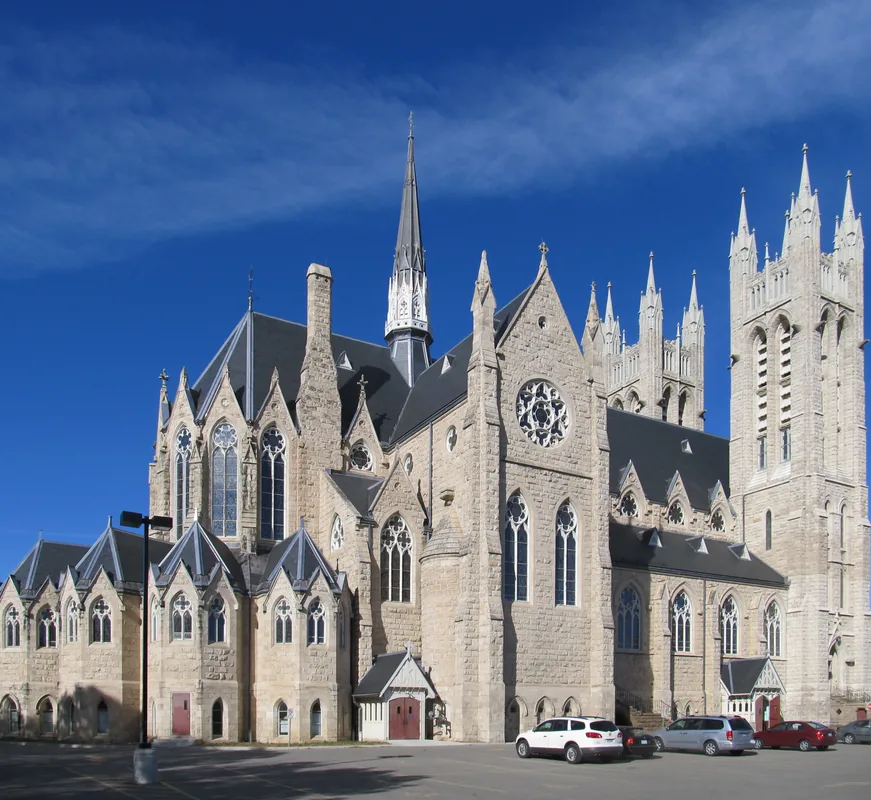
Basilica of the Immaculate Conception
The first Catholic basilica in West Africa, a significant religious and historical structure in Ouidah.
Learn more →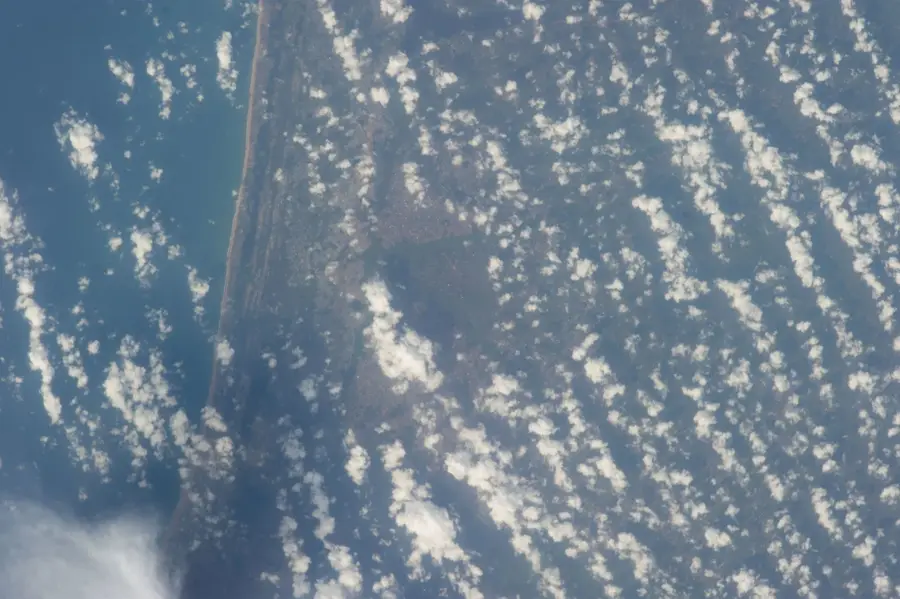
Gulf of Guinea
The Gulf of Guinea forms the entire southern coast of Benin and is part of the tropical Atlantic Ocean.
Learn more →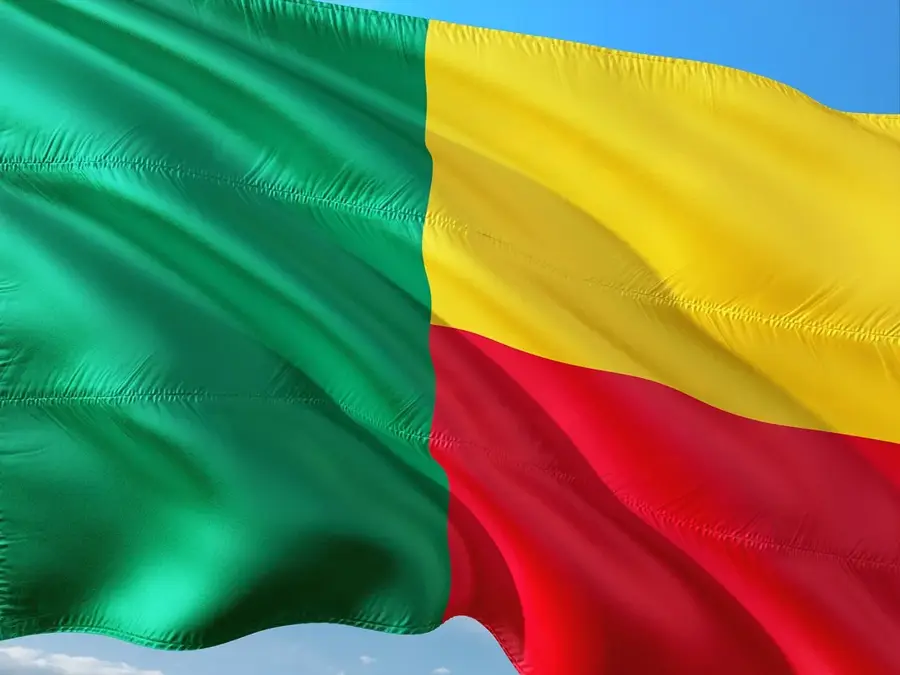
Bight of Benin
The Bight of Benin is a large bay in the northern part of the Gulf of Guinea, where Benin is located.
Learn more →Frequently asked questions
What are the top attractions in Benin?
Among the most popular are Friendship Stadium, Red Star Place, Cathedral of Our Lady of Mercy, Cotonou Lighthouse, Reconciliation Place and many more – the full top 50 list is on this page.
When is the best time to visit Benin?
May to October offers the most pleasant weather; July and August are warmest and busiest.