Plizio Visual Lab

Fort Tancrémont
Plizio editorial teamData Sources
fort
—°10
Fort Tancrémont (Belgium)

Weather…

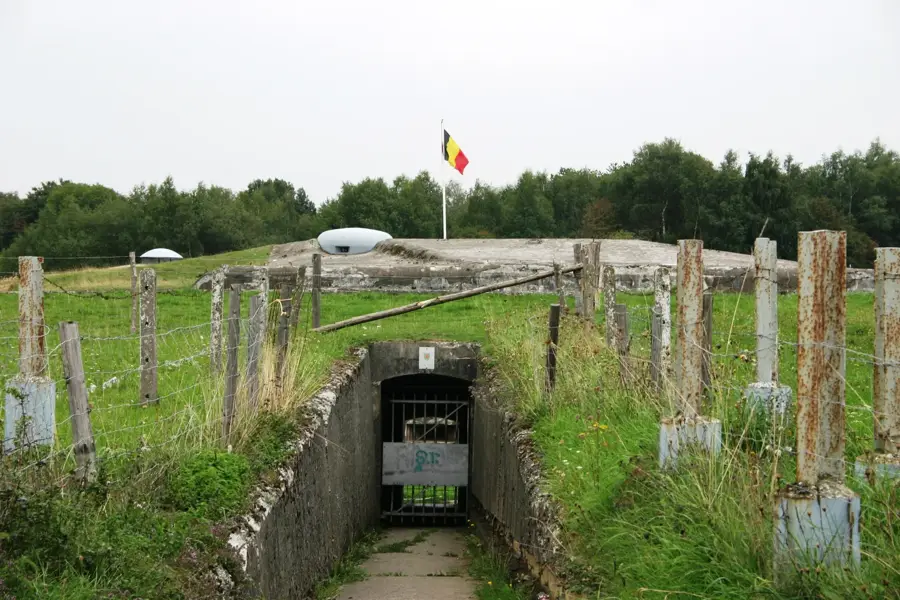
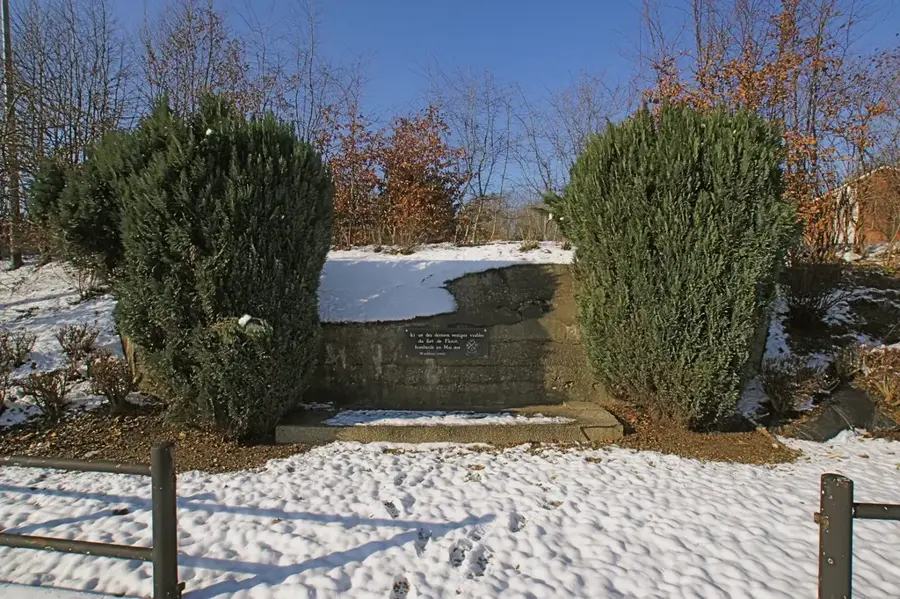
Fort Tancrémont is a significant military historical site located near Pepinster, forming part of the Fortified Position of Liège. It was constructed between 1932 and 1936 as one of the four new forts designed to bolster the Belgian border against a potential German invasion. Although smaller in scale compared to the famous Eben-Emael, it played a heroic role during World War II. Under the command of Captain Abel Devos, the garrison resisted fiercely and only surrendered on May 29, 1940, one day after the official capitulation of the Belgian army. The fortification features an extensive network of underground tunnels situated 28 meters below the surface, connecting various combat blocks. Today, the fort serves as a museum, documenting the technical sophistication of interwar defensive works and the daily lives of soldiers during the siege.

Best time to visit & climate

The most pleasant time to visit is Jun–Aug.

JanFebMarAprMayJunJulAugSepOctNovDec
Avg °C00481215171713951
Rain mm867672537779849166707890

📋 Practical info

🚪
Visiting
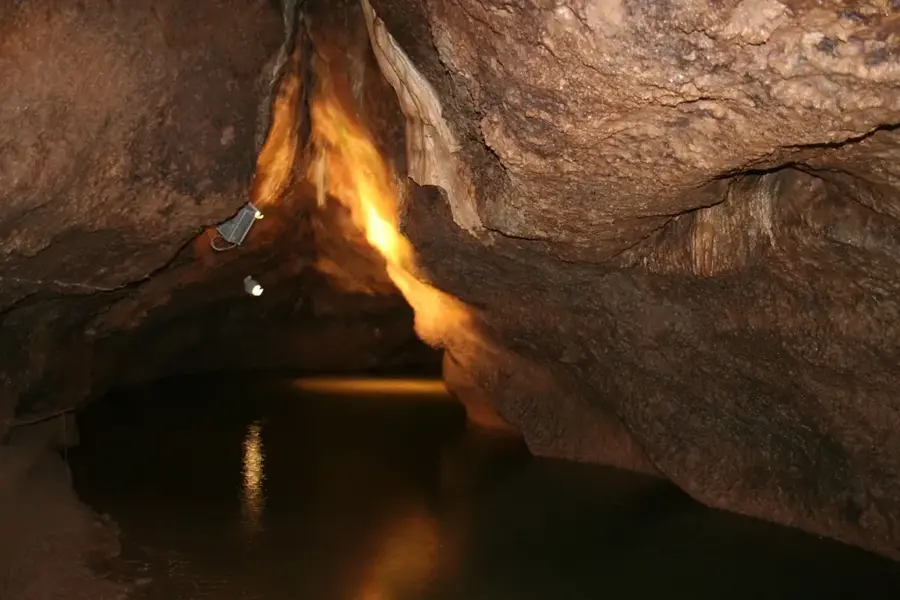
The main complex of Fort Tancrémont welcomes visitors to step back in time and walk through its extensive underground barracks and command centers. A guided visit is typically required to access the deepest levels, where you can see preserved equipment and living quarters.
🕒
Typical hours
Operating hours are traditionally concentrated around weekends, public holidays, and the broader summer vacation period in Belgium. For visits between late autumn and early spring, it is essential to consult their official website or contact local tourism offices to confirm available tour slots.
📷
Photography
You can take captivating photos of the imposing exterior concrete domes and the intricate underground network. Be mindful that tripods might not be allowed during group tours due to space constraints, so a fast lens is highly recommended for interior shots.
⏱️
Time needed
A comprehensive tour of the fort's interior and exterior defensive perimeters generally takes about two to three hours. True military history enthusiasts might easily spend half a day here examining the historical artifacts and reading detailed informational plaques.
Combine with
Touring Fort Tancrémont pairs perfectly with a visit to the nearby Fort d'Aubin-Neufchâteau or the immense Fort d'Eben-Emael for those doing a themed bunker route. The appealing town of Spa is also just a short drive away, offering excellent dining and relaxation options after a damp fortress tour.
🧭
Getting there
Traveling by personal car is the most practical way to arrive, as the fort is located in a fairly isolated location among the hills. Ample parking is usually available for visitors on-site, and following GPS coordinates to the main gate is straightforward.
💡
Insider tip
Make sure to use the restroom facilities before descending into the fortress, as amenities deep underground are virtually non-existent. A small flashlight can also be incredibly useful for illuminating darker corners that standard gallery lighting might miss.

Geography

Coordinates
50.50580, 5.76000

Facts

  • The fort was built as part of the second generation of Liège fortifications.
  • Construction of the facility spanned from 1932 to 1936.
  • It was the last Belgian fort to surrender in May 1940.
  • The underground tunnels are located at a depth of 28 meters.
  • Armament included 75mm and 120mm guns mounted in armored cupolas.
  • The fort housed approximately 500 soldiers during the combat operations.

Explore nearby

Notable places around
Route planner — Car & Motorhome

Where do you start? We build the route here, with stops and country notes along the way.

Vehicle
Only stops with (optional):

© OpenStreetMap contributors · OpenRouteService

Sights in the town Fort Tancrémont (10)

Red Panda

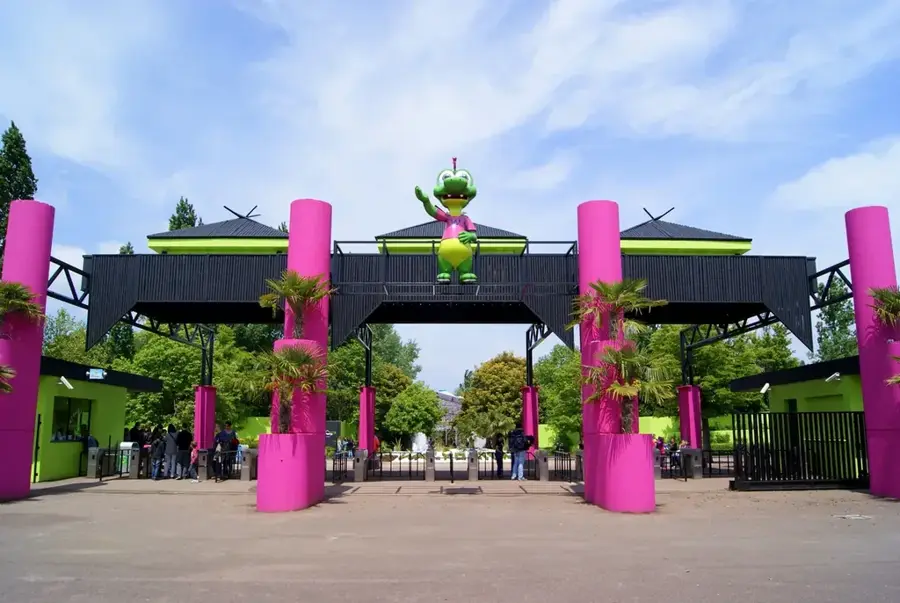
Attraction in the Forestia theme park, named after the red panda species kept there.

Forestia

Zoo and leisure park in Aywaille featuring local and exotic animal species.

Monde Sauvage Aywaille

Wildlife park in Aywaille with animals in naturalistic enclosures.

Borne n°1 de la Porallée

Boundary stone or marker in the Porallée area, part of a historical path network.

Chantoir de Chefosse

Sinkhole (chantoir) in Deigné, Belgium, a karst cave with a watercourse.

Chantoir du Rouge-Thiers

Sinkhole near Deigné, Belgium, a typical karst formation of the Ardennes.

Chantoir le Pussin

Sinkhole in Diegné, Belgium, part of the underground drainage system.

Château de Hautregard🏰 castle

Castle in the Walloon countryside, surrounded by woodland.

Château de Hodbomont "dit de Potelle"🏰 castle

Castle in the municipality of Theux, also known as Potelle.

Borne n°4 de la Porallée

Fourth boundary stone of the Porallée series, a historical landmark.

Sights nearby

Frequently asked questions

What is special about Fort Tancrémont?
It was the last Belgian fort to surrender to German troops in 1940.
Can the underground tunnels be visited?
Yes, guided tours are offered through the impressive bunker facilities.
Should you bring warm clothes?
Yes, it is quite cool in the underground tunnels all year round.
Where is the fort located?
It is located near Pepinster and Theux in the province of Liège.
Is there a well-known specialty nearby?
Yes, the village of Tancrémont is famous for its giant fruit tarts (Tartes).
Fort Tancrémont: where is it located?
Fort Tancrémont is located in Belgium.
Fort Tancrémont: what is there to see?
Highlights include Red Panda, Forestia, Monde Sauvage Aywaille.
Fort Tancrémont: when is the best time to visit?
The most pleasant time to visit is Jun, Aug.
Fort Tancrémont: why is it worth visiting?

Fort Tancrémont is a significant military historical site located near Pepinster, forming part of the Fortified Position of Liège.
View on map → The Top 50 Attractions → OpenStreetMap →
Europe
Explore with Plizio Discover more places in Europe
More places in Belgium →

Nearby cities

History & landmarks