Plizio Visual Lab
Fort Tancrémont (artillery)
Plizio editorial teamData Sources
fort
Weather…
Water temperature…
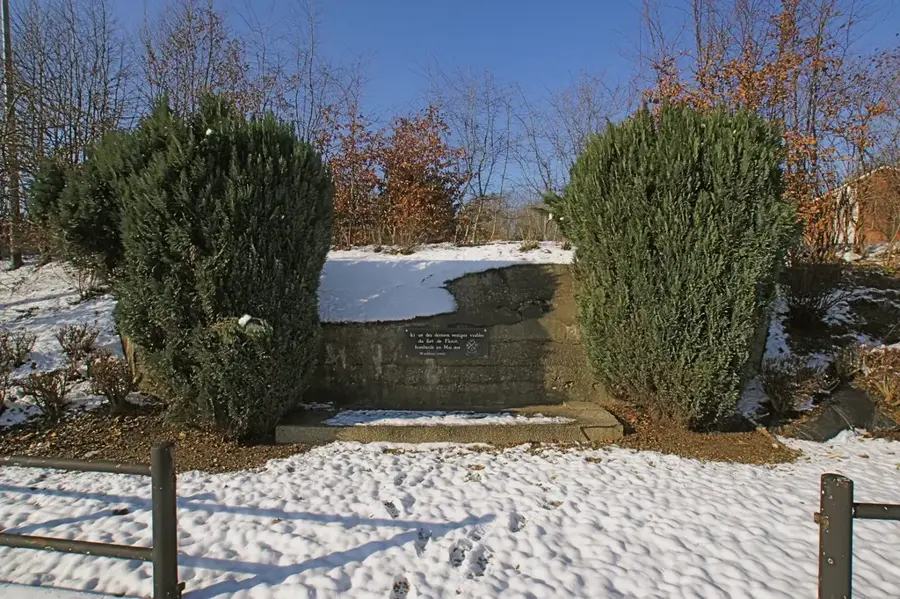
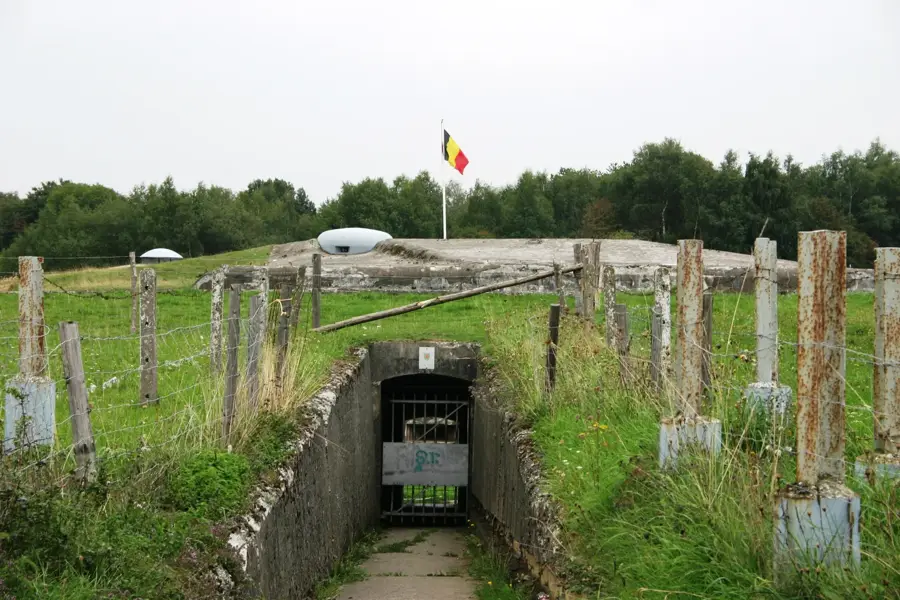
Fort Tancrémont is an exceptional example of Belgian military engineering from the interwar period, serving as a key element of the 'Position Fortifiée de Liège' (PFL). Constructed in the 1930s, its primary mission was to defend the strategic route to Verviers and impede any hostile advance from the east. The fort is renowned for its tenacious resistance during the Second World War; it did not surrender until May 29, 1940, one day after the formal capitulation of the Belgian Army, and only following a direct order to cease fire. The site features an extensive labyrinth of underground tunnels, barracks, and ammunition stores carved deep into the limestone to withstand heavy artillery strikes. Its original armament included modern retractable turrets, several of which are still intact and viewable today. Post-war, the fort was briefly used for military training before being transformed into a memorial and museum open to the public. It remains one of the best-preserved artillery forts of its time, illustrating Belgium's pre-war defensive posture.
- Location: Belgium
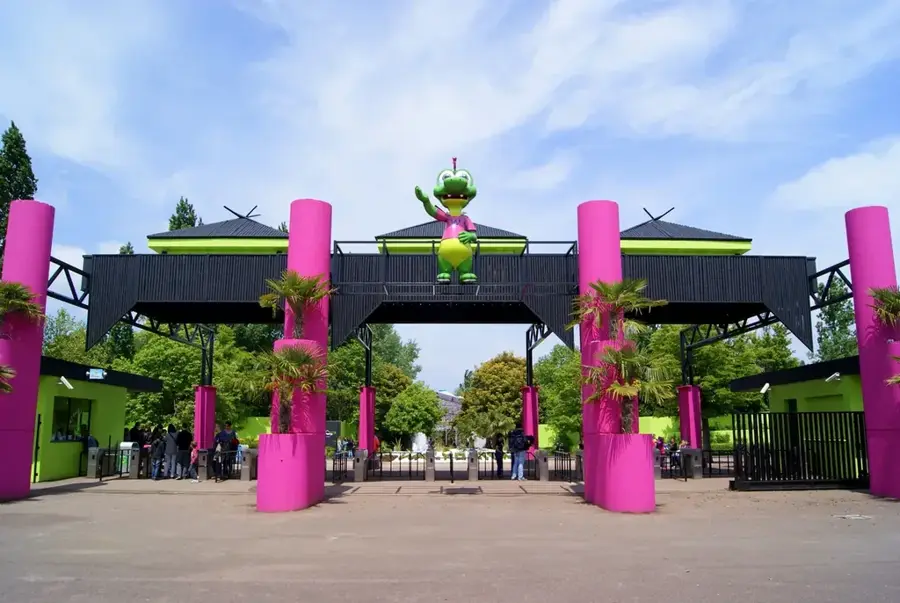
- Top sights: Forestia · Red Panda · Monde Sauvage Aywaille
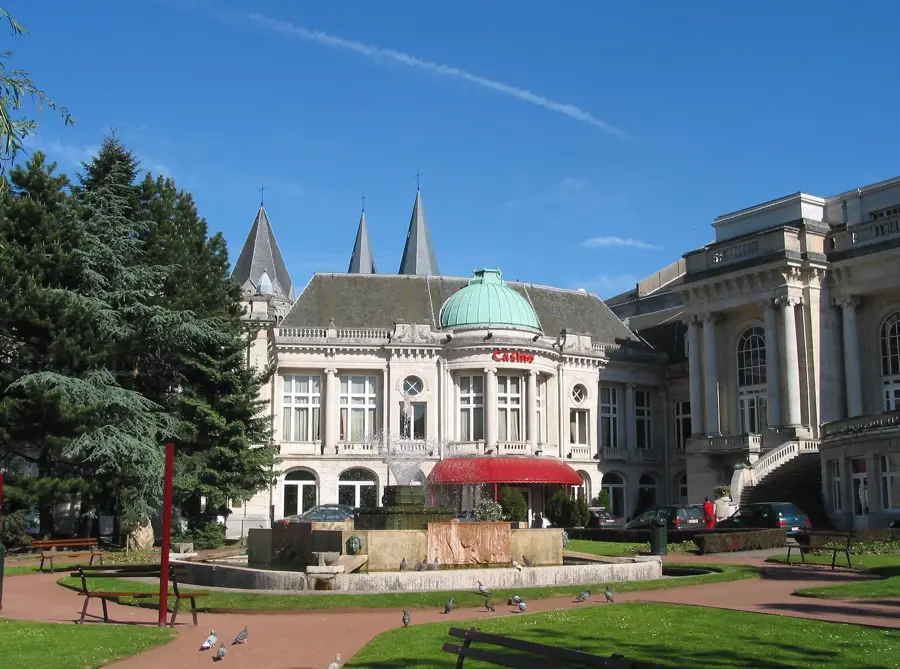
- Nearby: Spa (7 km)
Best time to visit & climate
The most pleasant time to visit is Jun–Aug.
| Jan | Feb | Mar | Apr | May | Jun | Jul | Aug | Sep | Oct | Nov | Dec | |
|---|---|---|---|---|---|---|---|---|---|---|---|---|
| Avg °C | 0 | 0 | 4 | 8 | 12 | 15 | 17 | 17 | 13 | 9 | 5 | 1 |
| Rain mm | 86 | 76 | 72 | 53 | 77 | 79 | 84 | 91 | 66 | 70 | 78 | 90 |
📋 Practical info
Visiting
Visitors can explore the preserved artillery installations of the fort, offering a unique glimpse into 1930s military defense systems. It is highly recommended to join a guided tour to fully understand the technical aspects of the subterranean guns.
Typical hours
Access is usually restricted to specific opening days, often focused on weekends or during the summer season. Always check the current schedule before your trip, as off-season visits might require advance booking.
Photography
Photography is generally permitted throughout the artillery sections, but the underground environment requires a camera with good low-light capabilities. Using a flash might be prohibited or simply ineffective in the vast concrete corridors, so rely on steady hands or a tripod if allowed.
Time needed
Expect to spend around one and a half to two hours exploring the artillery installations and surrounding defensive structures. This allows ample time to appreciate the mechanical complexity of the guns and read the informational displays.
Combine with
This specialized section is best combined with a complete tour of the main Fort Tancrémont complex to gain a holistic view of the fortifications. Additionally, you can easily visit the historic town of Verviers or the nearby Fort de Battice for a full day of military history.
Getting there
Reaching the site is most convenient by car, as public transport options in this rural part of the province of Liège can be sparse. There is usually a dedicated parking area near the main entrance where visitors can safely leave their vehicles.
Insider tip
Since the underground artillery galleries maintain a cool and damp climate throughout the year, be sure to bring a warm jacket even in mid-summer. Sturdy walking shoes are also essential due to the uneven and sometimes slippery concrete floors.
Geography
Facts
- The fort was completed in 1937 as part of the PFL defensive line
- It surrendered on May 29, 1940, following intense resistance
- The underground tunnel network exceeds 2 kilometers in length
- The main armament included 75mm and 120mm artillery pieces
- The fort is located at an altitude of 335 meters above sea level
- It is currently open to the public as a military history museum
Explore nearby
Notable places around
Route planner — Car & Motorhome
Where do you start? We build the route here, with stops and country notes along the way.
Vehicle
Only stops with (optional):
© OpenStreetMap contributors · OpenRouteService
Sights in the town Fort Tancrémont (artillery) (9)
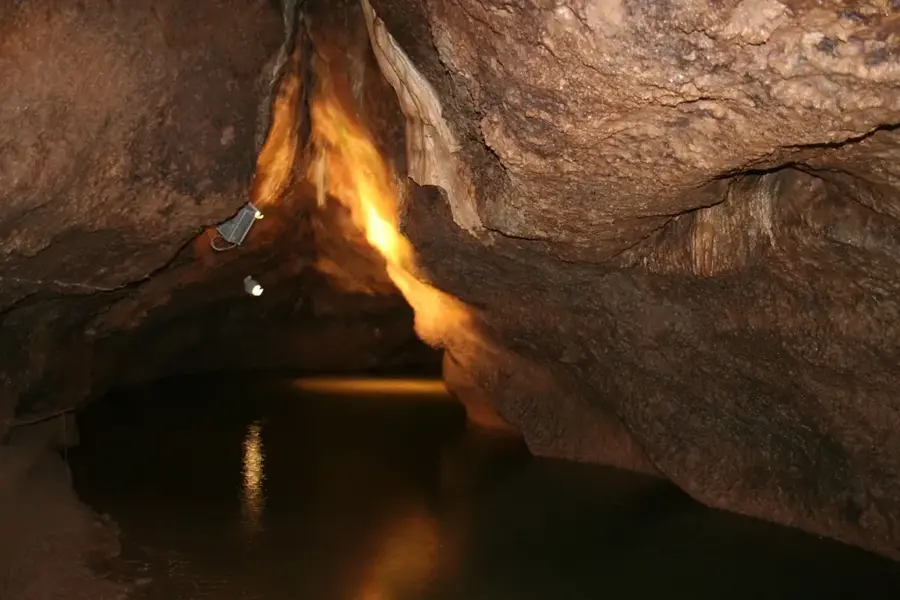
Chantoir de Chefosse
Sinkhole in Deigné, Belgium, a cave entrance.
Grotte - Chantoir d'Adzeux
Sinkhole and protected area (W-6813) in Deigné, Belgium.
Borne n°1 de la Porallée
Boundary stone in Aywaille, Belgium, a historical monument.
Château de Hodbomont "dit de Potelle"🏰 castle
Castle in Aywaille, Belgium, located in a forest.
Château de Hautregard🏰 castle
Castle in Aywaille, Belgium, surrounded by a park.
Sights nearby
Frequently asked questions
Can you visit Fort Tancrémont?
Yes, there are regular guided tours, usually on the first Sunday of the month (May to October).
What is special about this fort?
It was the last Belgian fort to surrender to German troops in May 1940.
Are the underground tunnels accessible?
Yes, guided tours show the impressive underground barracks and gun turrets.
What should you wear during the visit?
Warm clothing and sturdy shoes, as it is cool and damp underground (approx. 10-12°C).
Is there catering nearby?
Yes, the village of Tancrémont is famous for its huge fruit tarts (tartes).
Fort Tancrémont (artillery): where is it located?
Fort Tancrémont (artillery) is located in Belgium.
Fort Tancrémont (artillery): what is there to see?
Highlights include Forestia, Red Panda, Monde Sauvage Aywaille.
Fort Tancrémont (artillery): when is the best time to visit?
The most pleasant time to visit is Jun, Aug.
Fort Tancrémont (artillery): why is it worth visiting?
Fort Tancrémont is an exceptional example of Belgian military engineering from the interwar period, serving as a key element of the 'Position Fortifiée de Liège' (PFL).

Explore with Plizio
Discover more places in Europe
More places in Belgium →
Nearby cities
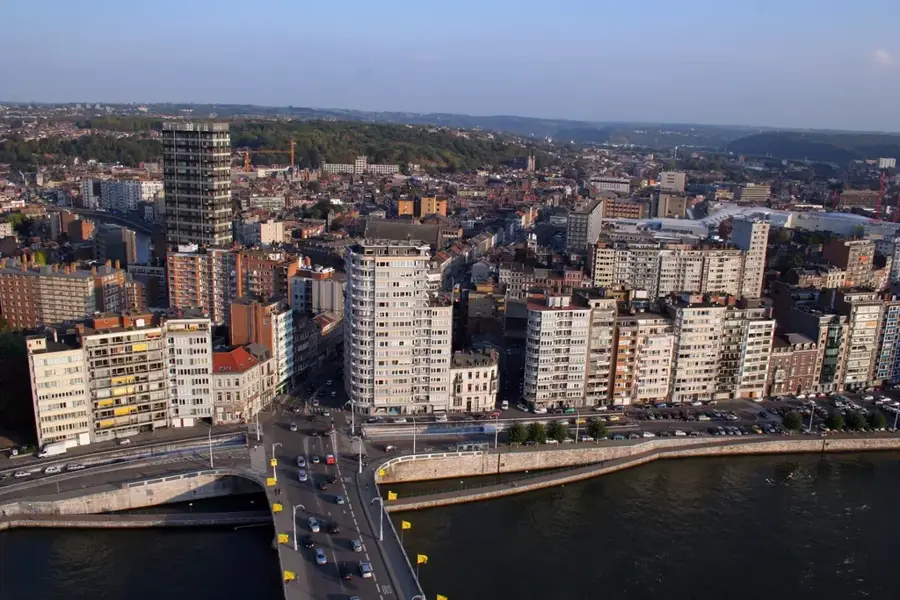
Liège
Liège is the largest city in Wallonia and a historic center of the steel industry.
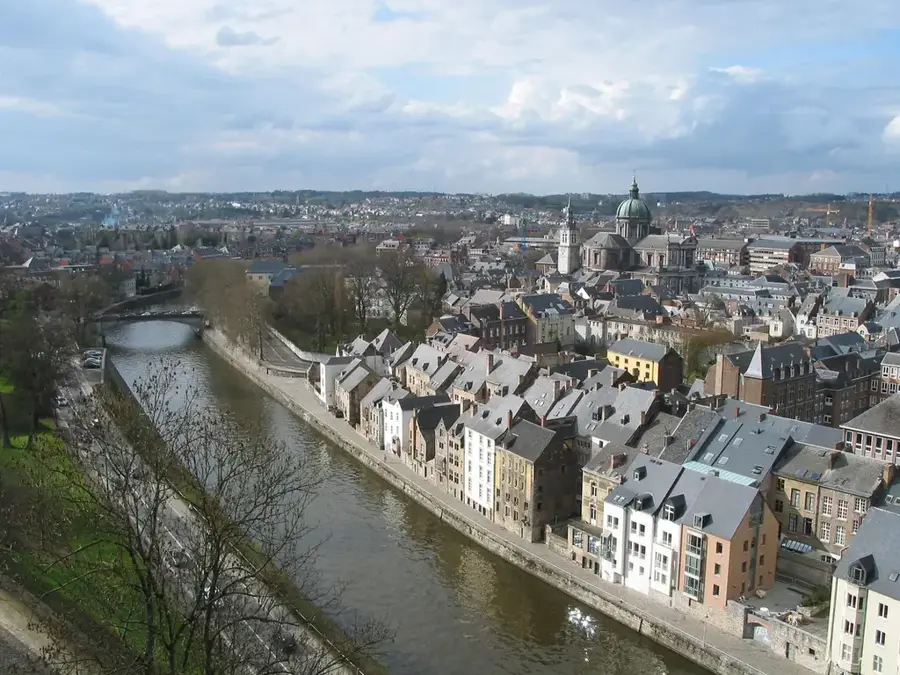
Namur
The capital of Wallonia sits at the confluence of the Meuse and Sambre rivers, crowned by one of Europe's largest citadels.
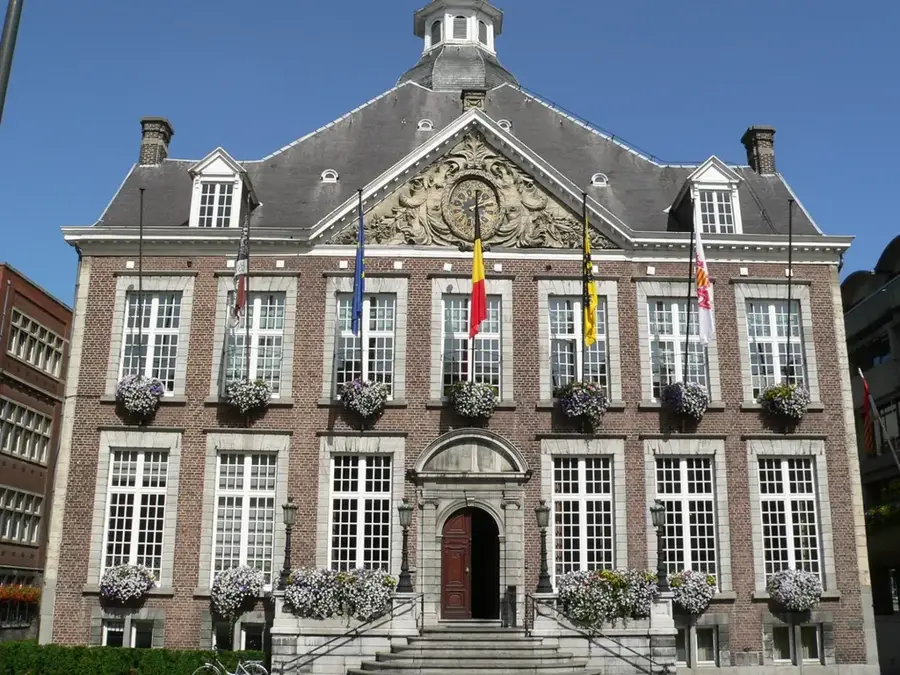
Hasselt
Hasselt is the capital of the Limburg province, known as the city of Jenever (gin).
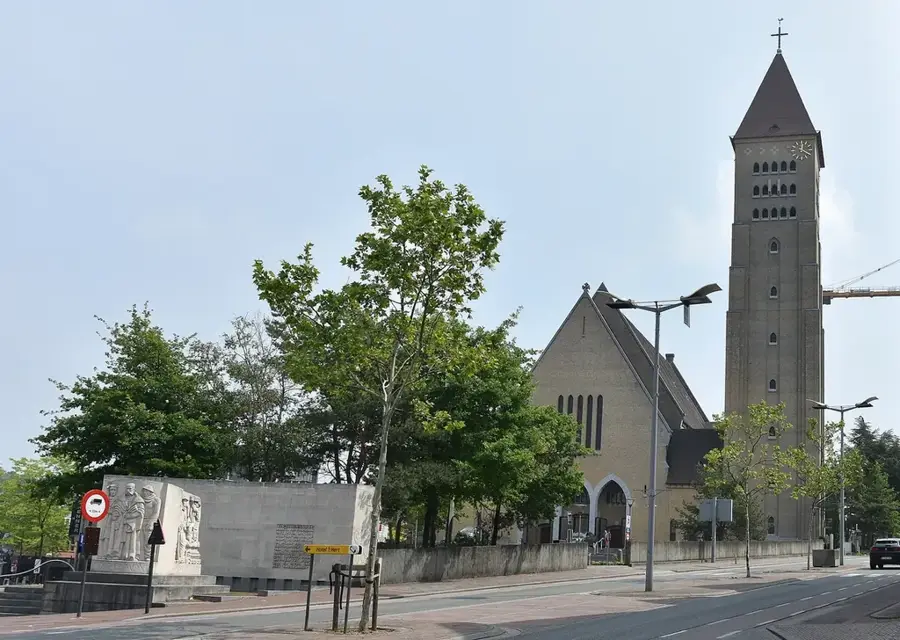
Genk
Genk is a major industrial center in Limburg that grew significantly due to coal mining.
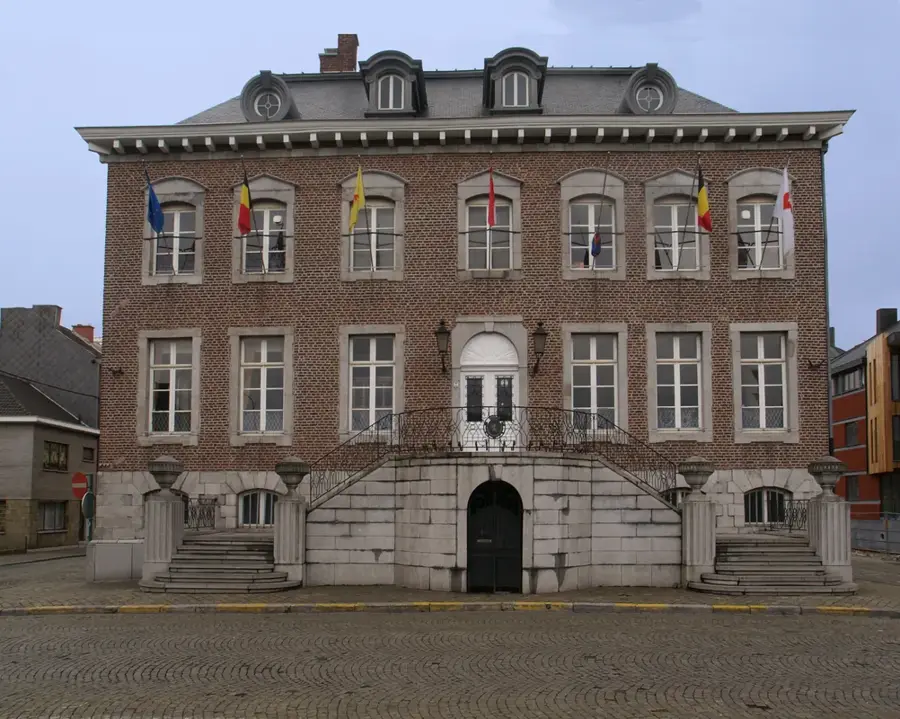
Seraing
Seraing is an industrial city located just south of Liège on the Meuse River.
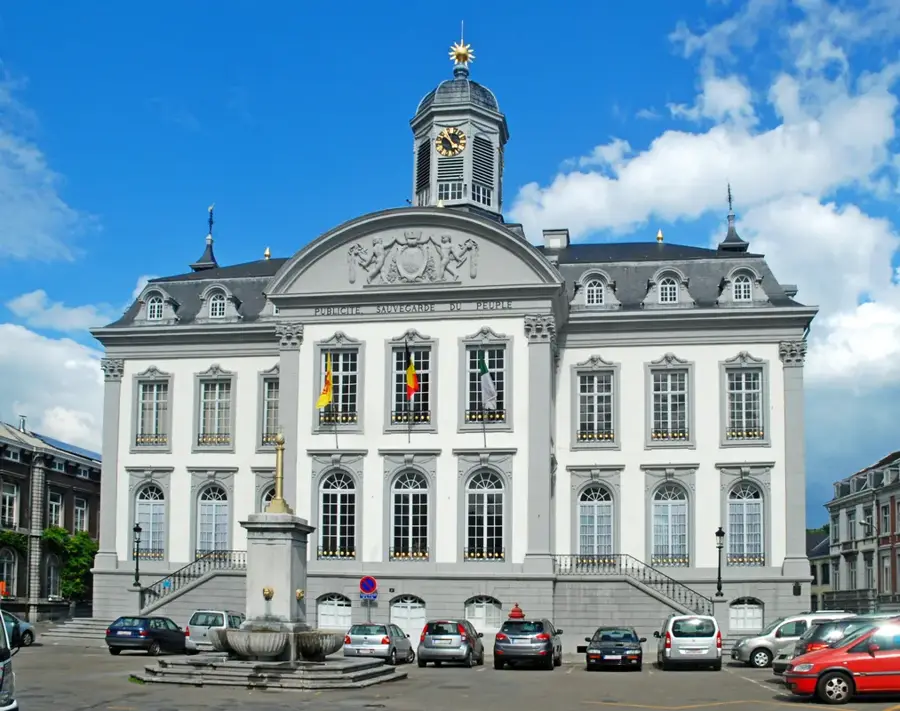
Verviers
Verviers is located in the Liège province and was once a global center for the wool industry.
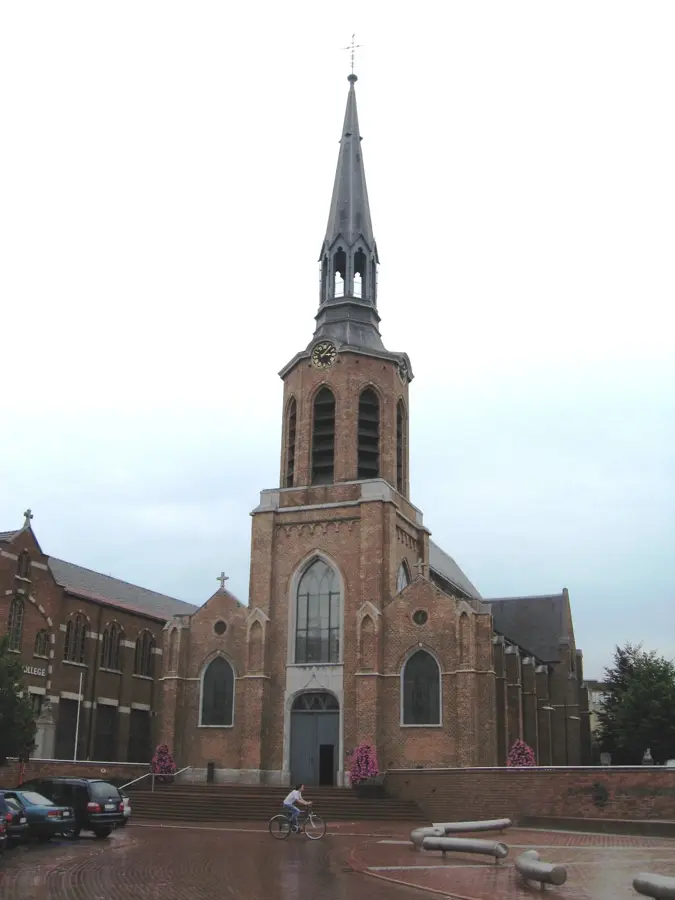
Beringen
Beringen is a city in the Limburg province, significantly shaped by coal mining.
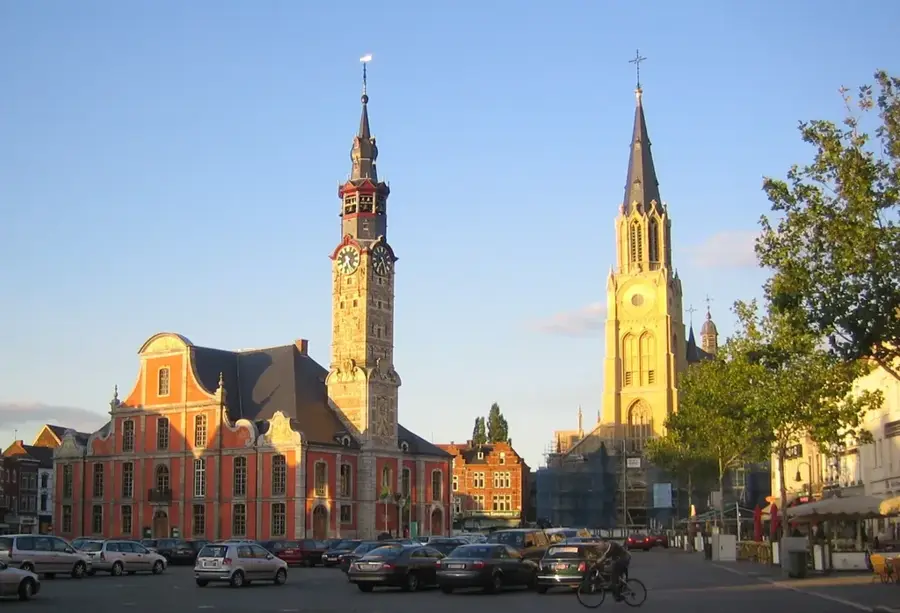
Sint-Truiden
Sint-Truiden is located in the heart of the Haspengouw fruit-growing region.
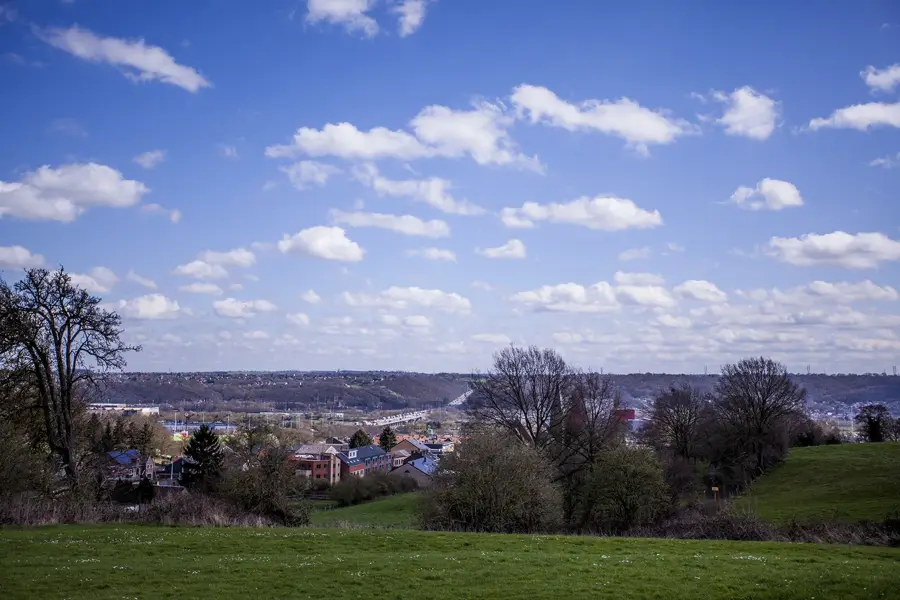
Herstal
Herstal is an industrial city located just north of Liège.
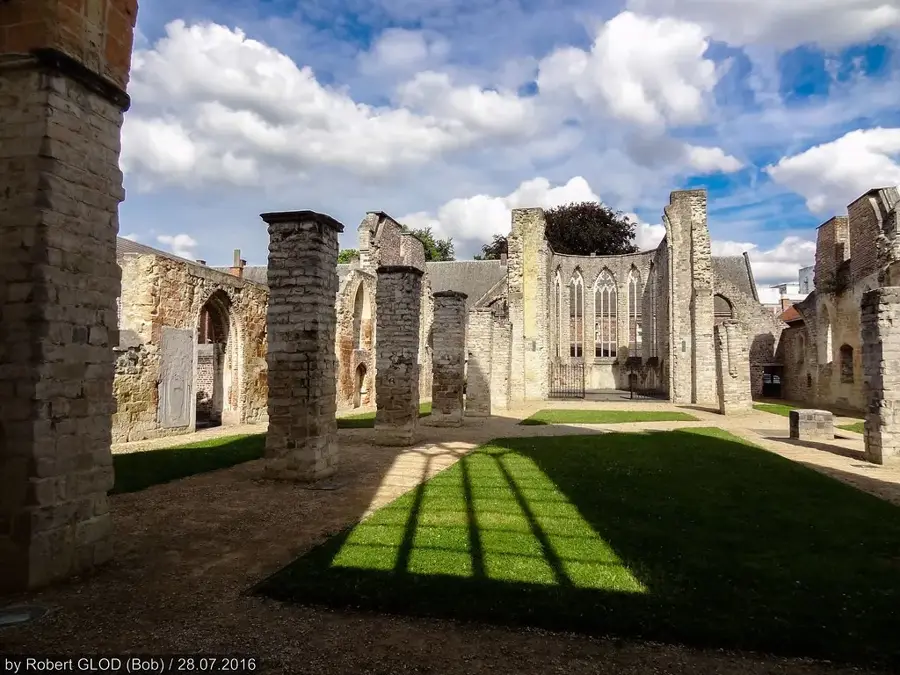
Tienen
Tienen is located in Flemish Brabant and is known as Belgium's 'sugar city'.
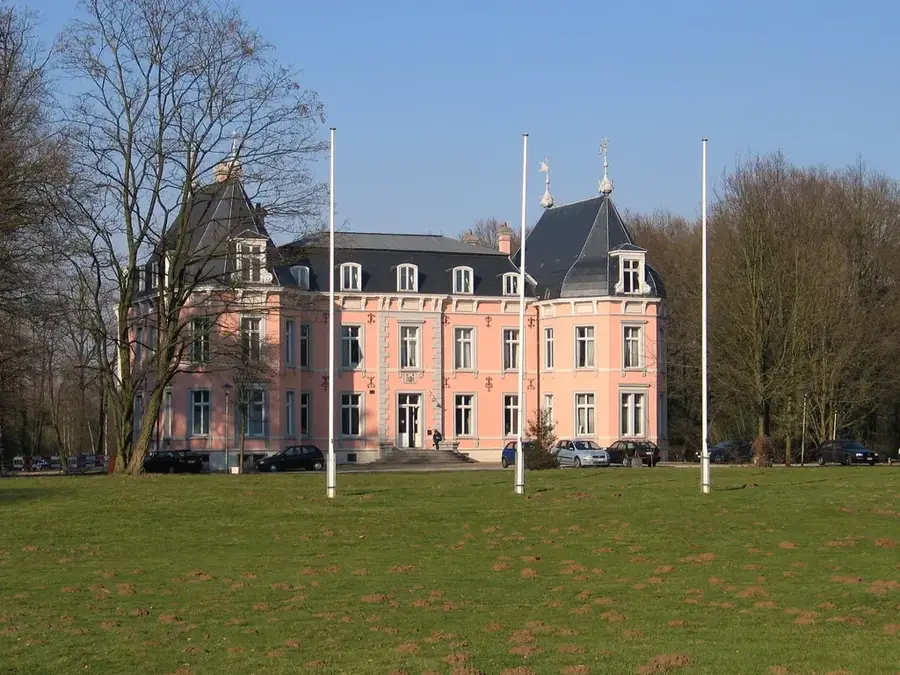
Heusden-Zolder
Heusden-Zolder is located in the province of Limburg.
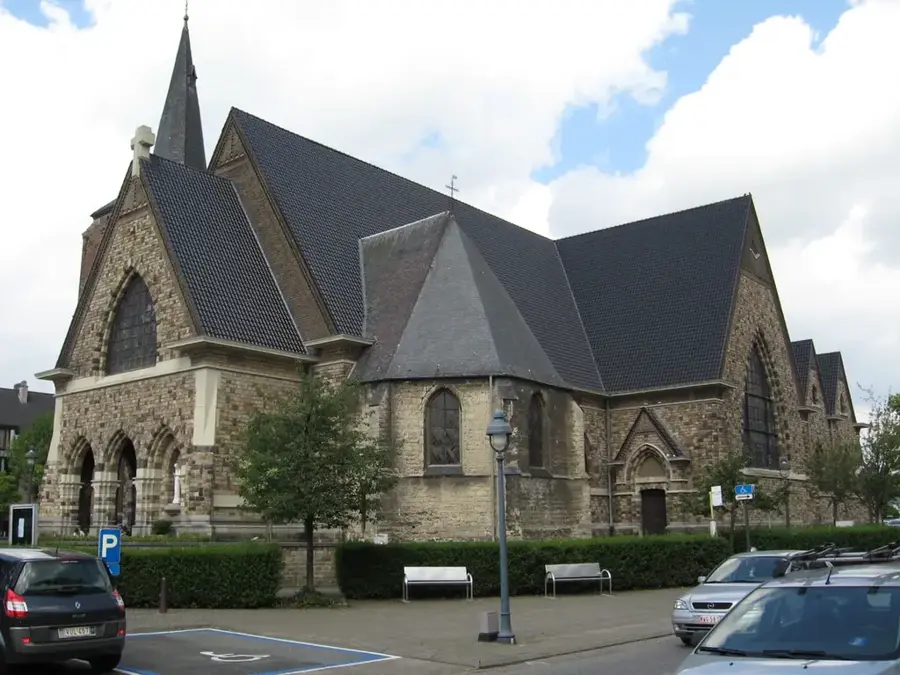
Houthalen-Helchteren
Houthalen-Helchteren is a municipality in Limburg offering a blend of industrial history and nature.
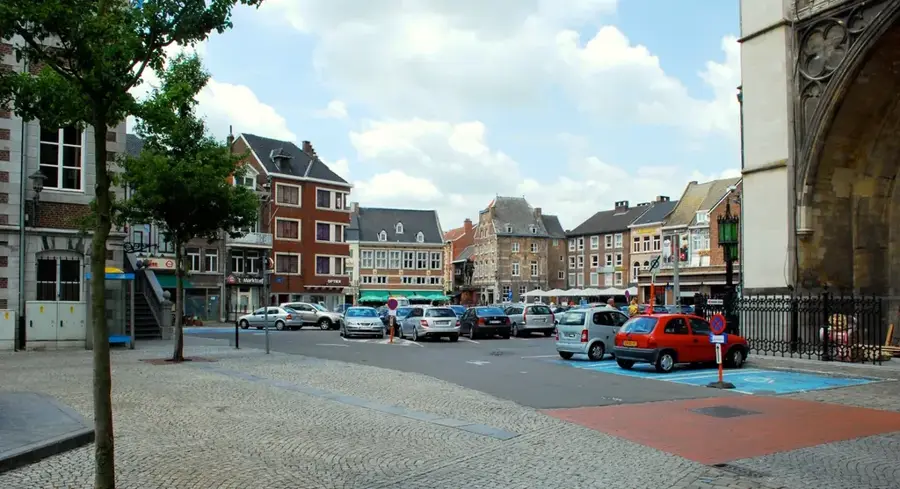
Tongeren
Tongeren is considered the oldest city in Belgium and was a significant Roman center.
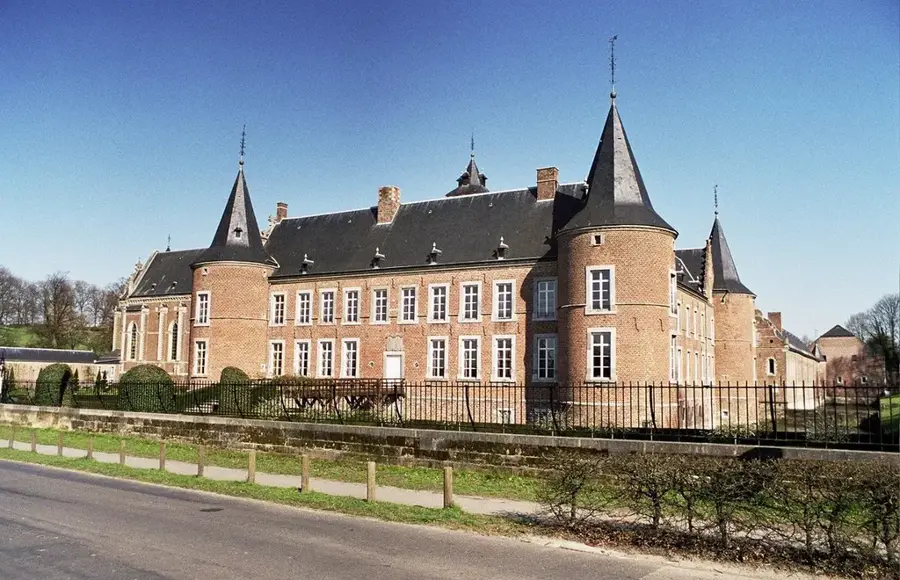
Bilzen
Bilzen is located in the Limburg province and is primarily known for Alden Biesen, one of the largest commanderies of the Teutonic Order …
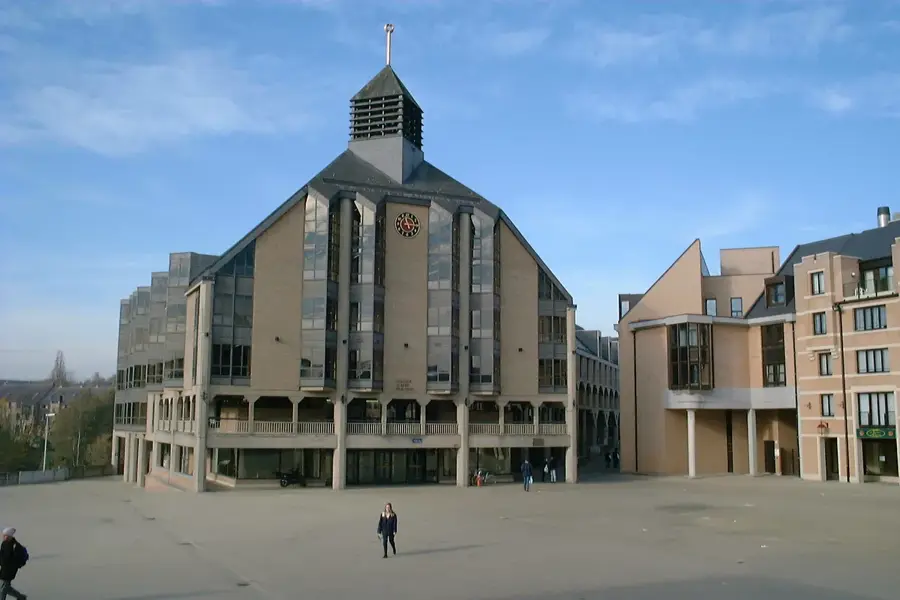
Louvain-la-Neuve
Louvain-la-Neuve is a modern, pedestrian-friendly university city in Belgium.