Plizio Visual Lab

Historical House of Independence
Plizio editorial teamData Sources
Historical site
—°15
Historical House of Independence (Argentina)

Weather…

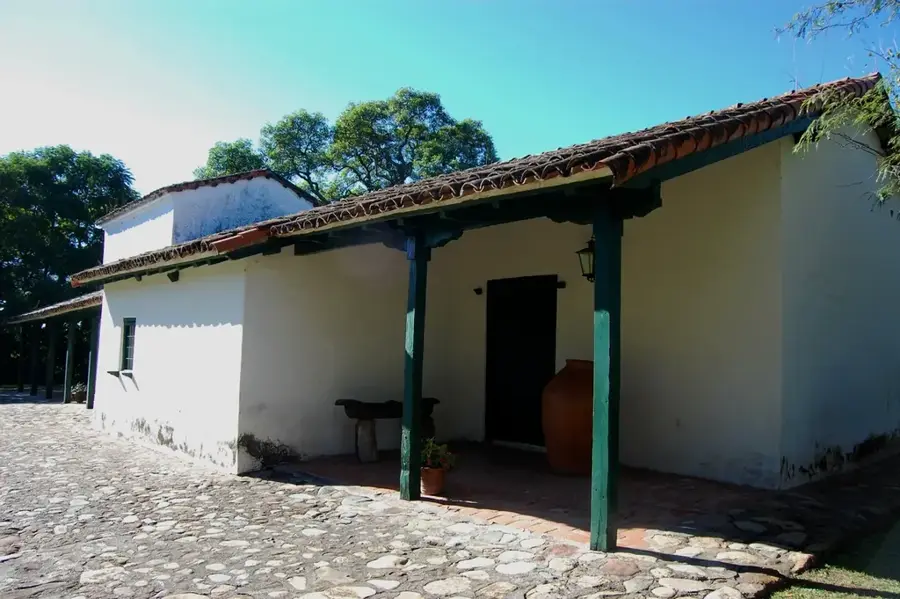
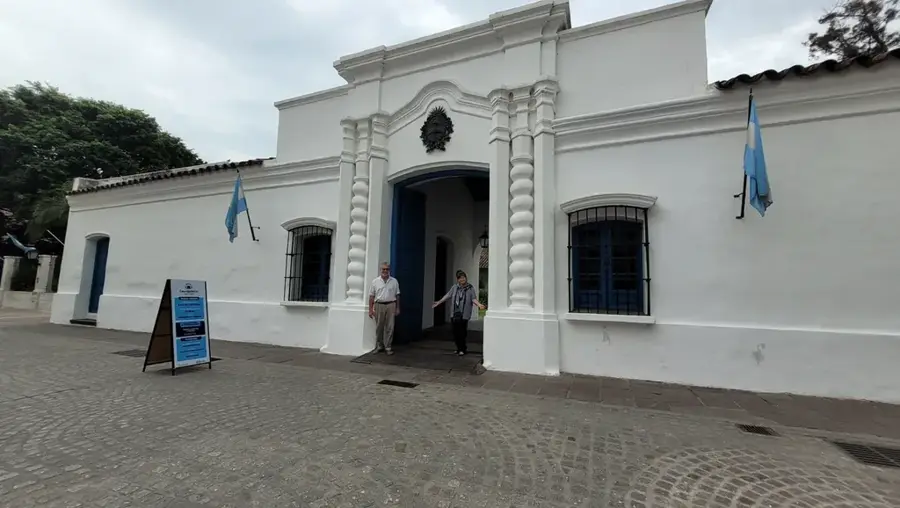
The Casa Histórica de la Independencia in San Miguel de Tucumán is the most symbolic building in Argentine history. It was here that the Congress of Tucumán solemnly declared the independence of the United Provinces of the Río de la Plata from the Spanish Crown on July 9, 1816. The house originally belonged to the Bazán y Esteves family and was rented for the congressional sessions. It is characterized by its distinct colonial architecture, featuring the prominent white portal and blue doors. During the 19th century, the building fell into almost complete ruin, except for the Hall of the Declaration of Independence (Sala de la Jura), which remained original. The rest of the house was faithfully reconstructed in the 1940s based on historical photographs and plans. Today, the building serves as a national museum and houses an extensive collection of documents, weapons, and furniture from the era of the independence struggles. Every year, it is the center of national Independence Day celebrations and is regarded as the 'Cradle of Liberty' for all Argentines.

Best time to visit & climate

The most pleasant time to visit is Apr, Aug, Sep.

JanFebMarAprMayJunJulAugSepOctNovDec
Avg °C272624211715141721252727
Rain mm188155127792420461452102154

📋 Practical info

🚪
Visiting
The Historical House of Independence in Tucumán is a museum and national monument showcasing the site of the 1816 Declaration of Independence signing. The entire building is accessible and gives historical exhibitions.
🕒
Typical hours
The museum is usually open Tuesday to Sunday from 10 am to 6 pm, closed on Mondays. On holidays, entry may be free.
📷
Photography
Photography without flash is allowed in the exhibition rooms. In some historic rooms, photography may be banned to protect sensitive furniture.
⏱️
Time needed
A visit typically takes 1 to 1.5 hours. For a detailed guided tour with explanations, allow 2 hours.
Combine with
The house is in central Tucumán, near the cathedral and Plaza Independencia. Combining it with Cerro San Javier mountain or Parque 9 de Julio gives a varied day.
🧭
Getting there
The museum is easily reachable on foot in central Tucumán. From the bus station it's about a 15-minute walk; many taxis are available.
💡
Insider tip
Take the guided tour to fully grasp the historical significance of the room where independence was signed. Also visit the inner courtyard with its traditional plants.

Geography

Coordinates
-26.83050, -65.20360

Facts

  • Independence was declared on July 9, 1816
  • The house belonged to the Bazán y Esteves family
  • Original Hall of the Declaration is preserved
  • Reconstruction of the rest was completed in 1943
  • Designated a National Monument in 1941
  • Home to the National Museum of Independence

Explore nearby

Notable places around

Route planner — Car & Motorhome

Where do you start? We build the route here, with stops and country notes along the way.

Vehicle
Only stops with (optional):

© OpenStreetMap contributors · OpenRouteService

Sights in the town Historical House of Independence (15)

Museo Provincial de Bellas Artes “Timoteo Navarro”🏛 museum

Established on June 18, 1916, this provincial fine arts museum in San Miguel de Tucumán houses an extensive collection of regional art.

🕒 Tu-Fr 09:00-12:30; Tu-Fr 15:30-19:30; Sa-Su 15:30-19:30🆓

Casa Histórica de la Independencia🏛 museum

This museum, originating from a historic 1760 house, is renowned as the site where Argentina's independence was declared.

Parque 9 de Julio🌳 park

This expansive public park features structured gardens and was named to honor Argentina's Independence Day.

Plaza Urquiza🌳 park

A lively urban square featuring shaded promenades and surrounded by elegant historic architecture.

Plaza Independencia🌳 park

The central plaza of the city is characterized by its lush lapacho trees and proximity to key government buildings.

Casa Museo de la Ciudad🏛 museum

Inaugurated in 2018, this municipal museum highlights the urban development and local history of the city.

San Francisco⛪ religious

A historic Catholic church known for its ornate religious architecture and significant role in the city's colonial past.

Virgen de La Merced⛪ religious

A major Catholic sanctuary dedicated to the patroness of the Argentine Army, featuring venerated religious imagery.

Monumento al Bicentenario🏺 historical

A soaring contemporary concrete monument erected to celebrate the 200th anniversary of Argentina's independence declaration.

San José Obrero🏺 historical

A dedicated religious monument standing as a public tribute to Saint Joseph the Worker.

Monumento al General José de San Martín🏺 historical

An imposing equestrian bronze statue that commemorates the strategic military leadership of the South American liberator.

Teatro Alberdi🎭 culture

A traditional theatrical venue that regularly hosts orchestral concerts, university performances, and classical plays.

centro cultural🎭 culture

This local arts center provides a creative hub for community exhibitions, workshops, and intimate live performances.

CiTá Abasto de Cultura🎭 culture

Operating within a repurposed market structure, this venue provides an alternative stage for independent local theater and music.

7th Day Adventist Church (Villa Muñecas)⛪ religious

A Protestant place of worship providing Saturday services and spiritual community for the Villa Muñecas neighborhood.

🕒 Tu 18:00-21:00; Sa 09:30-12:30

Sights nearby

Frequently asked questions

What is Casa Histórica de la Independencia?
It is the house in Tucumán where Argentine independence was declared in 1816. Today it is one of the country’s most important national monuments.
How long does the visit take?
For the museum and courtyard, 1 to 2 hours are often enough. If you want to read the exhibit at a relaxed pace, plan a bit more time.
Is the house easy to access?
Yes, it is centrally located in San Miguel de Tucumán and easy to reach. For wheelchairs, the historic areas are partly limited, while the courtyard is usually easier.
When is the best time to take photos?
Morning and late afternoon are best, when the courtyard has softer light. At midday the light can be very harsh.
What is the house known for?
It is the symbol of Argentine independence and a must-stop for history lovers. The mix of politics, memory, and architecture makes the place special.
Historical House of Independence: where is it located?
Historical House of Independence is located in Argentina.
Historical House of Independence: what is there to see?
Highlights include Museo Provincial de Bellas Artes “Timoteo Navarro”, Casa Histórica de la Independencia, Parque 9 de Julio.
Historical House of Independence: when is the best time to visit?
The most pleasant time to visit is Apr, Aug, Sep.
Historical House of Independence: why is it worth visiting?
The Casa Histórica de la Independencia in San Miguel de Tucumán is the most symbolic building in Argentine history.
View on map → The Top 50 Attractions → OpenStreetMap →
South America
Explore with Plizio Discover more places in South America
More places in Argentina →

Nearby cities

History & landmarks

More places