Plizio Visual Lab
Río Gallegos

ℹ️Practical info — Río Gallegos
▾
🌤 Weather — 5 days
📍 Nearby
Sights nearby
💡 Tips
- Always carry a strong windbreaker; the Patagonian wind here is relentless and chilly year-round.
- Stroll along the Ría Gallegos estuary boardwalk to observe unique local seabirds.
- Use the city to stock up on supplies before driving further to El Calafate or Tierra del Fuego.
- In summer, daylight lasts very long, giving you plenty of time for late afternoon explorations.
🍽 Food
Do not miss the traditional Patagonian roast lamb, available at major downtown steakhouses.
Head to specialized seafood restaurants to taste fresh Southern Atlantic king crab.
Warm up from the wind with a rich, thick hot chocolate at a cozy cafe on the main avenue.
🛍 Shopping · 🧘 Quiet spots
The main commercial street, lined with clothing stores, gear shops, and cafes.
Look for artisan chocolate shops offering sweet regional souvenirs.
The waterfront walk is peaceful on calmer days, excellent for watching the sunset.
Rent a car to visit this quiet, striking blue volcanic crater lake just outside the city.
Water temperature…
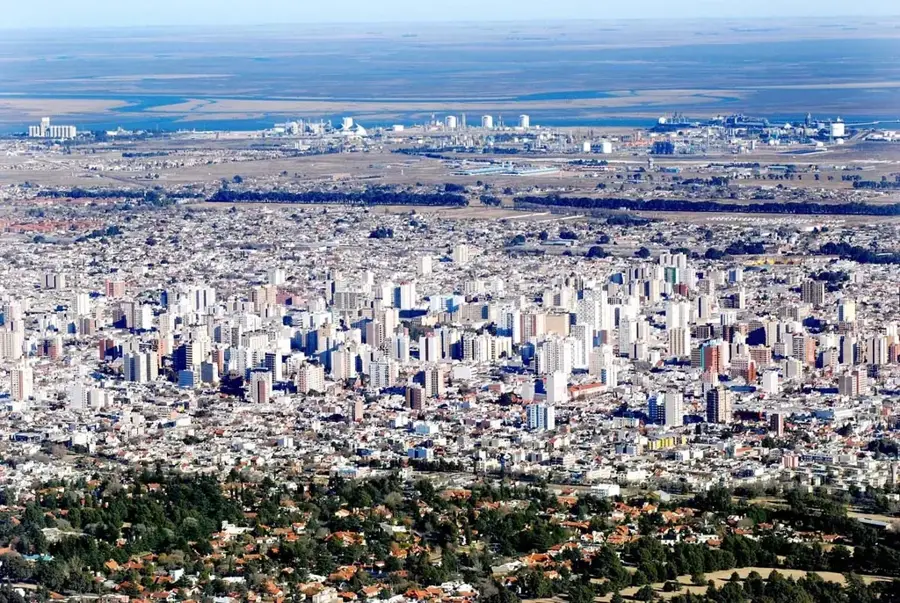
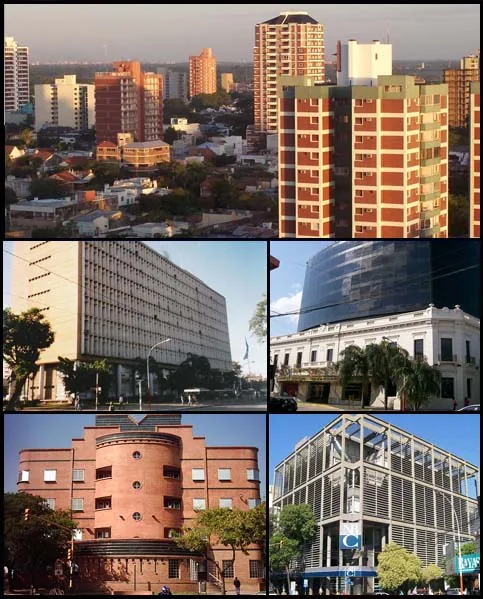
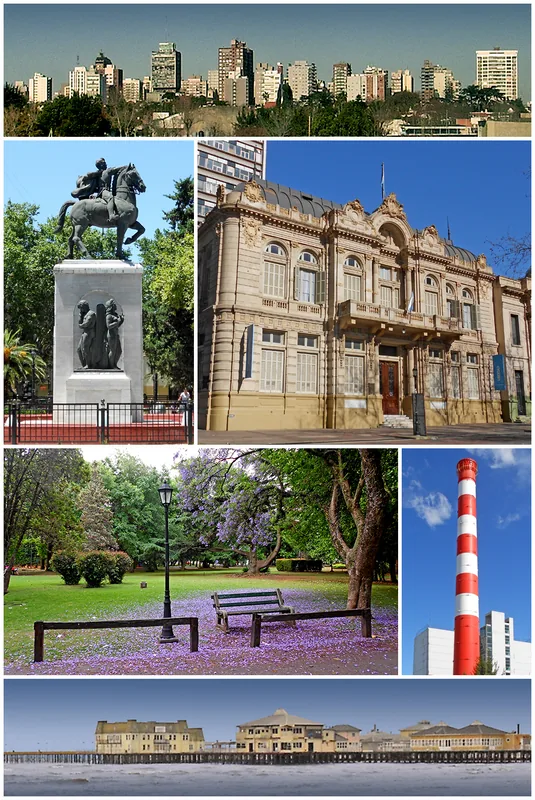
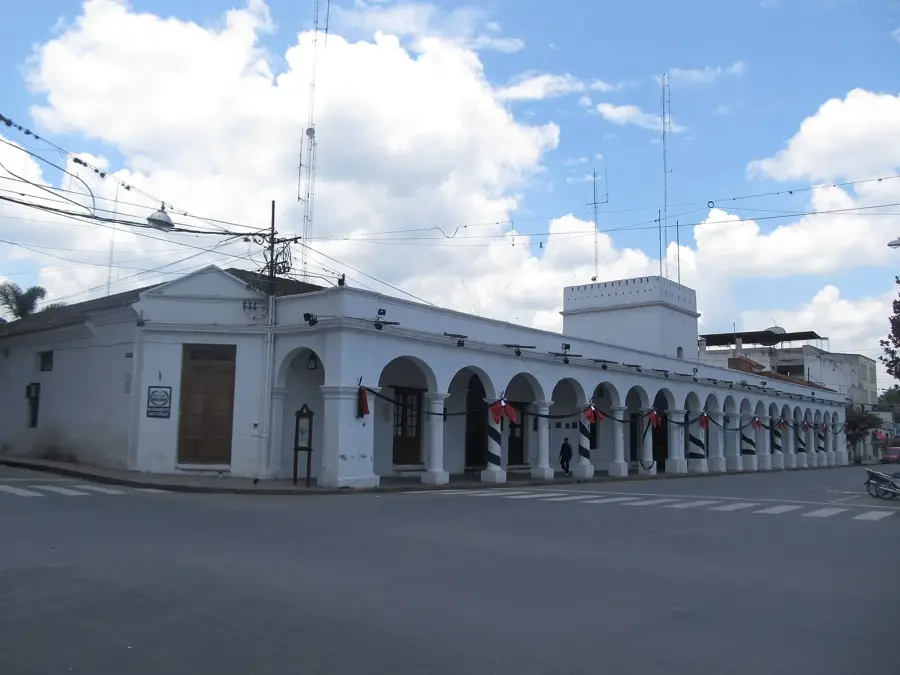
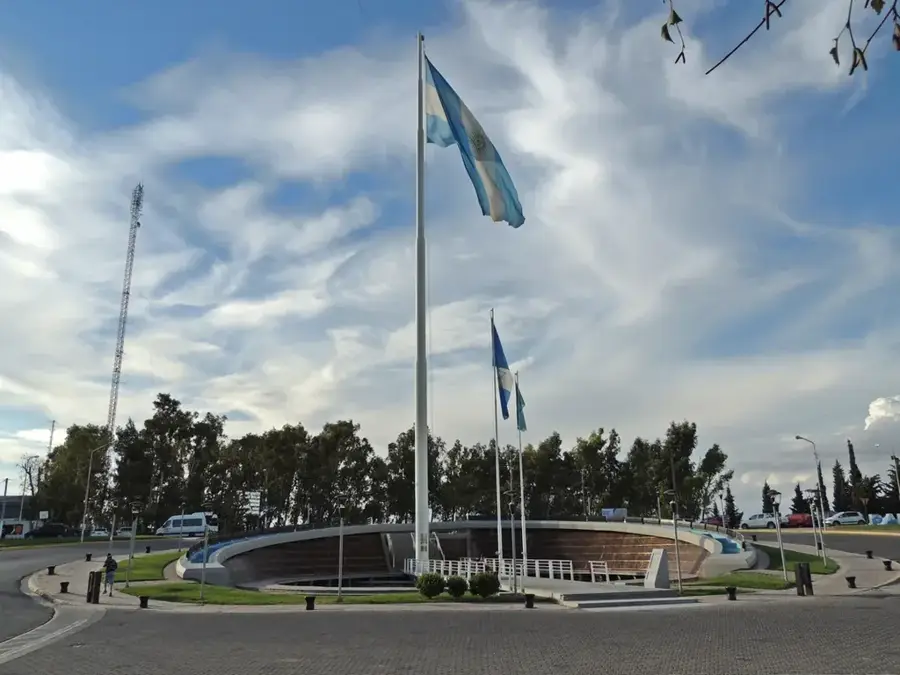
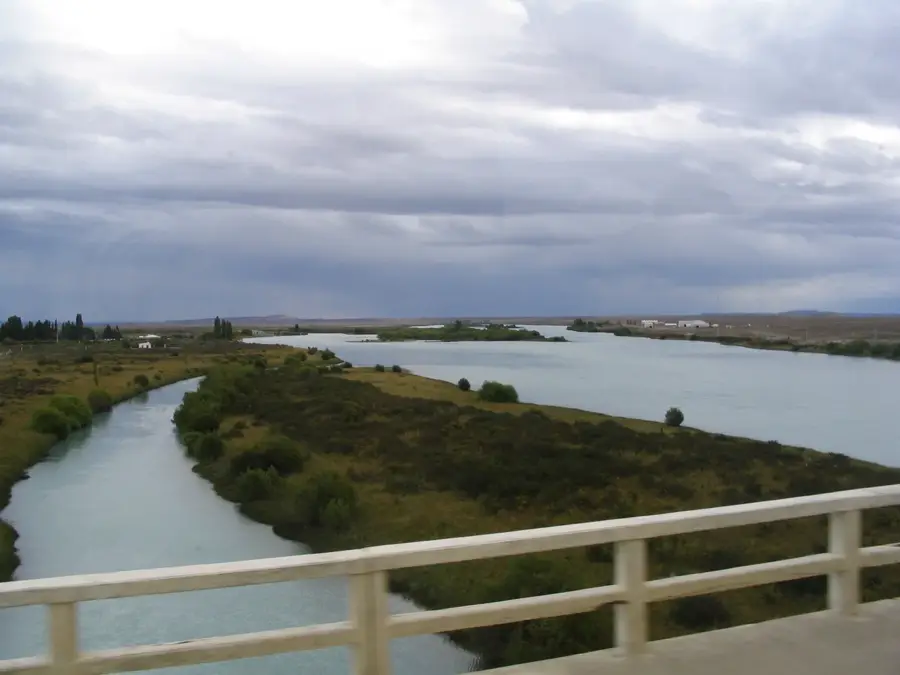
Río Gallegos, the capital of Santa Cruz Province, is the southernmost continental city in Argentina, situated on the estuary of the Río Gallegos river near the Atlantic coast. Established on December 19, 1885, as a maritime base, it has grown into a vital strategic and economic gateway to Southern Patagonia. The city's geography is defined by the vast, windswept Patagonian steppe, and its climate is subantarctic, characterized by cold temperatures and consistent, powerful winds. Historically, the city flourished during the early 20th century due to the sheep farming boom and later became a critical industrial hub with the development of coal mines in Río Turbio, connected by the world's southernmost industrial railway. Today, Río Gallegos is a powerhouse for the energy sector, serving as a primary base for oil and gas exploration and extraction in the Austral Basin. The city's architecture is a mix of contemporary government buildings and historic pioneer houses made of timber and corrugated iron, reflecting its frontier history. Cultural life is deeply linked to Patagonian identity, with a focus on local history, maritime traditions, and the legendary hospitality of the 'estancias.' Key landmarks include the Eduardo Minnicelli Art Museum and the Malvinas War Memorial, reflecting the city's role during the 1982 conflict. For nature enthusiasts, Río Gallegos is the jumping-off point for Cabo Vírgenes, home to the second-largest Magellanic penguin colony in the world and the starting point of the iconic Route 40. The city serves as an essential administrative and logistical link for the Santa Cruz province, connecting the remote interior with the rest of Argentina and the Antarctic territories. Despite its rugged environment, Río Gallegos has a unique blend of industrial strength, historical depth, and access to some of the most pristine natural landscapes on Earth.
- Location: Argentina
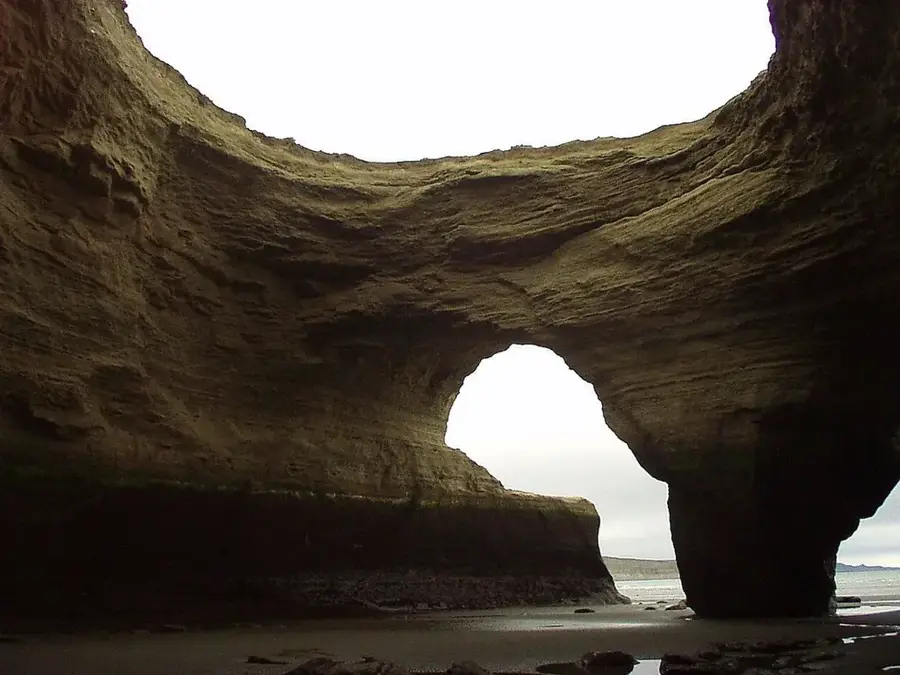
- Top sights: Museo de Arte Eduardo Minnicelli · Cañón · Museo Regional Manuel Molina
- Population: ~95.796 (2026)
Best time to visit & climate
The most pleasant time to visit is Jan, Feb, Dec.
| Jan | Feb | Mar | Apr | May | Jun | Jul | Aug | Sep | Oct | Nov | Dec | |
|---|---|---|---|---|---|---|---|---|---|---|---|---|
| Avg °C | 12 | 12 | 11 | 8 | 6 | 4 | 3 | 3 | 5 | 7 | 9 | 11 |
| Rain mm | 37 | 38 | 42 | 39 | 39 | 34 | 32 | 33 | 25 | 29 | 33 | 41 |
Geography
Facts
- Río Gallegos is the capital of Santa Cruz, the least densely populated province in Argentina.
- The city's name comes from the explorer Blasco Gallegos, part of Magellan's expedition.
- It features the southernmost continental airport in the world with scheduled jet flights.
- The city is a major center for the 'Patagonian Lamb' meat industry.
- The tides in the Río Gallegos estuary can fluctuate by as much as 18 meters.
- It was the first city in Argentina to have a dedicated museum for children's art.
- The nearby Blue Lake (Laguna Azul) is situated inside a dormant volcanic crater.
- The city serves as the gateway to the Glaciers National Park for southern travelers.
Explore nearby
Notable places around
Route planner — Car & Motorhome
Where do you start? We build the route here, with stops and country notes along the way.
© OpenStreetMap contributors · OpenRouteService
Sights in the town Río Gallegos (10)
Frequently asked questions
How many days do you need in Río Gallegos?
What is the best time to visit Río Gallegos?
How do you get to Río Gallegos?
What is Río Gallegos known for?
Is Río Gallegos family-friendly?
Río Gallegos: where is it located?
Río Gallegos: what is there to see?
Río Gallegos: when is the best time to visit?
Río Gallegos: why is it worth visiting?
Nearby cities