Plizio Visual Lab
La Rioja
ℹ️Practical info — La Rioja
▾
🌤 Weather — 5 days
📍 Nearby
Sights nearby
💡 Tips
- The afternoon siesta is strictly observed; expect most shops to close between 1 PM and 5 PM.
- Visit the Cuesta de Miranda early in the day to avoid the intense afternoon heat.
- Rent a car for exploring the surrounding national parks, as public transport is limited.
- Try the local Torrontés wine, a specialty of the region.
🍽 Food
Try this traditional stew at local restaurants near the main square.
Grab these stuffed pastries at bakeries or small eateries in the city center.
Enjoy it at local bodegas or wine bars.
🛍 Shopping · 🧘 Quiet spots
Buy these regional products at local markets or specialized shops.
Look for ceramics and weavings at the artisan markets near Plaza 25 de Mayo.
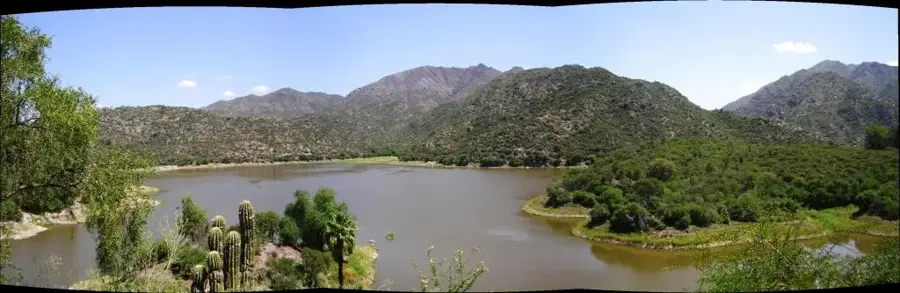
A peaceful reservoir just outside the city, good for a walk.
Relax under the trees in the city's main square.
Water temperature…
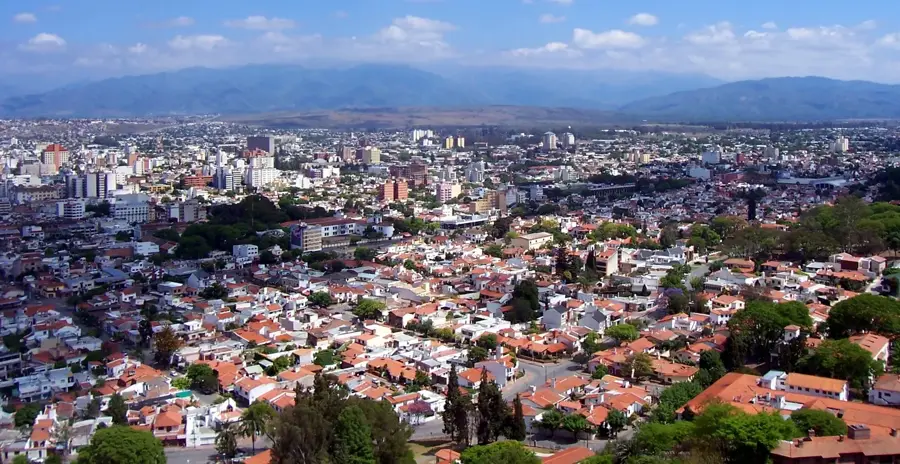
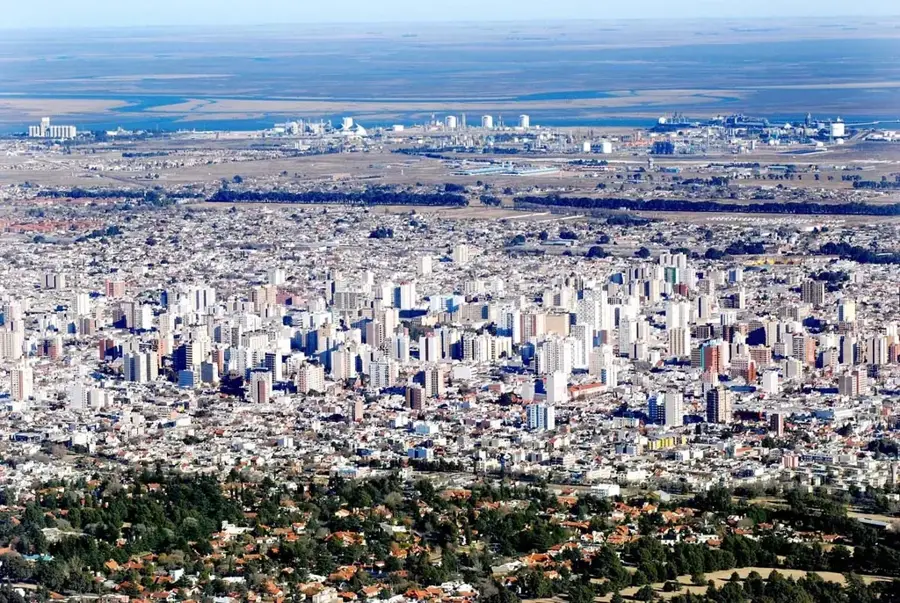
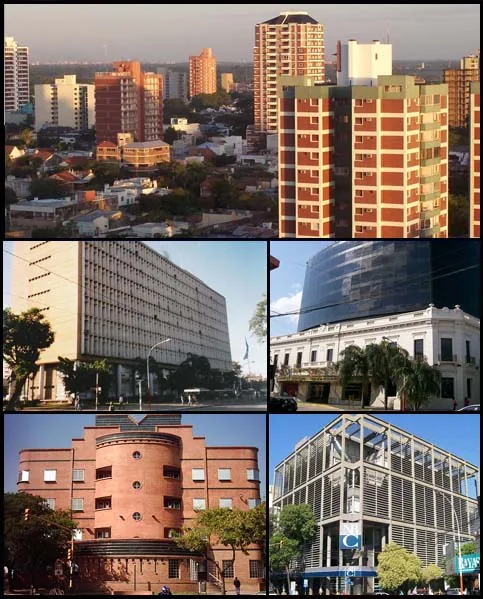
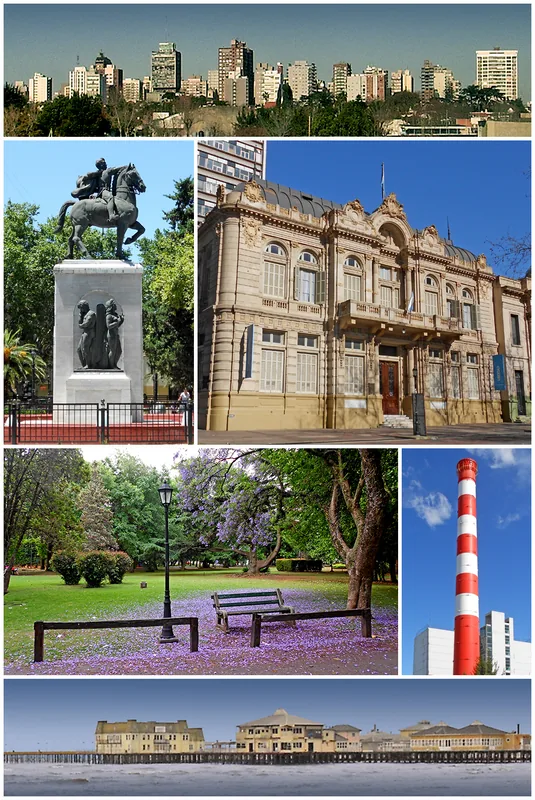
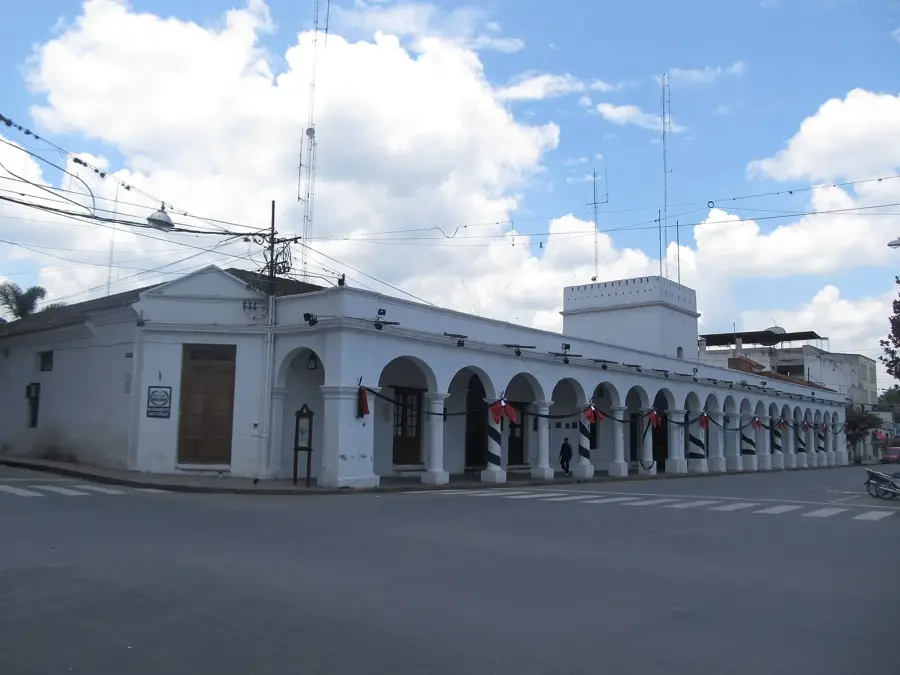
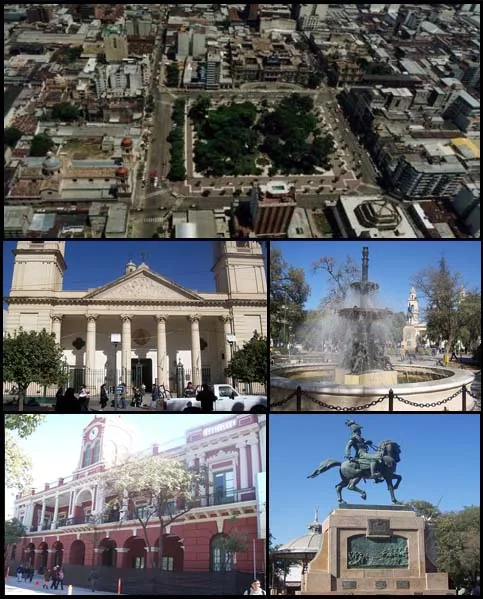
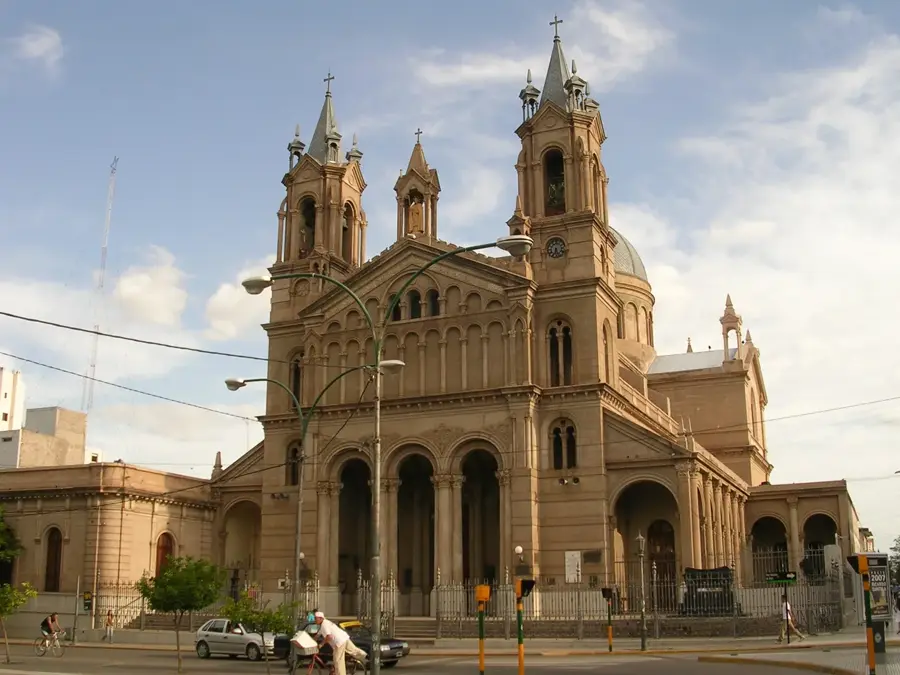
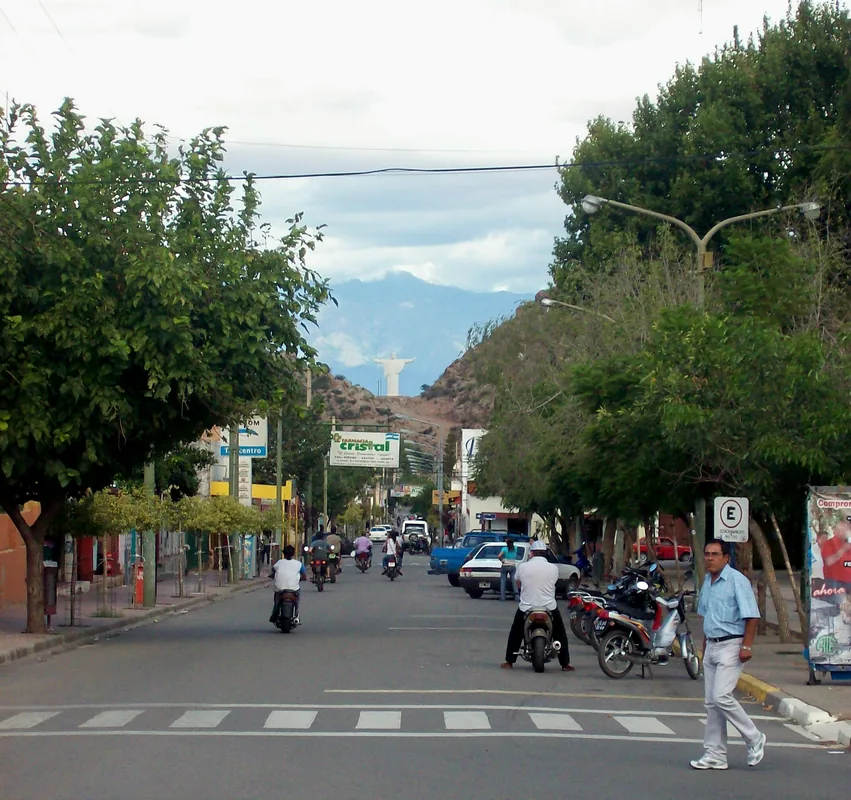
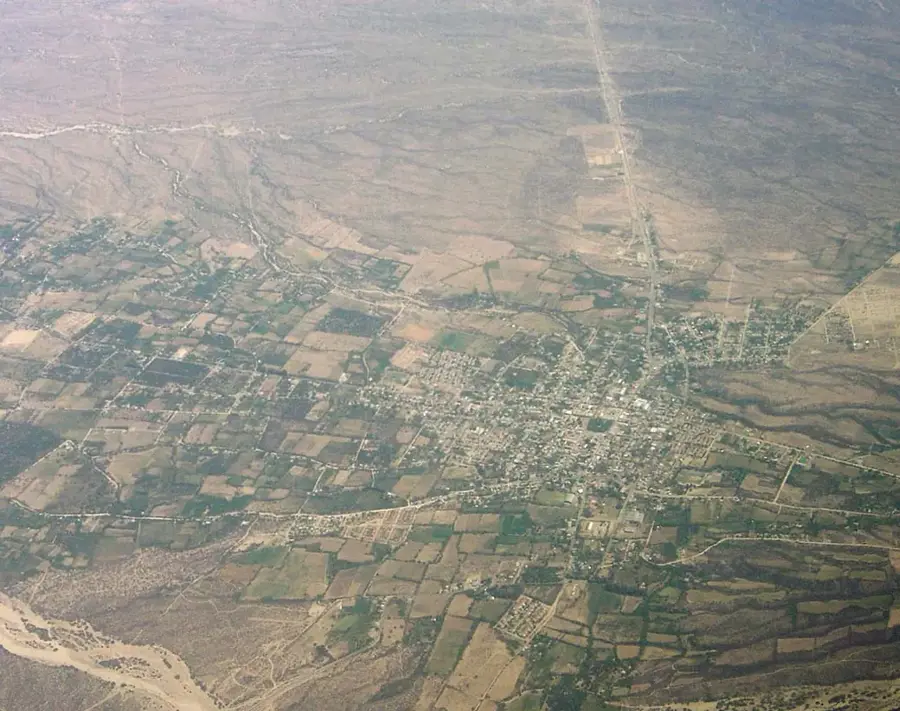
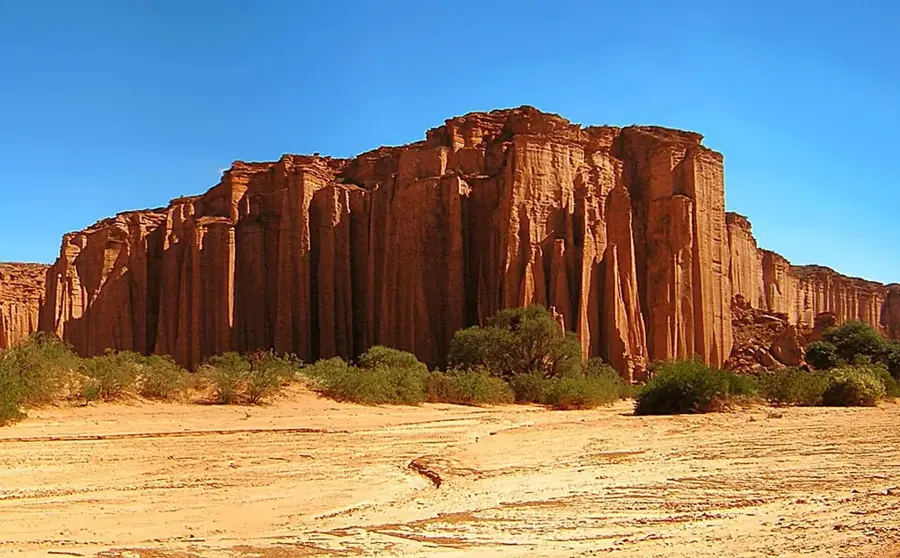
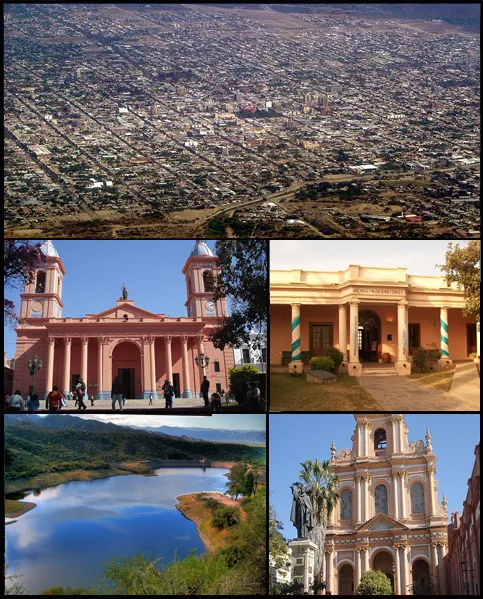
La Rioja, located at the foot of the Velasco Mountains in northwestern Argentina, is a city where history, religion, and the desert landscape converge. Established in 1591 by Juan Ramírez de Velasco, it stands as one of the oldest cities in the country and serves as a vital cultural bastion for the region. The city's identity is deeply intertwined with its arid climate, which has historically necessitated sophisticated irrigation to sustain its renowned vineyards and olive groves. La Rioja is the global home of the Torrontés grape, producing aromatic white wines that are celebrated internationally. Architecturally, the city center is organized around the Plaza 25 de Mayo, featuring the Cathedral of San Nicolás de Bari and the Government Palace. Historically, it was a focal point for the 19th-century internal struggles of Argentina, led by charismatic local caudillos like Facundo Quiroga and 'Chacho' Peñaloza. Each year, the city hosts the 'Tinkunaco' festival, a profound religious and social ceremony symbolizing the peace treaty between Spanish settlers and the indigenous Diaguita people. Culturally, the city explodes with life during the 'La Chaya' festival in February, a celebration of the grape harvest and ancestral traditions involving music and flour fights. As a regional administrative and educational hub, the city is home to the National University of La Rioja, driving modernization and research in fields like renewable energy and agriculture. It also acts as the primary gateway for travelers heading to the Talampaya National Park, a UNESCO site famous for its massive red sandstone walls. Life in La Rioja follows a traditional rhythm, where the afternoon siesta is still respected as a respite from the desert heat. The city features a unique blend of colonial solemnity, agricultural richness, and a gateway to some of the most dramatic natural wonders of the Argentine Andes.
- Location: Argentina
- Top sights: Museo de Arte Sacro · Iglesia Catedral · Museo de Bellas Artes
- Nearby: Chilecito (73 km)
- Population: ~178.872 (2026)
Best time to visit & climate
The most pleasant time to visit is Apr, Sep, Oct.
| Jan | Feb | Mar | Apr | May | Jun | Jul | Aug | Sep | Oct | Nov | Dec | |
|---|---|---|---|---|---|---|---|---|---|---|---|---|
| Avg °C | 27 | 26 | 23 | 19 | 15 | 12 | 11 | 14 | 17 | 22 | 25 | 27 |
| Rain mm | 92 | 75 | 62 | 35 | 12 | 5 | 4 | 3 | 15 | 19 | 38 | 76 |
Geography
Facts
- Founded on May 20, 1591, by conquistador Juan Ramírez de Velasco.
- Situated at an elevation of 498 meters above sea level.
- Famous as the origin of the Torrontés Riojano wine variety.
- The city's population is approximately 180,000 residents.
- Host of the historic Tinkunaco religious ceremony every New Year.
- Average summer highs frequently exceed 40°C (104°F).
- Home to the National University of La Rioja (UNLaR).
- Principal logistical hub for the olive oil industry in Argentina.
Explore nearby
Notable places around
Route planner — Car & Motorhome
Where do you start? We build the route here, with stops and country notes along the way.
© OpenStreetMap contributors · OpenRouteService
Sights in the town La Rioja (15)
Frequently asked questions
How many days do you need for La Rioja?
When is the best time to visit?
How do you get there?
What should you try locally?
Is La Rioja family-friendly?
La Rioja: where is it located?
La Rioja: what is there to see?
La Rioja: when is the best time to visit?
La Rioja: why is it worth visiting?
Nearby cities