Plizio Visual Lab

Gualeguaychú
Plizio editorial teamData Sources
City
—°18
Gualeguaychú (Argentina)
ℹ️

Practical info — Gualeguaychú

🌤 Weather — 5 days

📍 Nearby

Sights nearby

💡 Tips

  • The Corsódromo is a must-see; try to visit the Carnival Museum if you're not there during the summer carnival season.
  • Rent a bicycle or walk along the extensive Costanera along the Gualeguaychú River.
  • Book accommodation well in advance if visiting during January or February for the carnival.
  • Thermal baths (Termas del Gualeguaychú) are a great relaxing option year-round.

🍽 Food

🍽
River fish

Try Pacú or Pejerrey at traditional riverside restaurants.

🍽
Asado

Enjoy the local steakhouses in the city center.

🍽
Picada

Cold cuts and cheeses, convenient with a beer or wine before dinner.

🛍 Shopping · 🧘 Quiet spots

🛍
Carnival souvenirs

Costumes, masks, and themed items available year-round.

🛍
Regional products

Honey, jams, and pickled foods available in local shops.

🧘
Parque Unzué

A vast park with ancient trees located across the Mendez Casariego bridge.

🧘
Reserva Natural Las Piedras

A bit out of town, offering peaceful nature trails.

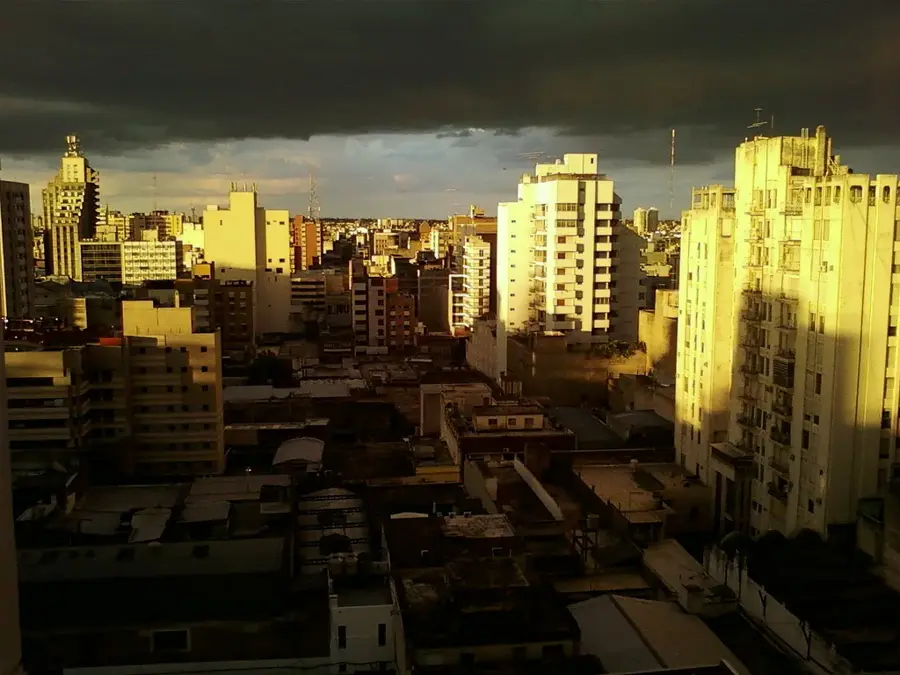
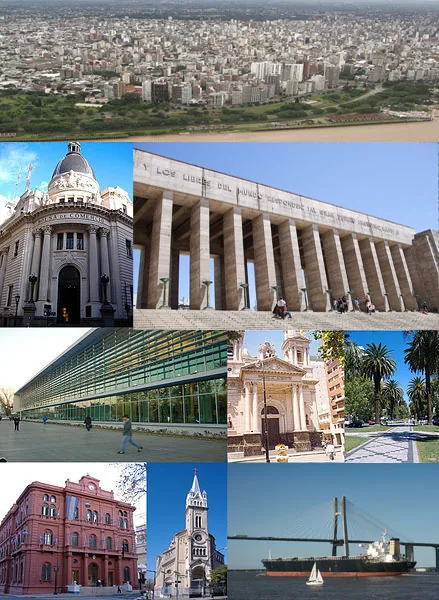
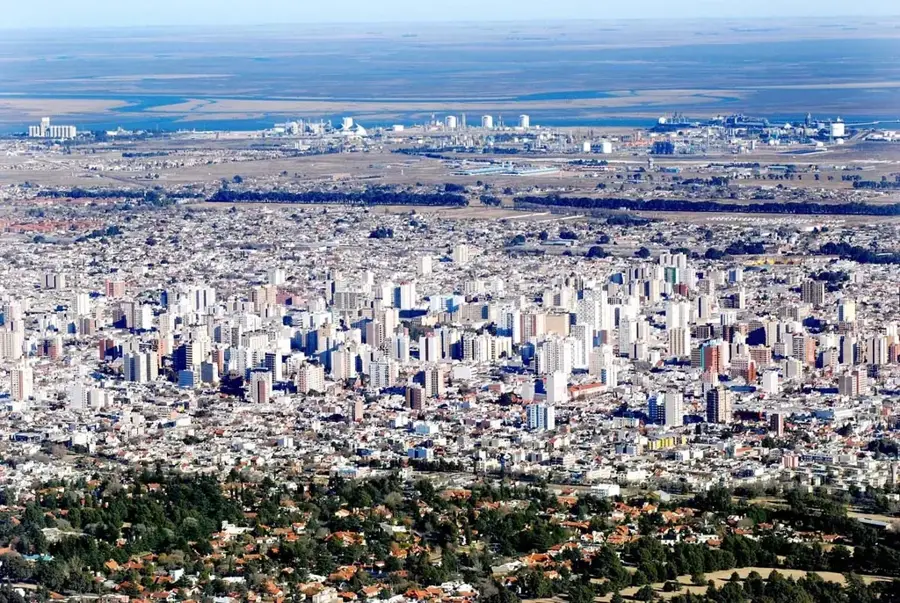
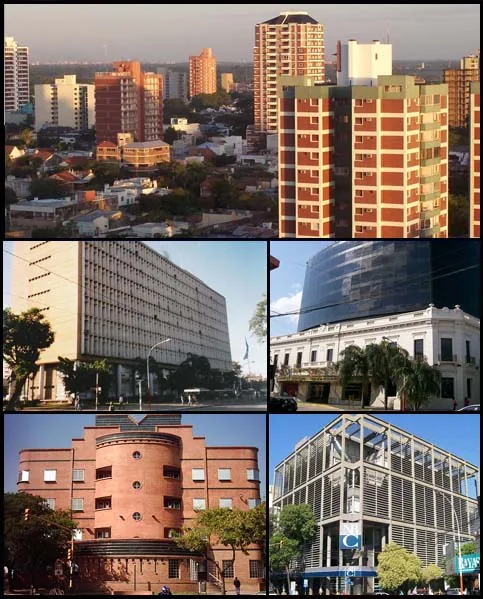
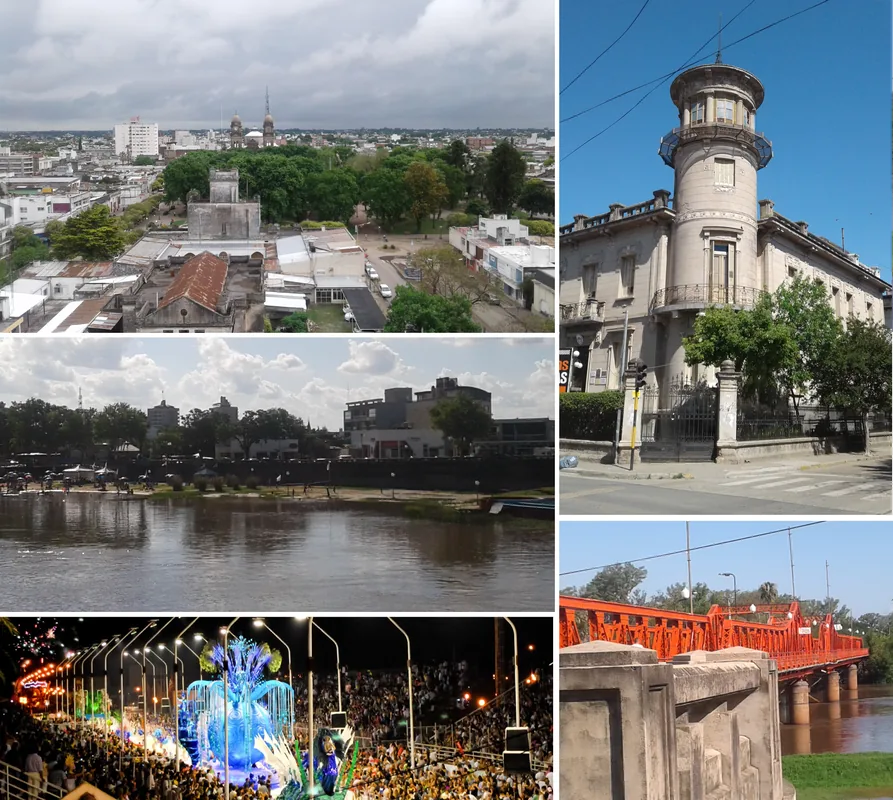
Gualeguaychu is a prominent city in the southeastern Entre Rios Province, situated near the border with Uruguay. Founded on October 18, 1783, by Tomas de Rocamora, it has evolved into one of Argentina's primary tourist destinations. The city is internationally renowned for hosting the Carnaval del Pais, widely regarded as the largest and most spectacular carnival in the country, held in the purpose-built Corsodromo. Geographically, it lies on the banks of the Gualeguaychu River, shortly before it joins the Uruguay River. Beyond tourism, the region's economy is driven by intensive agriculture and food processing industries. The city also features thermal baths and numerous natural reserves that preserve the local biodiversity of the riverine landscape. During the 2000s, it gained international attention as a center for environmental activism regarding pulp mill disputes on the border.

Best time to visit & climate

The most pleasant time to visit is Mar, Apr, Nov.

JanFebMarAprMayJunJulAugSepOctNovDec
Avg °C262422181411101214182124
Rain mm1341391371228356547688140108132

Geography

Population
78,676 (2026)
Coordinates
-33.00760, -58.51340

Facts

  • Founded on October 18, 1783, by Tomas de Rocamora
  • Home to the largest carnival celebration in Argentina
  • Features the country's first Corsodromo built in 1997
  • Located near the confluence of the Gualeguaychu and Uruguay
  • Renowned for its thermal bath resorts
  • Major center for agricultural production in Entre Rios

Explore nearby

Notable places around
Route planner — Car & Motorhome

Where do you start? We build the route here, with stops and country notes along the way.

Vehicle
Only stops with (optional):

© OpenStreetMap contributors · OpenRouteService

Sights in the town Gualeguaychú (18)

Catedral de San Jose de Gualeguaychú⛪ religious

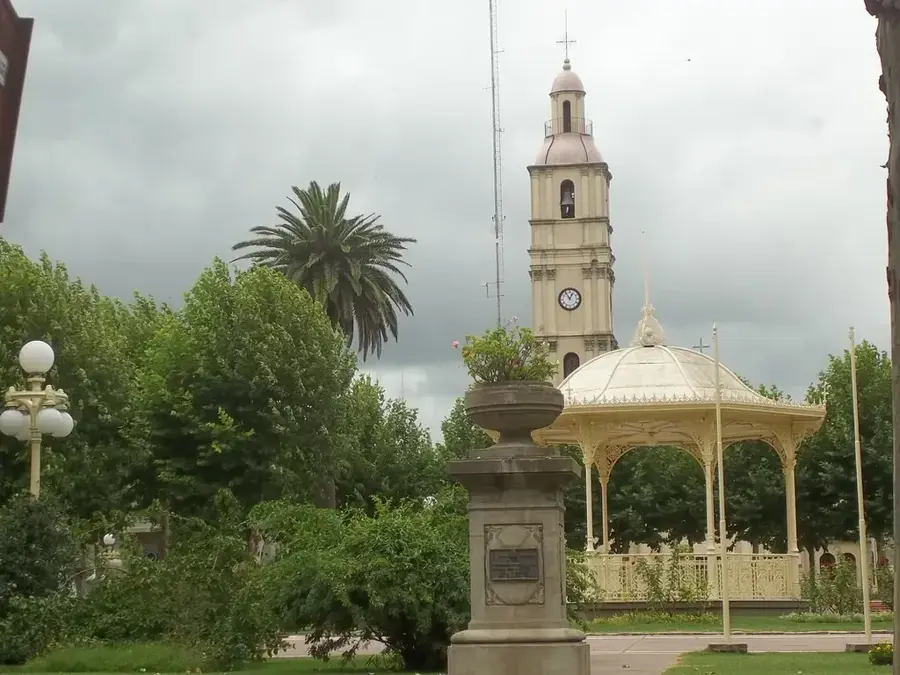
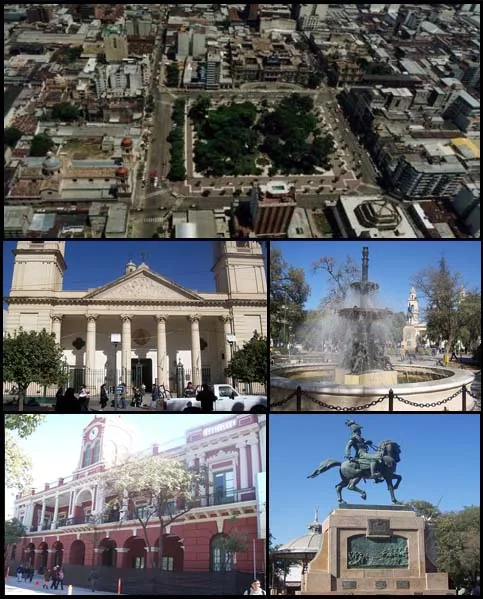
The Catedral de San Jose de Gualeguaychú is an imposing Catholic cathedral distinguished by its striking neoclassical twin bell towers.

Corsódromo de Gualeguaychú📍 landmark

The Corsódromo de Gualeguaychú is a massive outdoor arena custom-built to host the colossal floats and elaborate dancers of Argentina's largest annual carnival.

Teatro Gualeguaychú🎭 culture

Teatro Gualeguaychú is a distinguished historic theatre featuring horseshoe-style seating, serving as the cultural epicenter for local performing arts.

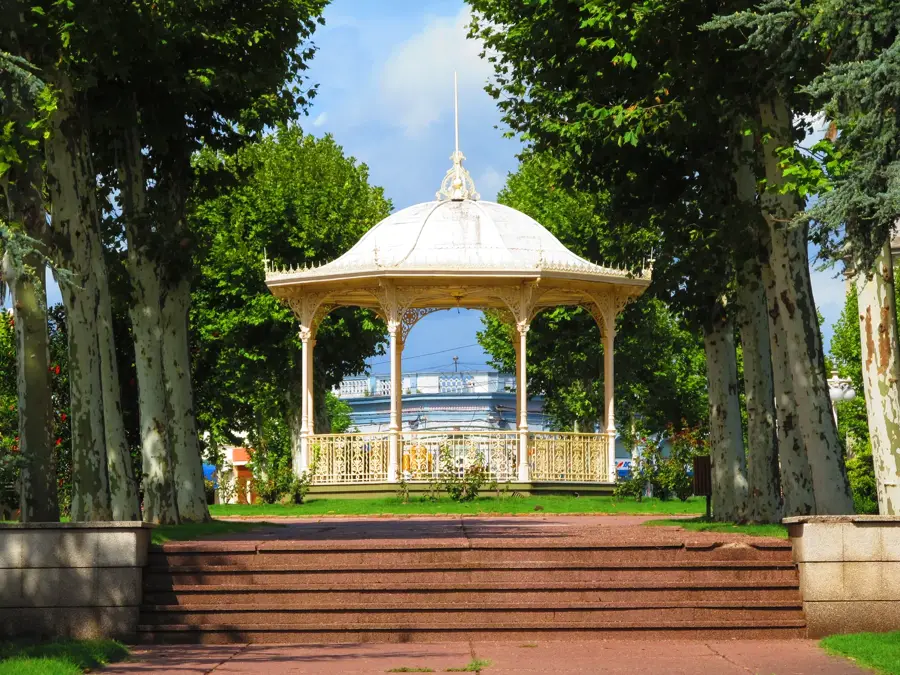
Plaza Urquiza🌳 park

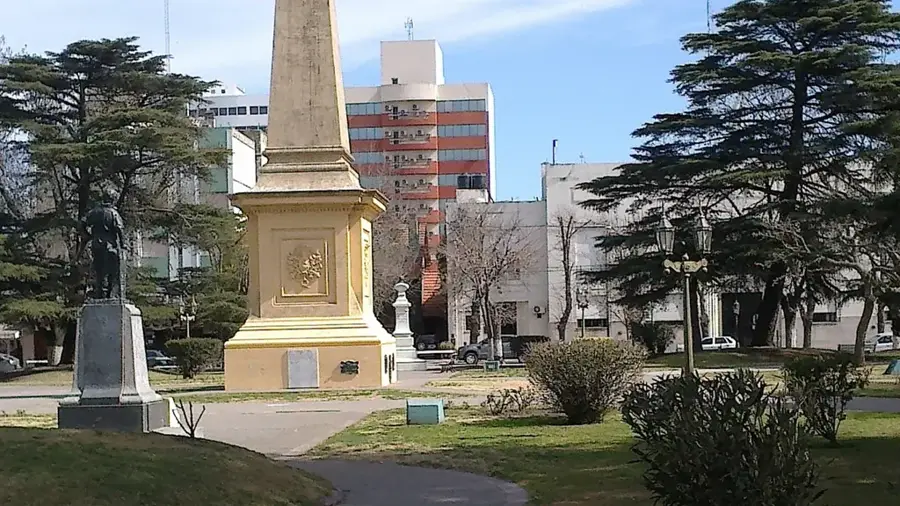
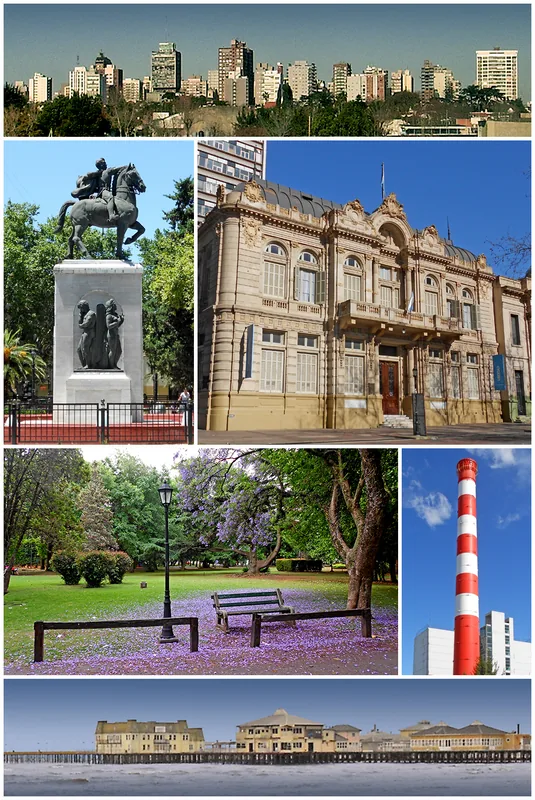
Plaza Urquiza is a shaded central urban park in Gualeguaychú that features a prominent monument dedicated to General Justo José de Urquiza.

Azotea Lapalma🏛 museum

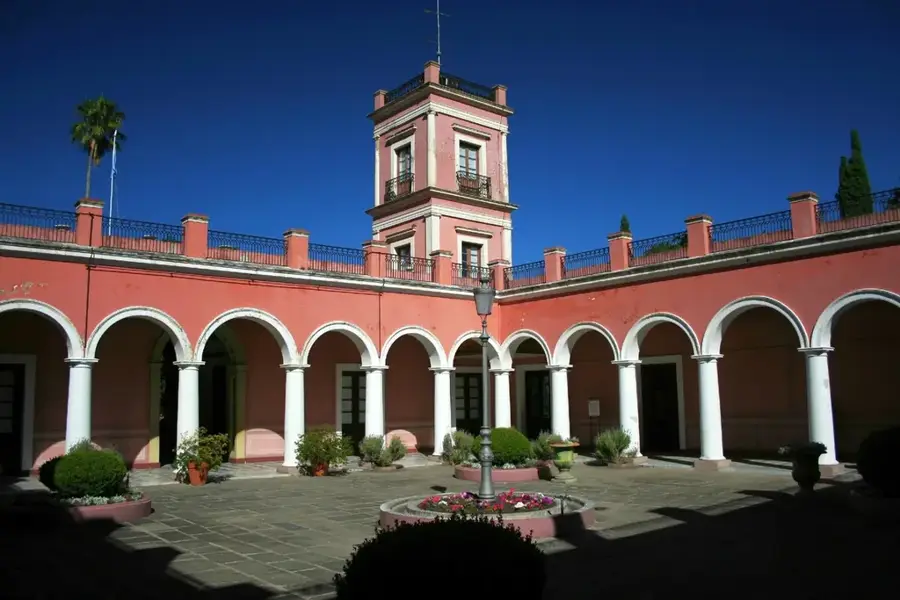
Azotea Lapalma is a 19th-century historic house museum in Gualeguaychú that preserves the architecture and aristocratic domestic lifestyle of the era.

Museo del carnaval🏛 museum

The Museo del carnaval in Gualeguaychú is a spirited museum displaying the glittering sequined costumes and gigantic papier-mâché figures from past carnival parades.

Casa de Haedo🏛 museum

Casa de Haedo is recognized as the oldest surviving brick residence in Gualeguaychú, now operating as a museum dedicated to the city's early colonial history.

Castillo del Río🏰 castle

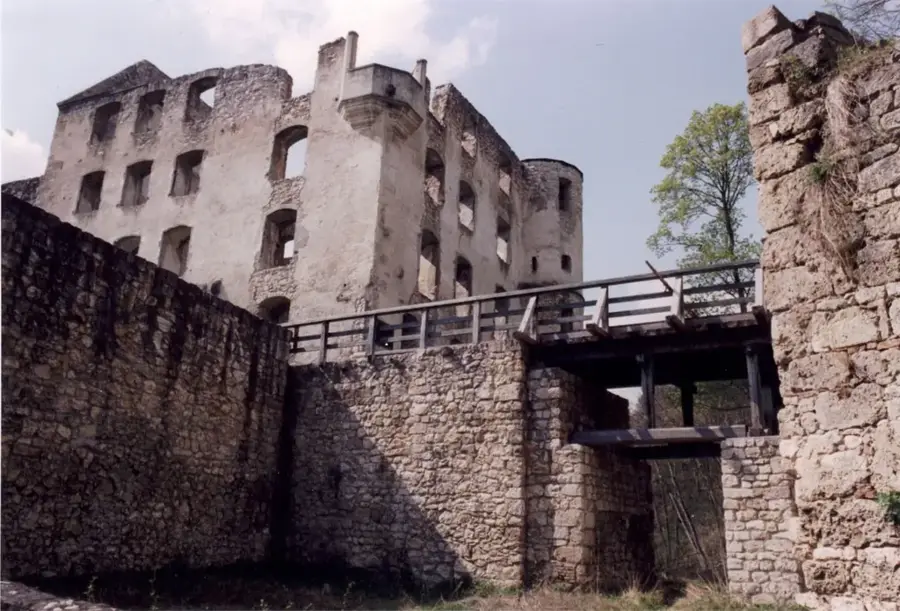
Castillo del Río is an imposing historic mansion in Gualeguaychú featuring castle-like stone architecture that overlooks the riverbanks.

Monumento al Libertador General José de San Martín🏺 historical

The Monumento al Libertador General José de San Martín in Gualeguaychú is a prominent plaza statue honoring the revered leader of South American independence.

MN Creaciones🎭 culture

MN Creaciones is a versatile local arts centre in Gualeguaychú acting as a studio and exhibition space for regional visual arts and crafts.

Centro de baile🎭 culture

This Centro de baile is an active arts centre in Gualeguaychú providing spacious dance floors for training in choreography and physical expression.

Vía Crucis Gualeguaychu⛪ religious

The Vía Crucis Gualeguaychu is an outdoor sequence of shrines tracing the fourteen Stations of the Cross for faithful pilgrims walking through the city.

Iglesia Adventista del Séptimo Día⛪ religious

The Iglesia Adventista del Séptimo Día in Gualeguaychú is a modest church building where the local Seventh-day Adventist congregation gathers for Sabbath worship.

Umbrella Sky📍 landmark

A pretty attraction in Gualeguaychú featuring colorful umbrellas suspended over the street.

Cartel de Gualeguaychú📍 landmark

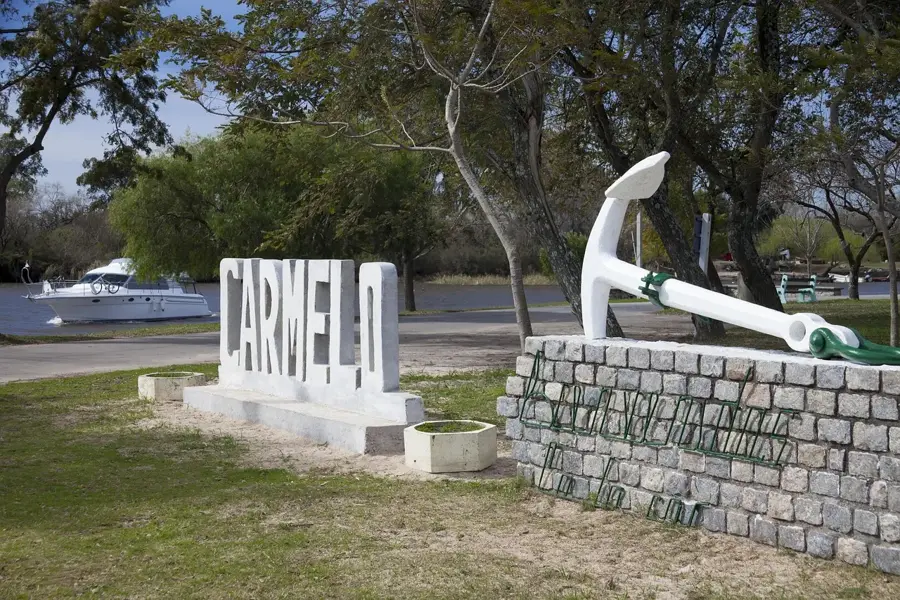
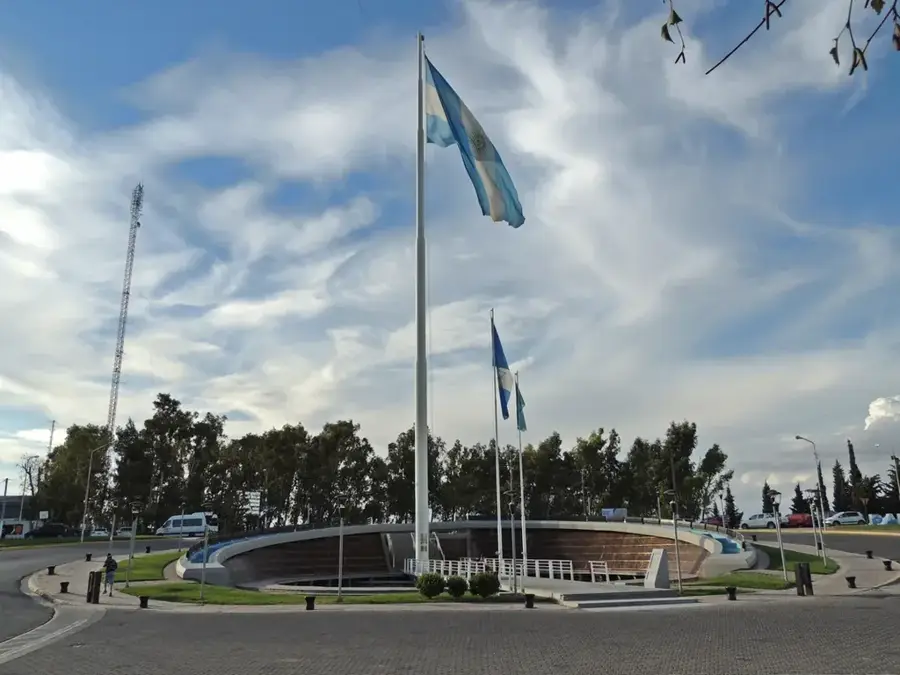
A large city sign in Gualeguaychú that serves as a popular photo spot for visitors.

Reserva Municipal🌿 nature

A municipal nature reserve preserving native flora and wetlands near Gualeguaychú.

Balneario Norte🎡 recreation

A popular riverside beach resort situated along the banks of the Gualeguaychú River.

Enterprise🎡 recreation

An amusement park in Gualeguaychú offering thrilling rides and family entertainment.

Frequently asked questions

How many days do you need for Gualeguaychú?
1-2 days are often enough for the city. Plan more time for Carnival or hot-spring visits.
When is the best time to go?
Timing depends on your goal: Carnival in summer, calmer visits in spring or autumn. It is also less hot then.
How do you get there?
Gualeguaychú is easy to reach by bus and car, especially from Buenos Aires and Entre Ríos. Much of the city is walkable.
What local food should you try?
Yes, Uruguay river fish, empanadas, and grilled dishes are popular. Around the center you will find many good, simple restaurants.
Is Gualeguaychú family-friendly?
Yes, especially the river areas and public spaces work well for families. At Carnival, expect a lot of activity and crowds.
Gualeguaychú: where is it located?
Gualeguaychú is located in Argentina.
Gualeguaychú: what is there to see?
Highlights include Catedral de San Jose de Gualeguaychú, Corsódromo de Gualeguaychú, Teatro Gualeguaychú.
Gualeguaychú: when is the best time to visit?
The most pleasant time to visit is Mar, Apr, Nov.
Gualeguaychú: why is it worth visiting?
Gualeguaychu is a prominent city in the southeastern Entre Rios Province, situated near the border with Uruguay.
View on map → The Top 50 Attractions → OpenStreetMap →
South America
Explore with Plizio Discover more places in South America
More places in Argentina →

Nearby cities