Plizio Visual Lab
Big Pamir Wildlife Reserve
Weather…
Water temperature…
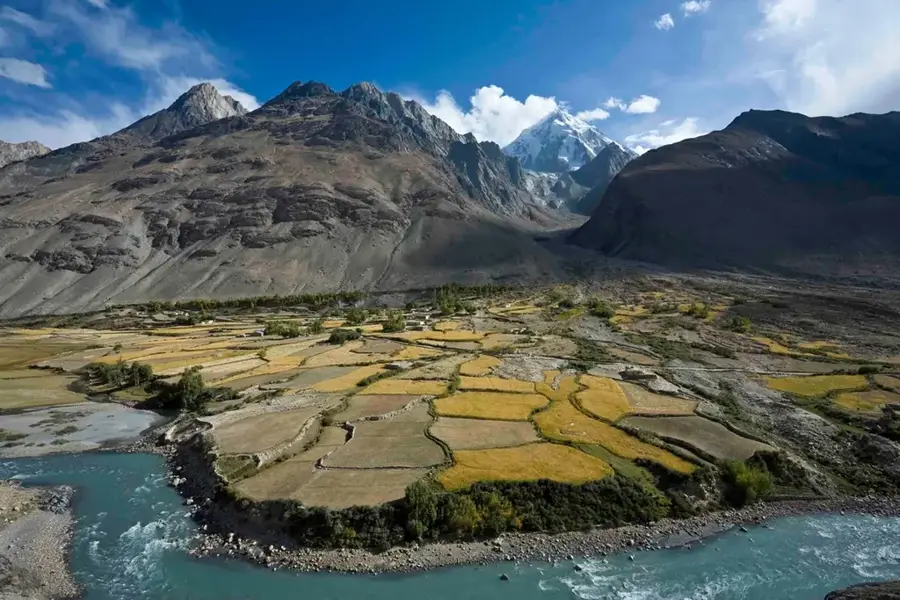
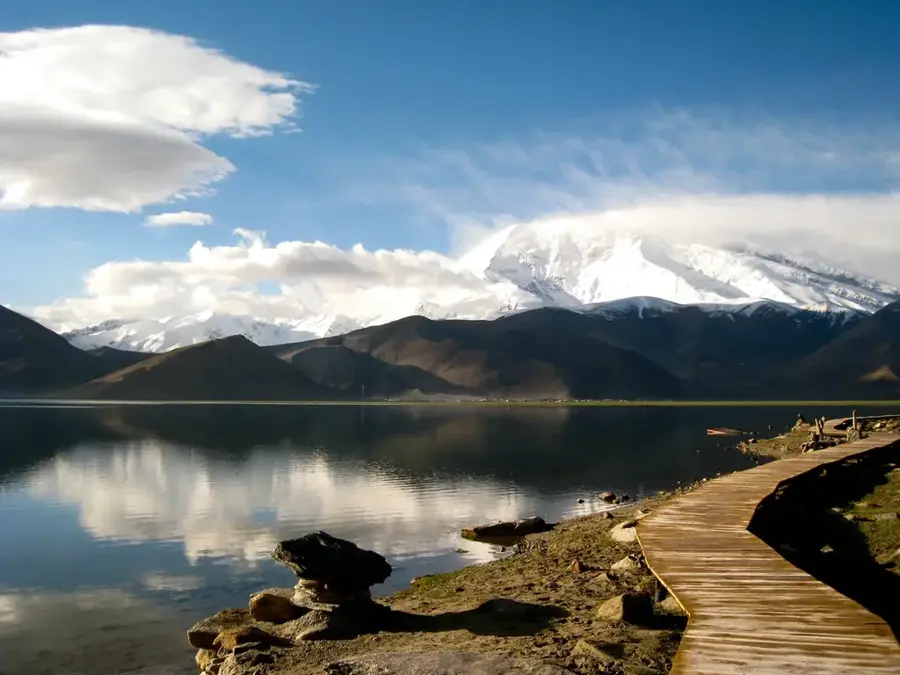
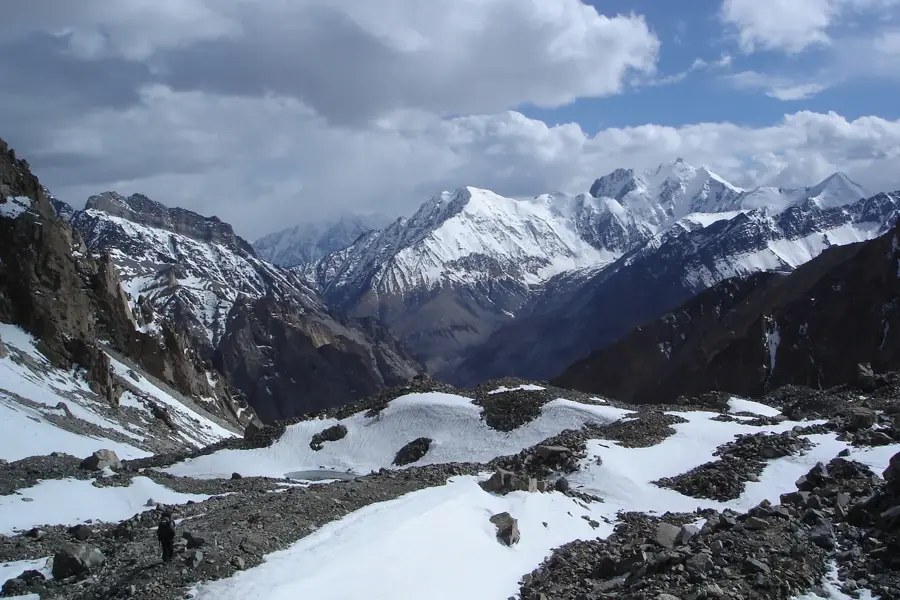
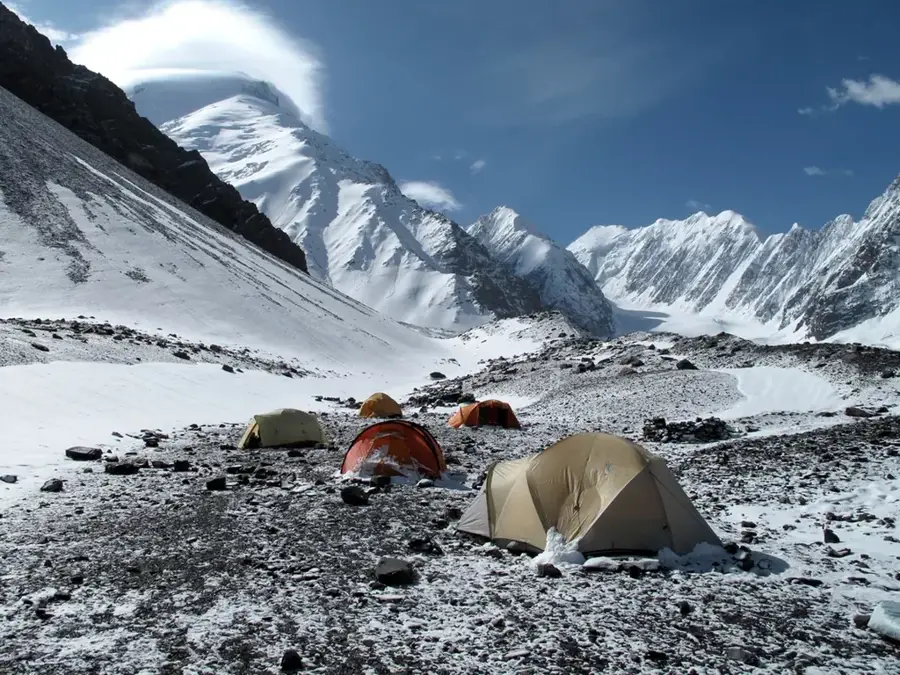
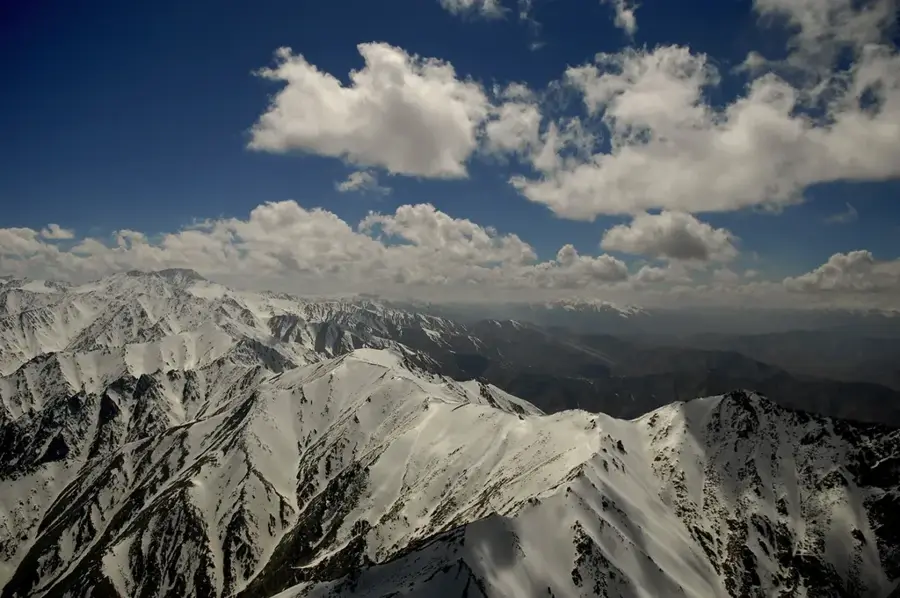
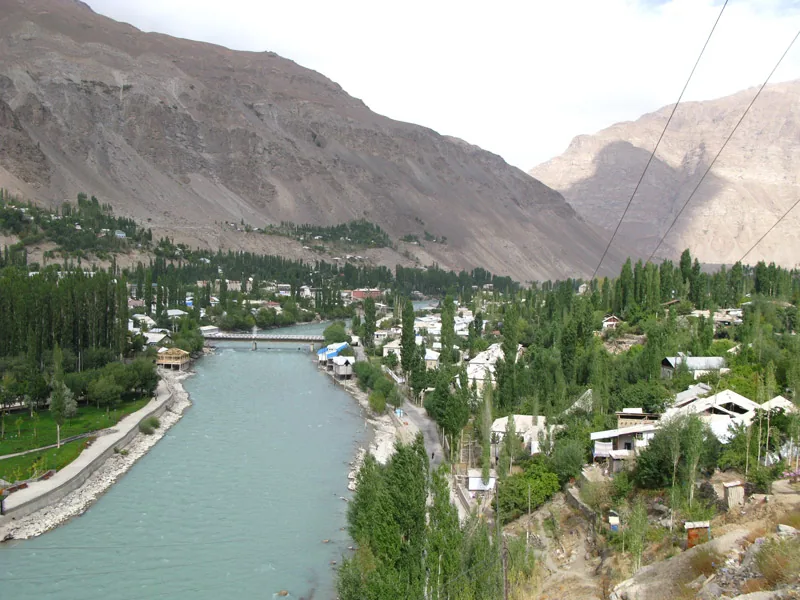
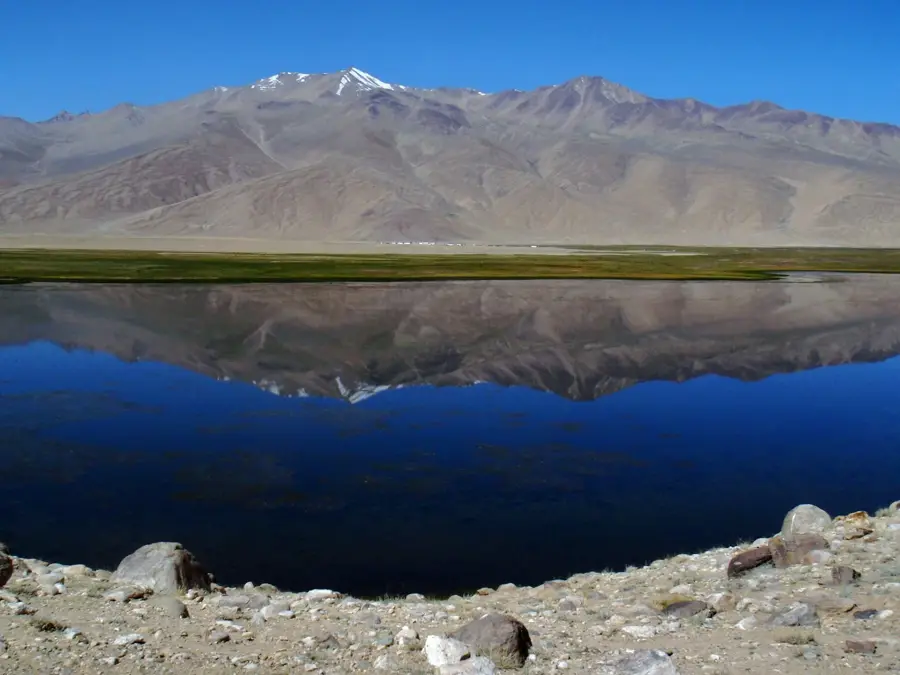
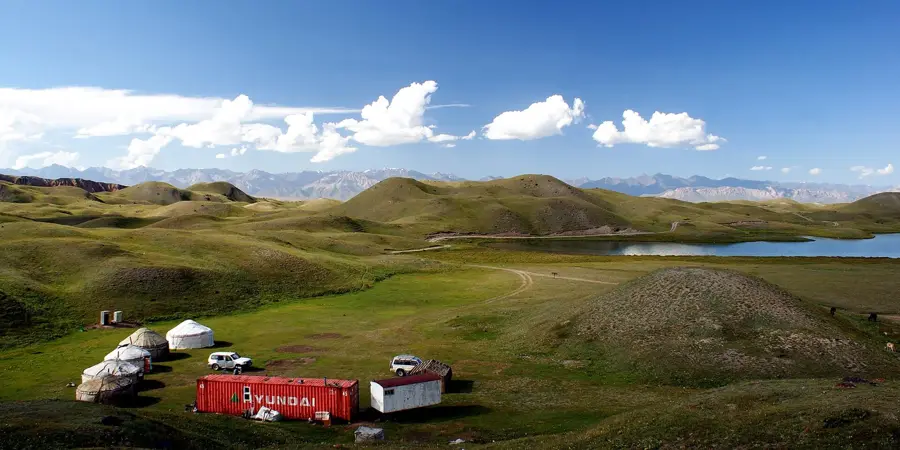
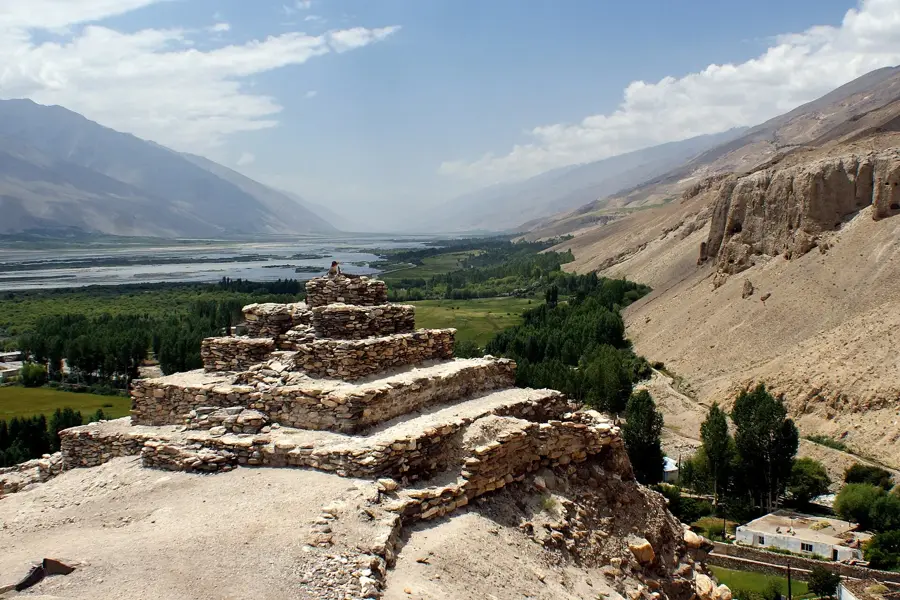
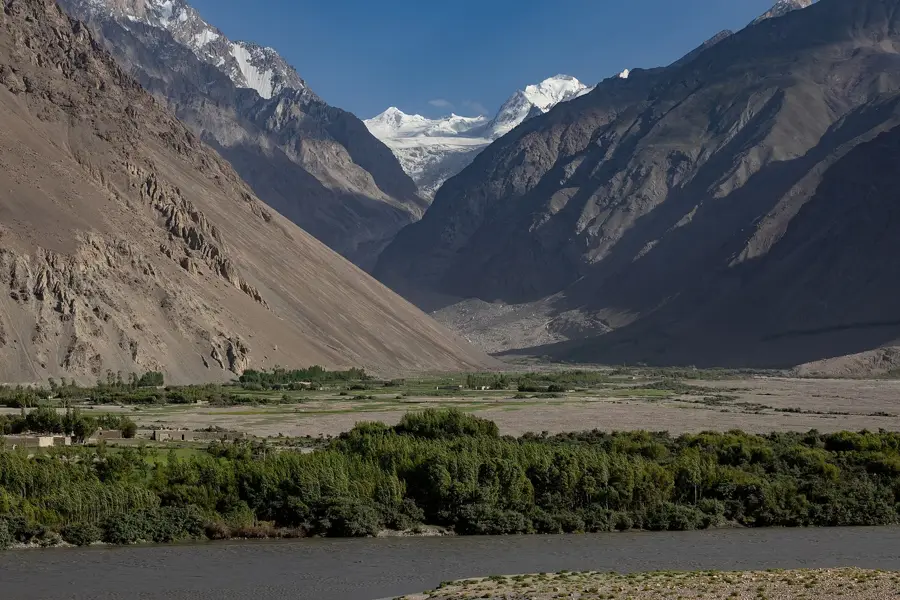
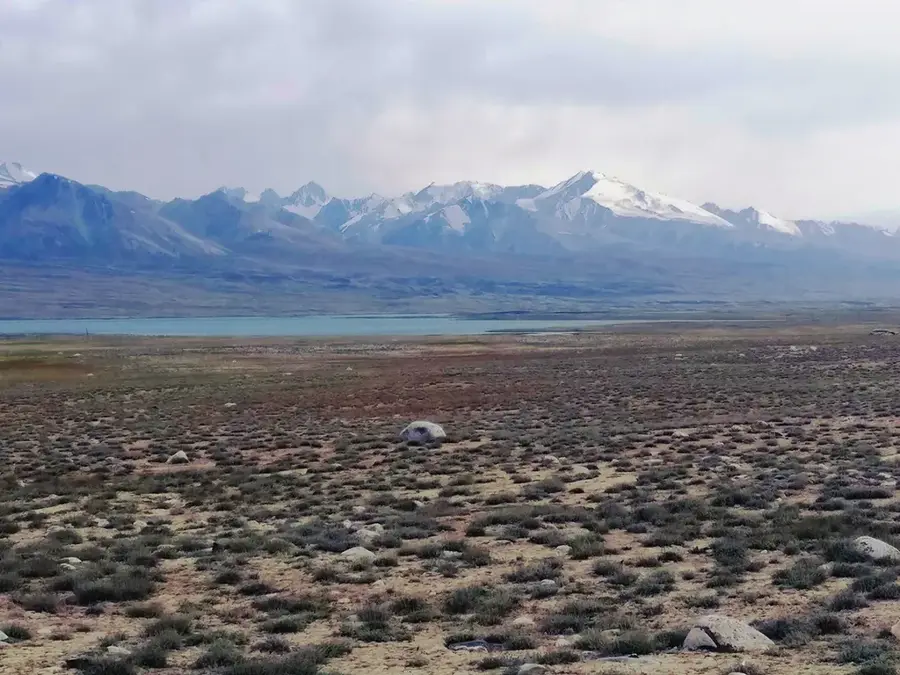
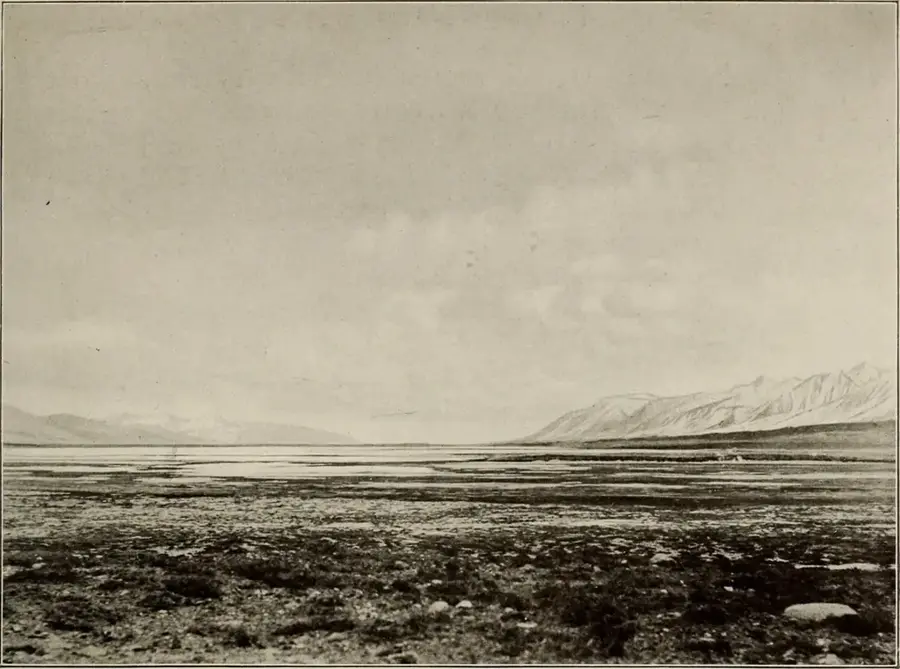
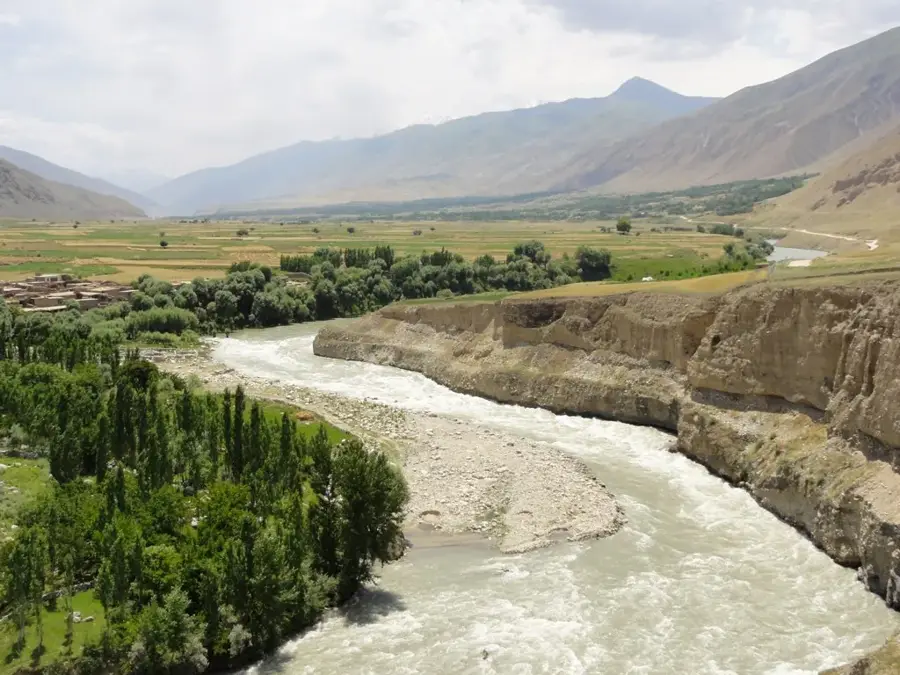
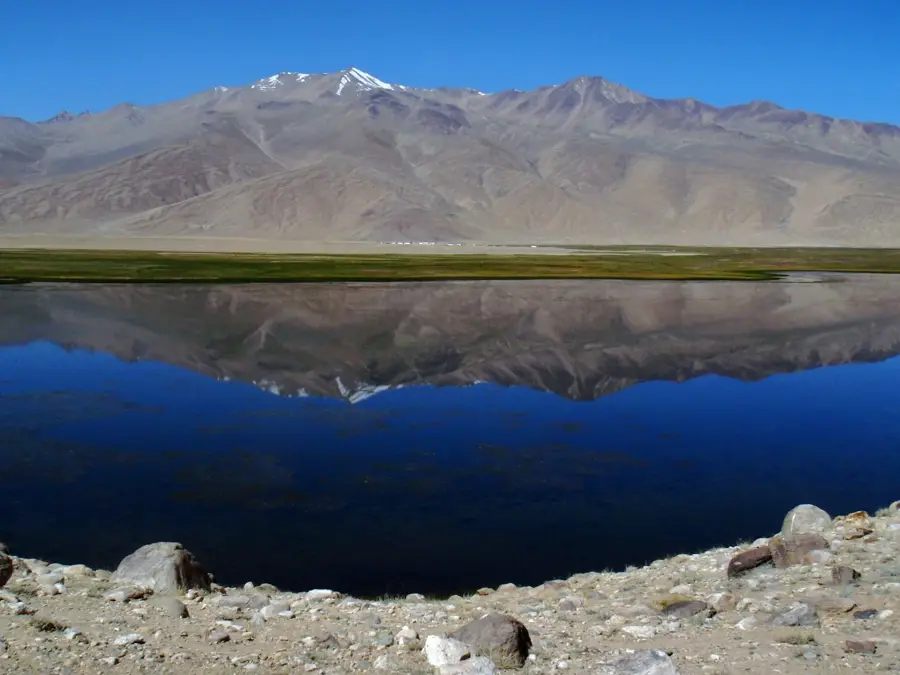
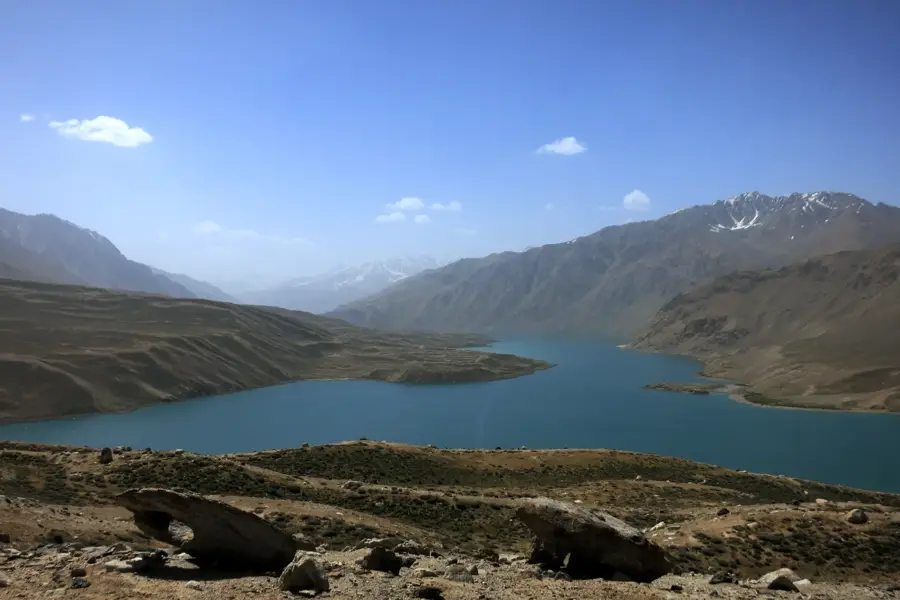
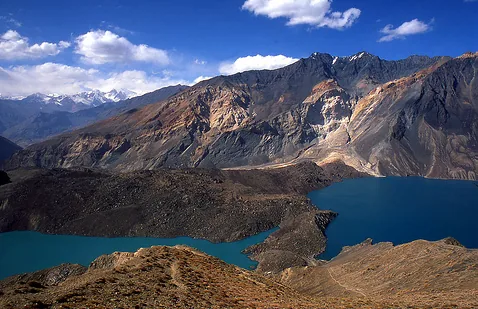
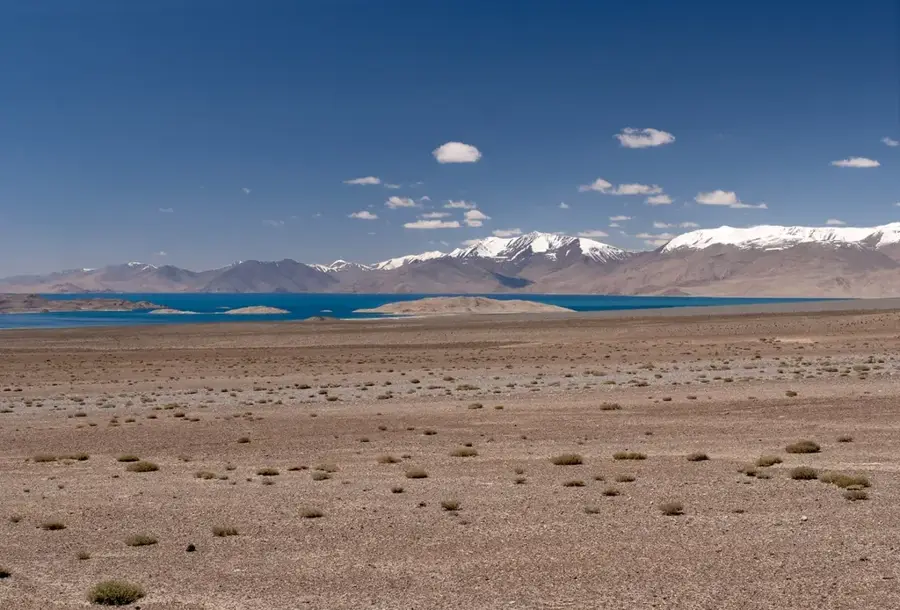
The Big Pamir Wildlife Reserve is located in the heart of the Wakhan Corridor in the far northeast of Afghanistan. This extremely high-altitude and remote region, often referred to as the 'roof of the world,' is a plateau situated at over 4,000 meters. The reserve is of global importance for the conservation of the famous Marco Polo sheep, known for its impressive spiral-shaped horns that can reach lengths of up to 1.90 meters. In addition to these majestic animals, the Big Pamir also provides a crucial habitat for other rare species such as the snow leopard and the Siberian ibex. The area is inhabited by nomadic Wakhi and Kyrgyz communities who maintain a traditional pastoral way of life. Since 2014, the reserve has been part of the Wakhan National Park, Afghanistan's second national park. The harsh climatic conditions and remoteness have helped to preserve this unique high-alpine ecosystem.
Best time to visit & climate
The most pleasant time to visit is Jun–Aug.
| Jan | Feb | Mar | Apr | May | Jun | Jul | Aug | Sep | Oct | Nov | Dec | |
|---|---|---|---|---|---|---|---|---|---|---|---|---|
| Avg °C | -19 | -17 | -12 | -5 | -1 | 3 | 6 | 6 | 1 | -4 | -11 | -16 |
| Rain mm | 14 | 15 | 16 | 19 | 11 | 7 | 6 | 4 | 4 | 6 | 12 | 11 |
📋 Practical info
Geography
Facts
- One of the harshest climates in the world.
- The region is sparsely populated.
- Snow leopards roam this area.
- Accessible only during the short summer.
Explore nearby
Notable places around
Route planner — Car & Motorhome
Where do you start? We build the route here, with stops and country notes along the way.
© OpenStreetMap contributors · OpenRouteService
Sights nearby
Frequently asked questions
What is the Great Pamir Wildlife Reserve?
Is it accessible for ordinary travelers?
When is the best time?
What is the area known for?
Do you need special preparation?
Big Pamir Wildlife Reserve: where is it located?
Big Pamir Wildlife Reserve: when is the best time to visit?
Big Pamir Wildlife Reserve: why is it worth visiting?

Nearby cities
History & landmarks

Nature
More places