Attractions in Equatorial Guinea
The finest attractions in Equatorial Guinea at a glance: castles, natural wonders, historic old towns and more. Each place links to a detailed page with map, tips and photos.
Culture & History
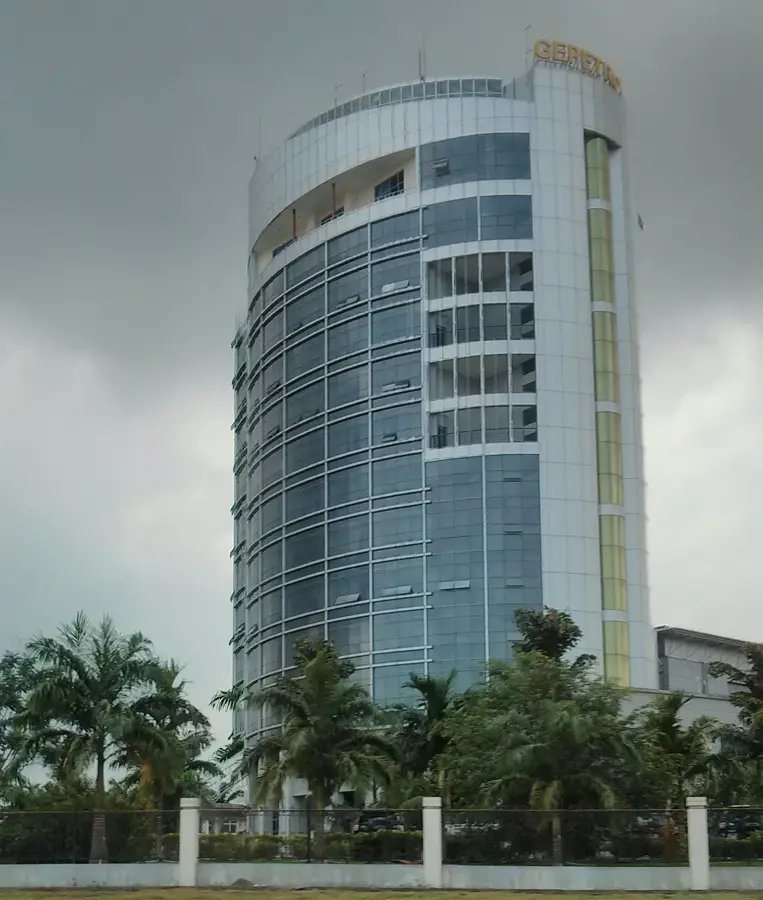
GEPetrol Headquarters
A prominent modern office building in Malabo II, headquarters of the national oil company of Equatorial Guinea.
Learn more →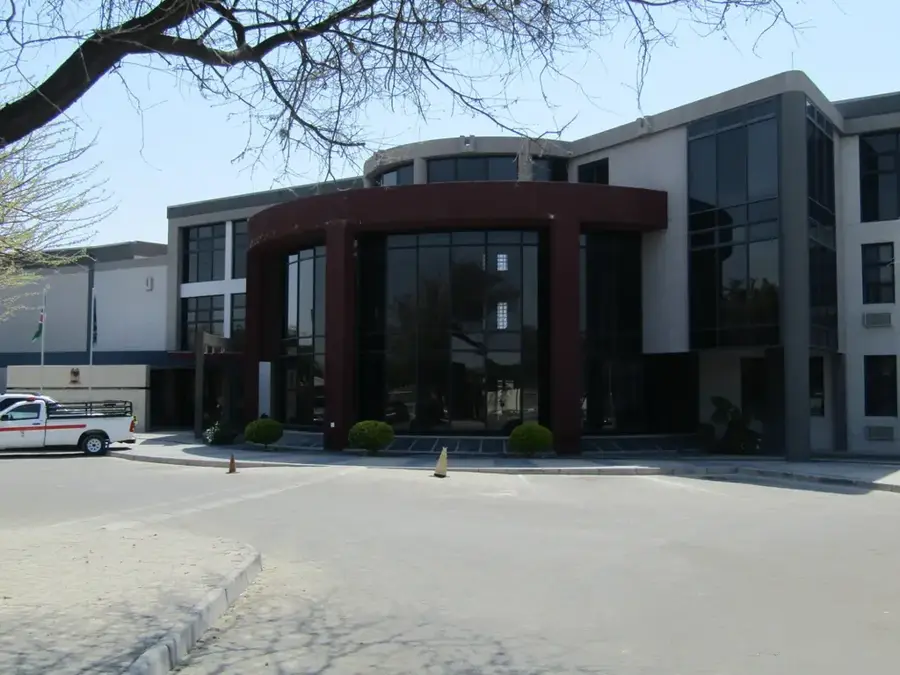
Ngolo Conference Center
A significant event center in Bata, used for regional conferences and cultural events.
Learn more →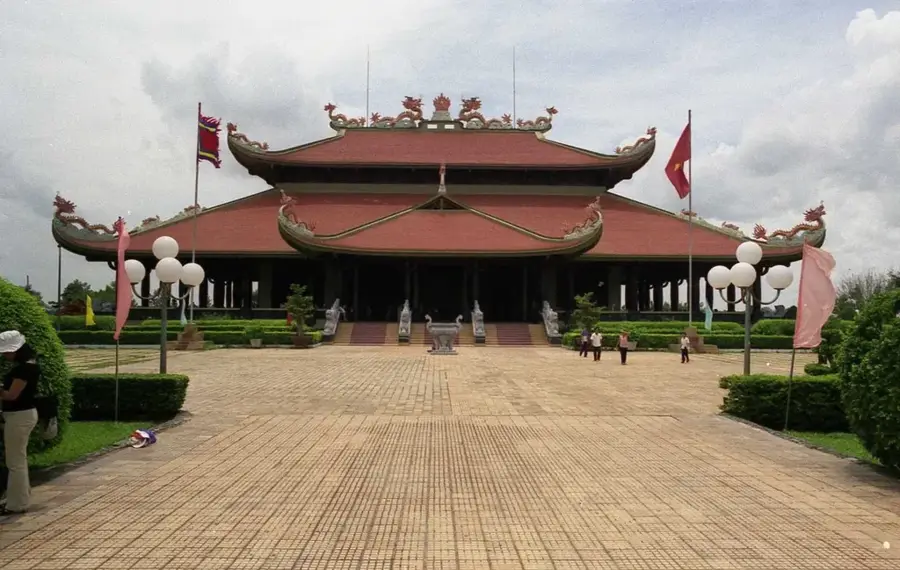
7M Martyrs Monument
A monument in Bata commemorating the victims of the devastating explosions at the Nkoantoma barracks.
Learn more →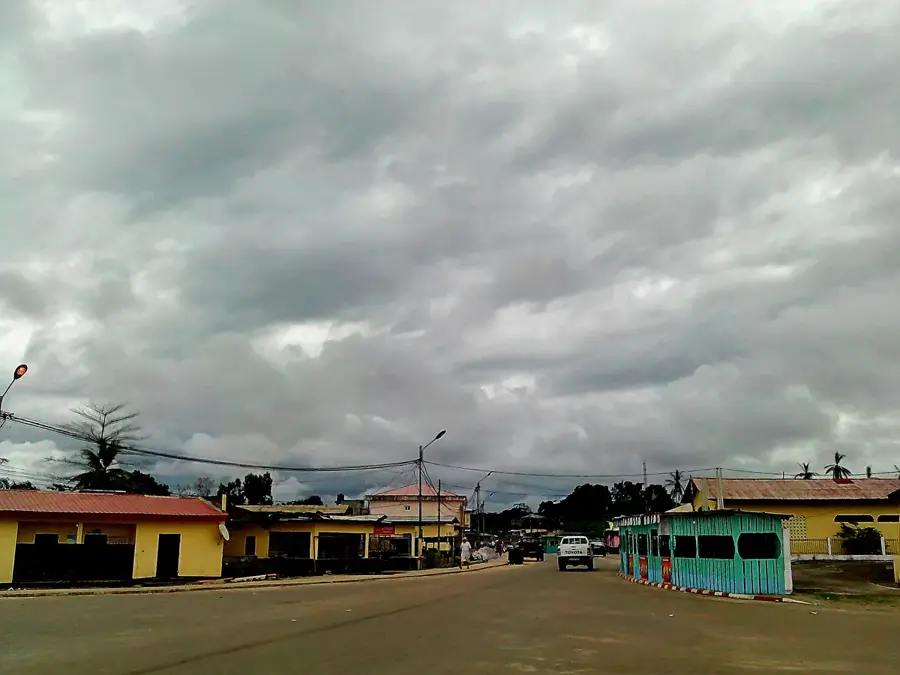
Mbini Bridge
One of the longest bridges in Africa, spanning the Benito River and connecting Bata to the south.
Learn more →
Sipopo Congress Center
An ultra-modern international conference center near Malabo, host to global summits.
Learn more →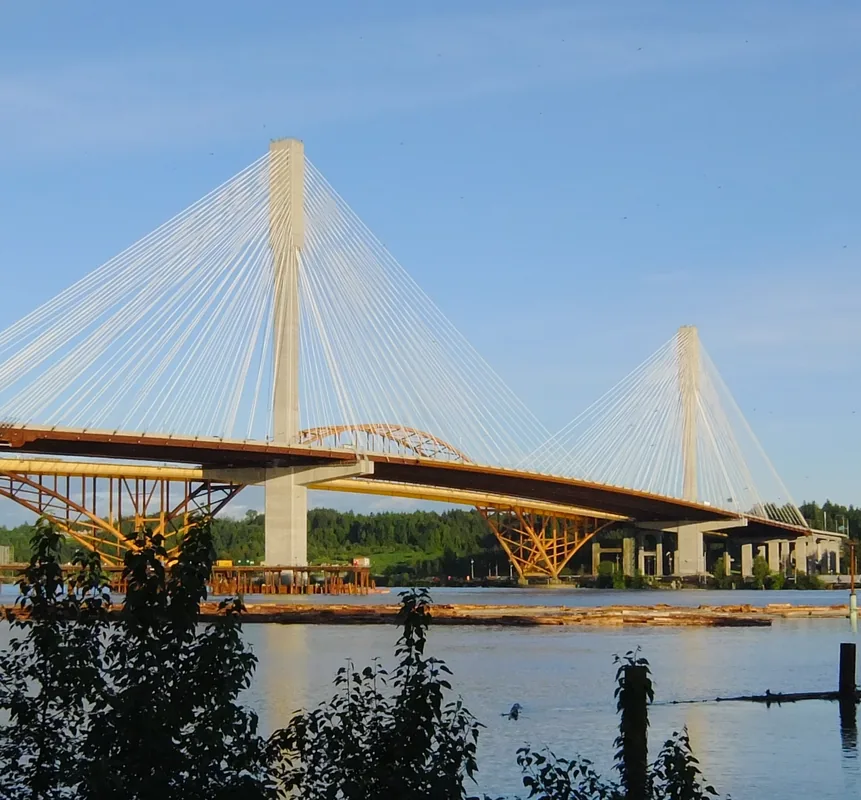
Luba Port (Expansion)
The modern port facilities of Luba, a strategic logistics hub for the oil and gas industry.
Learn more →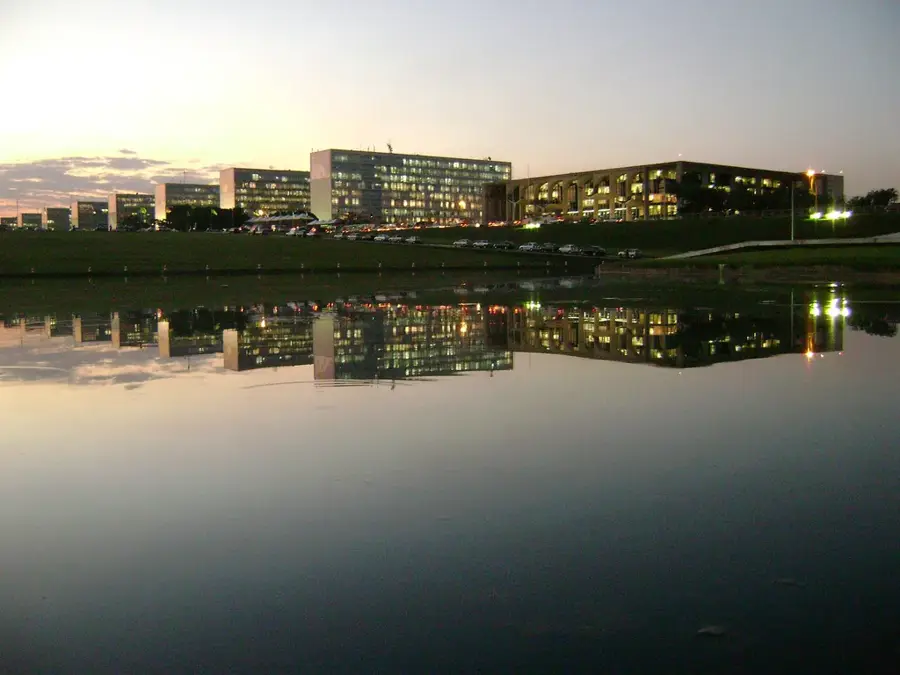
Ministry of Mines
An impressive government building in Malabo II, managing the mining and energy sectors.
Learn more →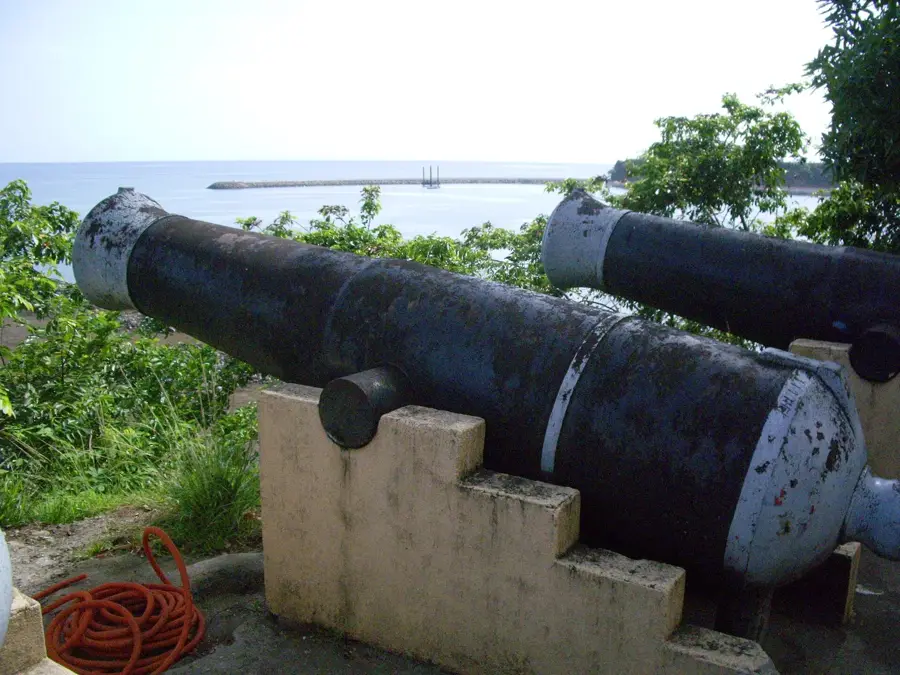
Pico Basile Tower
The prominent transmission tower on the summit of Pico Basile, the highest point on Bioko Island.
Learn more →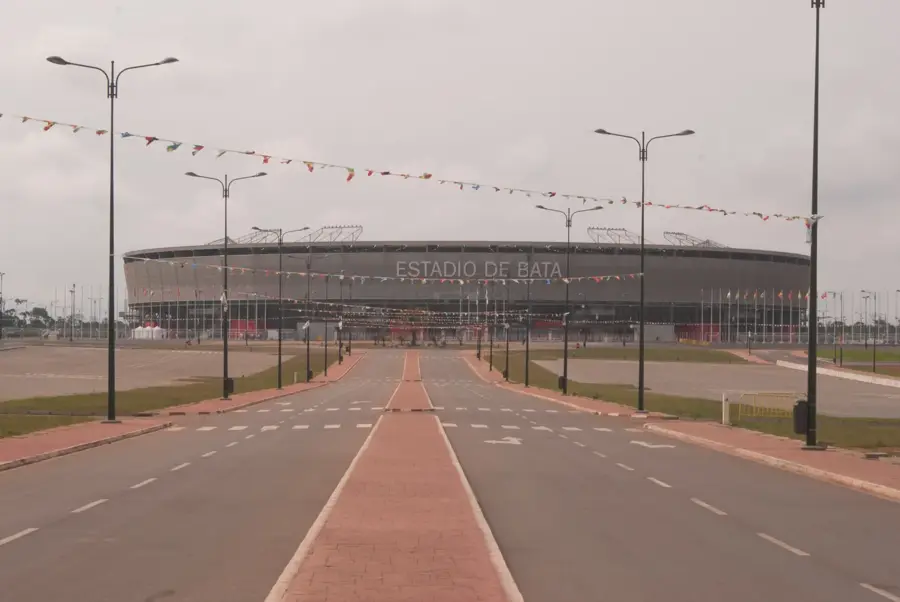
Bata Stadium
The largest stadium in Equatorial Guinea, located in the mainland port city of Bata.
Learn more →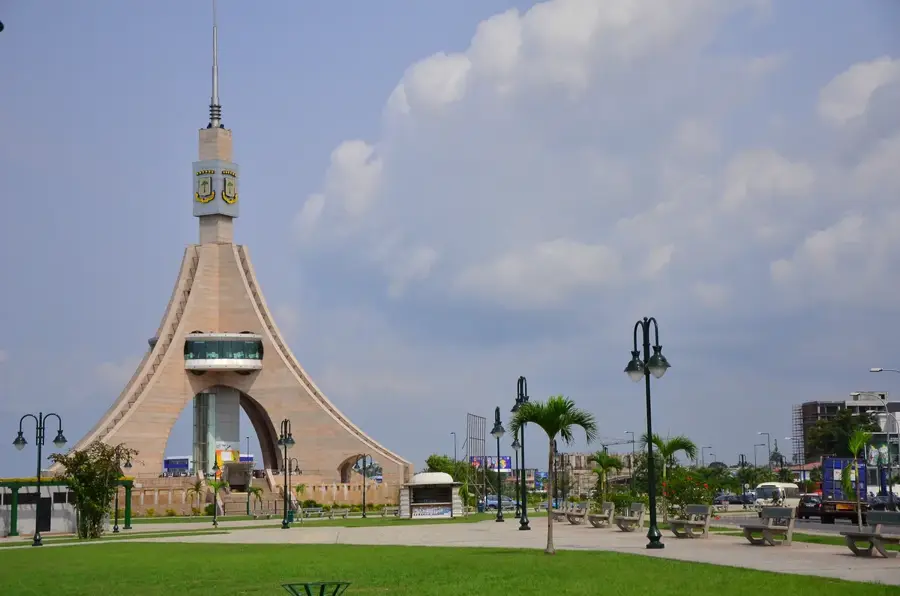
Plaza de la Mujer (Bata)
A significant public square in Bata, dedicated to the role of women in society.
Learn more →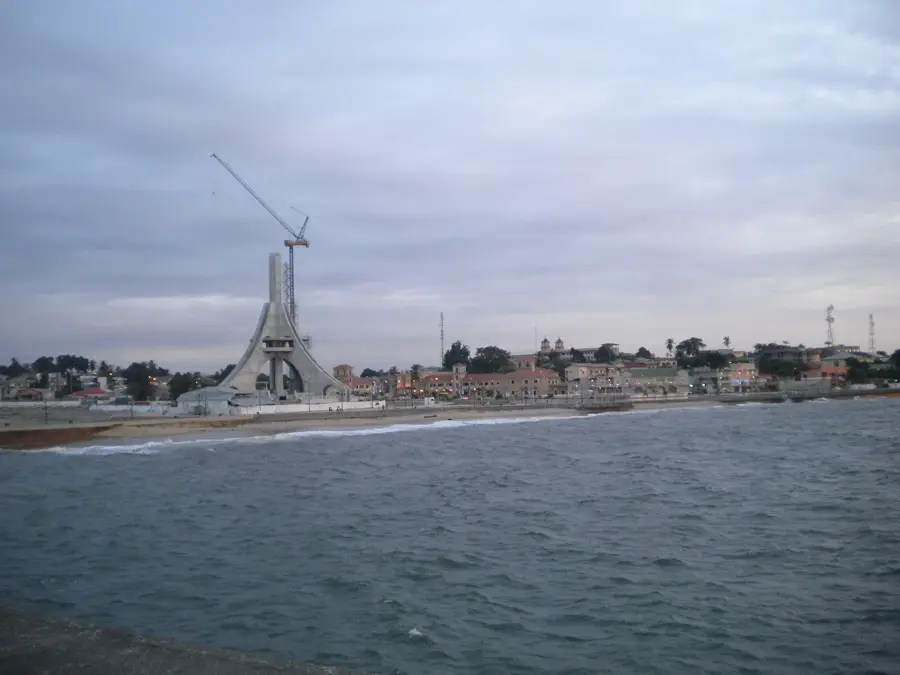
Cathedral of Bata
The central Catholic cathedral of Bata, known for its characteristic red facade.
Learn more →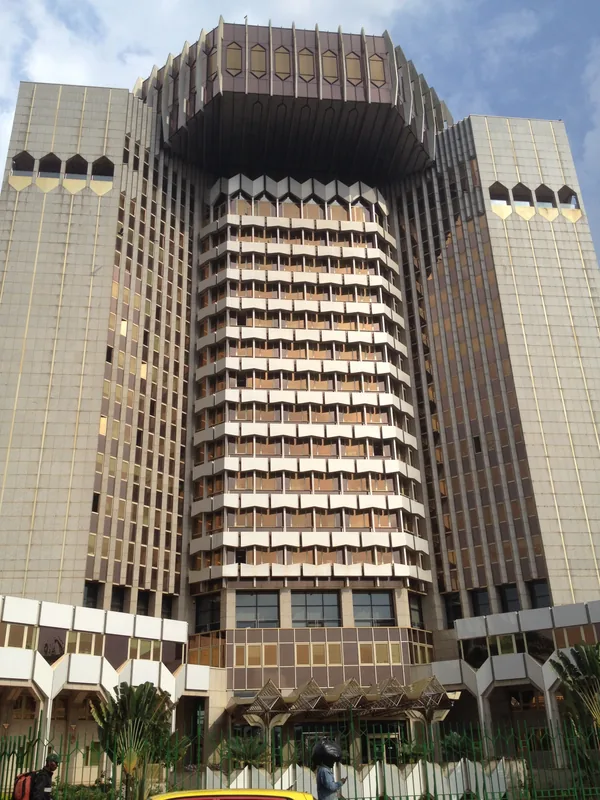
BEAC Building Malabo
The representative seat of the Bank of Central African States in the capital city Malabo.
Learn more →
Grand Hotel Djibloho
A monumental luxury hotel in the heart of the planned new capital, Ciudad de la Paz.
Learn more →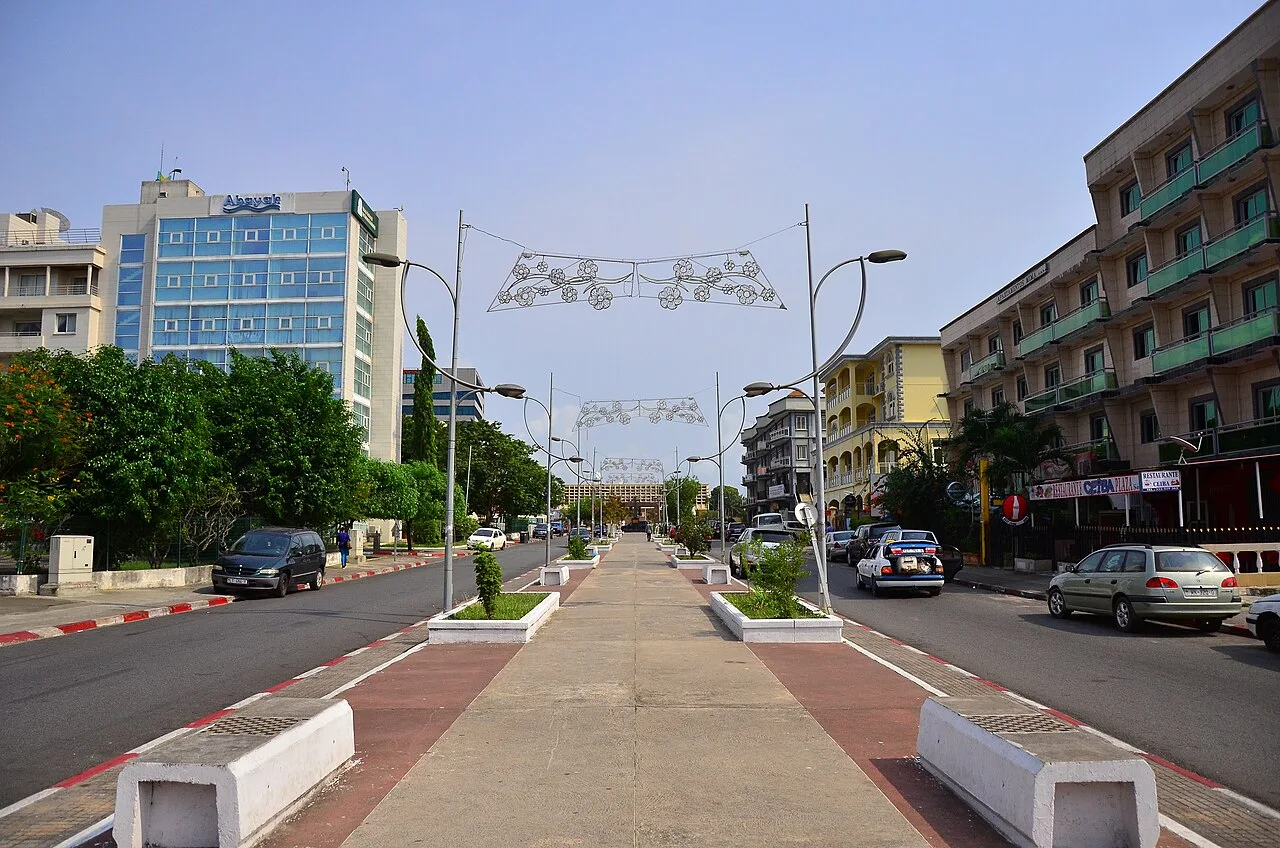
New Bata City Hall
The modern administrative building of the city of Bata, a symbol of urban renewal.
Learn more →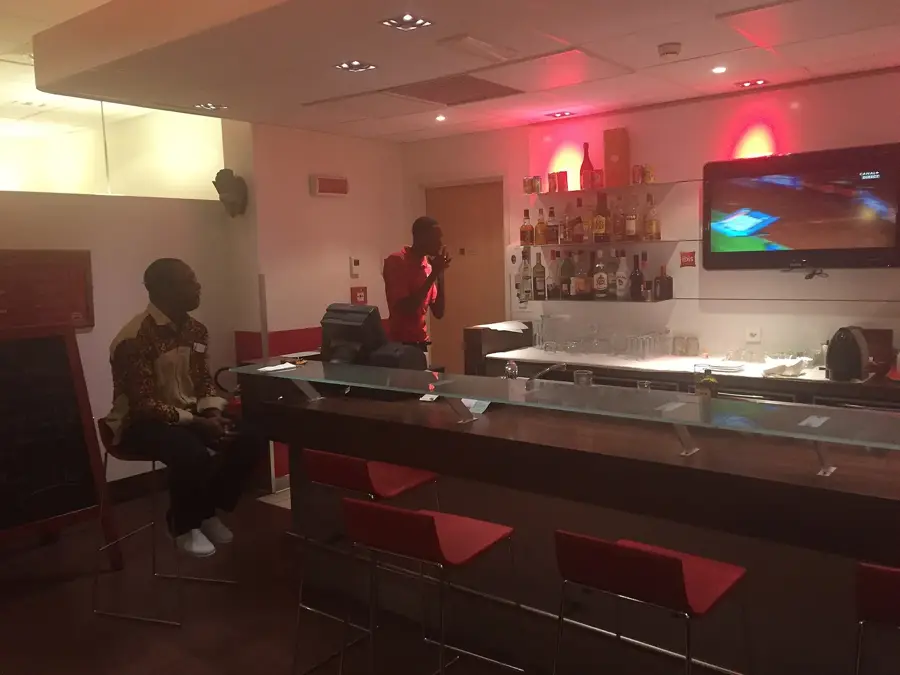
Malabo Mall
The largest modern shopping and entertainment center in Equatorial Guinea.
Learn more →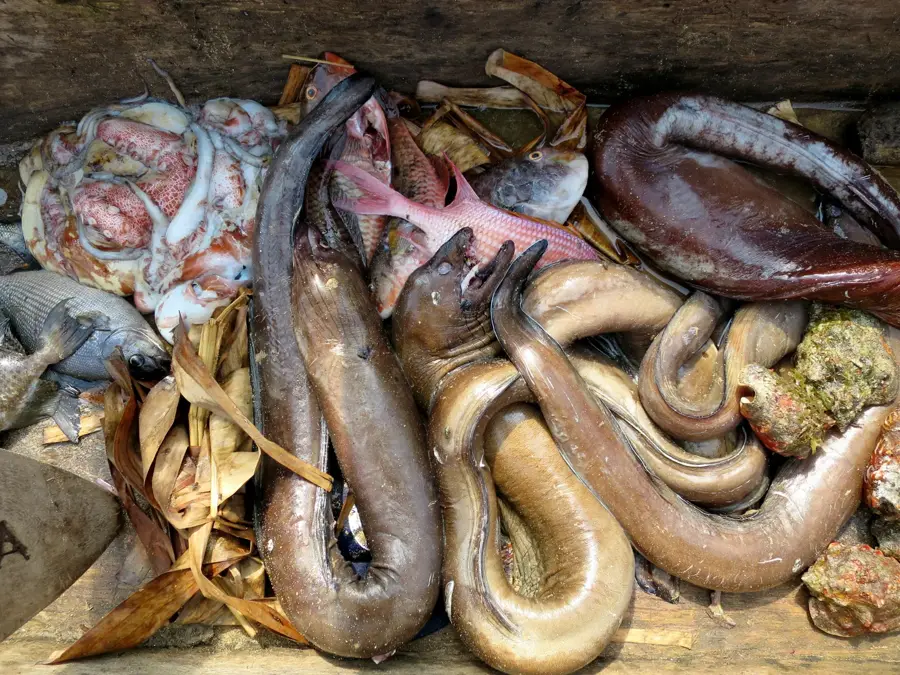
Annobón Airport (Terminal)
The modern airport terminal building on the remote Annobón Island.
Learn more →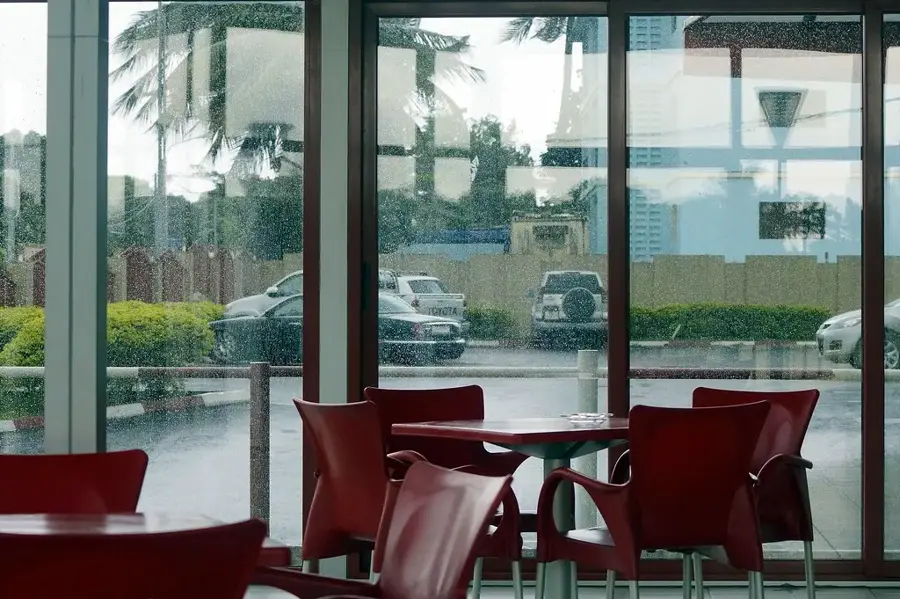
Malabo General Hospital
The largest and most modern medical care center on Bioko Island.
Learn more →Nature
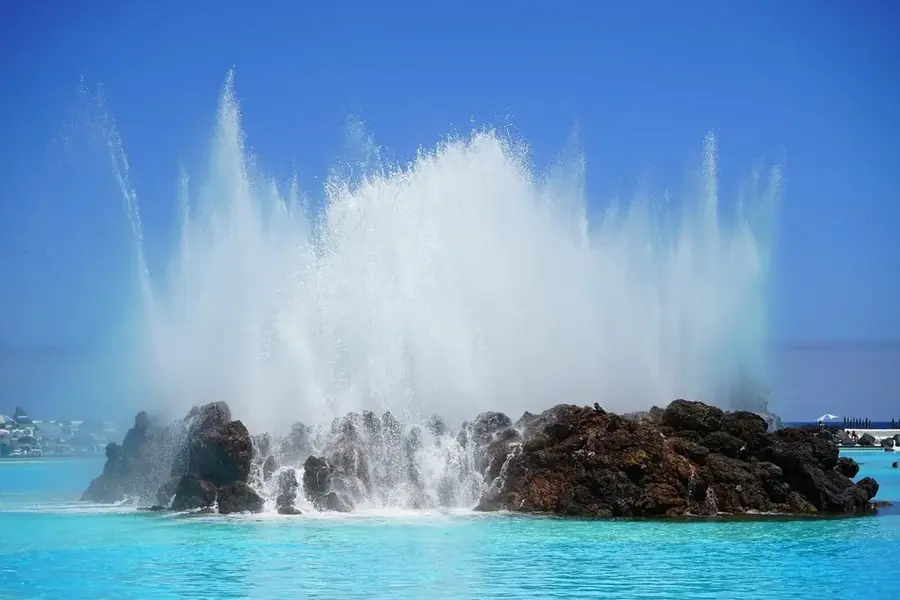
Lago de Biao
A picturesque crater lake in the southern part of Bioko Island, surrounded by lush tropical vegetation.
Learn more →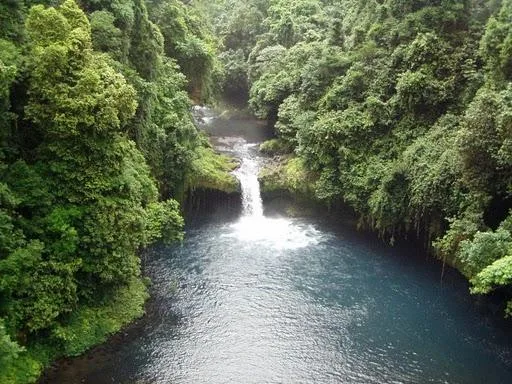
Gran Caldera de Luba
A massive volcanic collapse crater in southern Bioko, hosting one of Africa's most pristine forest areas.
Learn more →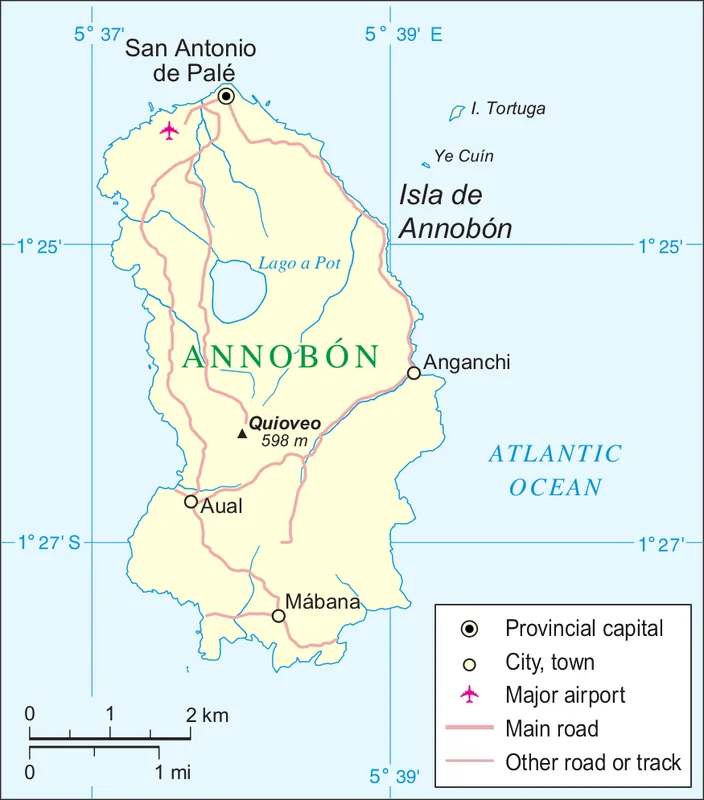
Pico Quioveo
Pico Quioveo is the highest peak on the volcanic island of Annobón, offering vast views over the South Atlantic.
Learn more →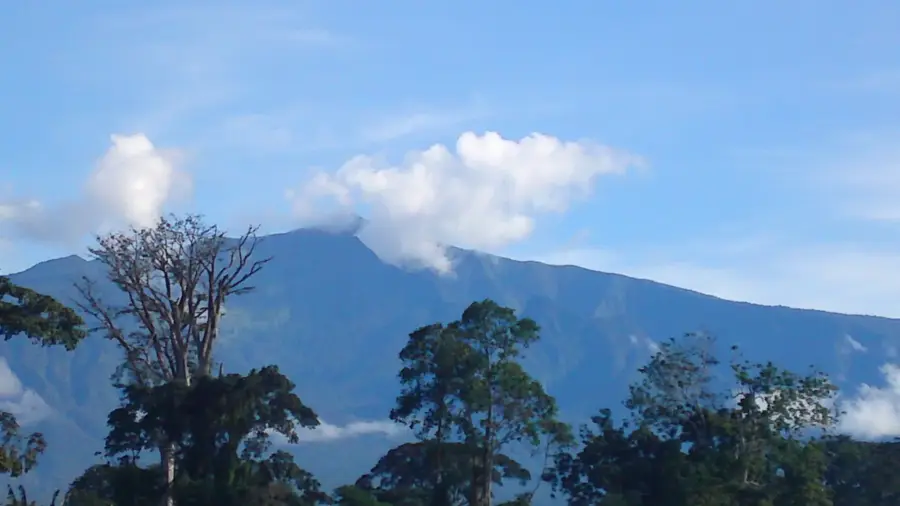
Pico Malabo
Pico Malabo is an extinct volcano in the north of Bioko Island, towering over the capital city of the same name.
Learn more →
Monte Mitra
A prominent mountain in mainland Equatorial Guinea, towering over the surrounding rainforest basin.
Learn more →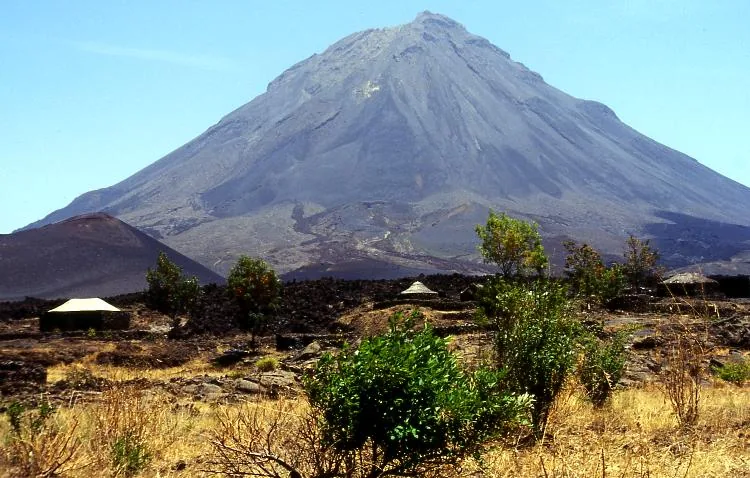
Pico do Fogo
A prominent volcanic peak in the south of Annobón Island, defining the rugged maritime landscape.
Learn more →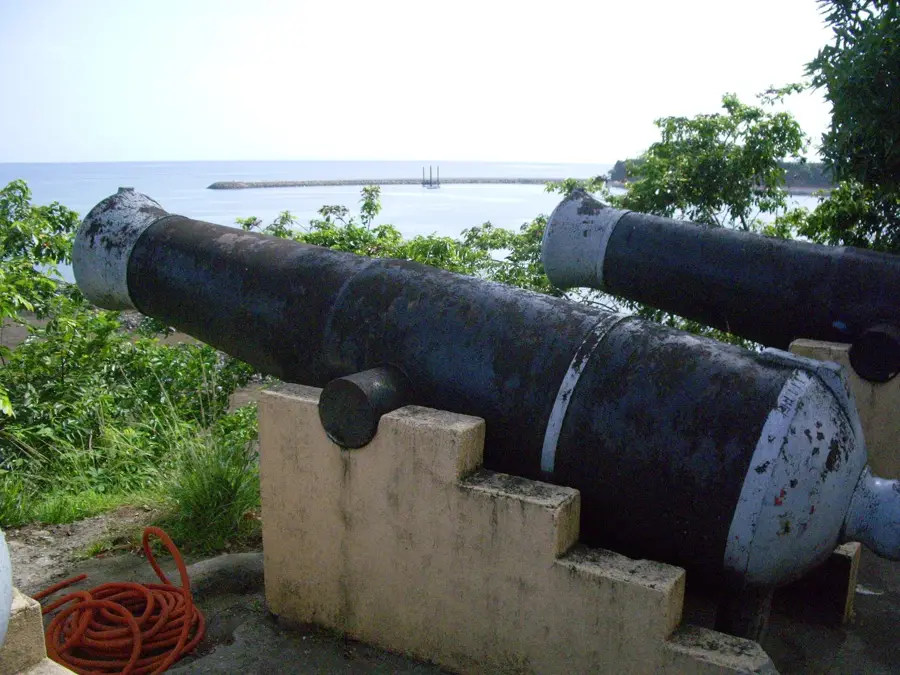
Pico Basile
The highest mountain in Equatorial Guinea, a massive volcano on Bioko Island overlooking Malabo.
Learn more →
Monte Chocolate
An isolated mountain with a characteristic conical shape in the heart of continental Equatorial Guinea.
Learn more →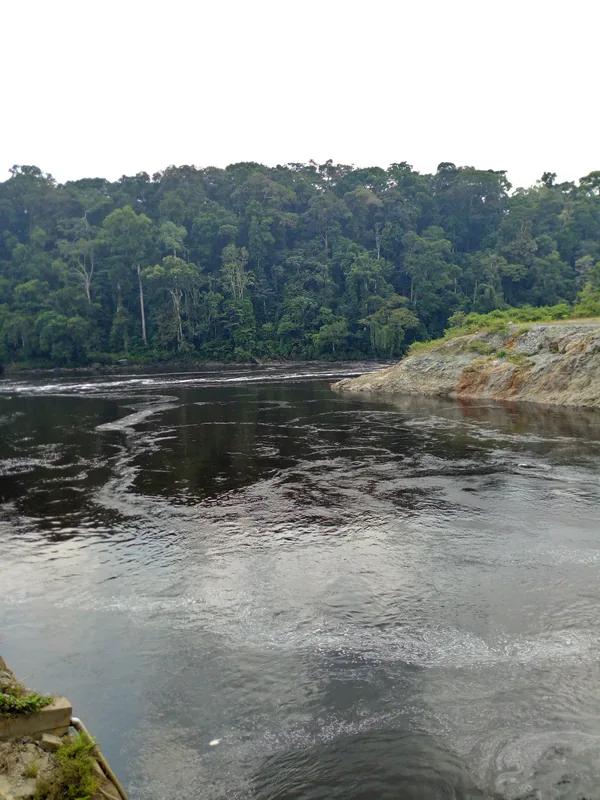
Ntem River
A significant river in the north of the country, serving as a natural border between Cameroon and Equatorial Guinea.
Learn more →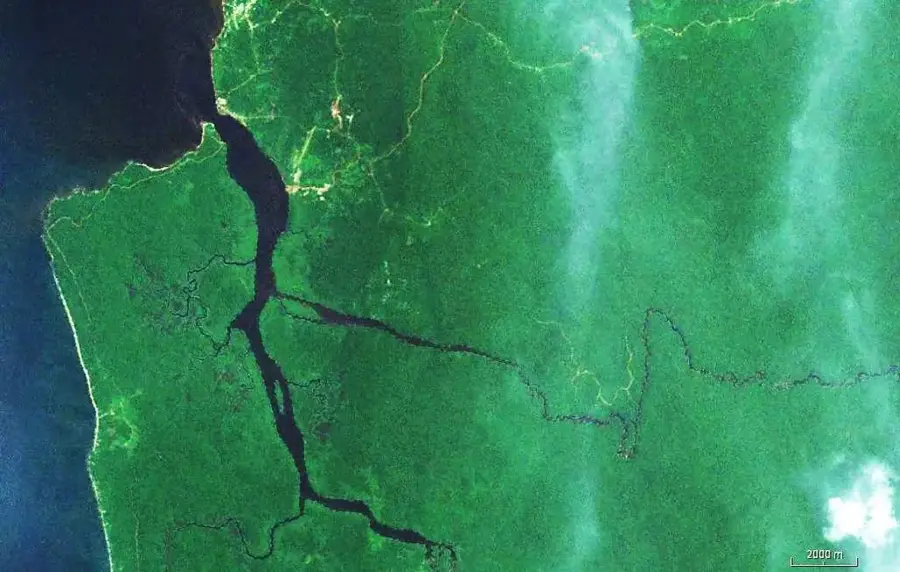
Rio Campo
A border river in the north, flowing into the Atlantic in a wide estuary and known for its fish stocks.
Learn more →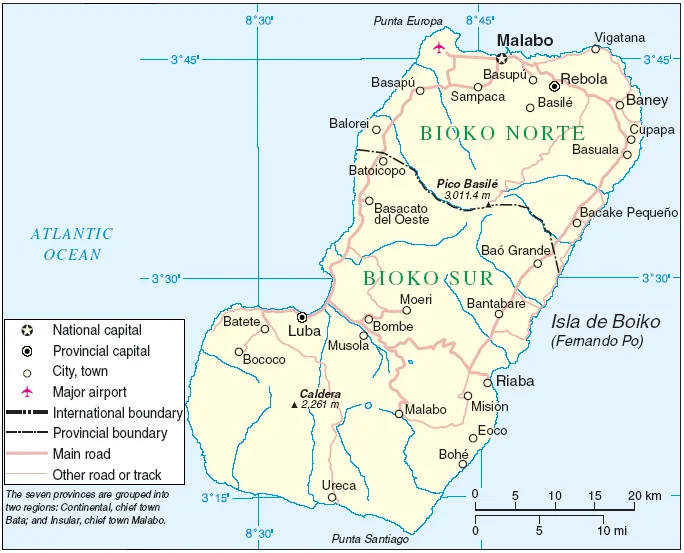
Bioko Island
The largest island of Equatorial Guinea, home to the capital Malabo, characterized by volcanic geography.
Learn more →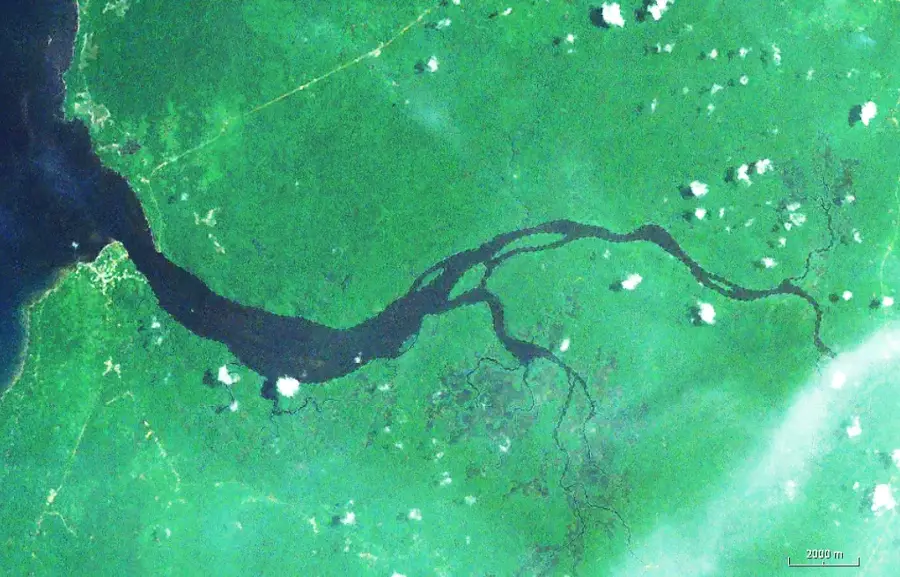
Benito River
The longest river in the mainland part of Equatorial Guinea, crossing the country from east to west.
Learn more →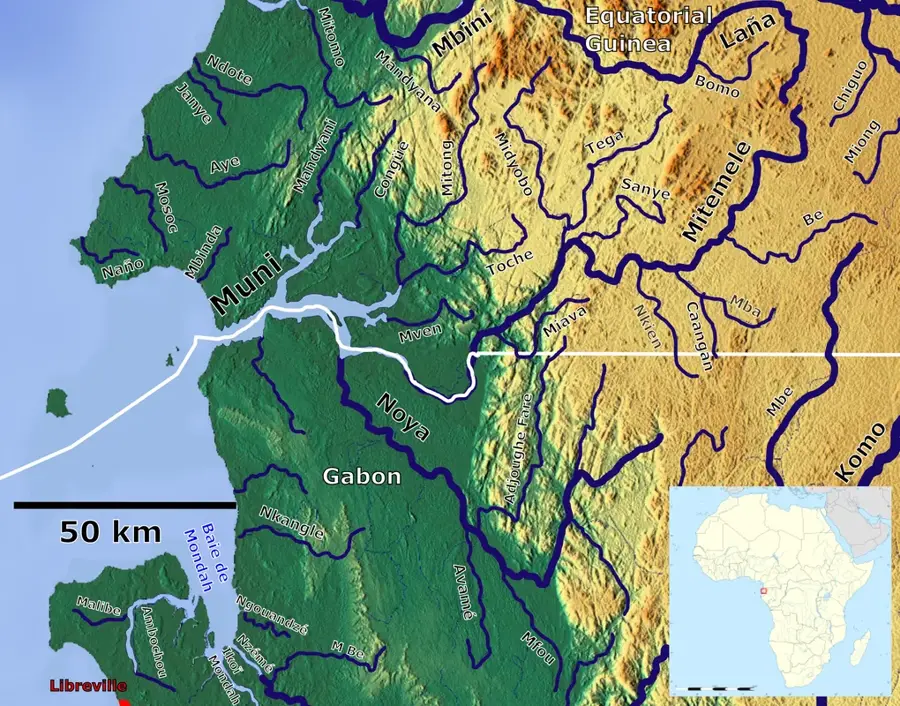
Muni River
A wide estuary in southwestern Equatorial Guinea, giving its name to the mainland part of the country.
Learn more →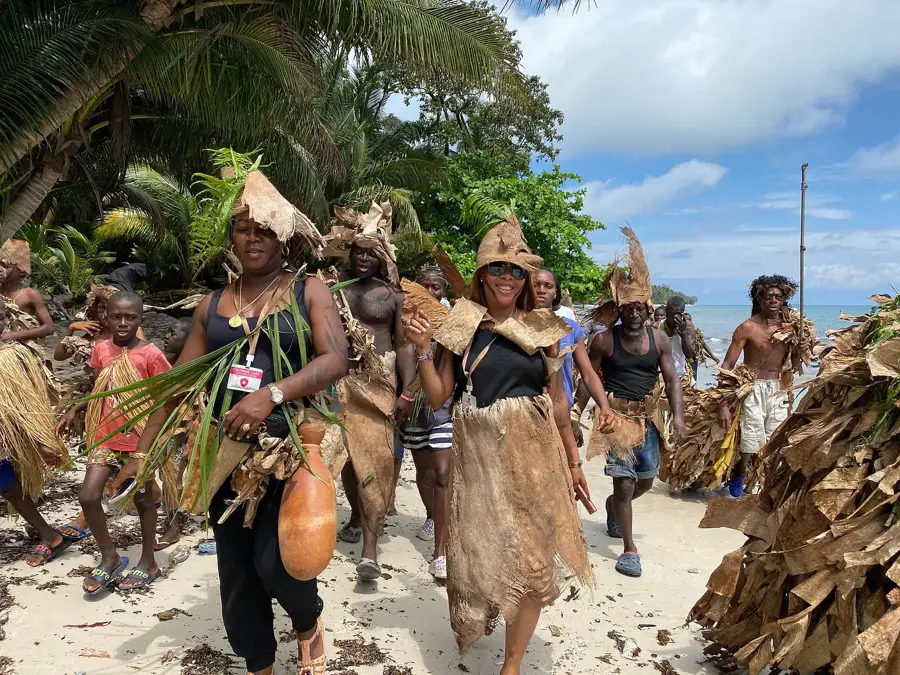
Corisco Island
A paradisiacal island in the Gulf of Guinea, known for its white sandy beaches and turquoise waters.
Learn more →More highlights
Monte Alén National Park
A vast protected area with dense tropical rainforest and one of Central Africa's most significant biodiversity hotspots.
Learn more →
Santa Isabel Cathedral
An impressive neo-Gothic cathedral in Malabo, considered one of the most significant architectural legacies of the colonial era.
Learn more →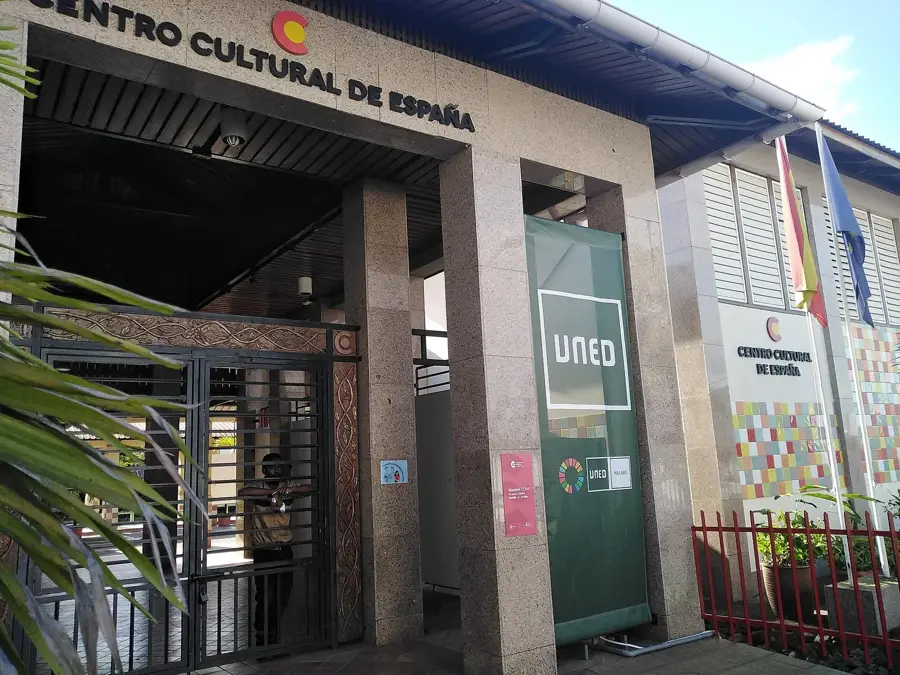
Pico Basile Primate Protection Zone
A protected forested area on the slopes of Pico Basile, providing habitat for rare primate species like the Preuss's monkey.
Learn more →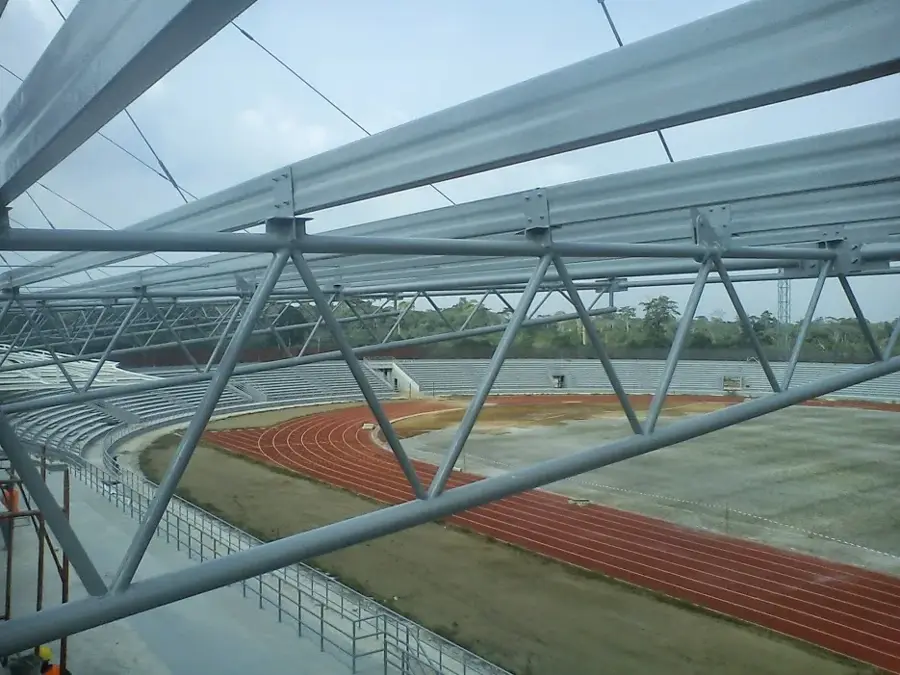
Basilica of Mongomo
One of the largest Christian churches in Africa, built in the style of St.
Learn more →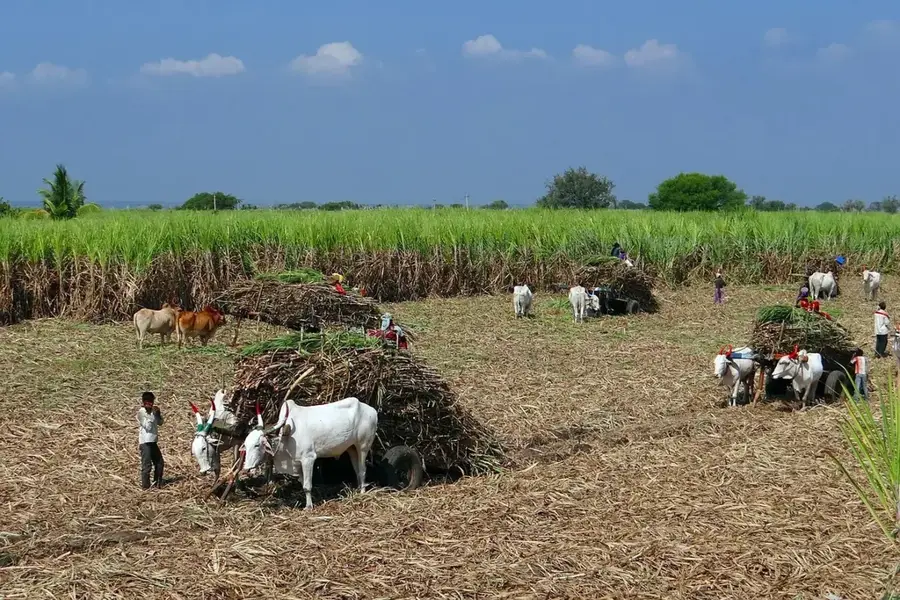
Añisoc Sugarcane Fields
Around Añisoc, there are significant areas for sugarcane cultivation, often used for making local beverages.
Learn more →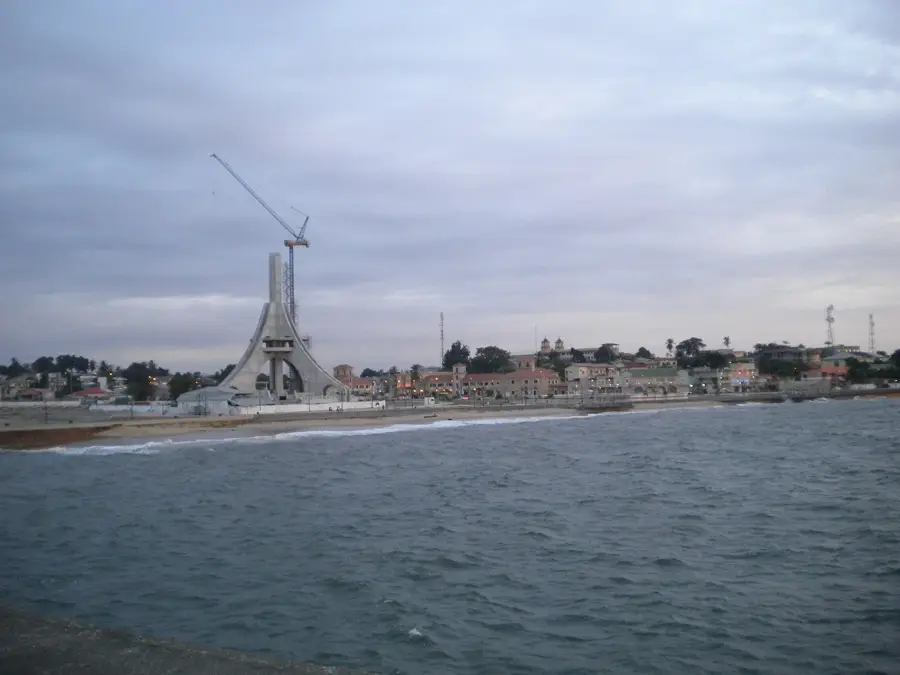
Old Post Office of Bata
A prominent colonial building in Bata, reflecting the city's administrative history during Spanish rule.
Learn more →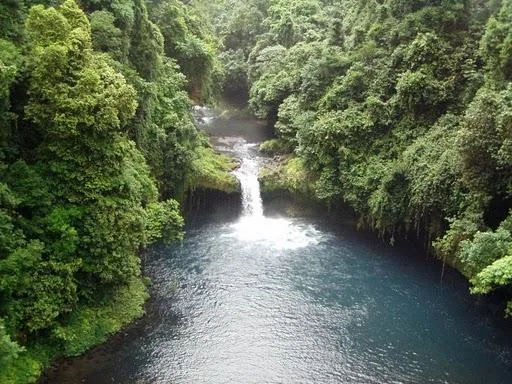
Ureca Turtle Beach
An important nesting site for sea turtles on the southern coast of Bioko Island, where rare species lay their eggs.
Learn more →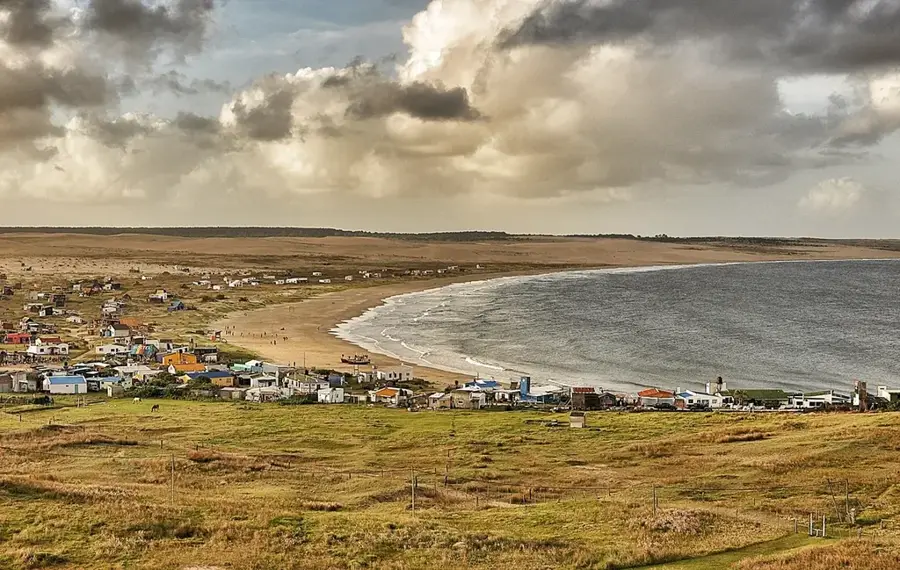
Lighthouse of Punta Unidad
A historical lighthouse in the north of the country, guiding navigation in the Gulf of Guinea since the colonial era.
Learn more →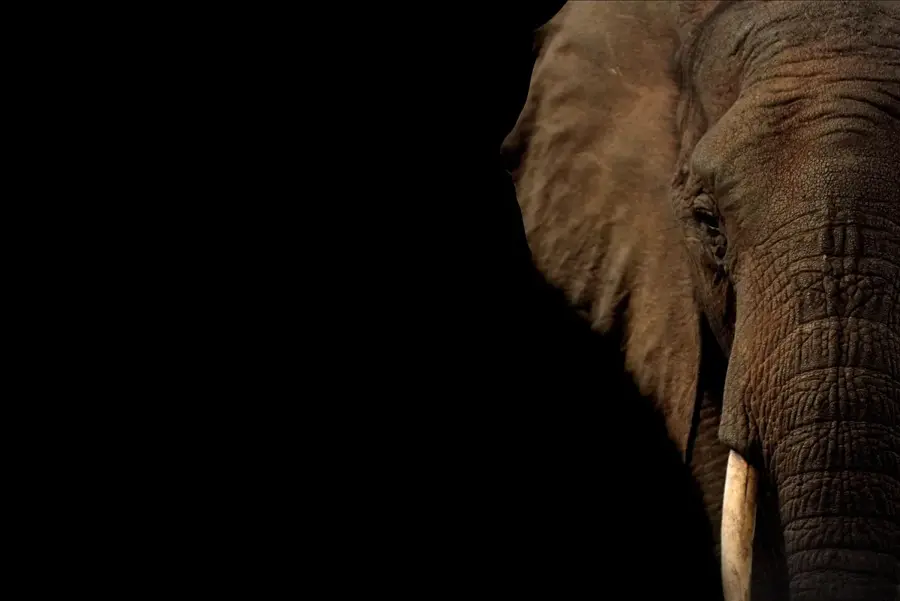
Nsork Elephant Trails
The dense forests around Nsork in the southeast are known for the migration routes of African forest elephants.
Learn more →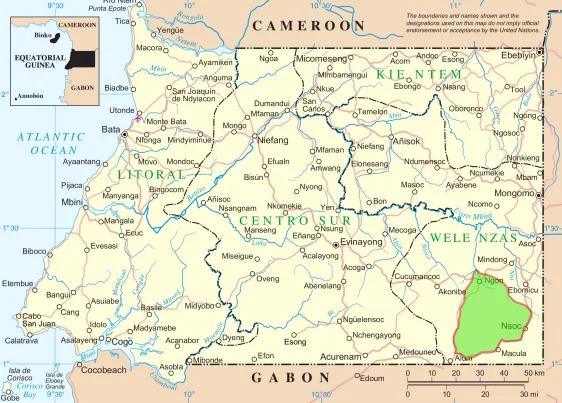
Altos de Nsork National Park
A remote national park in the southeast of the country, known for its hilly landscape and pristine rainforests.
Learn more →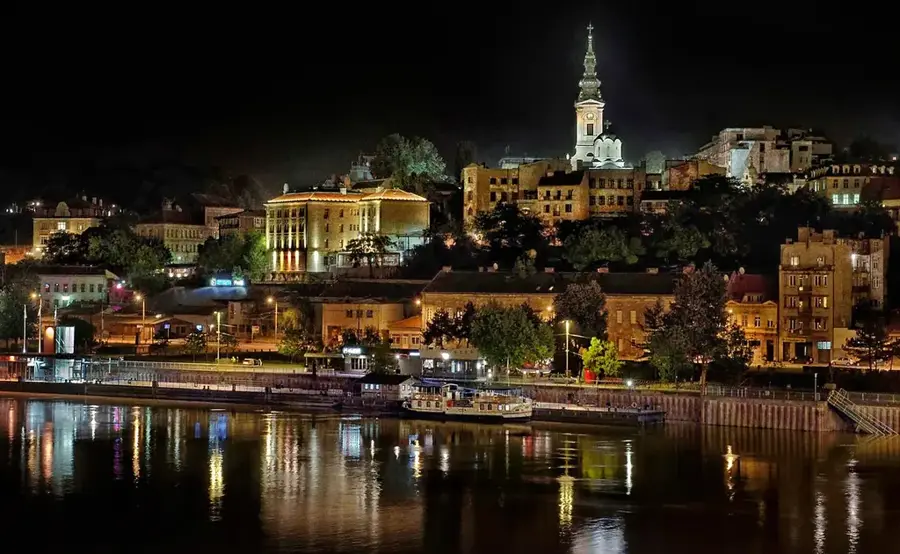
Bata Promenade Kids Park
A colorful playground on the Bata waterfront promenade, providing children with a safe place to play by the sea.
Learn more →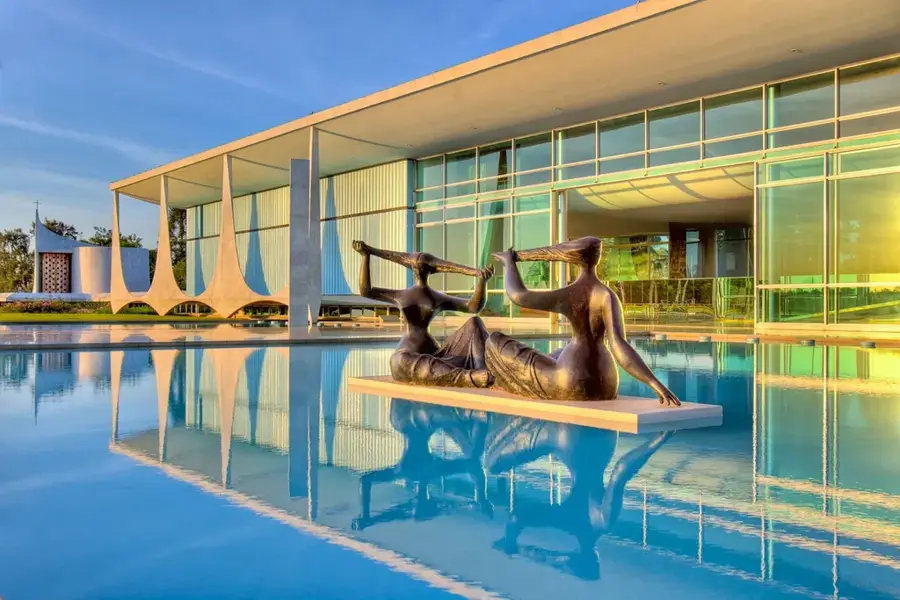
Old Palace of Moca
A historical retreat in the mountains of Bioko, once serving as a summer residence for colonial governors.
Learn more →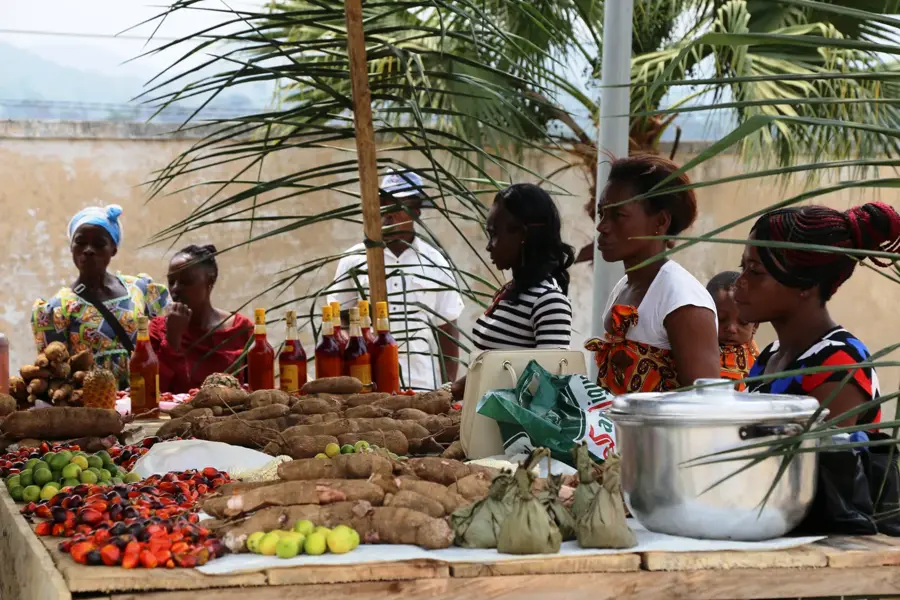
Ebebiyín Kids Leisure Center
An urban facility in the north that provides leisure activities and play opportunities for children.
Learn more →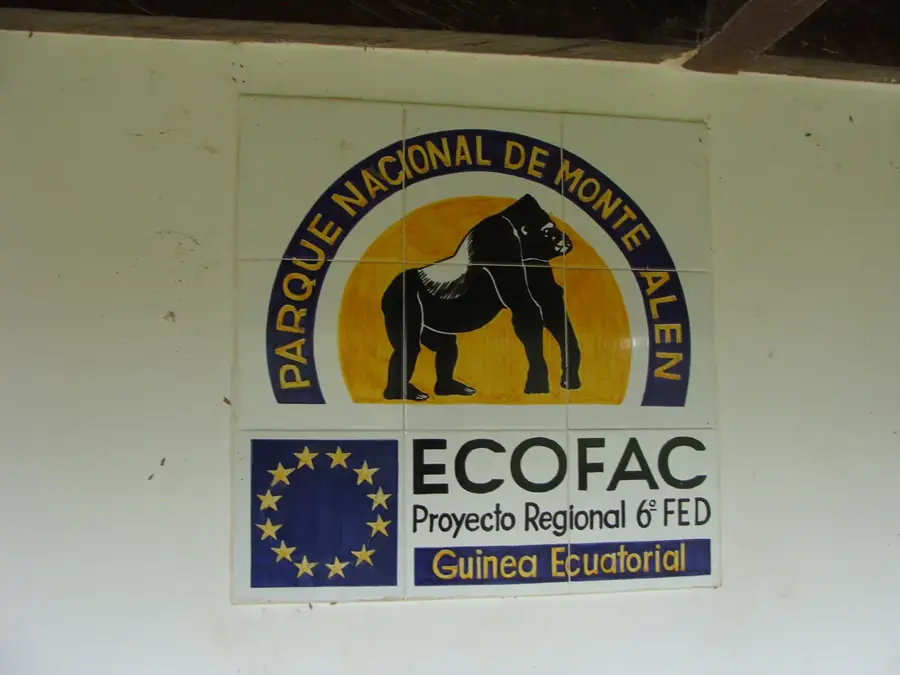
Niefang Highlands
The central mountain range in continental Equatorial Guinea, dividing the country in a north-south direction.
Learn more →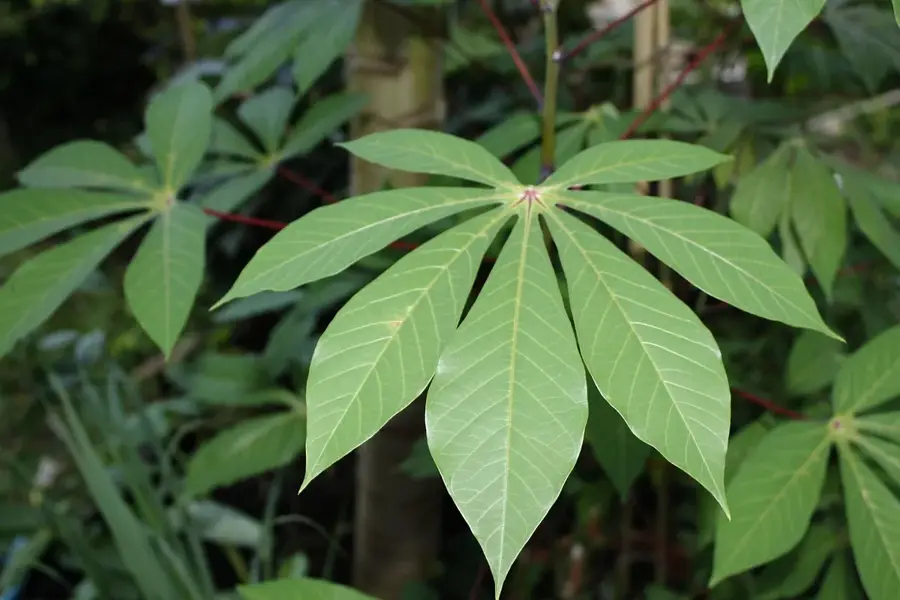
Evinayong Cassava Fields
The region around Evinayong is the center for cassava cultivation, the staple food of the local population.
Learn more →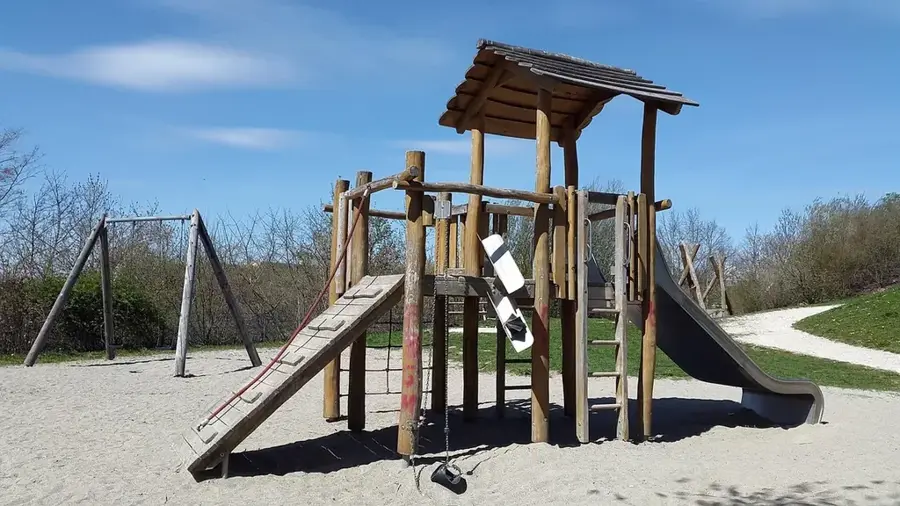
Sipopo Adventure Playground
In the luxurious Sipopo area, there are well-maintained leisure facilities for children near the beach.
Learn more →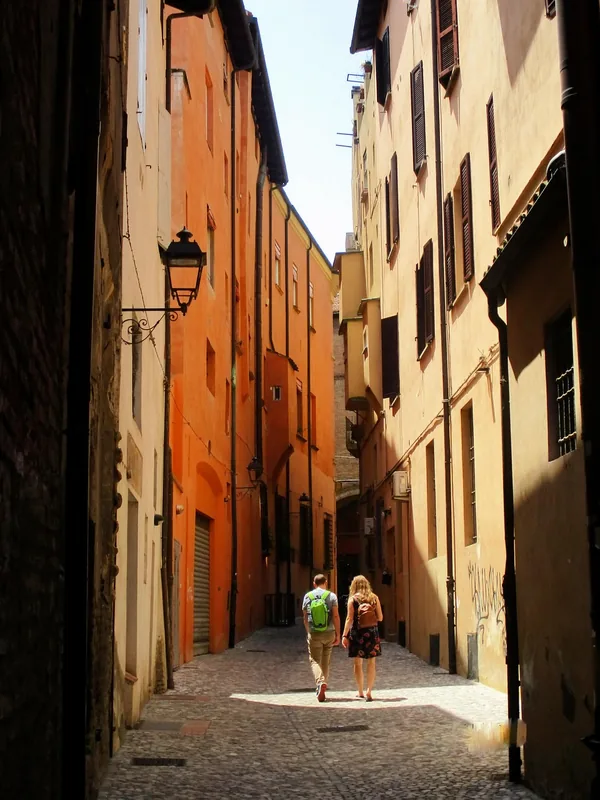
Historical Center of Evinayong
The heart of the Centro Sur provincial capital, known for its cool temperatures and colonial remains.
Learn more →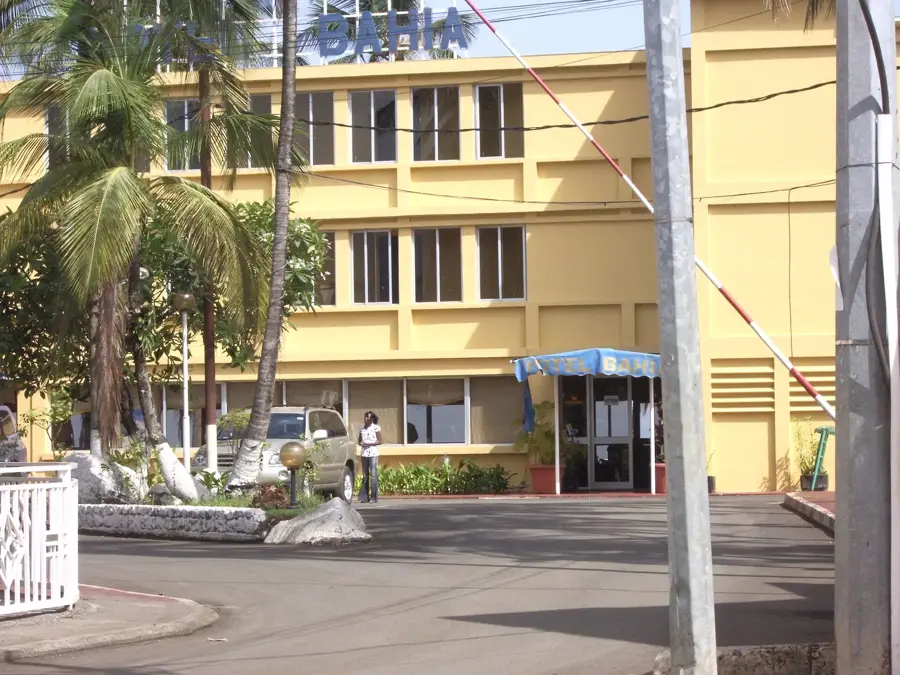
Malabo Estuary
The natural sea inlet in front of the capital Malabo, serving as an important port and ecological zone.
Learn more →
Mission of Niefang
A historical Catholic mission in Niefang, strategically located at the gateway to the interior of the country.
Learn more →Frequently asked questions
What are the top attractions in Equatorial Guinea?
Among the most popular are GEPetrol Headquarters, Ngolo Conference Center, 7M Martyrs Monument, Mbini Bridge, Sipopo Congress Center and many more – the full top 50 list is on this page.
When is the best time to visit Equatorial Guinea?
May to October offers the most pleasant weather; July and August are warmest and busiest.