Plizio Visual Lab
Evinayong Cassava Fields
Weather…
Water temperature…
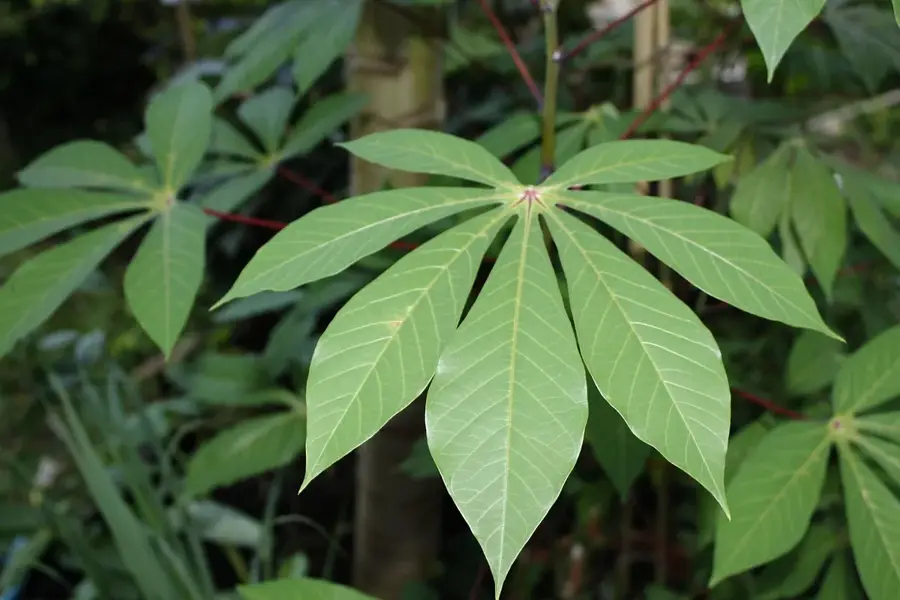
The Cassava Fields of Evinayong are the heart of food production in the Centro Sur Province, where this resilient root crop is the primary staple for the local Fang population. Cassava (Manihot esculenta) is perfectly adapted to the highland soils and provides a reliable food source throughout the year. The community's life revolves around the planting, harvesting, and complex processing of the tubers into various products like 'gari' and 'chicwangue' (cassava bread wrapped in banana leaves). The cultivation of cassava is often a communal activity, reflecting the strong social ties in the rural interior. These fields are essential for national food security and represent the enduring importance of traditional farming in modern Equatorial Guinea. Curriculum: Social Studies K6, Agriculture K7.
- Location: Equatorial Guinea
- Nearby: Bicurga (18 km)
Best time to visit & climate
The most pleasant time to visit is Jun–Aug.
| Jan | Feb | Mar | Apr | May | Jun | Jul | Aug | Sep | Oct | Nov | Dec | |
|---|---|---|---|---|---|---|---|---|---|---|---|---|
| Avg °C | 24 | 24 | 24 | 24 | 24 | 23 | 22 | 22 | 23 | 23 | 23 | 23 |
| Rain mm | 110 | 122 | 228 | 214 | 183 | 89 | 38 | 61 | 160 | 332 | 299 | 145 |
📋 Practical info
Geography
Facts
- The primary staple crop for the interior highland regions.
- Evinayong is a major hub for cassava trade and processing.
- Tuberous roots are harvested year-round to ensure food security.
- Processed into traditional foods like gari and fermented bread.
- Cultivation involves intense manual labor and communal effort.
- A resilient crop that thrives in the humid tropical climate.
- Both the roots and the protein-rich leaves are consumed locally.
Explore nearby
Notable places around



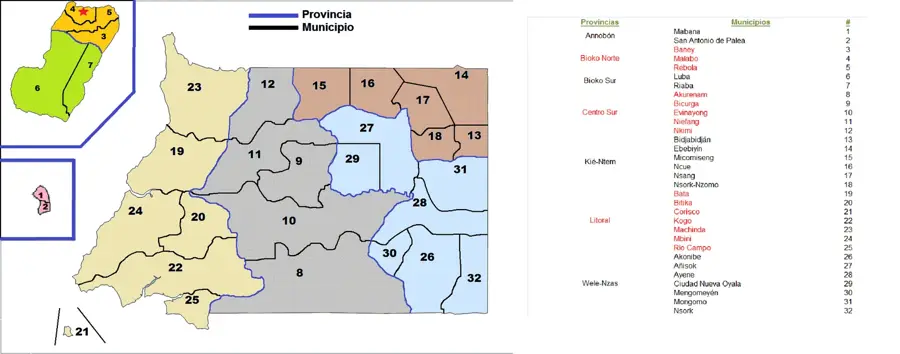
Route planner — Car & Motorhome
Where do you start? We build the route here, with stops and country notes along the way.
© OpenStreetMap contributors · OpenRouteService
Sights in the town Evinayong Cassava Fields (1)
Sights nearby
Frequently asked questions
How does cassava grow in Evinayong?
Can one visit the fields?
Is cassava important for the diet?
Where can one taste fresh cassava?
How is the atmosphere there?
Evinayong Cassava Fields: where is it located?
Evinayong Cassava Fields: when is the best time to visit?
Evinayong Cassava Fields: why is it worth visiting?

Nearby cities

Nature
More places