Plizio Visual Lab

Malabo Estuary
Plizio editorial teamData Sources
Sea
—°2
Malabo Estuary (Equatorial Guinea)

Weather…

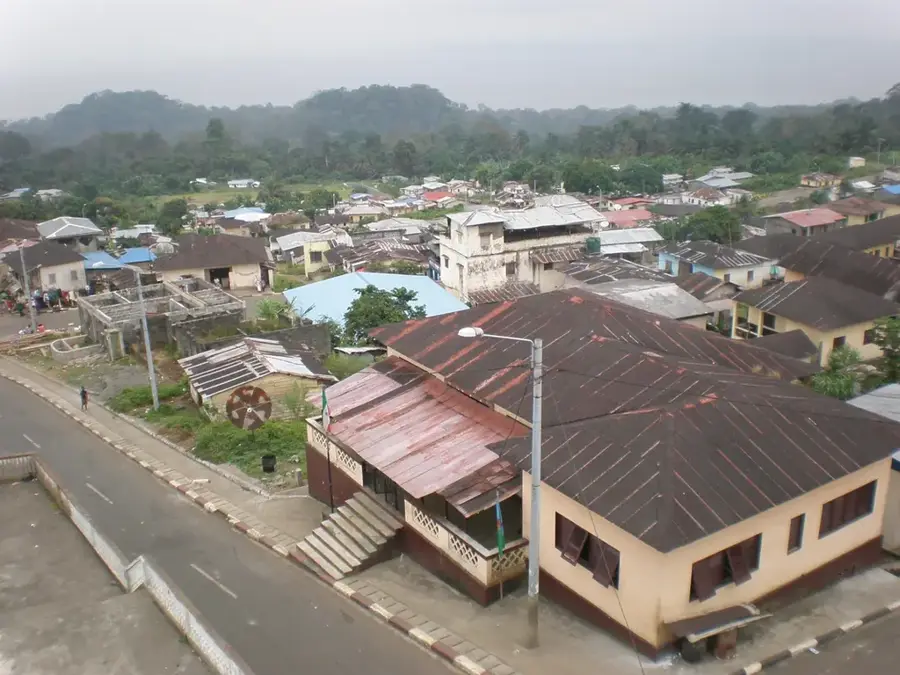
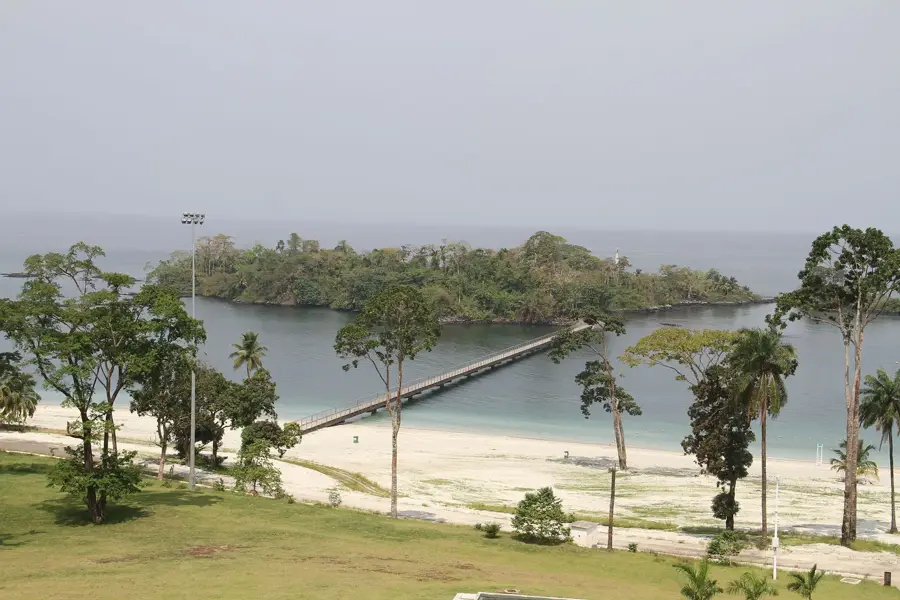
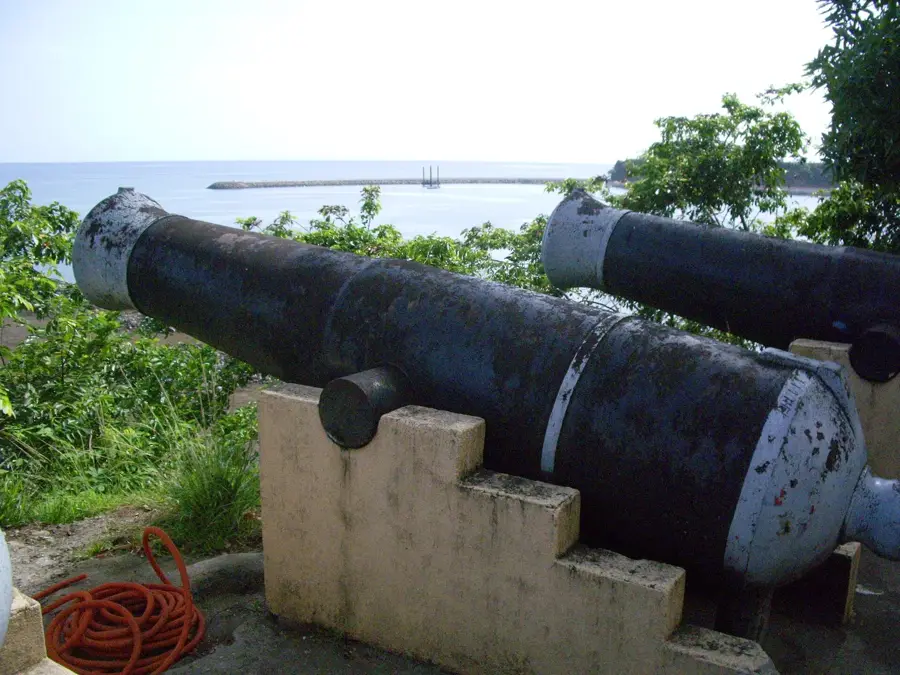
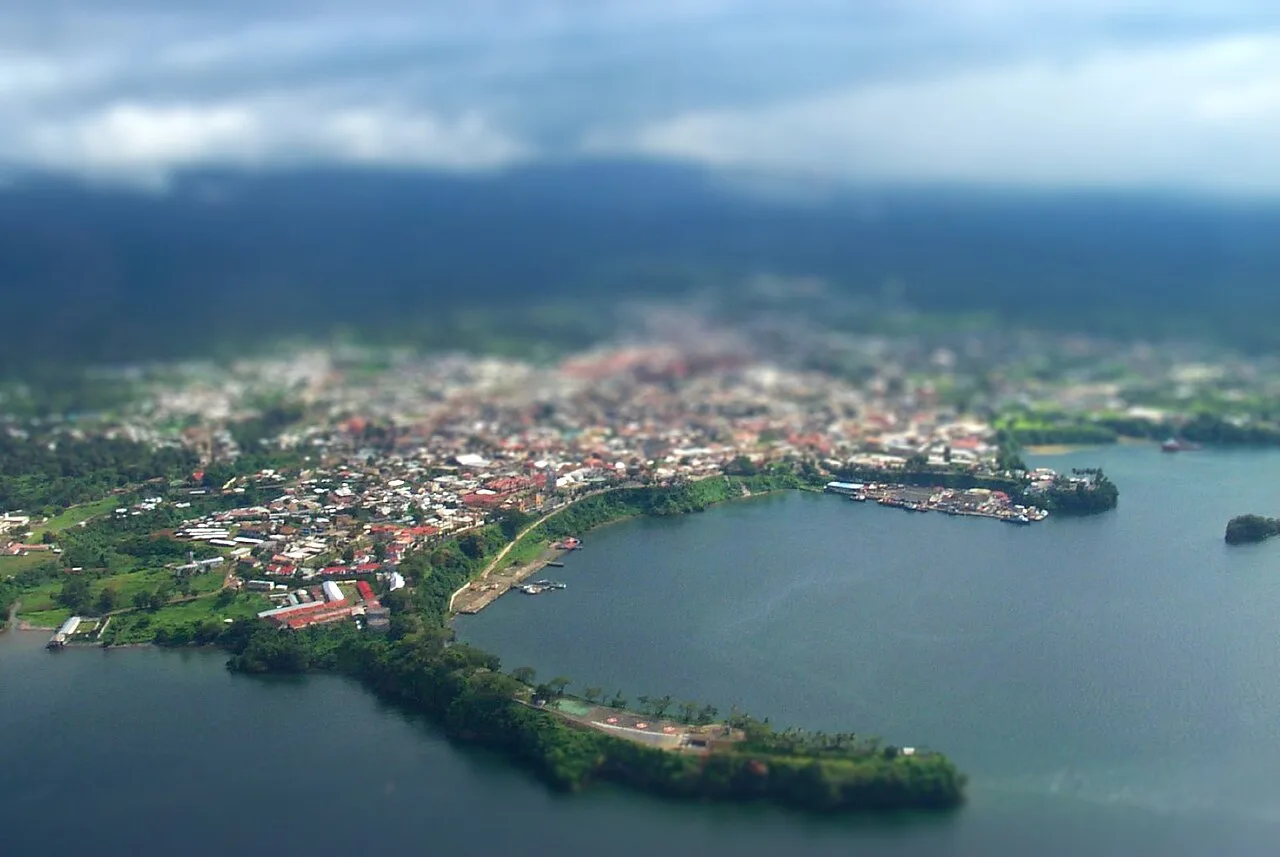
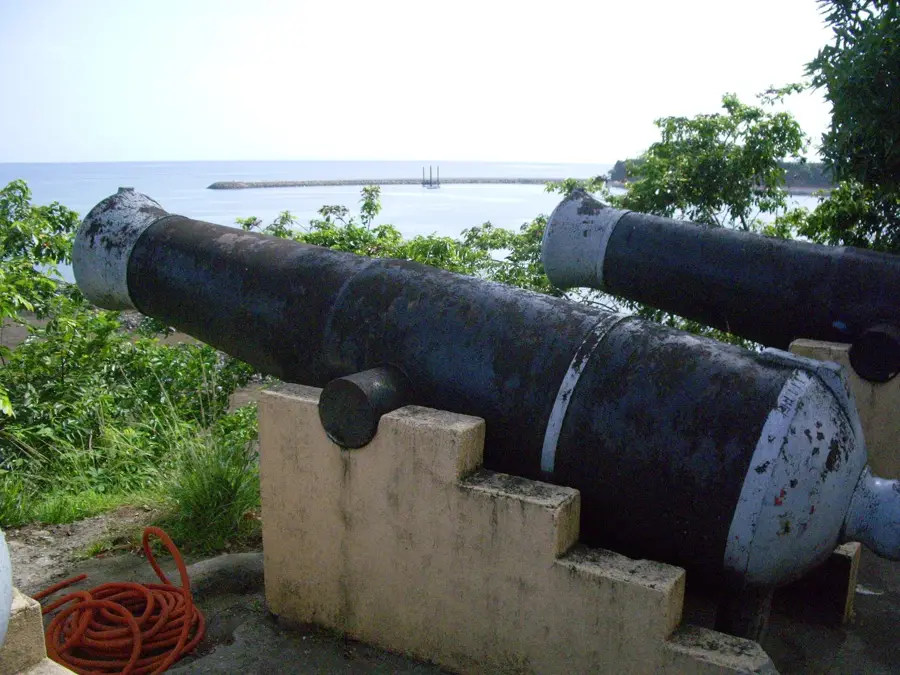
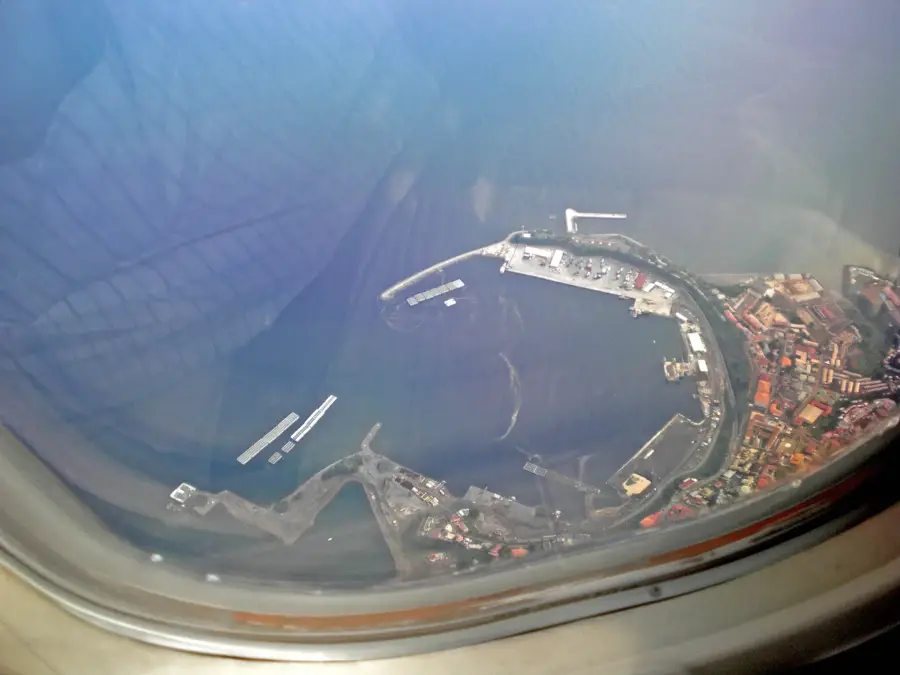
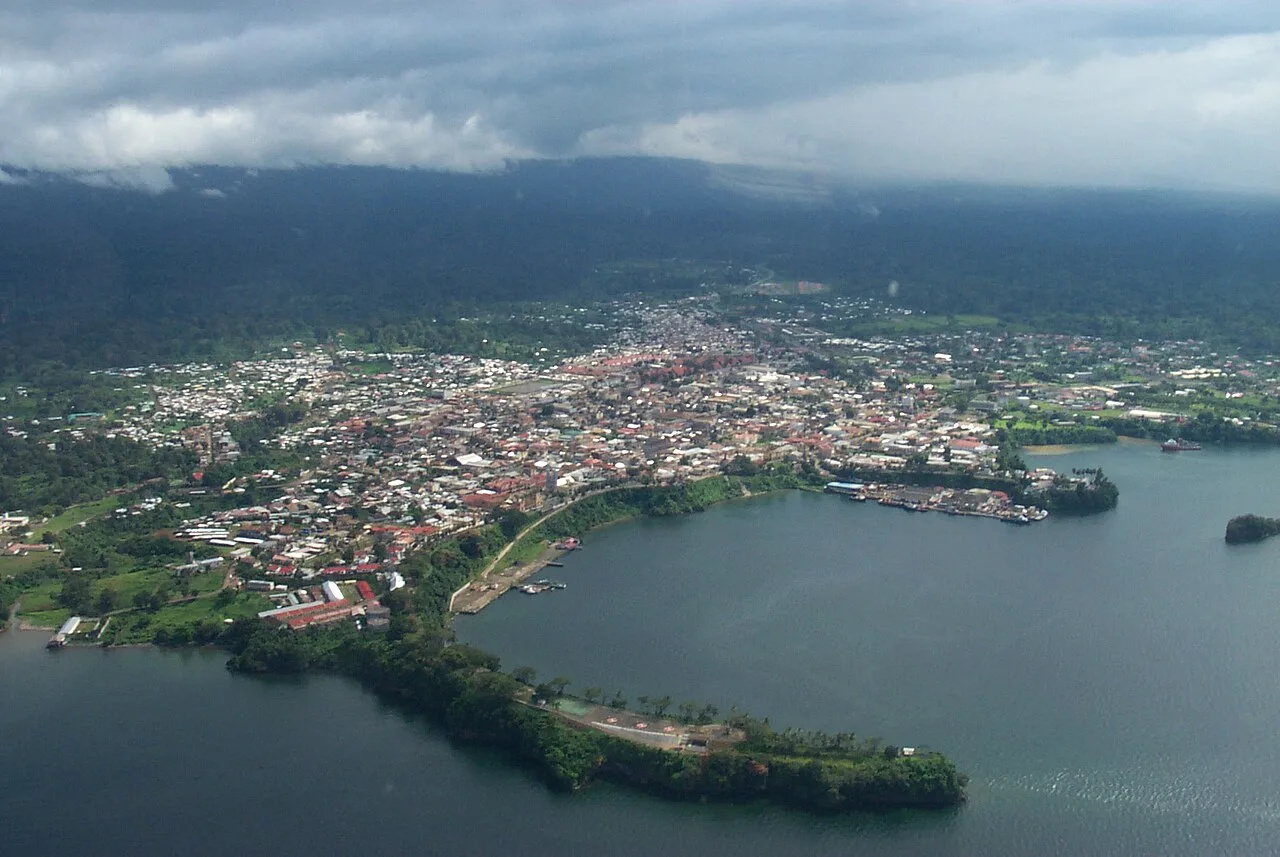
The Malabo Estuary is a natural sea inlet on the northern coast of Bioko Island, providing a sheltered and deep-water environment that has made it the primary harbor for the nation's capital. This volcanic inlet is protected from the full force of the Atlantic storms, creating a well-suited location for the Malabo Sea Port and other maritime infrastructure. Beyond its logistical importance, the estuary is an interesting ecological zone where the island's runoff meets the salt waters of the Gulf of Guinea. The surrounding cliffs and volcanic rocks provide nesting sites for various seabirds and a unique coastal landscape. The estuary's development is central to the history and continued economic growth of Malabo. Curriculum: Geography K6, Economics K7.

Best time to visit & climate

The most pleasant time to visit is Jan, Feb, Dec.

JanFebMarAprMayJunJulAugSepOctNovDec
Avg °C282828282827262626272727
Rain mm307414819020234742448041025715026

📋 Practical info

🧭
Getting there
Access to this vital coastal inlet is generally quite straightforward from the surrounding capital city streets, with pathways and public waterfront areas leading directly toward the sea. As an active port zone, certain immediate dock areas may have restricted public access for security reasons.
📅
Best season
The dry season, stretching from late November through March, is typically the most pleasant period for visiting the waterfront and observing the maritime activity in the capital. During these months, the humidity is generally lower, providing clearer skies over the bustling ecological sea inlet.
⛰️
Terrain & paths
The immediate surroundings feature a highly developed urban coastline with paved walkways, concrete embankments, and commercial port infrastructure facing the natural waters. Moving slightly away from the central port facilities, visitors can observe more natural coastal stretches typical of the region.
🎒
What to bring
Standard, comfortable urban walking shoes are completely sufficient for exploring the accessible public sections of the city's waterfront. Visitors should definitely prioritize carrying adequate sun protection, sunglasses, and drinking water due to the consistently warm and humid equatorial climate.
🅿️
Parking
Parking within the bustling capital is usually found along the nearby commercial streets or in specific municipal areas a short distance from the primary harbor viewpoints. Finding a space directly next to the water can sometimes be challenging due to the heavy volume of local port-related traffic.
⚠️
Safety
As a major commercial and administrative hub, the waterfront is generally secure, but normal urban situational awareness is strongly advised against petty theft. Visitors must rigorously respect all restricted zones, security fencing, and photography bans strictly enforced around the operational port facilities.
⏱️
Time needed
A relaxed walk to view the natural inlet, observe the maritime operations from the public waterfront, and enjoy the coastal atmosphere typically takes about one to two hours. This easily allows visitors to combine the estuary sightseeing with exploring the neighboring urban highlights of the capital.

Geography

Coordinates
3.78450, 8.78120

Facts

  • A deep natural sea inlet of volcanic origin on Bioko.
  • Provides a sheltered harbor for the capital city, Malabo.
  • Primary location for the nation's most advanced seaport.
  • Protects the city's waterfront from powerful Atlantic surges.
  • An important site for observing regional coastal bird species.
  • Central to the maritime and colonial history of the island.
  • A vital node for international and domestic cargo transit.

Explore nearby

Notable places around

Route planner — Car & Motorhome

Where do you start? We build the route here, with stops and country notes along the way.

Vehicle
Only stops with (optional):

© OpenStreetMap contributors · OpenRouteService

Sights in the town Malabo Estuary (2)

Operation Postmaster📍 landmark

A British military operation during World War II carried out in Malabo harbor.

Black Beach📍 landmark

A beach on Bioko Island, noted for its dark volcanic sand.

Sights nearby

Frequently asked questions

What can you see in the Malabo Estuary?
You can see the busy port of the capital and the maritime skyline of Malabo.
Can you go fishing in the estuary?
Local fishermen are active; there are occasional charter has for tourists.
Is the water clean enough for swimming?
Near the port, swimming is not recommended due to boat traffic.
Are there boat tours for tourists?
There are no fixed tours, but private trips can be organized at the port.
When is the best view of the estuary?
At sunset, the Paseo Marítimo coastal road provides a fantastic view.
Malabo Estuary: where is it located?
Malabo Estuary is located in Equatorial Guinea.
Malabo Estuary: what is there to see?
Highlights include Operation Postmaster, Black Beach.
Malabo Estuary: when is the best time to visit?
The most pleasant time to visit is Jan, Feb, Dec.
Malabo Estuary: why is it worth visiting?

The Malabo Estuary is a natural sea inlet on the northern coast of Bioko Island, providing a sheltered and deep-water environment that has made it the primary harbor for the nation's capital.
View on map → The Top 50 Attractions → OpenStreetMap →
Africa
Explore with Plizio Discover more places in Africa
More places in Equatorial Guinea →

Nearby cities

History & landmarks
More places