Plizio Visual Lab

Orontes
Plizio editorial teamData Sources
River
—°6
Orontes (Syria)

Weather…

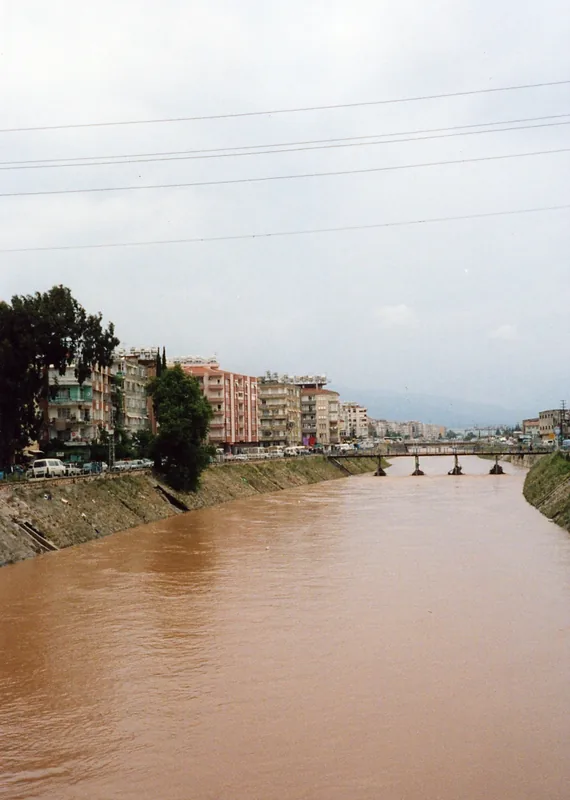
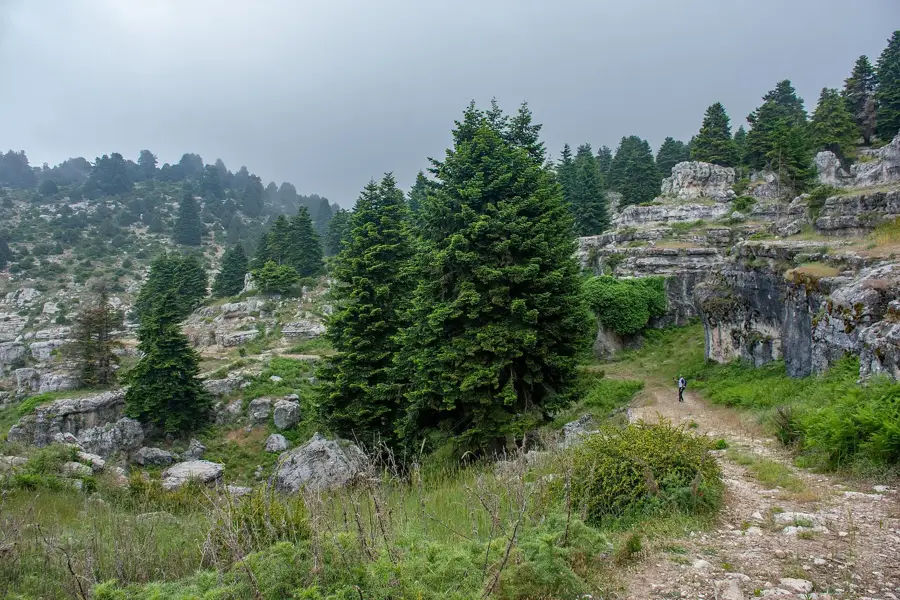
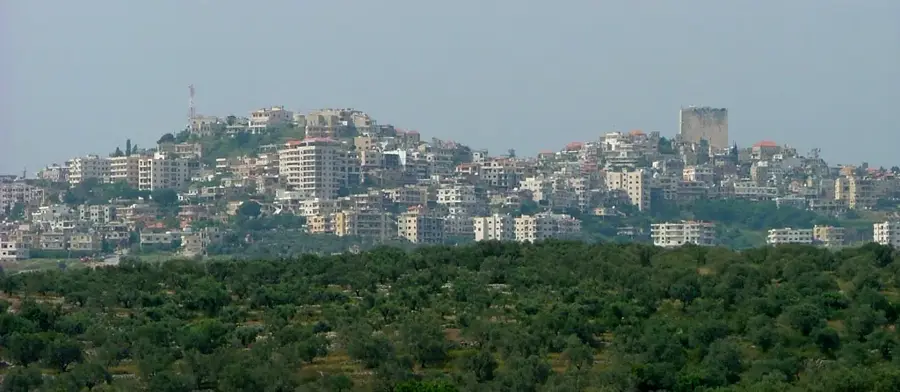
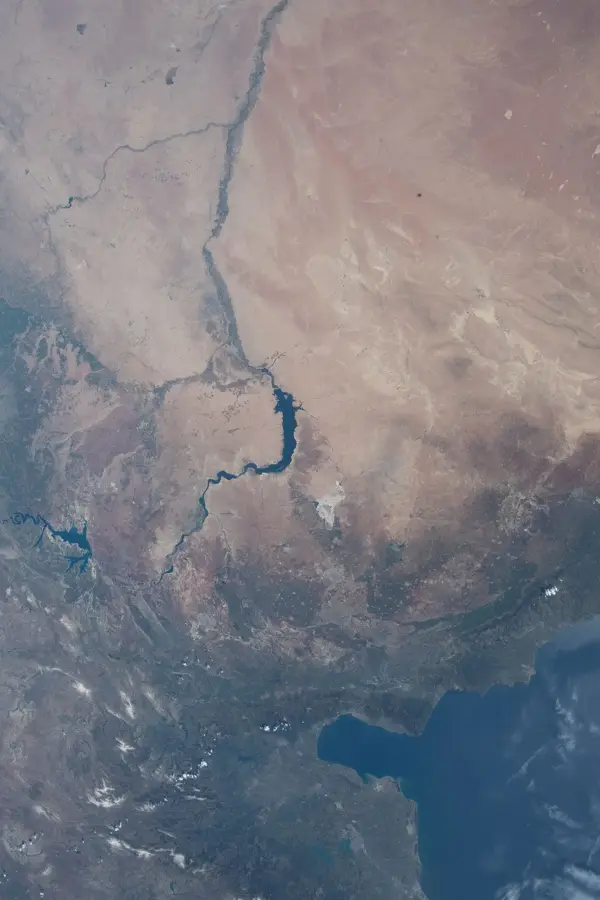
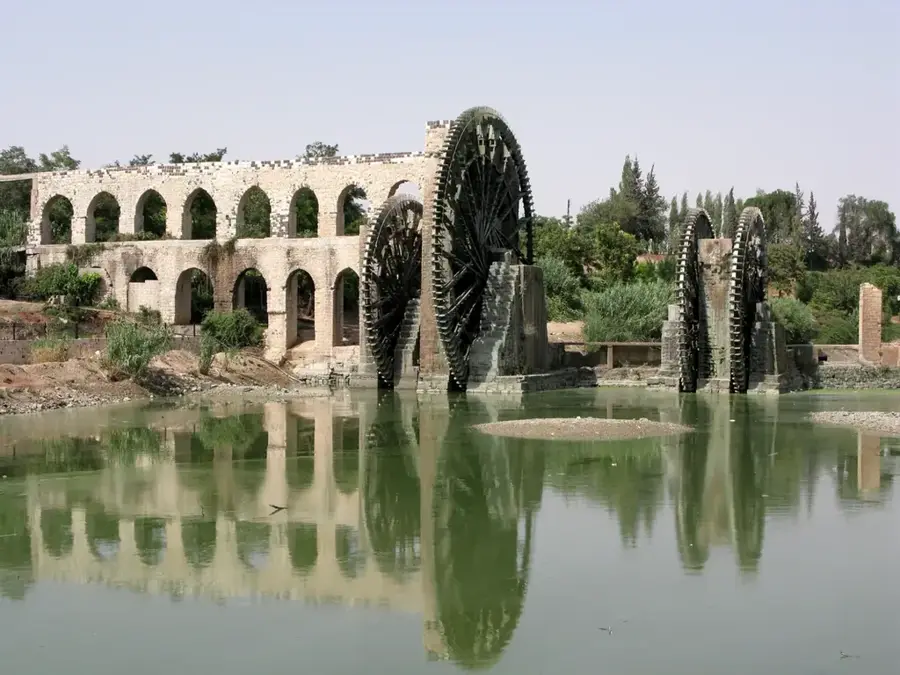
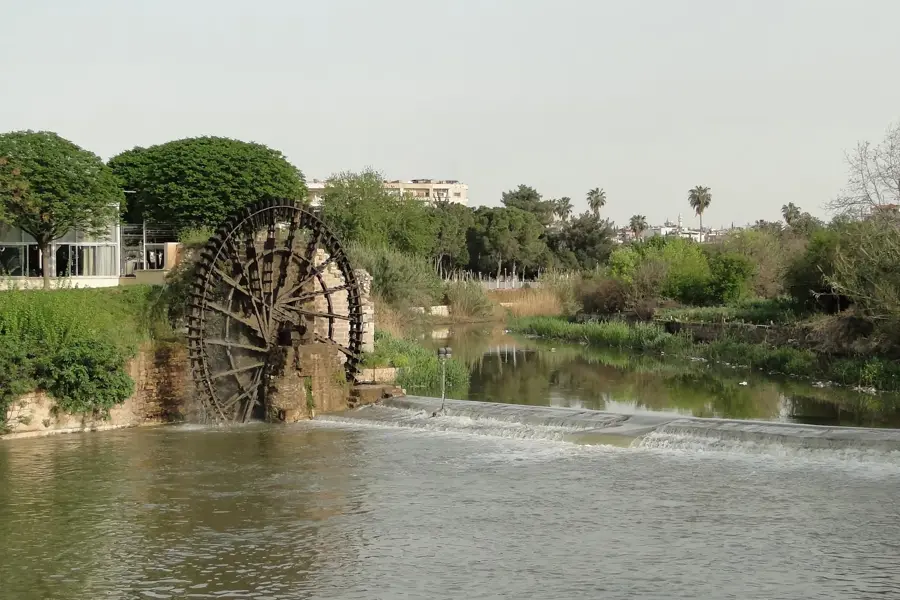
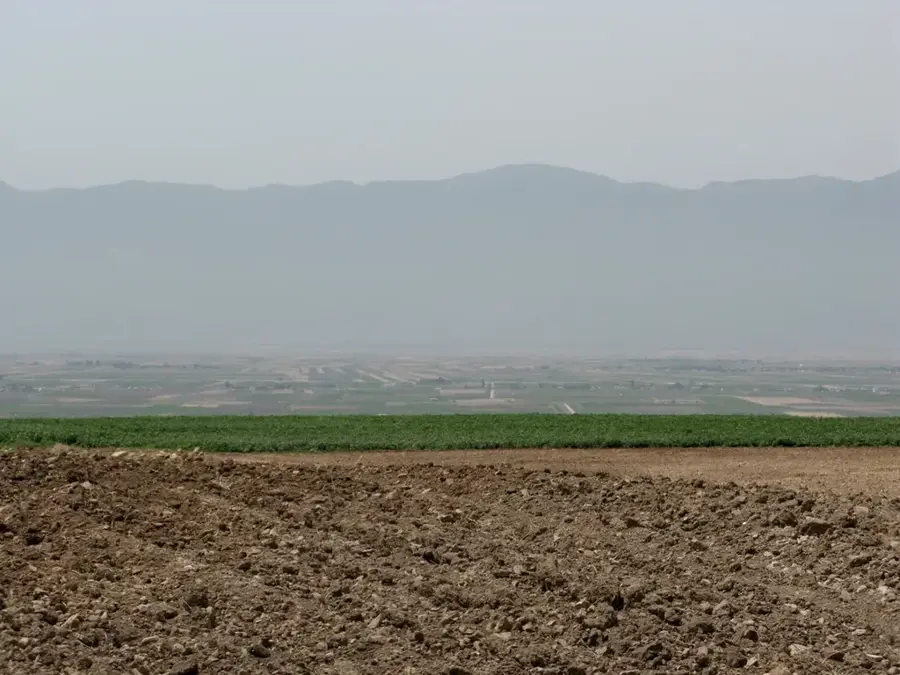
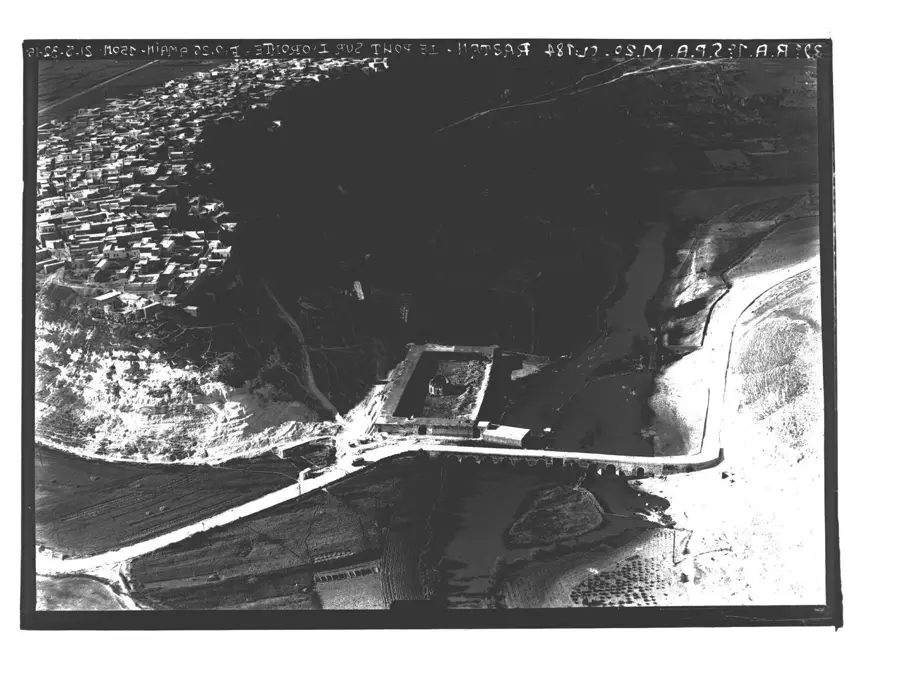
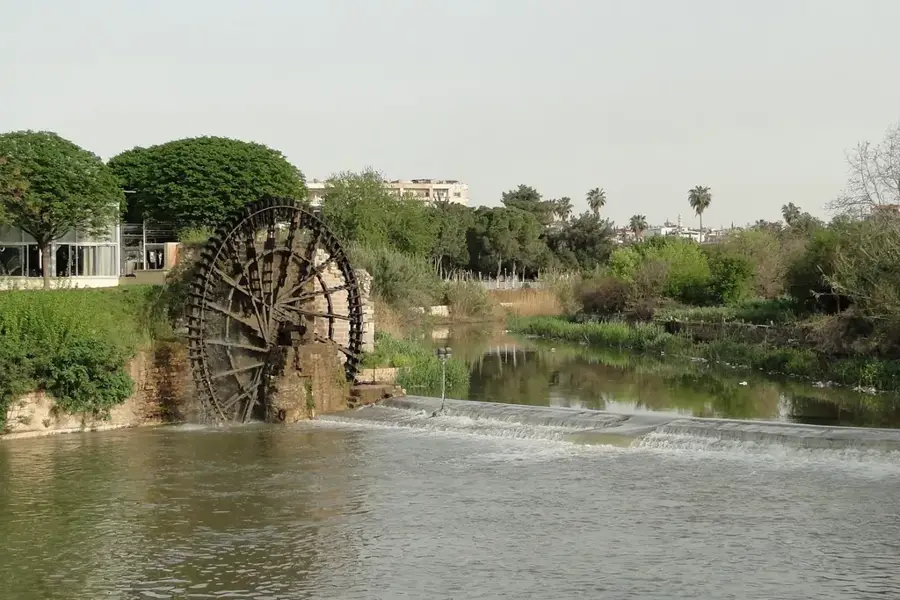
The Orontes, known in Arabic as Nahr al-Asi, is a unique river in the Levant that flows from south to north, contrary to the usual direction of regional waterways. It originates in the Lebanon Mountains, traverses the fertile Bekaa Valley, and then flows through the Syrian cities of Homs and Hama before emptying into the Mediterranean Sea in Turkey. In Syria, the Orontes has carved deep valleys and vast alluvial plains over millennia, which are among the country's most productive agricultural regions. World-famous are the monumental wooden water wheels, the Norias of Hama, which were historically used to lift river water to higher-elevation fields. Geographically, the river forms a vital axis for western Syria, supplying water to major urban centers and industrial plants. Historically, the Orontes Valley was the site of significant ancient battles, such as the Battle of Kadesh. Ecologically, the river provides a habitat for various fish species and waterfowl, though environmental issues currently challenge water quality. The Orontes remains an indispensable symbol of the connection between nature and hydraulic engineering in Syrian culture.

Best time to visit & climate

The most pleasant time to visit is May, Jun, Oct.

JanFebMarAprMayJunJulAugSepOctNovDec
Avg °C891316212628282621149
Rain mm72543720123129203860

📋 Practical info

🧭
Getting there
Reaching the river in western Syria generally involves traveling by road to major urban centers like Hama, where the historical water features are located. Public transportation or hired drivers can typically facilitate the journey between the key settlements situated along the river's course.
📅
Best season
Spring and autumn are usually considered the best seasons for a visit, offering moderate temperatures suitable for exploring the city environments and riverbanks. Summers in this region can be exceptionally hot, which might make lengthy outdoor sightseeing considerably more exhausting.
⛰️
Terrain & paths
The terrain varies significantly from urban riverfront walkways in cities like Hama to more natural, agricultural landscapes outside the populated zones. In urban areas, visitors can expect paved paths and stairs, while rural sections feature standard, often uneven, earthen banks.
🎒
What to bring
Comfortable, closed-toe walking shoes are advisable for navigating both paved city streets and potentially dusty or uneven paths near the river. Modest clothing that respects local customs is highly recommended, along with basic sun protection items like sunglasses and hats during sunny days.
🅿️
Parking
In larger settlements along the river, parking is typically available in designated urban lots or along wider residential streets, subject to local regulations. If visiting historical water installations in city centers, finding parking nearby might require navigating busy traffic and narrow alleys.
⚠️
Safety
General travel advisories and current safety situations in the country must be carefully reviewed and continuously monitored prior to planning any visit. It is always best to travel with knowledgeable local contacts or established tour operators who understand the regional dynamics.
⏱️
Time needed
A standard visit to admire the historical water wheels and stroll along the urban riverbanks usually takes roughly two to four hours depending on one's pace. A more thorough exploration of the surrounding cultural and agricultural areas along the river will easily require a full day.

Geography

Coordinates
35.13330, 36.75000

Facts

  • Length: Approximately 571 kilometers
  • Uniqueness: Flows from south to north (hence the name 'Asi' – the rebellious)
  • Mouth: Mediterranean Sea (near Antakya, Turkey)
  • Culture: Famous for the ancient Norias (water wheels) in Hama
  • Agriculture: Major irrigation source for central Syrian farmlands
  • History: Site of the historic Battle of Kadesh (1274 BC)

Explore nearby

Notable places around
Route planner — Car & Motorhome

Where do you start? We build the route here, with stops and country notes along the way.

Vehicle
Only stops with (optional):

© OpenStreetMap contributors · OpenRouteService

Sights in the town Orontes (6)

maoured mahieha Hama📍 landmark

A popular riverside spot in Hama, famous for its proximity to the historical waterwheels.

Hama Castle🏰 castle

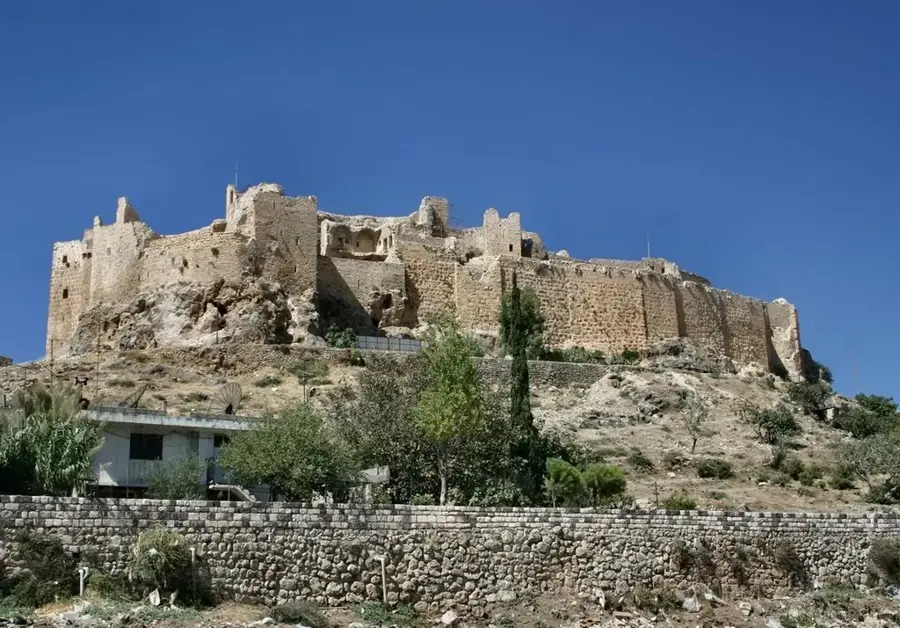
A monumental citadel mound in the city center that dominates the panorama of Hama.

Great Mosque⛪ religious

A historical mosque built on a Roman temple site, featuring a distinct square minaret.

Mohammad al-hamed⛪ religious

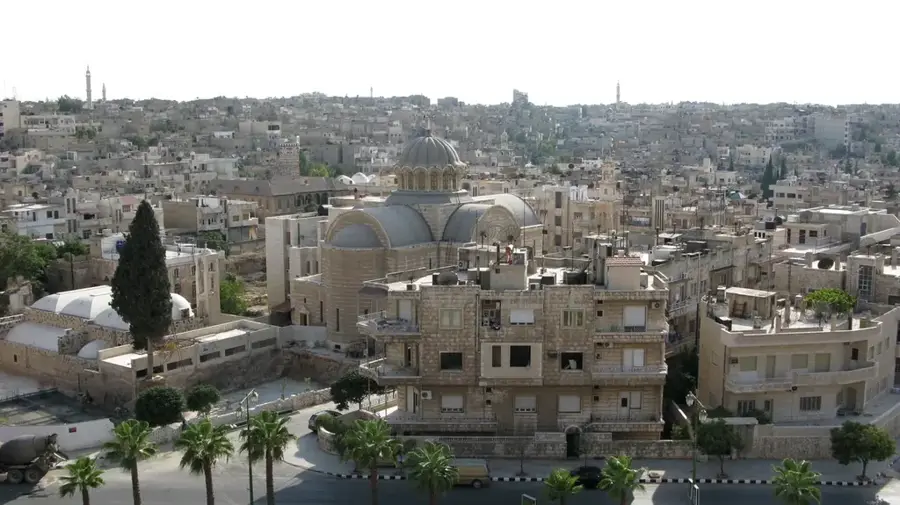
A local place of worship in Hama, known for its traditional Levantine stone architecture.

Muhammad Ali al-Qadri Mosque📍 landmark

A mosque in Hama known for its classic Islamic design and spiritual importance.

Sultan Mosque📍 landmark

A notable mosque in Hama's old quarter featuring traditional stone masonry.

Sights nearby

Frequently asked questions

What characterizes the Orontes?
Unlike most rivers, it flows north.
Can you hike by the Orontes?
Yes, there are beautiful paths near Hama.
What is the famous landmark by the river?
The ancient waterwheels (norias) of Hama.
Is the water usable for agriculture?
Yes, it is essential for irrigation in the region.
Is there fish in the Orontes?
Yes, it is rich in various fish species.
Orontes: where is it located?
Orontes is located in Syria.
Orontes: what is there to see?
Highlights include maoured mahieha Hama, Hama Castle, Great Mosque.
Orontes: when is the best time to visit?
The most pleasant time to visit is May, Jun, Oct.
Orontes: why is it worth visiting?
The Orontes, known in Arabic as Nahr al-Asi, is a unique river in the Levant that flows from south to north, contrary to the usual direction of regional waterways.
View on map → The Top 50 Attractions → OpenStreetMap →
Asia
Explore with Plizio Discover more places in Asia
More places in Syria →

Nearby cities

History & landmarks
Nature

More places