Plizio Visual Lab
Capriasca
ℹ️Practical info — Capriasca
▾
🌤 Weather — 5 days
📍 Nearby
Sights nearby
💡 Tips
- A car is useful for exploring the scattered villages of Capriasca, though PostBus routes connect the main areas from Lugano.
- Wear sturdy shoes if you plan to walk; the terrain is hilly and surrounded by dense chestnut forests.
- Visit the Torre di Redde in the late afternoon for a mystical atmosphere amongst the ruins.
- In autumn, be mindful of local chestnut gathering spots, a deep-rooted tradition here.
- Seek out the small, often unadvertised grottos tucked away in the forest for authentic local experiences.
🍽 Food
In autumn, look for marrons glacés, chestnut flour pasta, or roasted chestnuts at local taverns.
Often slow-cooked over a wood fire and served with braised meats in traditional grottos.
Try the Formagella from the local alpine dairies, often available directly from the farmers.
🛍 Shopping · 🧘 Quiet spots
Head down to Lugano for a wider array of Ticino products, as Capriasca itself has very limited retail options.
Keep an eye out for signs saying 'Vendita diretta' to buy honey, cheese, or eggs straight from the producer.
Hike up to this ancient Capuchin monastery; the surroundings offer profound peace and beautiful valley views.
Wander aimlessly on the numerous marked paths through the dense, atmospheric chestnut forests.
Water temperature…
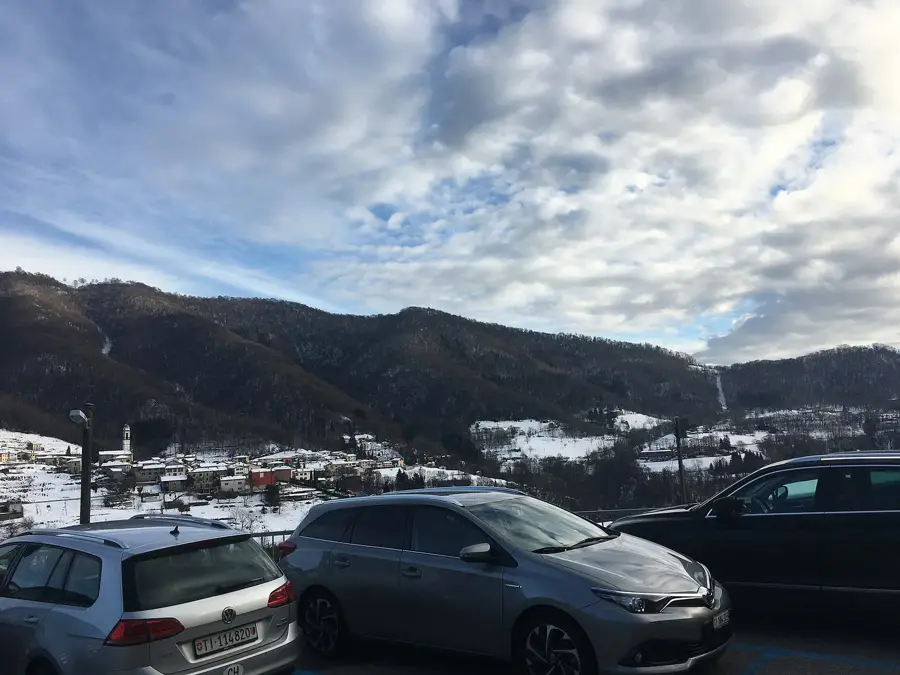
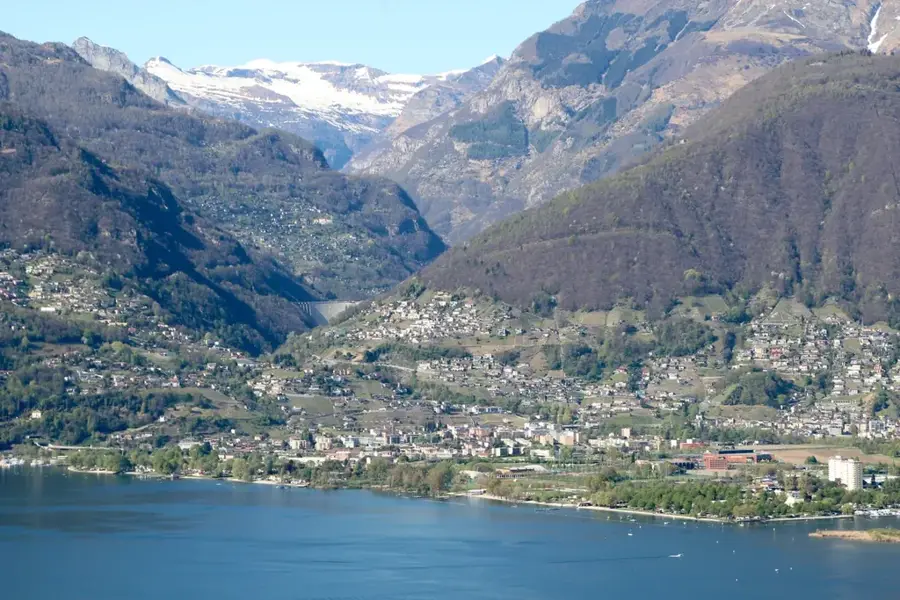
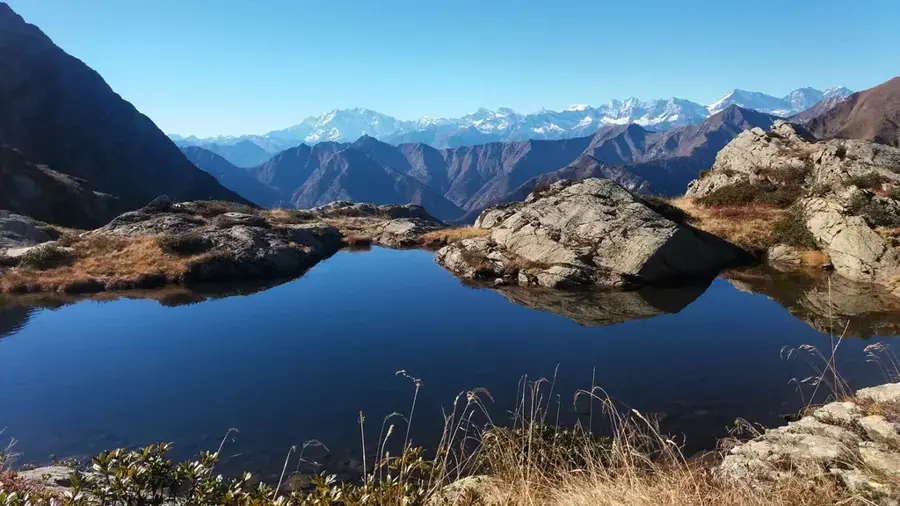
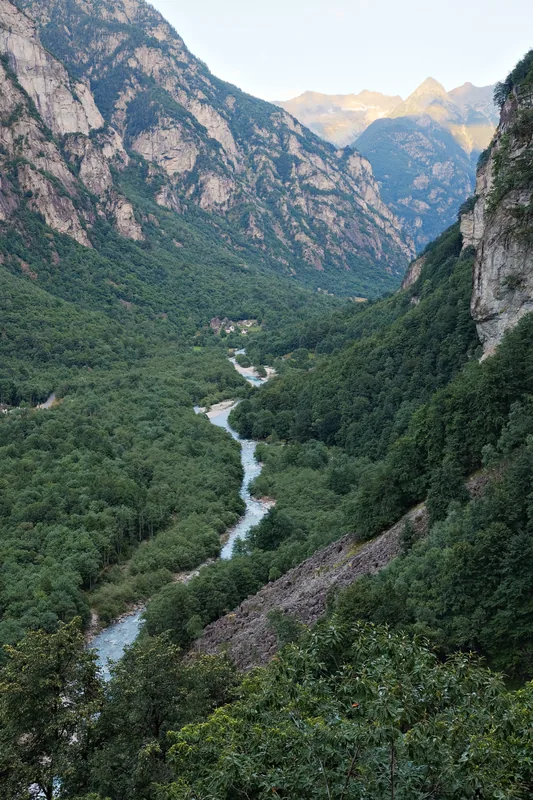
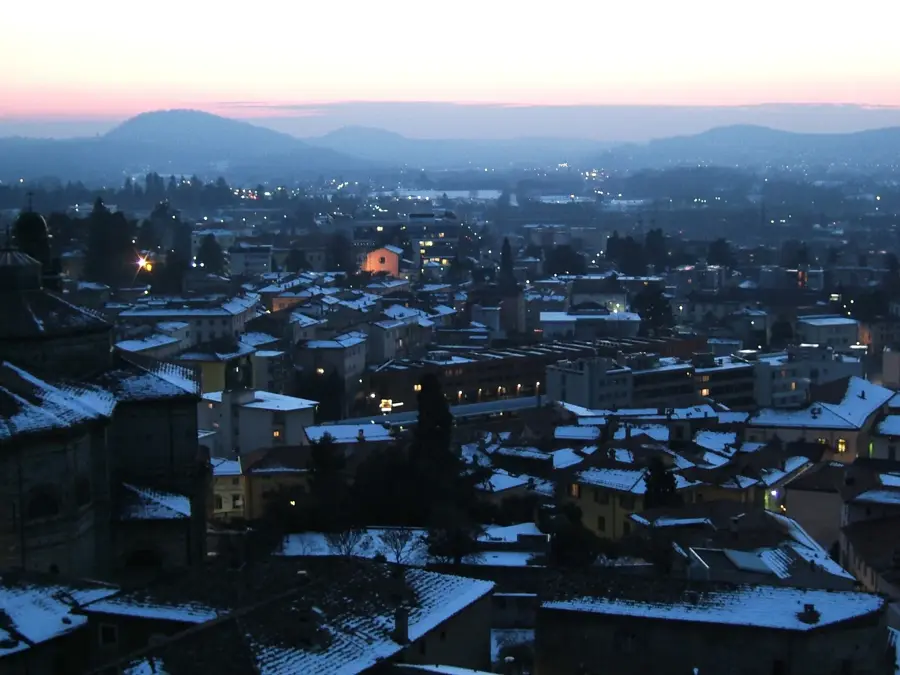
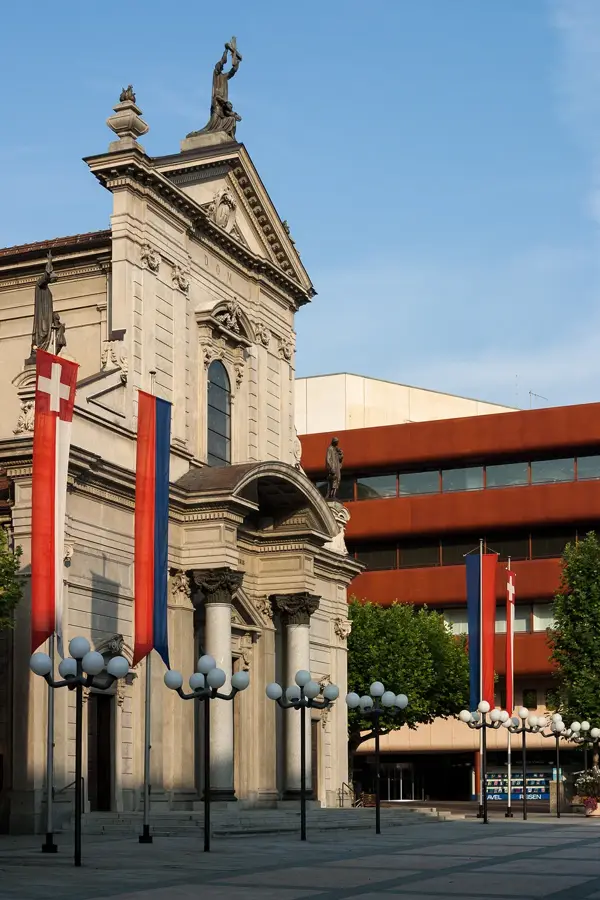
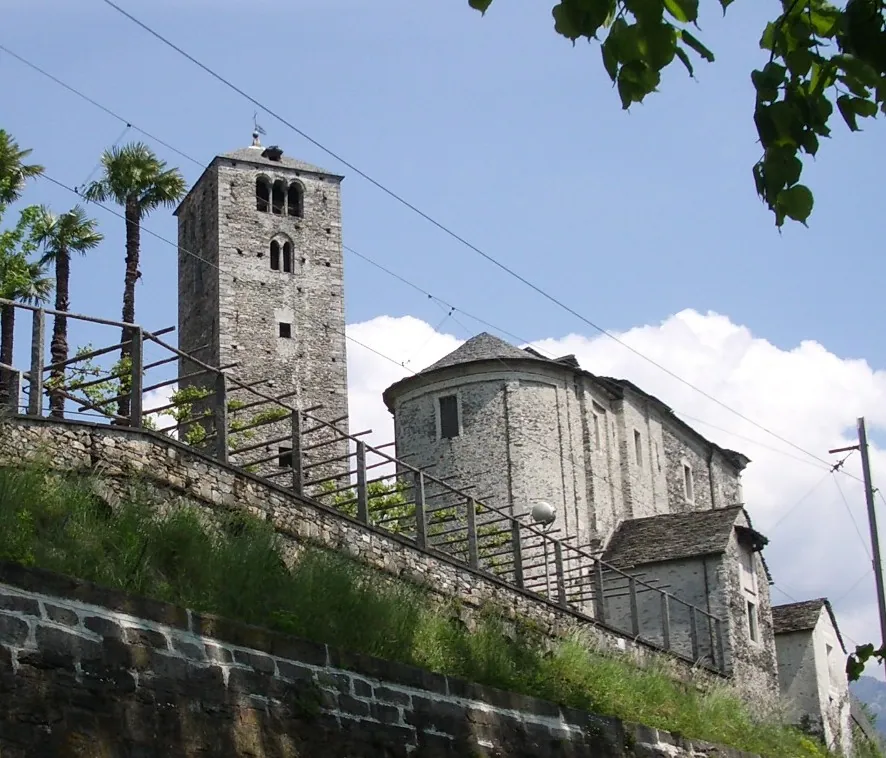
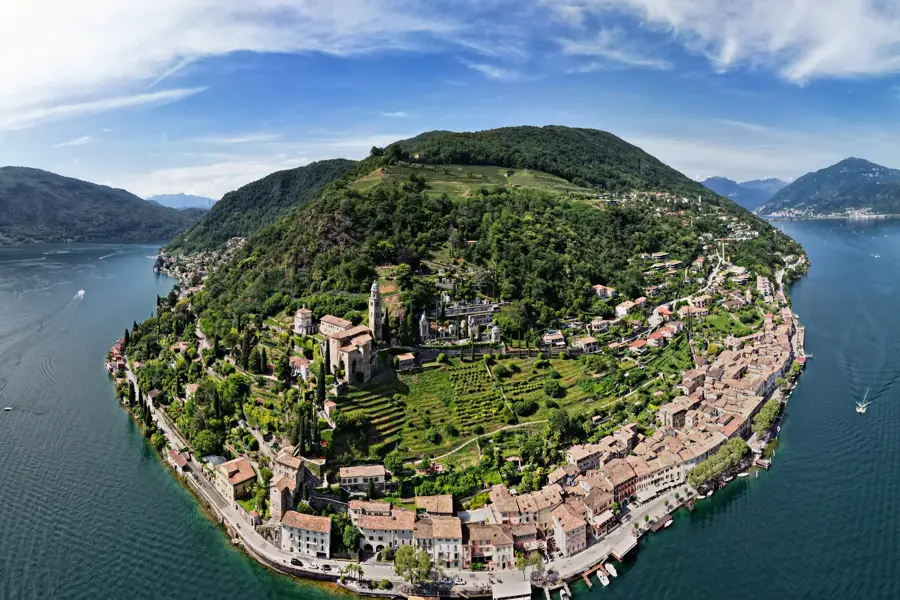
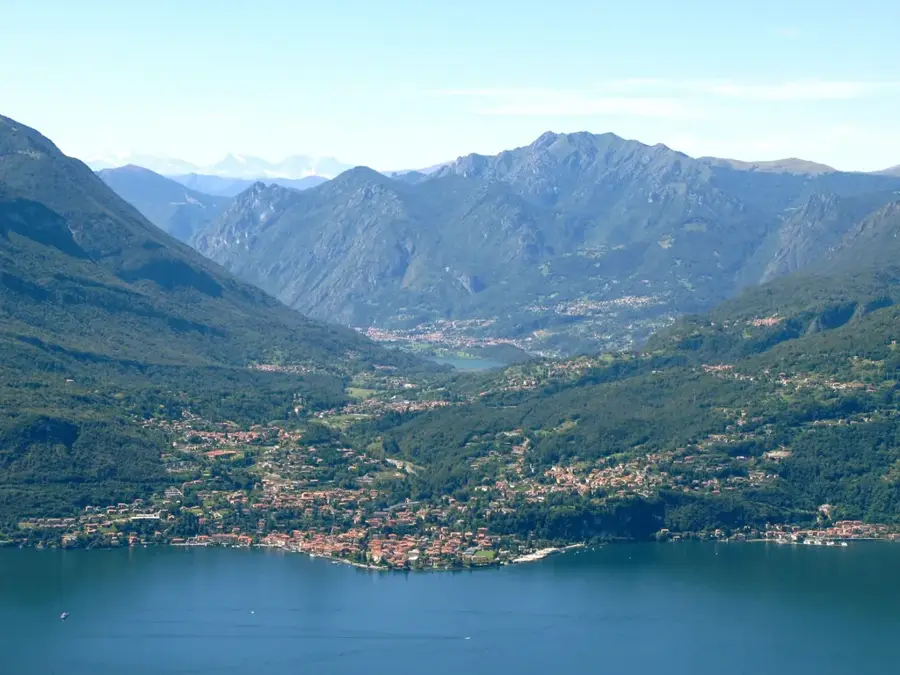
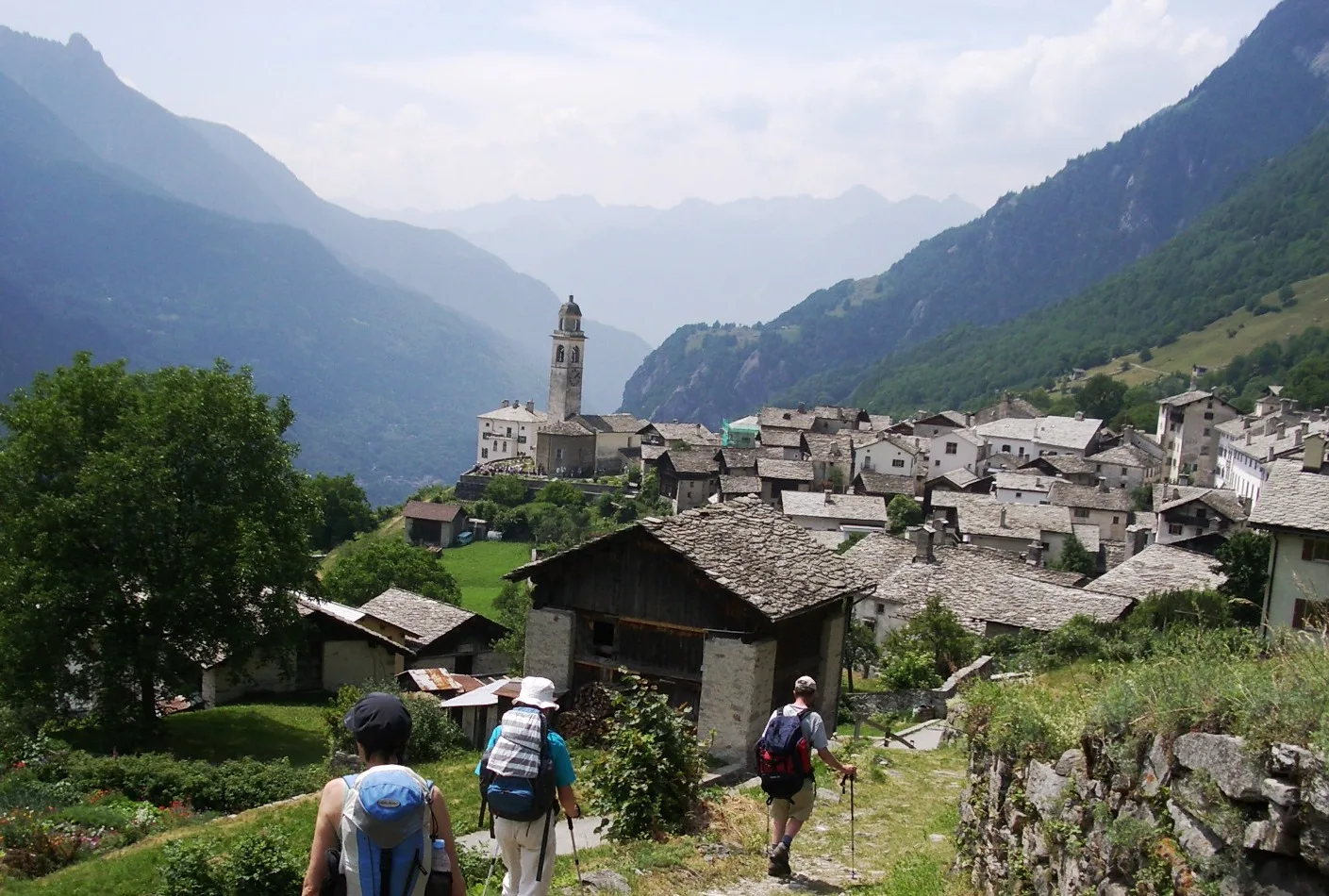
Capriasca is located in the Lugano district and was formed in its current form through the merger of several historical villages, with Tesserete serving as the administrative and economic center. The region is characterized by a gentle hilly landscape, dense chestnut forests, and a quiet, nature-oriented atmosphere. A significant religious and cultural landmark is the Santa Maria Bigorio Convent, the first Capuchin convent in Switzerland, founded in 1535 and picturesquely perched on a hill. The architecture in the various districts such as Vaglio or Lugaggia is typical of Ticino, featuring stone houses and narrow alleys that are often centuries old. The parish church of San Stefano in Tesserete impresses with its tall bell tower and rich interior decoration. Economically, the municipality is now primarily a residential area for commuters to Lugano as well as a destination for gentle tourism. Hikers and mountain bikers find an extensive network of trails here leading through the untouched nature of the Pieve di Capriasca. The region is also known for its traditional culinary specialties, often served in local grotti. Despite modern development, Capriasca has preserved its cultural identity and close connection to the Alpine landscape, making it a sanctuary for those seeking relaxation.
- Location: Switzerland
- Top sights: Museo del Bigorio · Casa museo Luigi Rossi · Ruderi del Castello
- Nearby: Bellinzona (13 km)
- Population: ~7.032
Best time to visit & climate
The most pleasant time to visit is Jun–Aug.
| Jan | Feb | Mar | Apr | May | Jun | Jul | Aug | Sep | Oct | Nov | Dec | |
|---|---|---|---|---|---|---|---|---|---|---|---|---|
| Avg °C | -1 | 1 | 5 | 9 | 14 | 18 | 20 | 20 | 15 | 11 | 5 | 0 |
| Rain mm | 51 | 59 | 70 | 102 | 139 | 120 | 107 | 129 | 99 | 112 | 147 | 73 |
Geography
Facts
- Major municipal merger in 2001
- Bigorio Convent founded in 1535
- Center of Tesserete at 532 meters altitude
- Home of the poet Alfonsina Storni
- Typical Ticino grotti in the region
- Part of the historical Pieve di Capriasca
Explore nearby
Notable places around
Route planner — Car & Motorhome
Where do you start? We build the route here, with stops and country notes along the way.
© OpenStreetMap contributors · OpenRouteService
Sights in the town Capriasca (11)
Frequently asked questions
Where exactly is Capriasca located?
Which church should you visit in Capriasca?
Are there famous monasteries in the region?
Is Capriasca suitable for mountain biking?
How is the local gastronomy in Capriasca?
Capriasca: where is it located?
Capriasca: what is there to see?
Capriasca: when is the best time to visit?
Capriasca: why is it worth visiting?

Nearby cities
History & landmarks
Nature
More places