Plizio Visual Lab

Val Grande National Park
Plizio editorial teamData Sources
park
—°5
Val Grande National Park (Italy)

Weather…

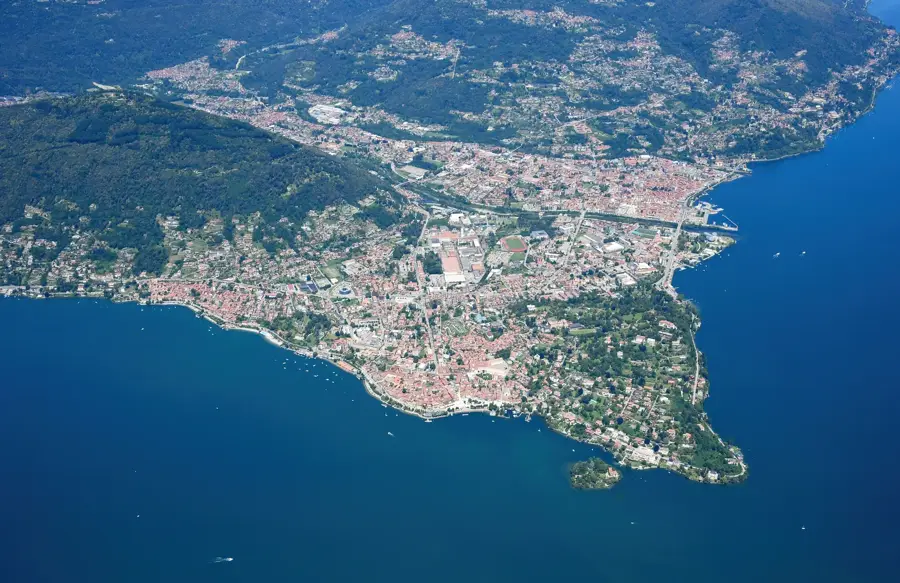
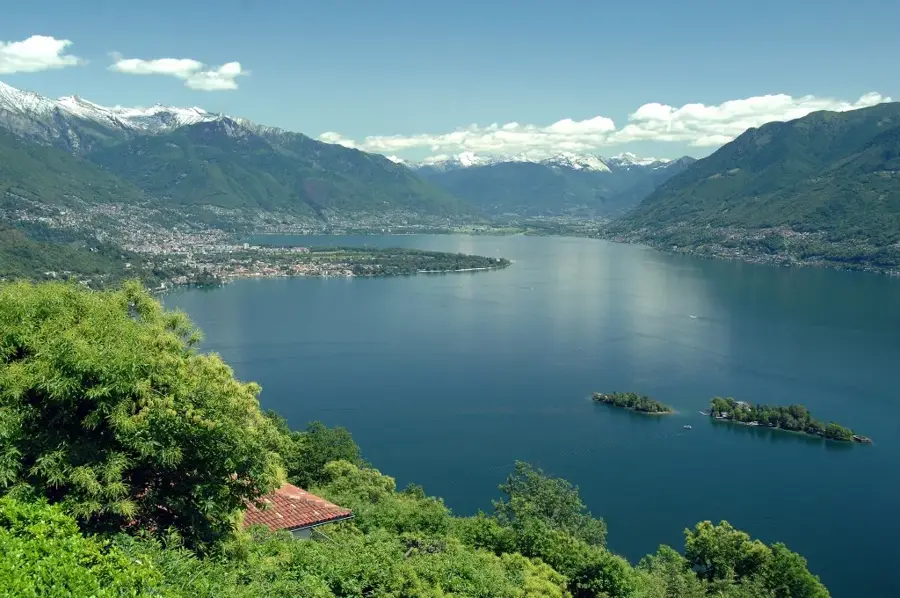
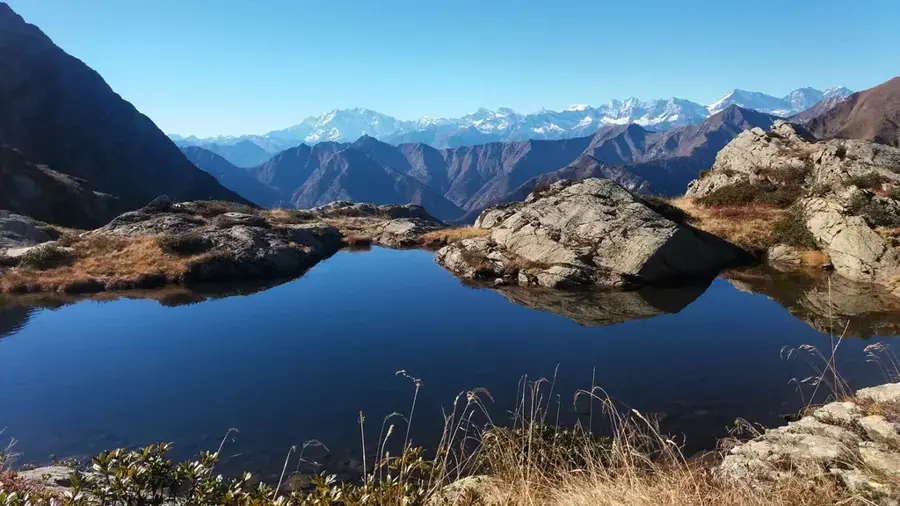
Val Grande National Park, located in the Verbano-Cusio-Ossola province, is widely considered the largest wilderness area in the Alps. Established in 1992, the park covers a rugged mountain territory between Lake Maggiore and the Ossola Valley. The region has a unique history: once heavily used for pastoralism and timber production, it was largely abandoned after World War II. In the following decades, nature reclaimed the land, creating a pristine ecosystem where human intervention is minimal. The landscape is characterized by deep canyons, steep peaks, and dense forests of beech and chestnut trees, providing a sanctuary for chamois, deer, and golden eagles. Hiking in the park is challenging due to the lack of modern infrastructure and the steep, demanding nature of the trails. However, those who venture here are rewarded with spectacular views of the surrounding Alpine giants and a profound sense of isolation. Val Grande stands as a symbol of nature's resilience and a haven for those seeking silence and adventure.

Best time to visit & climate

The most pleasant time to visit is Jun–Aug.

JanFebMarAprMayJunJulAugSepOctNovDec
Avg °C-115914182020151150
Rain mm5159701021391201071299911214773

📋 Practical info

🧭
Getting there
Access to this wilderness area is mostly from the south via Verbania on Lake Maggiore or from the north via the Vigezzo Valley. Since there are no drivable roads inside the park, you must leave your car at the border villages and venture deep into the wilderness on foot.
📅
Best season
The best time for expeditions is from June to September, when high passes are snow-free and days are long enough for the extensive distances. In spring and autumn, it can be very damp and slippery in the deep gorges, while winter renders the area almost inaccessible.
⛰️
Terrain & paths
The terrain is extremely rugged, steep, and characterized by dense forest and abandoned alpine pastures, emphasizing its true wilderness character. Paths are often narrow, not always perfectly marked, and require a high degree of navigational skill and physical fitness.
🎒
What to bring
Complete self-sufficiency gear, including a tent or bivouac sack, stove, and sufficient food, is essential for multi-day tours. Since there are very few staffed huts, everything needed must be carried on your back; good, broken-in hiking boots are a mandatory requirement.
🅿️
Parking
Small parking lots are available in border villages like Cicogna or Malesco, which are often reachable only via very narrow and winding roads. It is recommended to park your vehicle securely, as visitors often disappear into the park's interior for several days at a time.
⚠️
Safety
In Val Grande, there is almost no mobile phone reception and very few emergency shelters, making every tour a demanding undertaking. You should never hike alone and should inform someone of your planned route beforehand, as rescue in this terrain can be extremely difficult.
⏱️
Time needed
Short hikes on the edge of the park take about 4-5 hours, but the true experience only begins with tours of 3 days or more. Those wishing to cross the park should count on at least a week to truly absorb the solitude and the untouched nature of the area.

Geography

Coordinates
46.03300, 8.50000

Facts

  • The park covers an area of approximately 15,000 hectares.
  • The highest peak is Monte Togano, standing at 2,301 meters above sea level.
  • The national park was officially established on March 2, 1992.
  • Cicogna is the main village and is often called the 'capital' of the wilderness area.
  • Numerous prehistoric cup-and-ring stone carvings can be found throughout the park.
  • The valley was a key location for partisan resistance during World War II.

Explore nearby

Notable places around
Route planner — Car & Motorhome

Where do you start? We build the route here, with stops and country notes along the way.

Vehicle
Only stops with (optional):

© OpenStreetMap contributors · OpenRouteService

Sights in the town Val Grande National Park (5)

Val Grande National Park🌿 nature

A wilderness national park in the Italian Alps near the Swiss border.

Masso Coppellato🏺 historical

An archaeological site featuring historical rock carvings in the Val Grande National Park.

Cima della Laurasca📍 landmark

A prominent mountain peak in the Lepontine Alps within the Val Grande National Park.

Pizzo Marona📍 landmark

A peak in the Val Grande National Park known for its wide views.

Cima Sasso📍 landmark

A significant mountain peak within the Val Grande National Park.

Sights nearby

Frequently asked questions

Why is Val Grande considered the largest wilderness in Italy?
Because it is a completely uninhabited valley without roads or permanent settlements.
Is hiking there suitable for beginners?
No, many trails are demanding and require good navigation skills and alpine experience.
Are there staffed mountain huts in the park?
There are very few staffed huts; most accommodations are simple, unstaffed bivouacs.
Is there mobile phone reception in the park?
In large parts of the valley, there is no mobile reception. Prepare accordingly.
Where is the best place to start a tour?
Popular starting points are Cicogna (the 'heart' of the park) or Premosello-Chiovenda.
Val Grande National Park: where is it located?
Val Grande National Park is located in Italy.
Val Grande National Park: what is there to see?
Highlights include Val Grande National Park, Masso Coppellato, Cima della Laurasca.
Val Grande National Park: when is the best time to visit?
The most pleasant time to visit is Jun, Aug.
Val Grande National Park: why is it worth visiting?

Val Grande National Park, located in the Verbano-Cusio-Ossola province, is widely considered the largest wilderness area in the Alps.
View on map → The Top 50 Attractions → Most beautiful beaches → OpenStreetMap →
Europe
Explore with Plizio Discover more places in Europe
More places in Italy →

Nearby cities

More places