Plizio Visual Lab
Val Bavona
Weather…
Water temperature…
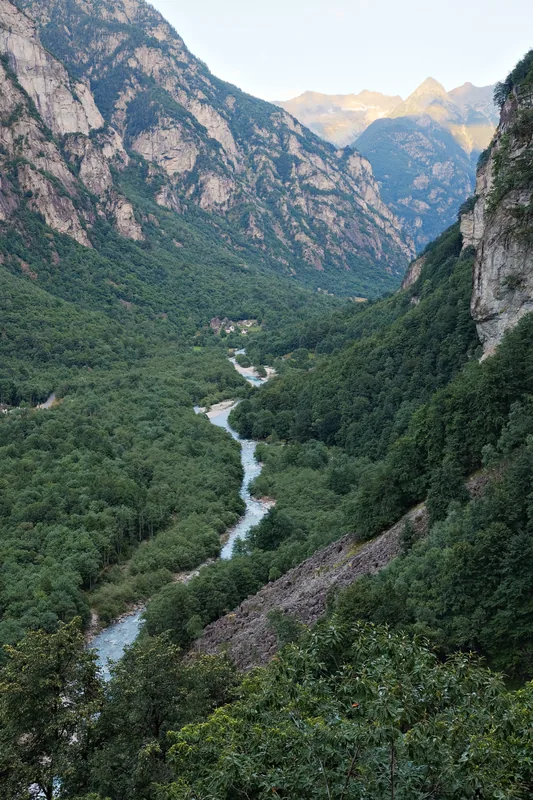
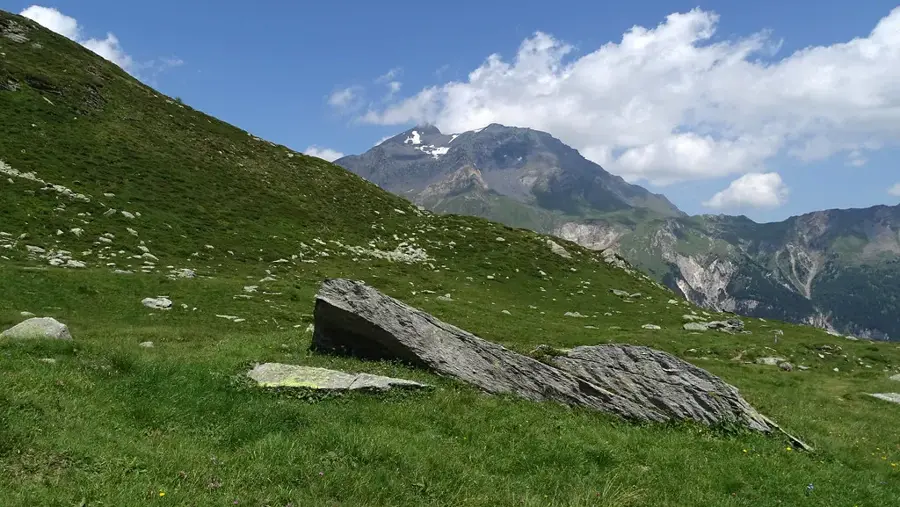
Val Bavona is a steep side valley of the Maggia Valley in the Canton of Ticino, renowned for its wild romantic landscape and archaic way of life. It is considered one of the steepest and deepest valleys in the Alps, shaped by massive prehistoric landslides and glacial movements. A unique feature of the valley is the lack of electricity in almost all of its eleven settlements, with the exception of San Carlo. Residents traditionally use gas, solar energy, and small generators to preserve the historical fabric of the 'rustici' (stone houses). The Foroglio waterfall, which plunges 110 meters over a cliff wall, is the most striking natural feature of the valley. Culturally, the valley is a living museum of transhumance, as it is almost completely deserted in winter. Poor soil conditions forced inhabitants to create small gardens under giant rock boulders, known as 'hanging gardens'.
- Location: Switzerland
- Top sights: Madone · Pizzo della Rossa · Madonino
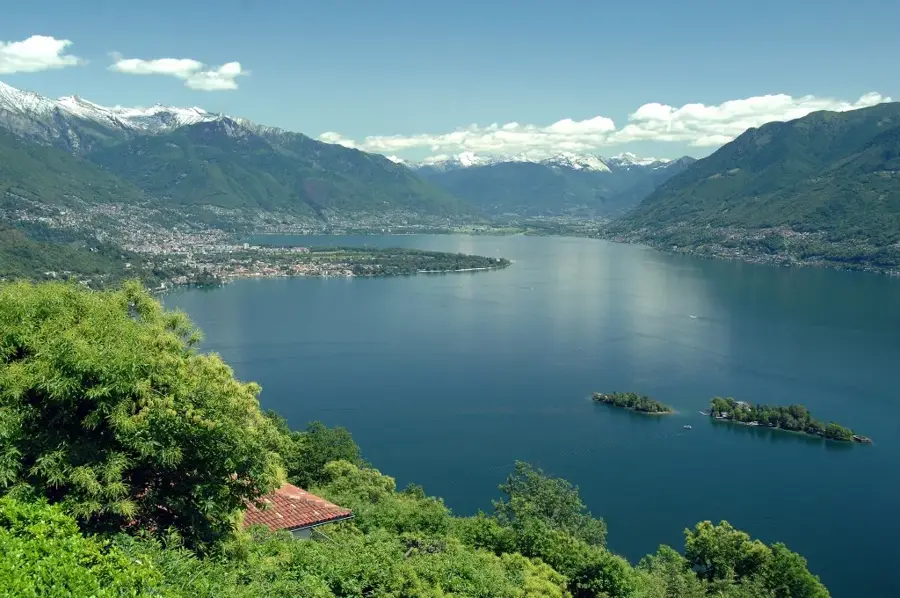
- Nearby: Brissago Islands (29 km)
Best time to visit & climate
The most pleasant time to visit is Jun–Aug.
| Jan | Feb | Mar | Apr | May | Jun | Jul | Aug | Sep | Oct | Nov | Dec | |
|---|---|---|---|---|---|---|---|---|---|---|---|---|
| Avg °C | -8 | -8 | -4 | 1 | 6 | 11 | 12 | 12 | 8 | 4 | -2 | -7 |
| Rain mm | 74 | 66 | 87 | 111 | 162 | 163 | 156 | 181 | 120 | 122 | 133 | 89 |
📋 Practical info
Geography
Facts
- Eleven settlements ('Terre') are in the valley, only one has electricity.
- The Foroglio waterfall has a drop height of 110 meters.
- The valley was significantly altered by landslides in the 16th century.
- Nearly 70% of the valley area consists of unproductive rock and debris.
- Residents traditionally practiced seasonal mountain migration (transhumance).
- San Carlo is the uppermost settlement and starting point for the Robiei cable car.
Explore nearby
Notable places around

Route planner — Car & Motorhome
Where do you start? We build the route here, with stops and country notes along the way.
© OpenStreetMap contributors · OpenRouteService
Sights in the town Val Bavona (3)
Sights nearby
Frequently asked questions
What is special about Val Bavona?
Where is the Foroglio waterfall located?
How did people live in the valley in the past?
Is the valley inhabited year-round?
Can you drive through the valley by car?
Val Bavona: where is it located?
Val Bavona: what is there to see?
Val Bavona: when is the best time to visit?
Val Bavona: why is it worth visiting?

Nearby cities