Plizio Visual Lab

DMZ Eco-Peace Park
Plizio editorial teamData Sources
wildlife-area
—°6
DMZ Eco-Peace Park (South Korea)

Weather…

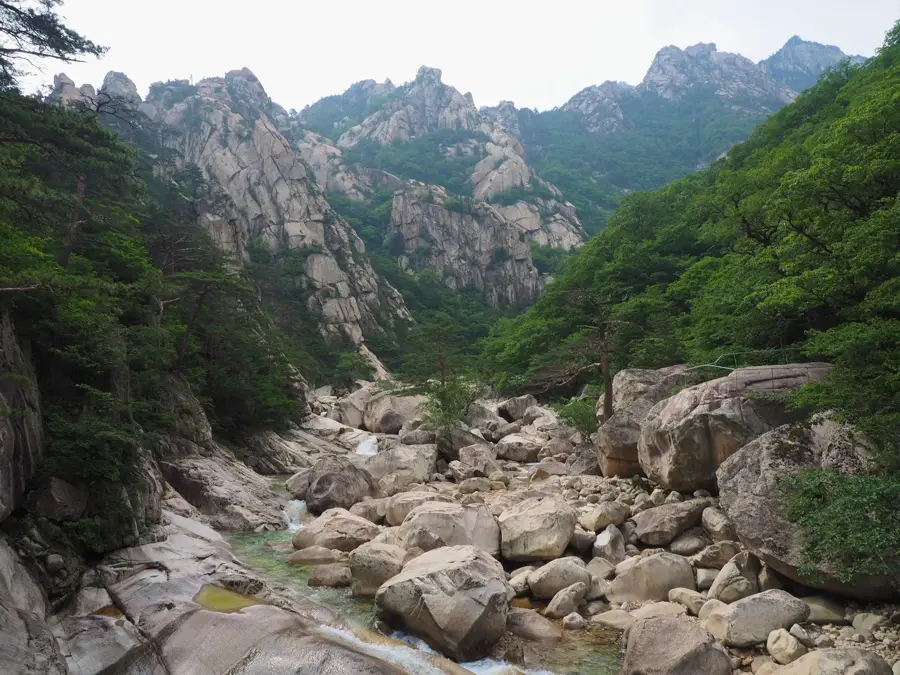
The DMZ Eco-Peace Park in Cheorwon is situated adjacent to the Demilitarized Zone separating North and South Korea. Having been strictly off-limits to civilians for over 60 years, the area has evolved into a pristine ecosystem where rare flora and fauna thrive without human interference. The park was officially opened in 2016 to educate visitors on the values of peace and environmental sustainability. It contains significant historical remnants of the Korean War, including the severed Gyeongwon Line railway bridge and abandoned military guard posts. During the winter months, the park serves as a critical habitat for endangered migratory birds such as the red-crowned crane and the white-naped crane. Hiking paths lead visitors through dense forests and along rivers that were once scenes of intense conflict, now standing as symbols of natural restoration and the hope for eventual peaceful reunification.

Best time to visit & climate

The most pleasant time to visit is May, Jun, Sep.

JanFebMarAprMayJunJulAugSepOctNovDec
Avg °C-7-4171419222217113-5
Rain mm243337697996324259150746528

📋 Practical info

📅
Best season
The most recommended seasons for exploring this unique eco-park are spring (April to May) and autumn (September to October). During these times, the mild temperatures and colorful foliage provide a beautiful and comfortable setting to spot the rare bird species that migrate through the area.
🌅
Best time of day
Wildlife is typically most active during the calm early morning hours when the mist rises from the wetlands, or in the late afternoon. Midday is generally quiet, so planning your walk around sunrise or sunset will significantly increase your chances of spotting deer and various waterfowl.
📜
Etiquette
Visitors must strictly remain on the designated boardwalks and guided trails at all times, not just to protect the fragile ecosystem but also due to severe security and landmine risks in adjacent off-limit areas. Never leave trash, stay with your guide, and keep noise to an absolute minimum.
🎒
What to bring
Comfortable walking shoes or lightweight hiking boots are convenient for the well-maintained paths and boardwalks. A high-quality pair of binoculars and a camera with a good zoom lens are essential, as you will often be observing the wildlife and bird populations from a considerable distance.
🧭
Getting there
Access to the eco-park usually requires advance reservations and joining a specialized guided tour, often departing from designated visitor centers near the border. Independent wandering is not permitted due to the strict military regulations and security protocols governing the nearby DMZ.
🦌
What to expect
Birdwatching and wildlife spotting here require a quiet and very patient approach. Take your time at the designated observation decks, use the provided scopes if available, and scan the wetlands methodically; the undisturbed nature means animals are present, but they may be well camouflaged.

Geography

Coordinates
38.29400, 128.05100

Facts

  • Opened to the public in 2016 after decades of closure.
  • The area was a restricted military zone since 1953.
  • A key wintering site for endangered red-crowned cranes.
  • Features remnants of the original Gyeongwon Railway Line.
  • Includes the historic 'Broken Bridge' from the Korean War.
  • Provides strategic viewpoints overlooking North Korean soil.

Explore nearby

Notable places around
Route planner — Car & Motorhome

Where do you start? We build the route here, with stops and country notes along the way.

Vehicle
Only stops with (optional):

© OpenStreetMap contributors · OpenRouteService

Sights in the town DMZ Eco-Peace Park (6)

Mount Kurye🌿 nature

This peak is situated near the demilitarized zone, offering views into the border region between North and South.

Yanggu War Memorial Hall🏛 museum

This museum displays military equipment and documents the fierce fighting in the Punchbowl basin during the Korean War.

Observation Point📍 landmark

An observation point in the DMZ Eco-Peace Park, from which one can see the fortified border and North Korean territory.

Mount Chunyang🌿 nature

A mountain located near the South Korean border, now serving as part of a nature reserve in the former combat zone.

The 4th Tunnel📍 landmark

A North Korean infiltration tunnel discovered deep beneath the border, which can be visited today.

Jeong Church Yangguseongandeurea Catholic Church📍 landmark

A Catholic church in Yanggu, serving as a spiritual center for the local community in the border region.

Sights nearby

Frequently asked questions

Can I visit the DMZ Eco Peace Park alone?
No, visits must be registered in advance and usually take place as part of a guided tour with military escort.
What is the dress code in the park?
There are no strict rules like at Panmunjom, but respectful clothing appropriate for the terrain is expected.
Are there wild animals to be seen?
Yes, due to decades of isolation, a unique fauna with rare birds and deer has developed there.
Is photography allowed in the park?
Photography is allowed only in designated areas; military facilities and border fortifications must not be photographed.
How long does a tour of the park take?
A typical tour lasts about 3 to 4 hours, including safety briefings and the hike itself.
DMZ Eco-Peace Park: where is it located?
DMZ Eco-Peace Park is located in South Korea.
DMZ Eco-Peace Park: what is there to see?
Highlights include Mount Kurye, Yanggu War Memorial Hall, Observation Point.
DMZ Eco-Peace Park: when is the best time to visit?
The most pleasant time to visit is May, Jun, Sep.
DMZ Eco-Peace Park: why is it worth visiting?

The DMZ Eco-Peace Park in Cheorwon is situated adjacent to the Demilitarized Zone separating North and South Korea.
View on map → The Top 50 Attractions → OpenStreetMap →
Asia
Explore with Plizio Discover more places in Asia
More places in South Korea →

Nearby cities

History & landmarks
Nature
More places