Plizio Visual Lab

Seoraksan National Park
Plizio editorial teamData Sources
park
—°7
Seoraksan National Park (South Korea)

Weather…

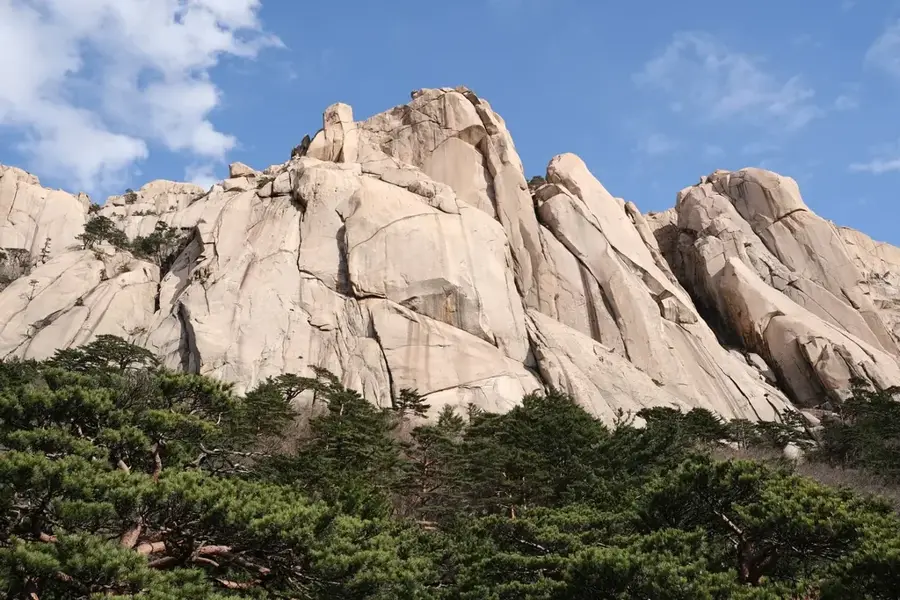
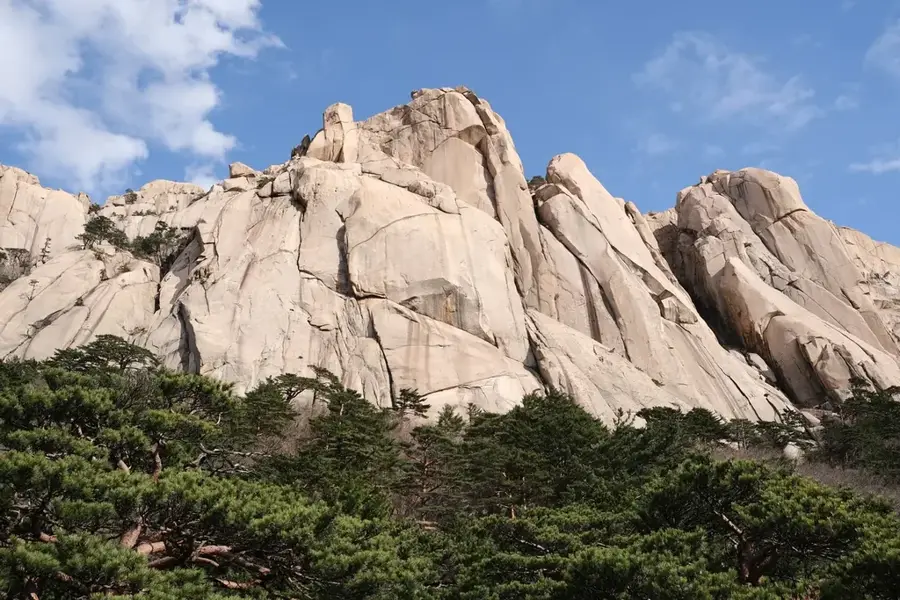
Seoraksan National Park in Gangwon-do Province is one of South Korea's most iconic natural areas, designated as a UNESCO Biosphere Reserve in 1982. The park is home to Daecheongbong, the country's third-highest peak at 1,708 meters. The landscape is renowned for its striking granite formations, deep gorges, and numerous waterfalls, attracting hikers particularly in autumn when the deciduous forests display lively foliage. The flora comprises over 1,000 plant species, including rare types such as the Seoraksan Edelweiss. The fauna is equally diverse, with over 1,500 animal species, including the rare Asiatic black bear. Culturally, the Sinheungsa Temple is significant, housing a massive bronze Buddha statue and serving as a center for Korean Buddhism. A cable car to the Gwongeumseong peak features expansive views of the mountain range and the Sea of Japan. The park management prioritizes ecological integrity to sustain the region's rich biodiversity for future generations.

Best time to visit & climate

The most pleasant time to visit is May, Jun, Oct.

JanFebMarAprMayJunJulAugSepOctNovDec
Avg °C-1151016202324201581
Rain mm3144498480119345284196917033

📋 Practical info

🧭
Getting there
The park's main entrance is generally reached smoothly via the coastal city of Sokcho, which serves as an excellent, primary base for local transport options and accommodation.
📅
Best season
Autumn is exceptionally famous nationwide for its spectacularly spirited, glowing foliage, while spring dependably provides blooming wildflowers and very comfortable, clear hiking conditions.
⛰️
Terrain & paths
The dramatic landscape is defined by prominent, jagged rocky peaks, extremely steep ascents, deep plunging valleys, and well-maintained but physically very strenuous hiking trails.
🎒
What to bring
Robust, ankle-supporting hiking boots, layered windproof outdoor clothing, and very ample water are absolutely essential for tackling the dangerously steep, alpine-like mountain trails safely.
🅿️
Parking
Large, paid parking facilities are situated right near the main entrances, but they typically fill up very rapidly and completely during the extremely popular autumn foliage season.
⚠️
Safety
Always be fully prepared for completely sudden weather changes, stay strictly on officially marked trails due to fatal, steep drop-offs, and pace your physical exertion wisely on climbs.
⏱️
Time needed
Most visitors thoughtfully spend a full, exhausting day hiking, although significantly shorter half-day walks or longer, multi-day guided treks are also quite common depending on the route.

Geography

Coordinates
38.11900, 128.46800

Facts

  • Designated as a UNESCO Biosphere Reserve in 1982.
  • Daecheongbong is the highest point in the park at 1,708 meters.
  • Home to the 7th-century Sinheungsa Temple.
  • The bronze 'Jwabul' Buddha statue is 14.6 meters tall.
  • Over 1,000 plant species are documented within the park.
  • The cable car to Gwongeumseong has been in operation since 1971.

Explore nearby

Notable places around
Route planner — Car & Motorhome

Where do you start? We build the route here, with stops and country notes along the way.

Vehicle
Only stops with (optional):

© OpenStreetMap contributors · OpenRouteService

Sights in the town Seoraksan National Park (7)

Kkeutcheong Peak View🌿 nature

From the Kkeutcheong peak in Seoraksan National Park, hikers enjoy a dramatic view of the mountain's jagged granite ridges.

Sajabawi📍 landmark

Sajabawi, or 'Lion Rock', is a distinctive granite formation that guards the valleys of Seoraksan like a reclining lion.

Pokpo Viewpoint📍 landmark

This viewpoint gives a well-suited vantage of one of the thundering mountain waterfalls plunging into the deep gorges of Seoraksan.

Gwaneum Waterfall📍 landmark

The Gwaneum Waterfall is a multi-tiered cascade named after the Buddhist Goddess of Mercy.

Oseam⛪ religious

This historic Buddhist hermitage is positioned deep in Inner Seorak and is famous for the legend of a child reaching enlightenment here.

Nahanbong🌿 nature

Nahanbong is a rugged peak in the Seoraksan range, known for its challenging hiking trails and wild alpine scenery.

Cheonhwadae🌿 nature

This viewpoint features a spectacular look at the jagged Gongnyong Ridge, also known as the Dinosaur Ridge.

Sights nearby

Frequently asked questions

What animals live in Seoraksan?
You can find rare gorals (mountain goats), squirrels, and various woodpecker species there.
When is the autumn foliage most beautiful?
Usually from mid to late October, when the forests turn red and gold.
Are there times when trails are closed?
Yes, during high fire risk periods in spring and autumn, some trails are closed.
Is there drinking water along the trails?
There are often springs at temples, but for longer hikes, you should bring your own water.
What is the weather like in the mountains?
The weather changes quickly; bring windproof and waterproof clothing even in summer.
Seoraksan National Park: where is it located?
Seoraksan National Park is located in South Korea.
Seoraksan National Park: what is there to see?
Highlights include Kkeutcheong Peak View, Sajabawi, Pokpo Viewpoint.
Seoraksan National Park: when is the best time to visit?
The most pleasant time to visit is May, Jun, Oct.
Seoraksan National Park: why is it worth visiting?

Seoraksan National Park in Gangwon-do Province is one of South Korea's most iconic natural areas, designated as a UNESCO Biosphere Reserve in 1982.
View on map → The Top 50 Attractions → OpenStreetMap →
Asia
Explore with Plizio Discover more places in Asia
More places in South Korea →

Nearby cities

History & landmarks

Nature
More places