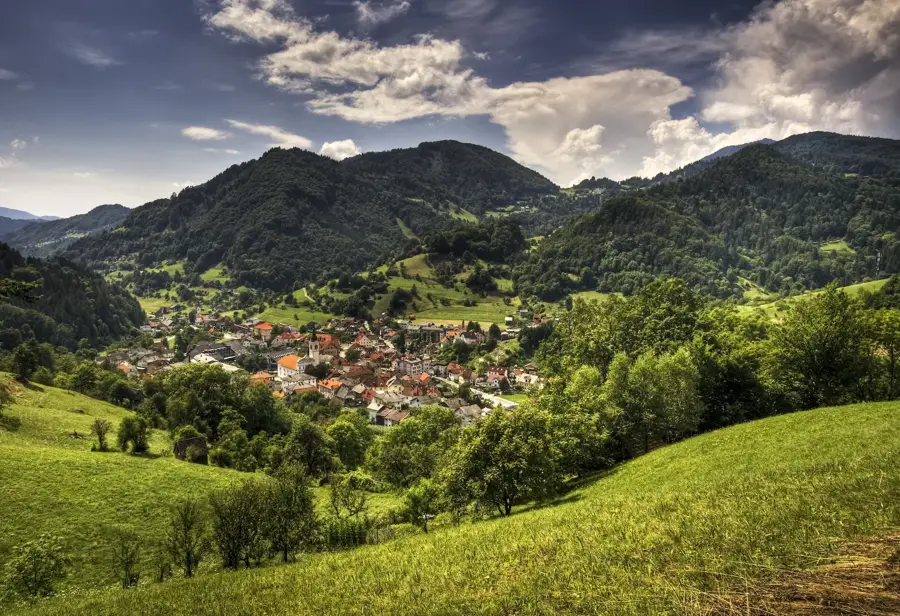
Plizio Visual Lab

Vršič Pass
Plizio editorial teamData Sources
Mountain
—°4
Vršič Pass (Slovenia)

Weather…

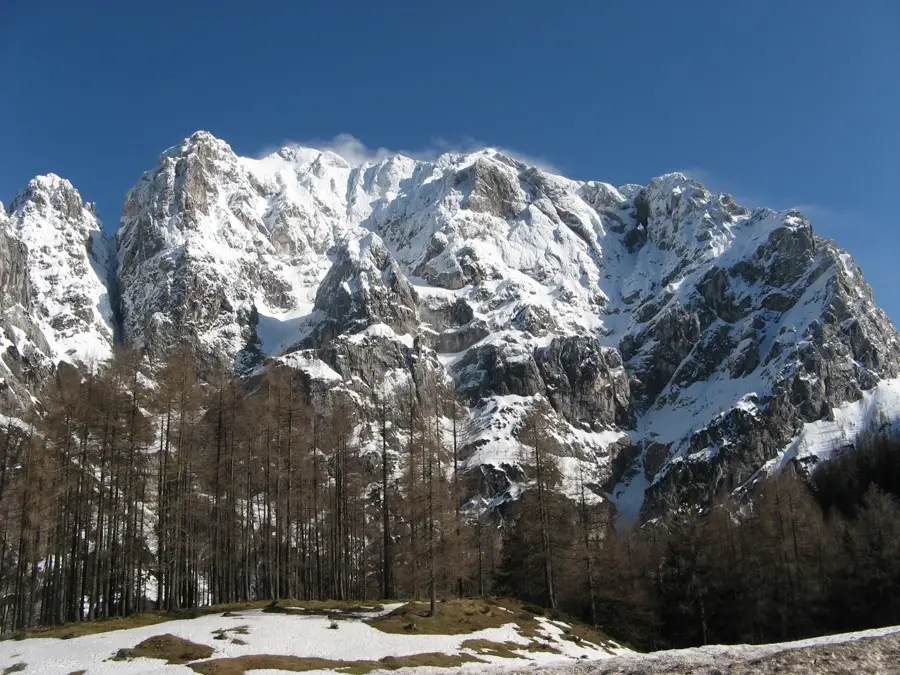
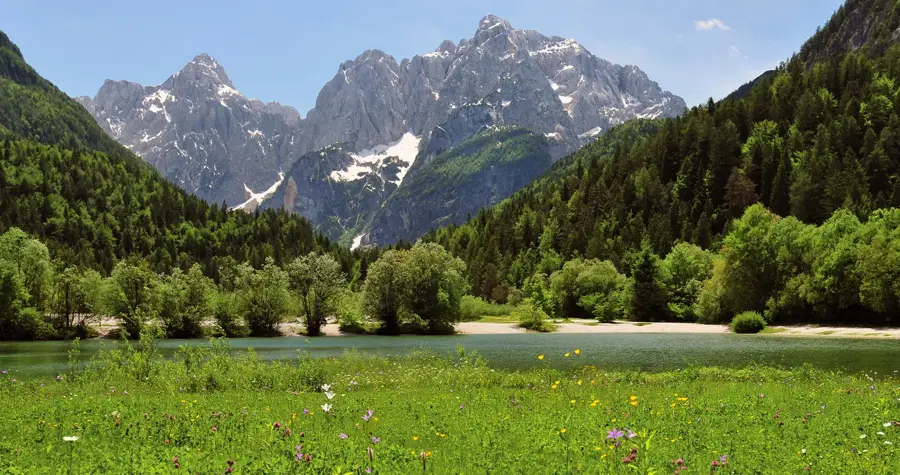
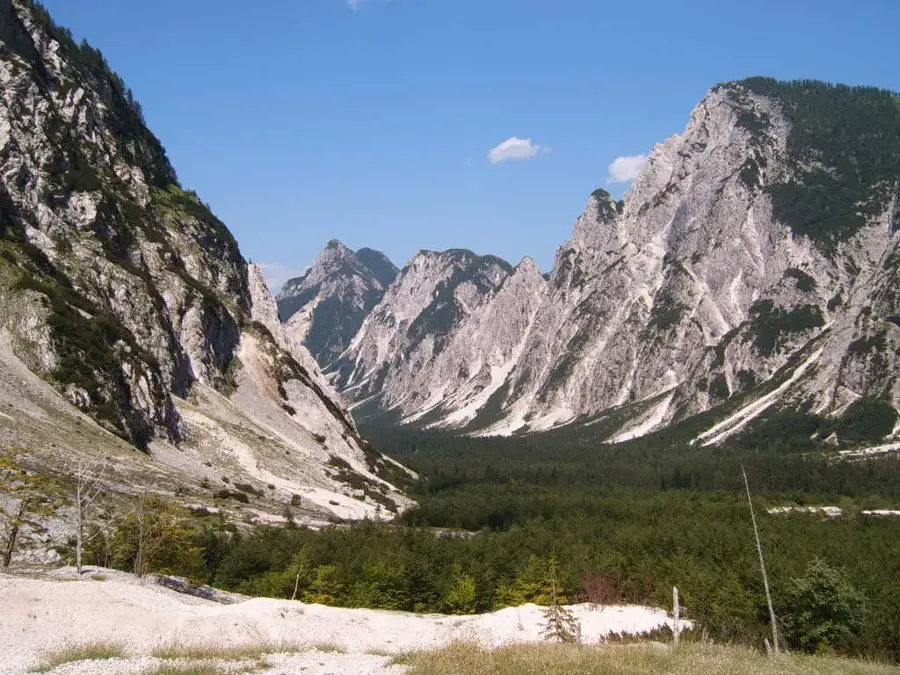
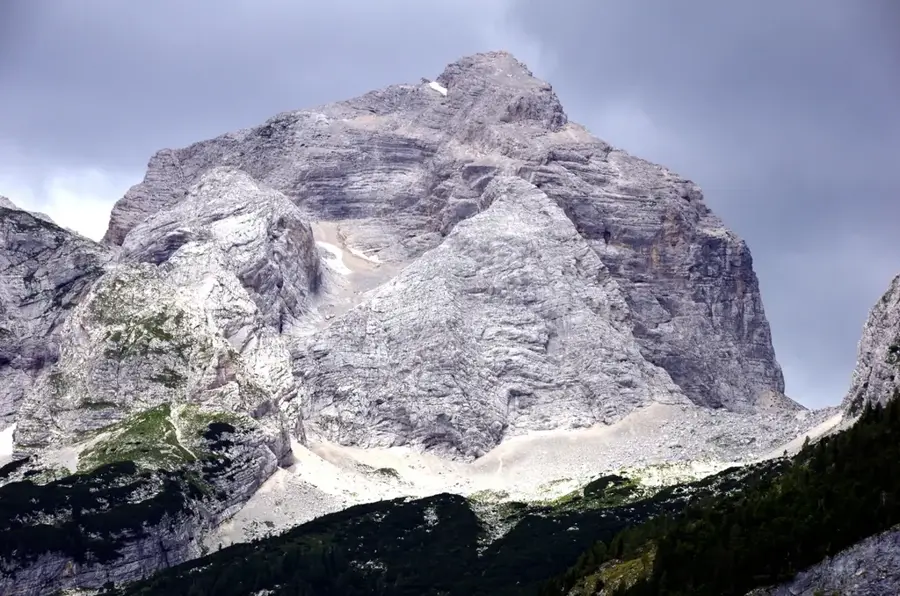
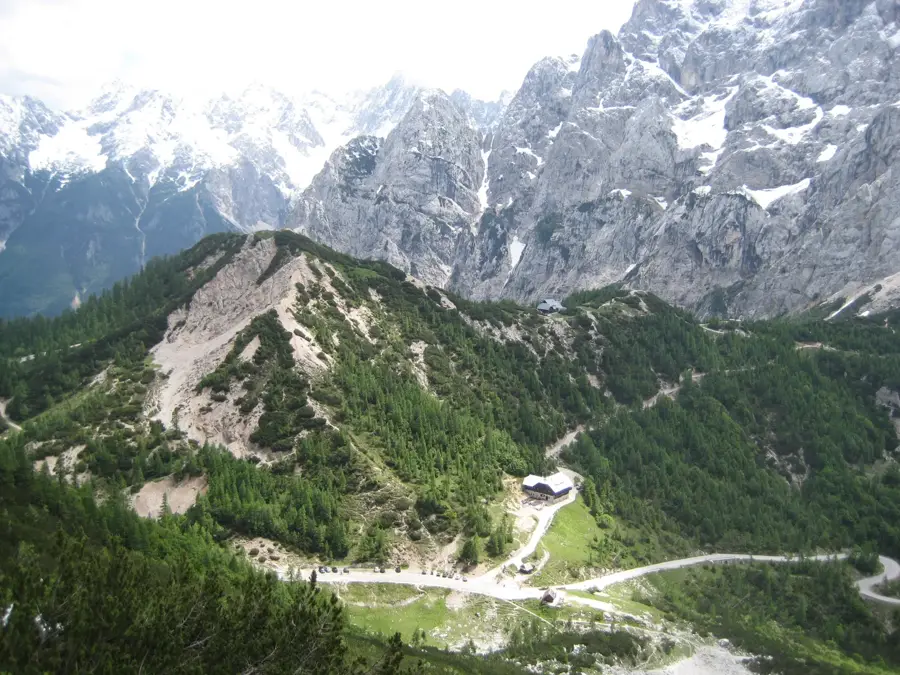
The Vršič Pass is the highest mountain pass in the Eastern Julian Alps, reaching an elevation of 1,611 meters and connecting the Upper Carniola region with the Trenta Valley. The road was constructed in 1915 by Russian prisoners of war for military purposes of the Austro-Hungarian Army during World War I. It is famous for its 50 numbered hairpin turns, with the 24 turns on the northern side still partially featuring their original cobblestone pavement. Along the pass, the Russian Chapel stands as a memorial to the over 300 prisoners who lost their lives in a massive 1916 avalanche during the road's construction. The pass provides dramatic views of the surrounding peaks, including Prisojnik, famous for the natural rock formation known as the Heathen Maiden (Ajdovska deklica). During winter months, the pass is frequently closed due to heavy snowfall and avalanche risk.

Best time to visit & climate

The most pleasant time to visit is Jun–Aug.

JanFebMarAprMayJunJulAugSepOctNovDec
Avg °C-4-326111517171283-2
Rain mm5866748311012012514013011811985

📋 Practical info

🧭
Getting there
Access to this high mountain pass is achieved by navigating the famous alpine road from either Upper Carniola or the Soča Valley. The route involves fifty legendary hairpin turns that require confident driving skills.
📅
Best season
Summer and early autumn provide the most reliable conditions for driving and hiking in the high mountains. Winter weather frequently leads to road closures due to heavy snow and significant avalanche risks.
⛰️
Terrain & paths
The immediate surroundings feature steep, rocky alpine trails descending from the high pass elevation. Hiking routes starting here are rugged, uneven, and lead directly into demanding mountainous environments.
🎒
What to bring
Proper sturdy hiking boots with excellent grip are absolutely essential for any trail exploration. Unpredictable mountain weather dictates carrying warm layers, a windproof jacket, and sufficient water at all times.
🅿️
Parking
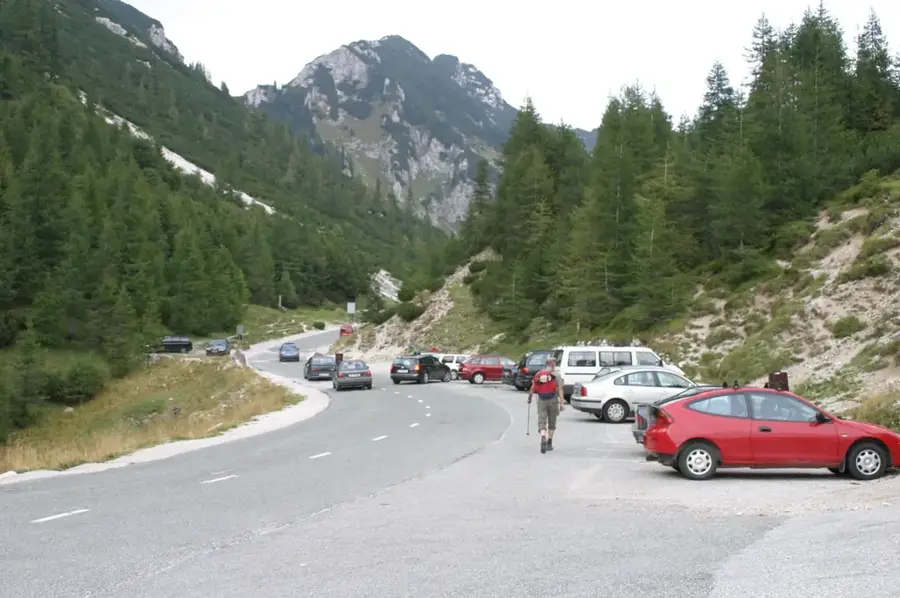
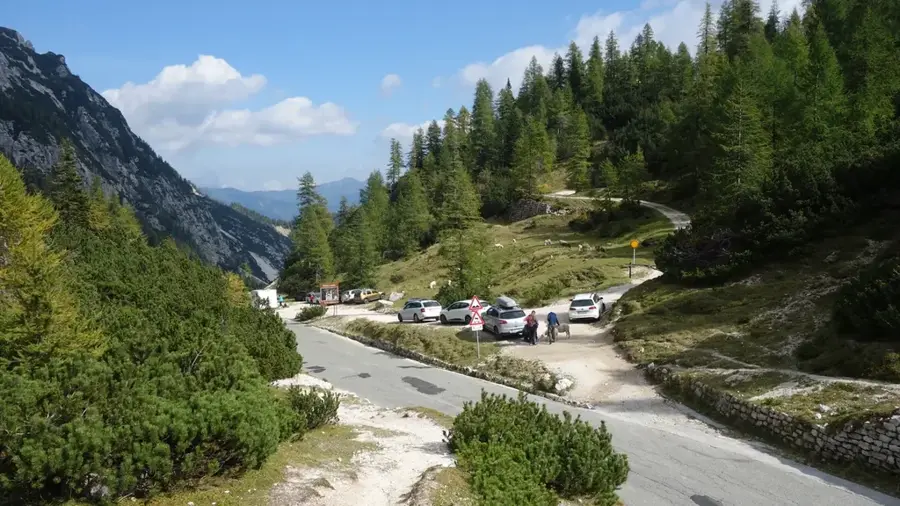
Modest parking areas are typically available near the summit of the pass alongside the roadside. These spots become highly congested during peak summer weekends, requiring early arrivals to secure a space.
⚠️
Safety
Motorists must exercise extreme caution on the narrow road and its fifty sharp hairpin bends. Hikers need to be constantly aware of rapid weather changes and the potential for loose, falling rocks.
⏱️
Time needed
Driving the pass itself usually takes a couple of hours if pausing frequently to appreciate the spectacular scenery. Planning for a half day allows enough time to complete shorter alpine hikes starting from the summit.

Geography

Coordinates
46.43530, 13.74360

Facts

  • The highest point of the pass is at 1,611 meters.
  • The road features exactly 50 numbered hairpin turns.
  • The current road was built by Russian POWs in 1915.
  • The Russian Chapel honors those killed by an avalanche in 1916.
  • The pass connects the town of Kranjska Gora with Trenta.
  • The name Vršič translates to Little Peak in English.

Explore nearby

Notable places around
Route planner — Car & Motorhome

Where do you start? We build the route here, with stops and country notes along the way.

Vehicle
Only stops with (optional):

© OpenStreetMap contributors · OpenRouteService

Sights in the town Vršič Pass (4)

Vršič📍 landmark

A mountain peak in the Julian Alps overlooking the famous mountain pass of the same name.

Slemenova špica🌿 nature

A popular viewpoint in the Julian Alps with panoramic views of the surrounding mountains.

Travnik📍 landmark

A peak in the Julian Alps that is part of an imposing mountain massif.

Korita Mlinarice🌿 nature

A scenic gorge by the Vršič Pass, known for its wild water cascades.

Sights nearby

Frequently asked questions

How many hairpin turns does the Vršič Pass have?
There are exactly 50 numbered turns: 24 on the Kranjska Gora side and 26 on the Trenta side.
Is the pass open in winter?
It is usually closed to traffic from November to May due to avalanche risk and snow.
What is the Russian Chapel along the way?
A wooden chapel in memory of Russian prisoners of war who died during the road's construction.
Can you hike at the pass?
Yes, the pass is a good starting point for many high-mountain hikes, e.g., to Slemenova Špica.
Is the road suitable for motorhomes?
It is possible, but very demanding due to the tight turns and cobblestone sections.
Vršič Pass: where is it located?
Vršič Pass is located in Slovenia.
Vršič Pass: what is there to see?
Highlights include Vršič, Slemenova špica, Travnik.
Vršič Pass: when is the best time to visit?
The most pleasant time to visit is Jun, Aug.
Vršič Pass: why is it worth visiting?
The Vršič Pass is the highest mountain pass in the Eastern Julian Alps, reaching an elevation of 1,611 meters and connecting the Upper Carniola region with the Trenta Valley.
View on map → The Top 50 Attractions → OpenStreetMap →
Europe
Explore with Plizio Discover more places in Europe
More places in Slovenia →

Nearby cities

History & landmarks