Plizio Visual Lab

Belianske Tatras
Plizio editorial teamData Sources
Mountain
—°3
Belianske Tatras (Slovakia)

Weather…

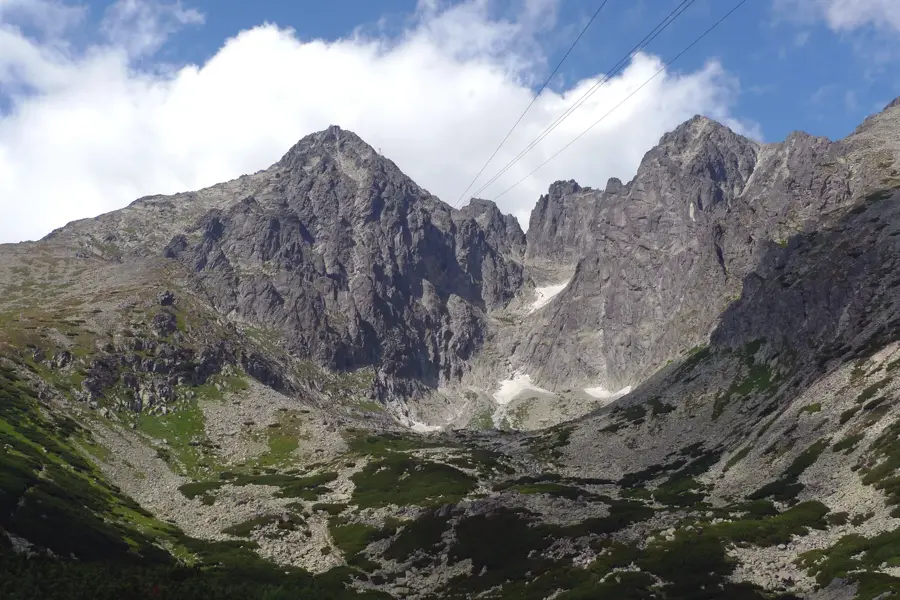
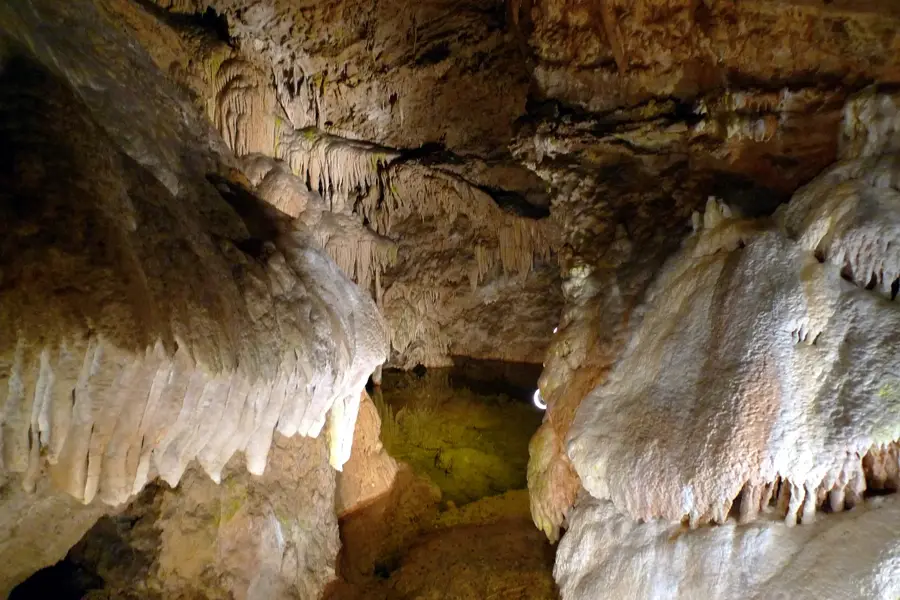
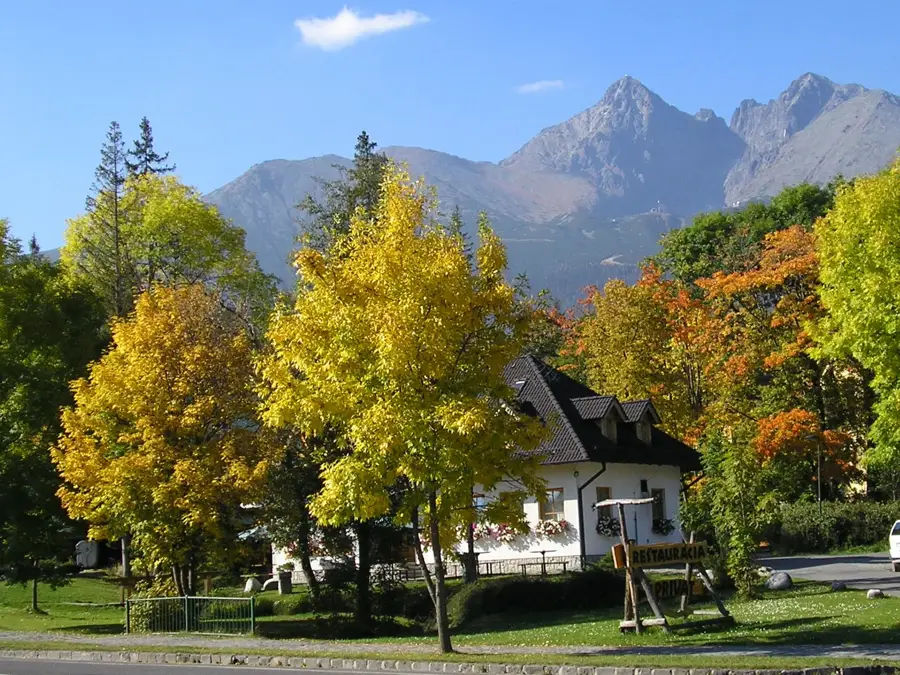
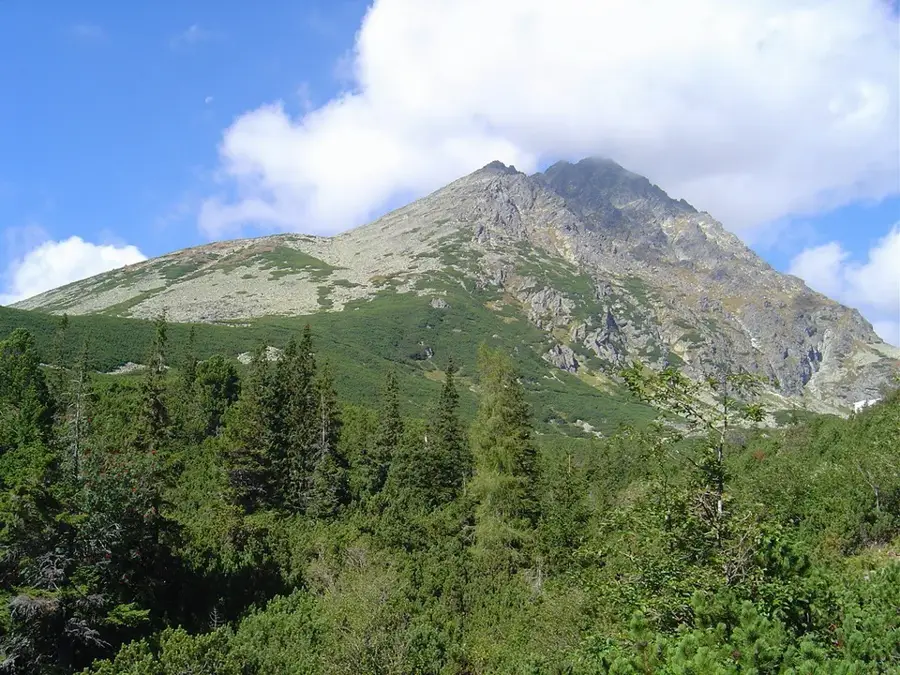
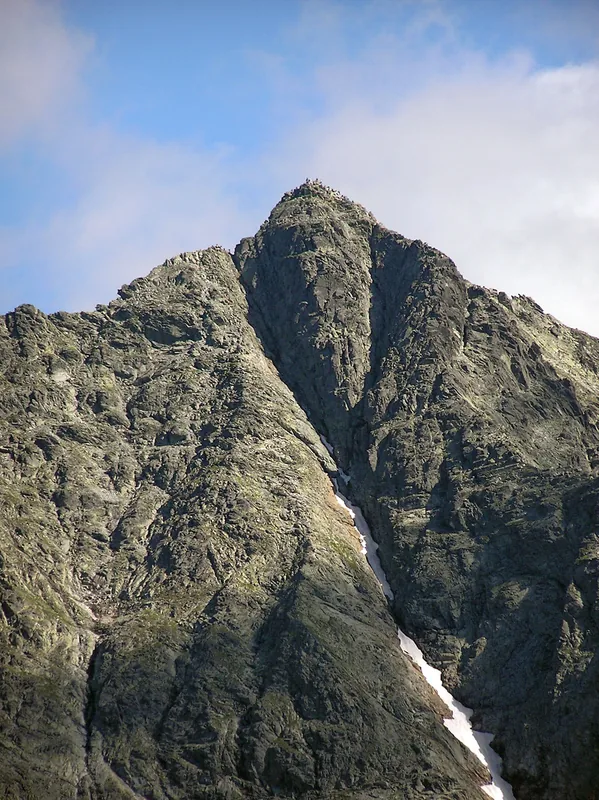
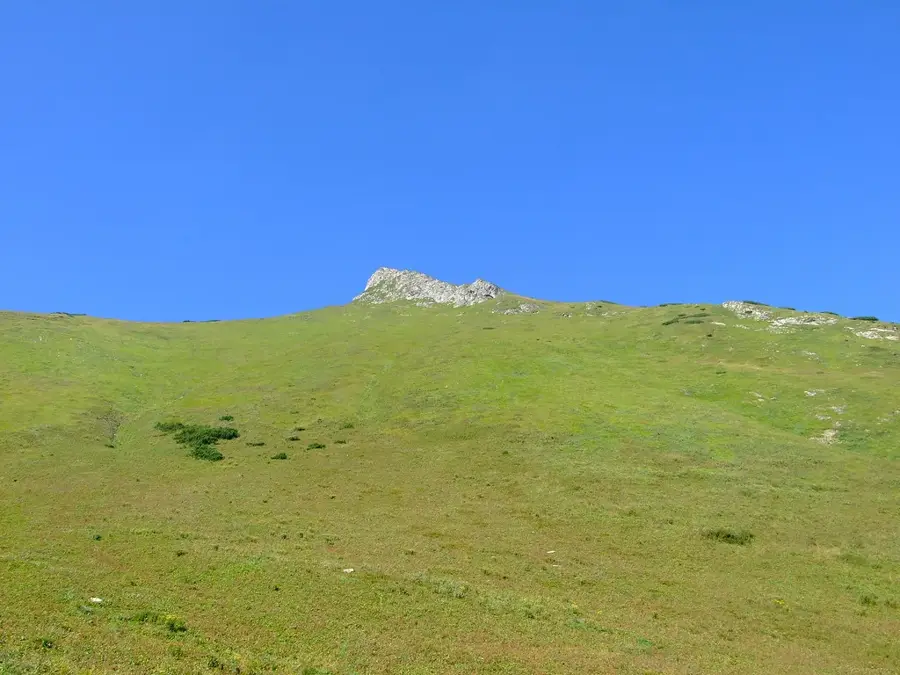
The Belianske Tatras (Belianske Tatry) is a breathtakingly beautiful, 14-kilometer-long mountain massif that constitutes the easternmost section of the Tatra Mountains, running perpendicularly to the main ridge of the High Tatras. In extreme morphological contrast to the jagged, dark, and imposing granite peaks of the High Tatras, the Belianske Tatras are composed almost entirely of bright Mesozoic sedimentary rocks, predominantly limestone and dolomite. This geological foundation has sculpted a dramatic, karst-like landscape characterized by deep gorges, extensive cave systems (including the publicly accessible Belianska Cave), and striking white rock walls. However, the true global significance of this range lies in its staggering botanical wealth; thanks to the alkaline, calcium-rich soil, it is universally recognized as the most floristically rich and ecologically valuable area in all of Slovakia, harboring hundreds of rare, strictly protected, and endemic alpine plant species. To vigorously protect this highly fragile and pristine environment, the vast majority of the mountain range, including its highest peak Havran (2152m), is strictly closed to the public, with only a single designated educational trail (via Monkova dolina) allowing hikers to experience its beauty.

Best time to visit & climate

The most pleasant time to visit is Jun–Aug.

JanFebMarAprMayJunJulAugSepOctNovDec
Avg °C-7-6-25101315151050-5
Rain mm6664696911912713910289787165

📋 Practical info

🧭
Getting there
This distinctively shaped limestone chain is accessed rapidly and easily via the very well-developed road network spanning the main tourism regions. The hiking trails mostly begin directly in the highly pretty mountain villages at the foot of the peaks, which are also serviced by regular local buses.
📅
Best season
Mid-summer extending smoothly into early autumn represents by far the safest and most popular time to experience the highly exposed mountain paths without deep snow. During the remainder of the year, remarkably strict winter closures based on nature conservation apply to nearly all higher alpine trails.
⛰️
Terrain & paths
The demanding terrain is notorious for its exceedingly steep, sometimes very slippery limestone paths that rapidly transition into rocky, highly exposed alpine saddles. While the lower sections still pass through dense forest, higher up, rough, unforgiving rock dominates, strictly requiring sure-footedness.
🎒
What to bring
High-quality mountain boots firmly equipped with extremely grippy soles are a non-negotiable absolute necessity for every hiker traversing the smooth, uneven limestone. Additional warm, completely windproof clothing layers, as well as hiking poles to noticeably relieve the knees on steep descents, should always be packed.
🅿️
Parking
Paid parking lots are usually quite clearly visible on the very edges of the starting villages or in immediate proximity to the most important entry trails into the mountains. Because these capacities are exhausted very quickly during the peak summer season, arriving in the early morning hours is mandatorily advised.
⚠️
Safety
The highly unpredictable alpine weather, featuring drastic temperature plummets and suddenly forming thunderstorms, undoubtedly represents the greatest objective risk. Strict adherence to the clearly designated routes, as well as careful observation of the seasonal trail closures, are absolutely mandatory for one's own survival.
⏱️
Time needed
A complete, arduous full-day hike up into one of the deeply impressive saddles and back down usually demands a highly strenuous six to eight hours. Those who firmly prefer a more leisurely pace can easily remain on the forested lower trails in the valley area, which typically require about three to four hours.

Geography

Coordinates
49.23000, 20.21000

Explore nearby

Notable places around

Route planner — Car & Motorhome

Where do you start? We build the route here, with stops and country notes along the way.

Vehicle
Only stops with (optional):

© OpenStreetMap contributors · OpenRouteService

Sights in the town Belianske Tatras (3)

Bujačí vrch📍 landmark

A peak in the Belianske Tatras, part of the Tatra National Park.

Zadné Jatky📍 landmark

Zadné Jatky is a peak in the Belianske Tatras, named for its position behind the main ridge.

Hlúpy📍 landmark

A mountain in the Belianske Tatras known for its alpine mountain meadows.

Sights nearby

Frequently asked questions

How does the Belianske Tatras differ from the High Tatras?
The Belianske Tatras consists predominantly of limestone and dolomite, giving it a brighter appearance and richer flora.
Is free hiking allowed in the Belianske Tatras?
Access is more strictly regulated than in the High Tatras. Only a few marked paths are open to the public.
Which cave can be visited here?
The Belianska Cave near Tatranská Kotlina is the only show cave in the Tatras and is famous for its sinter formations.
Which village is considered the gateway to the Belianske Tatras?
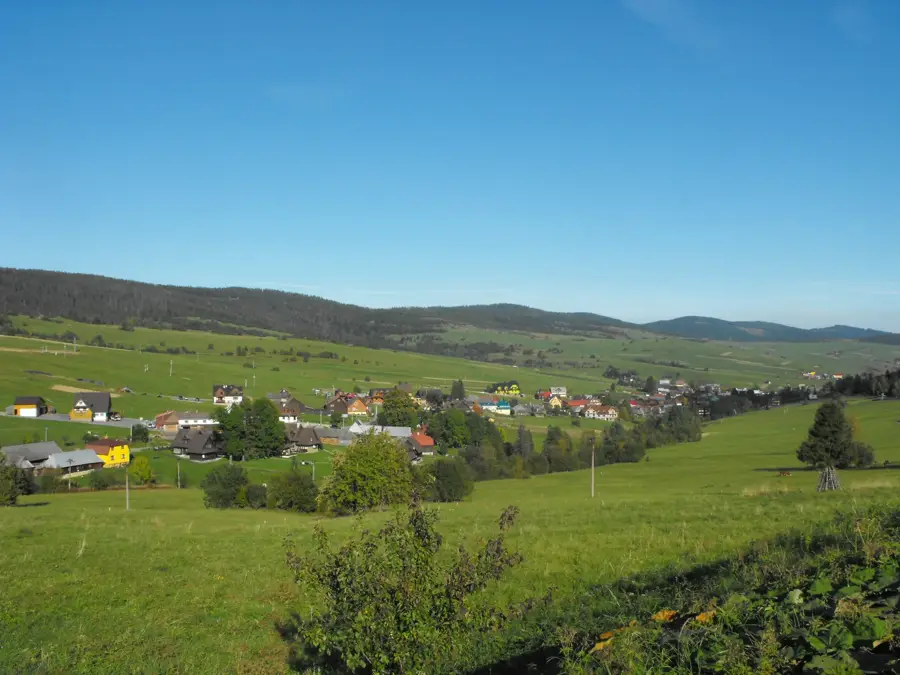
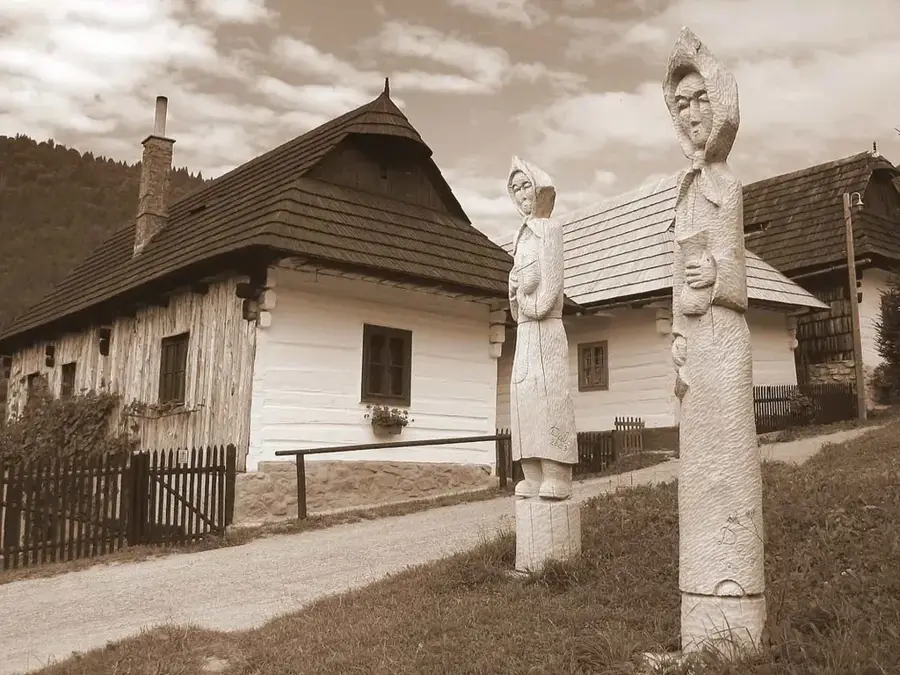
Ždiar is a photogenic village with rich folk architecture and a well-suited starting point for tours.
What is the highest peak of the Belianske Tatras?
Havran is the highest peak at 2152 meters, but it is not accessible to tourists.
Belianske Tatras: where is it located?
Belianske Tatras is located in Slovakia.
Belianske Tatras: what is there to see?
Highlights include Bujačí vrch, Zadné Jatky, Hlúpy.
Belianske Tatras: when is the best time to visit?
The most pleasant time to visit is Jun, Aug.
Belianske Tatras: why is it worth visiting?

The Belianske Tatras (Belianske Tatry) is a breathtakingly beautiful, 14-kilometer-long mountain massif that constitutes the easternmost section of the Tatra Mountains, running perpendicularly to the main ridge of the High Tatras.
View on map → The Top 50 Attractions → OpenStreetMap →
Europe
Explore with Plizio Discover more places in Europe
More places in Slovakia →

Nearby cities

History & landmarks