Plizio Visual Lab
Rice fields in Casamance
Weather…
Water temperature…
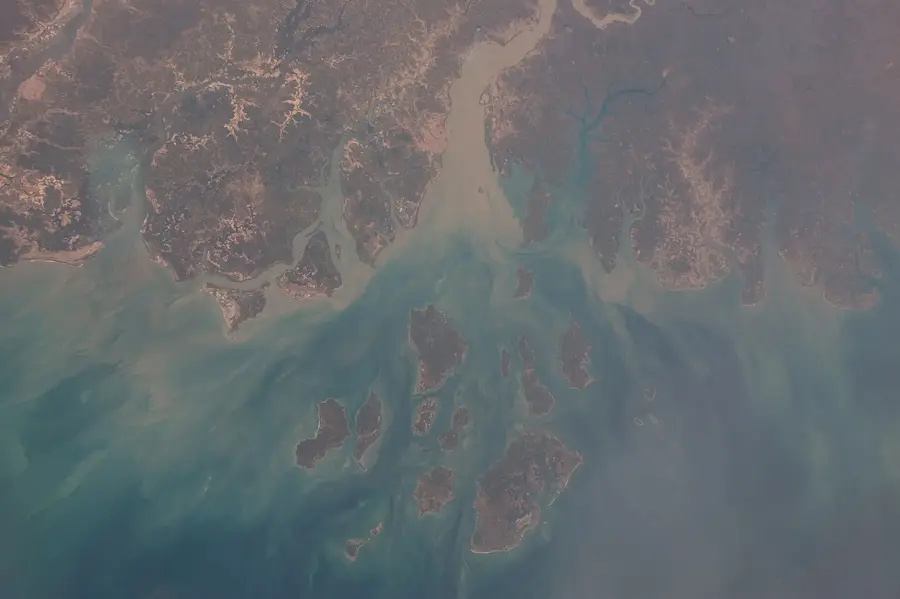
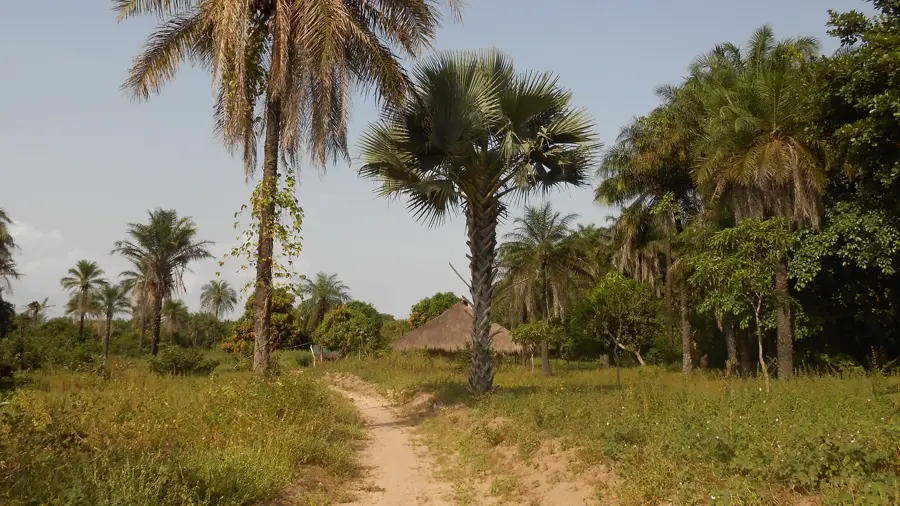
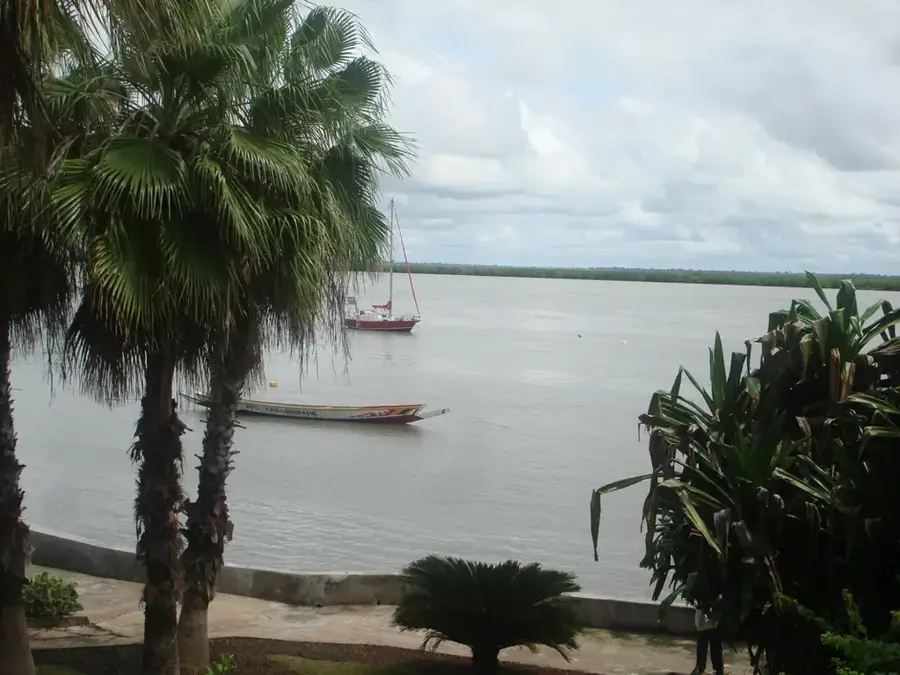
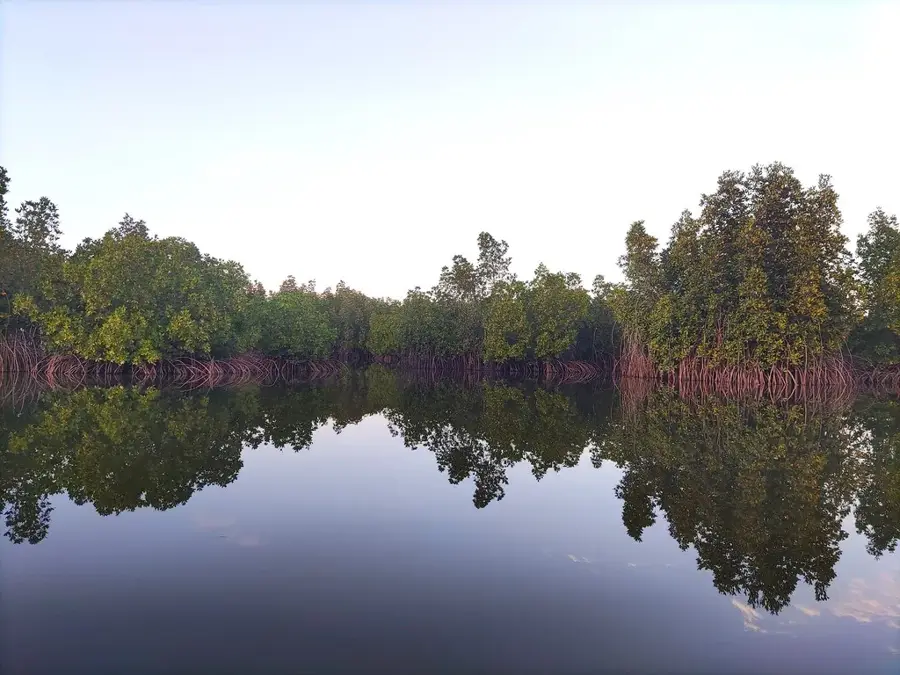
Rice cultivation in Casamance forms the cultural and economic foundation of southern Senegal, particularly for the Diola people. This region differs significantly from the rest of the country due to its higher annual rainfall and lush vegetation. Rice paddies are often established within mangrove swamps and along the banks of numerous river branches, utilizing complex drainage systems to manage soil salinity. Traditionally, rice is grown for subsistence, playing a pivotal role in local food security. Over centuries, the Diola have developed specialized techniques to optimize rice farming under the challenging conditions of tidal river environments. In recent decades, modern irrigation projects have been introduced to enhance productivity and decrease Senegal's reliance on rice imports. The landscape of Casamance is defined by these paddies, which transform into animated green terraces during the rainy season. Despite increasing urbanization, rice farming remains a potent symbol of the local population's connection to their land and ancestral traditions.
- Location: Senegal
- Nearby: Cap Skirring (54 km)
Best time to visit & climate
The most pleasant time to visit is Jan, Feb, Dec.
| Jan | Feb | Mar | Apr | May | Jun | Jul | Aug | Sep | Oct | Nov | Dec | |
|---|---|---|---|---|---|---|---|---|---|---|---|---|
| Avg °C | 24 | 26 | 28 | 29 | 29 | 29 | 27 | 26 | 26 | 27 | 26 | 23 |
| Rain mm | 1 | 0 | 15 | 2 | 9 | 108 | 312 | 438 | 315 | 133 | 8 | 0 |
📋 Practical info
Geography
Facts
- Casamance receives between 1000 and 1500 mm of rainfall annually.
- Rice farming is frequently organized through communal village structures.
- The Kayendo is a traditional Diola spade used for preparing the soil.
- Freshwater rice cultivation takes place in the lower-lying inland valleys.
- The region contributes substantially to national rice production goals.
- Harvest festivals are central social events within Diola communities.
Explore nearby
Notable places around

Route planner — Car & Motorhome
Where do you start? We build the route here, with stops and country notes along the way.
© OpenStreetMap contributors · OpenRouteService
Sights nearby
Frequently asked questions
Why is Casamance known as a rice growing region?
Can one visit the fields?
When is rice cultivation most photogenic?
Are there local specialties with rice?
Is the region safe for travelers?
Rice fields in Casamance: where is it located?
Rice fields in Casamance: when is the best time to visit?
Rice fields in Casamance: why is it worth visiting?

Nearby cities
History & landmarks
Nature
More places