Attractions in Senegal
The finest attractions in Senegal at a glance: castles, natural wonders, historic old towns and more. Each place links to a detailed page with map, tips and photos.
Culture & History
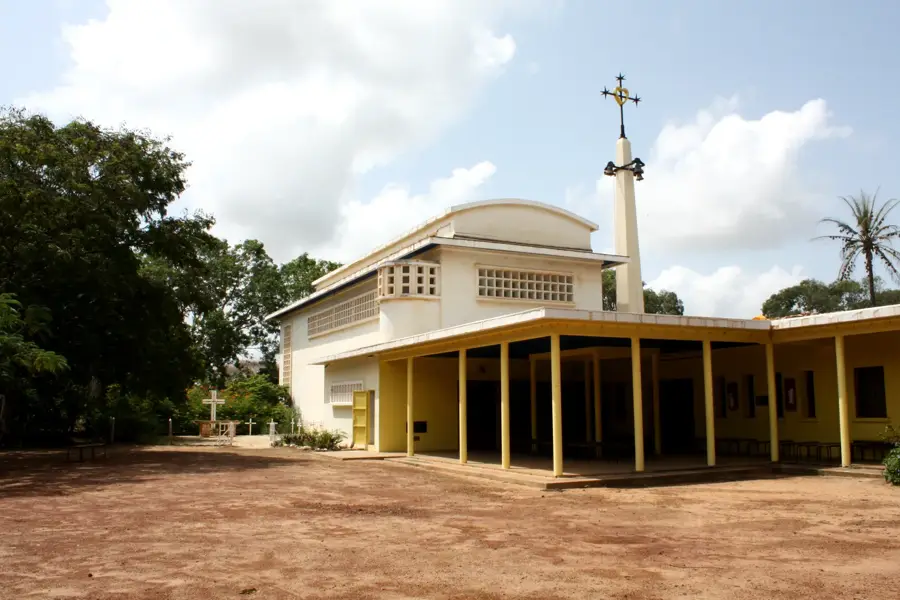
Keur Moussa Abbey
A Benedictine monastery in the Thiès region, famous for its spiritual chants blending African instruments with Gregorian chant.
Learn more →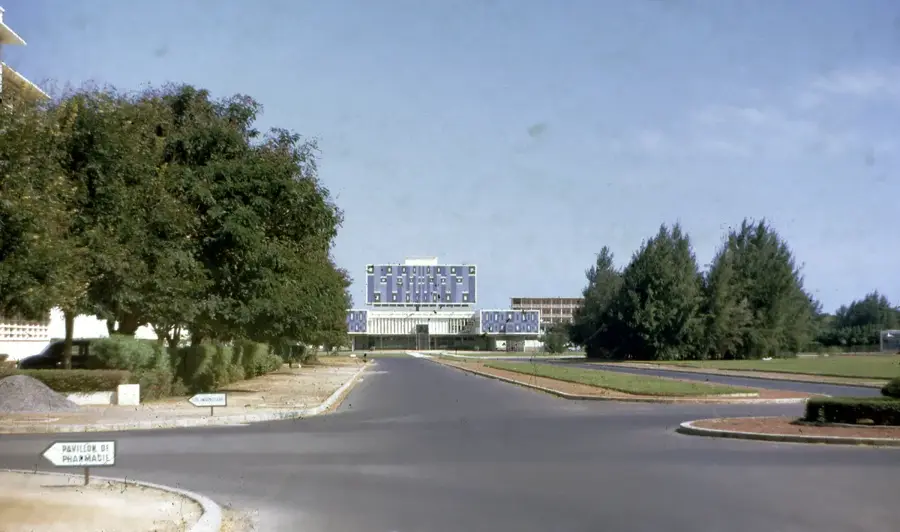
Cheikh Anta Diop University Gate
The symbolic entrance gate to Cheikh Anta Diop University in Dakar, one of the oldest and most prestigious universities in West Africa.
Learn more →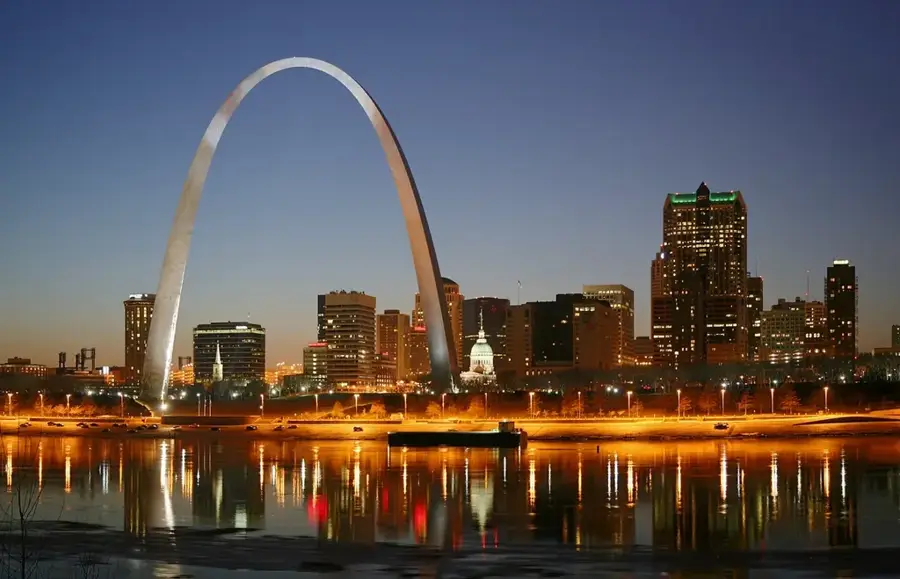
Saint-Louis City Hall
A significant administrative building in Saint-Louis reflecting the colonial history and the city's status as a former capital.
Learn more →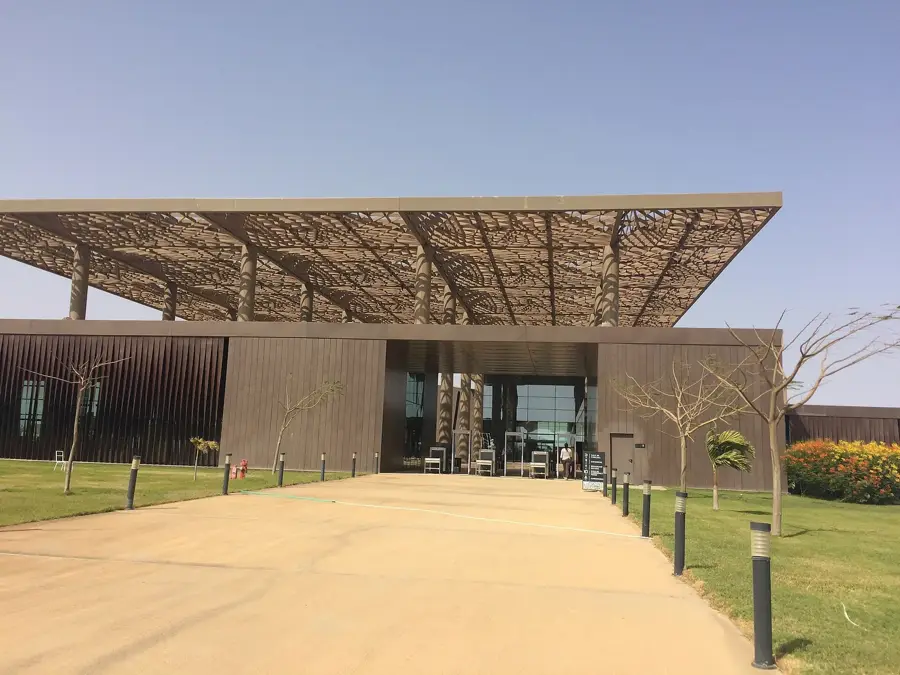
Diamniadio Ministerial Spheres
A modern government complex in the new city of Diamniadio, housing several Senegalese ministries in futuristic buildings.
Learn more →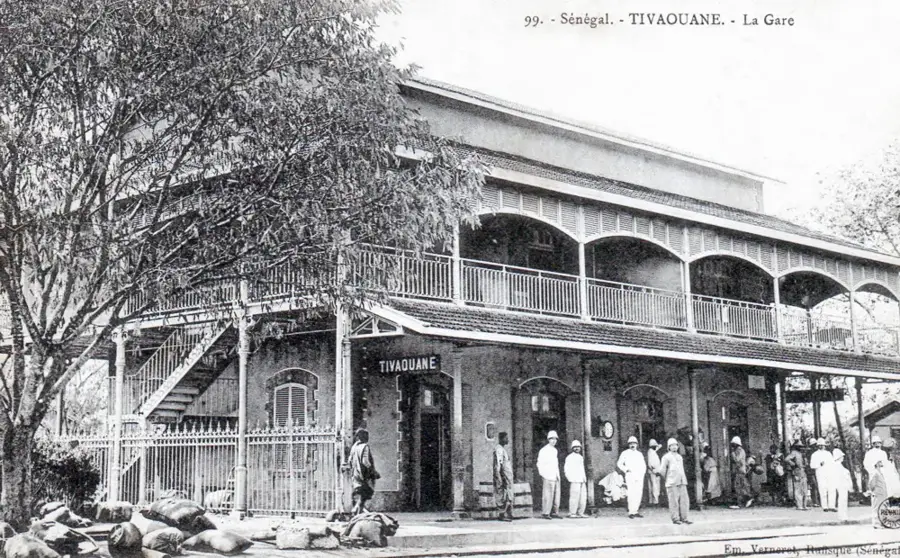
Great Mosque of Tivaouane
The most important religious center of the Tijaniyyah order in Senegal, attracting thousands of pilgrims annually at the Maouloud festival.
Learn more →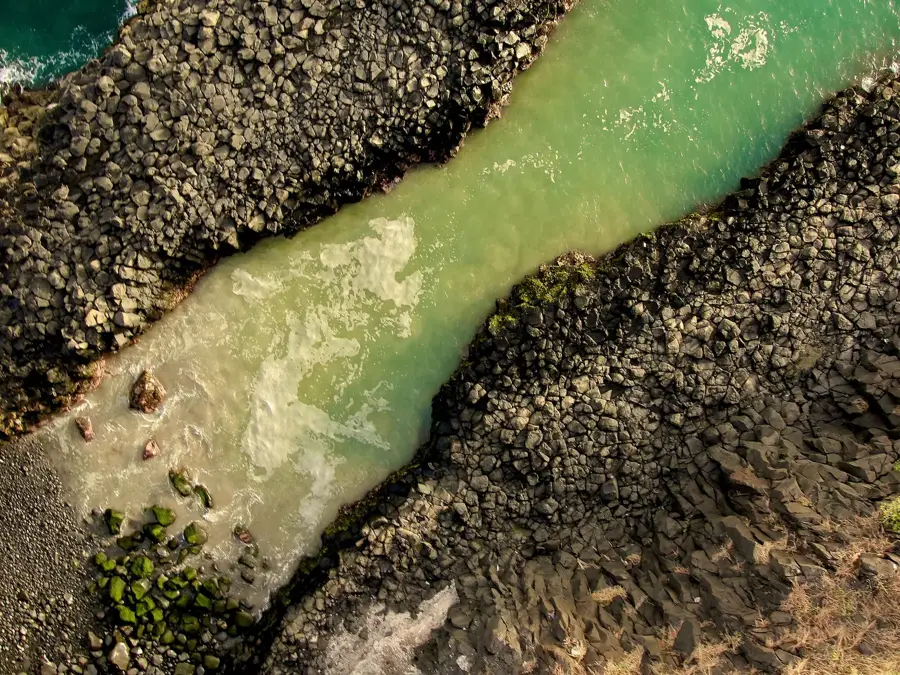
Cap Manuel Lighthouse
A historic lighthouse on the southernmost tip of the Cap-Vert peninsula in Dakar, guiding sailors for over a century.
Learn more →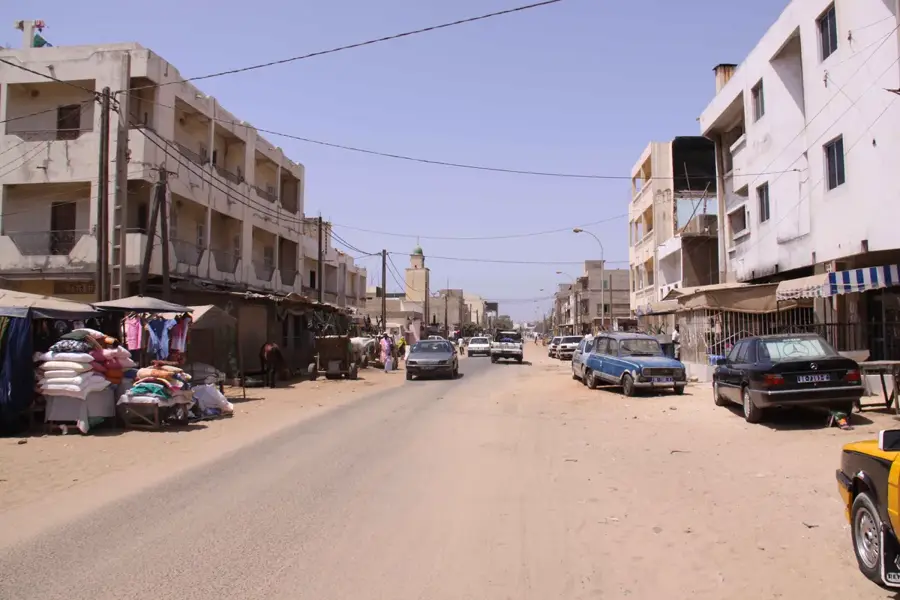
Great Mosque of Guédiawaye
An impressive and architecturally significant mosque in Guédiawaye, one of the most densely populated suburbs of Dakar.
Learn more →
Memorial of the Martyrs of Thiaroye
A memorial commemorating the massacre of West African Tirailleurs by French forces in 1944 at Thiaroye.
Learn more →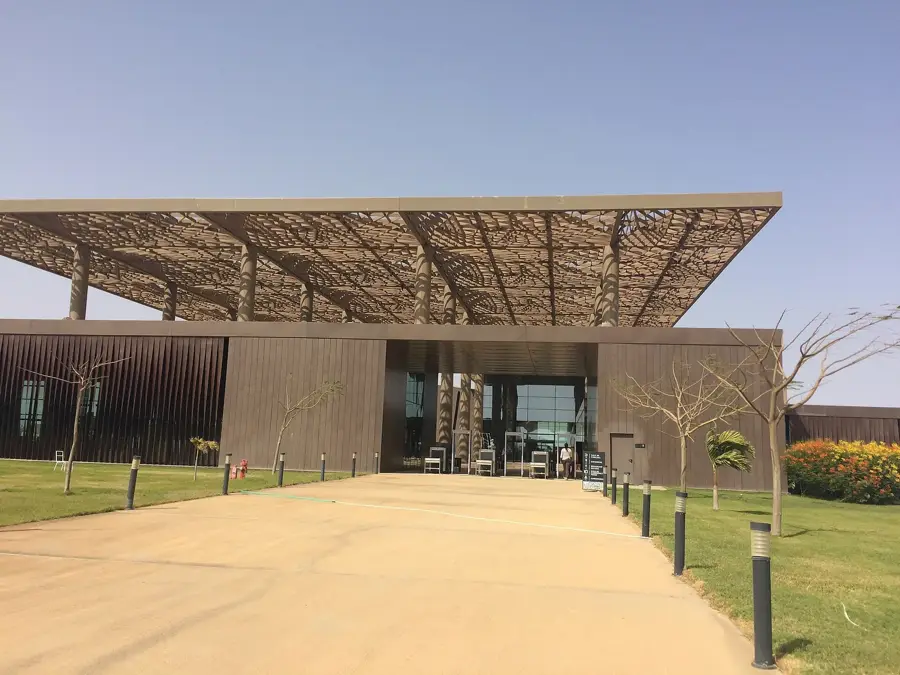
Dakar Arena
A multi-purpose indoor arena in Diamniadio, used primarily for basketball and other major events.
Learn more →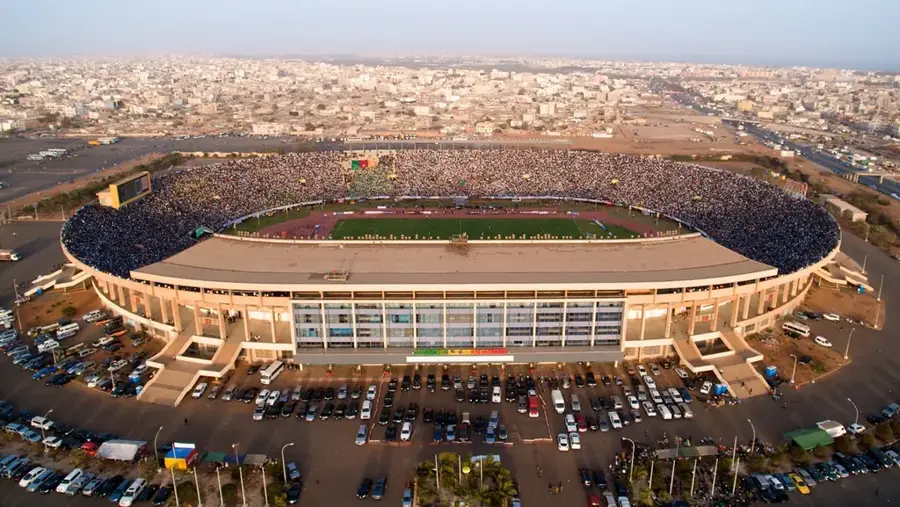
Léopold Sédar Senghor Stadium
A large multi-purpose stadium in Dakar, frequently used for football matches of the Senegalese national team.
Learn more →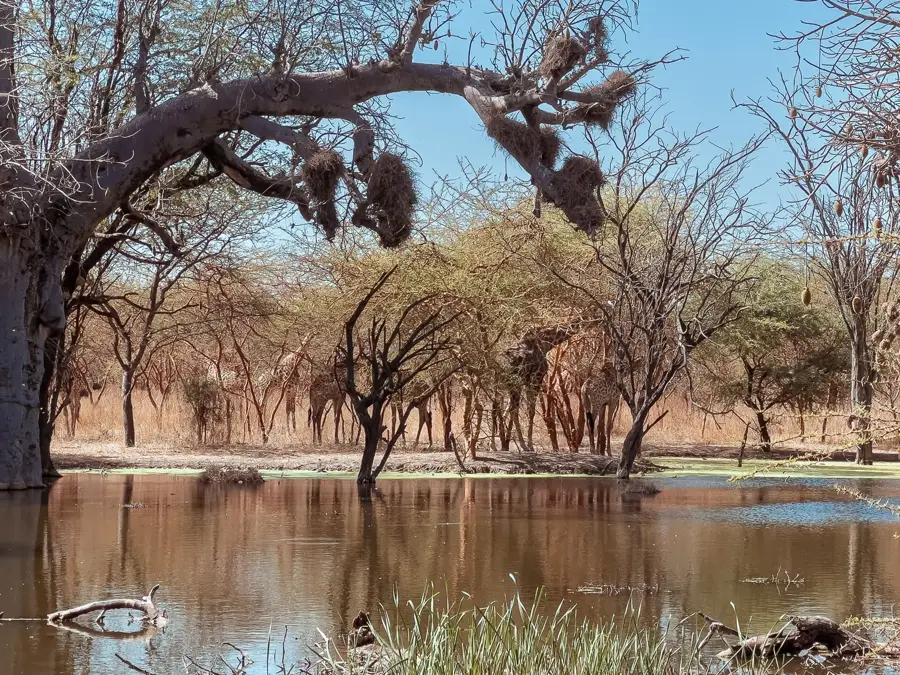
Bandia Reserve
A privately owned nature reserve offering an exciting safari experience with many of Africa's iconic large animals.
Learn more →
National Grand Theatre
The Grand Théâtre National Doudou Ndiaye Rose in Dakar is one of the largest cultural centers in West Africa.
Learn more →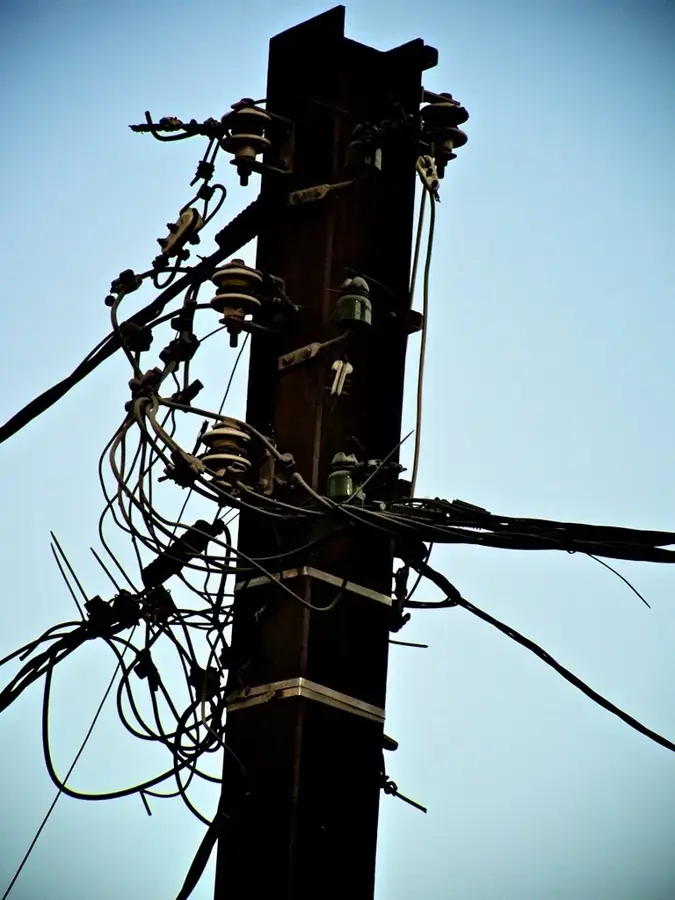
Sandaga Market
The largest and busiest market in Dakar, known for its building in the Sudano-Sahelian architectural style.
Learn more →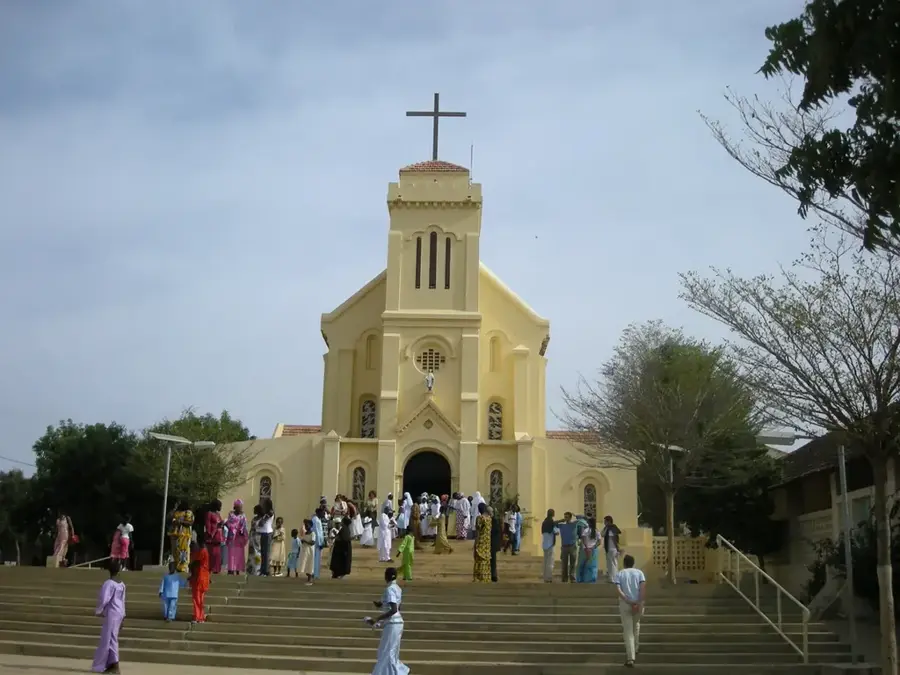
Basilica of Popenguine
An important Catholic sanctuary in Popenguine, attracting thousands of pilgrims from across the country each year.
Learn more →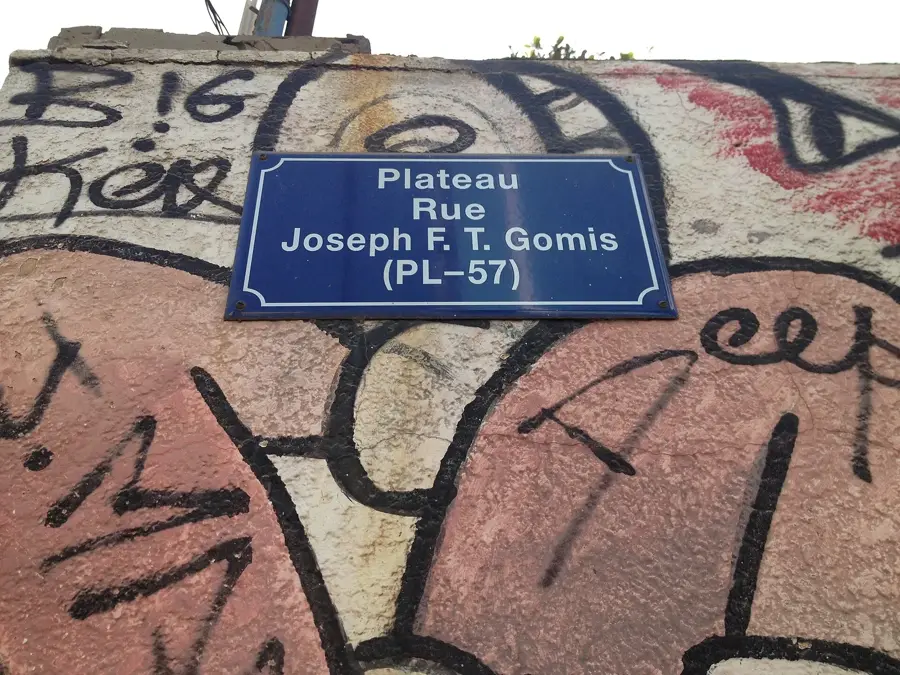
BCEAO Tower
An iconic skyscraper in Dakar housing the headquarters of the Central Bank of West African States.
Learn more →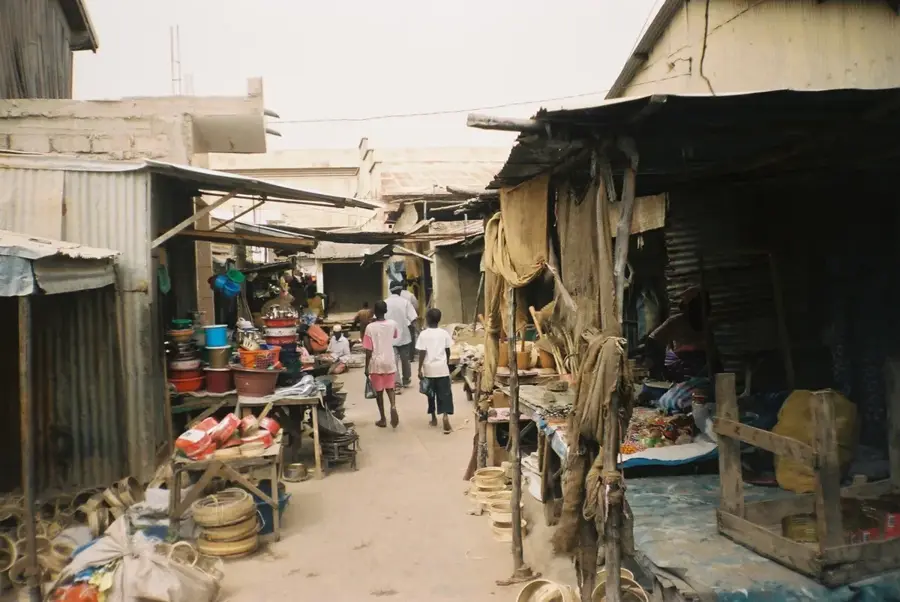
Great Mosque of Kaolack
An impressive mosque in Kaolack serving as the spiritual center of the Niassène religious community.
Learn more →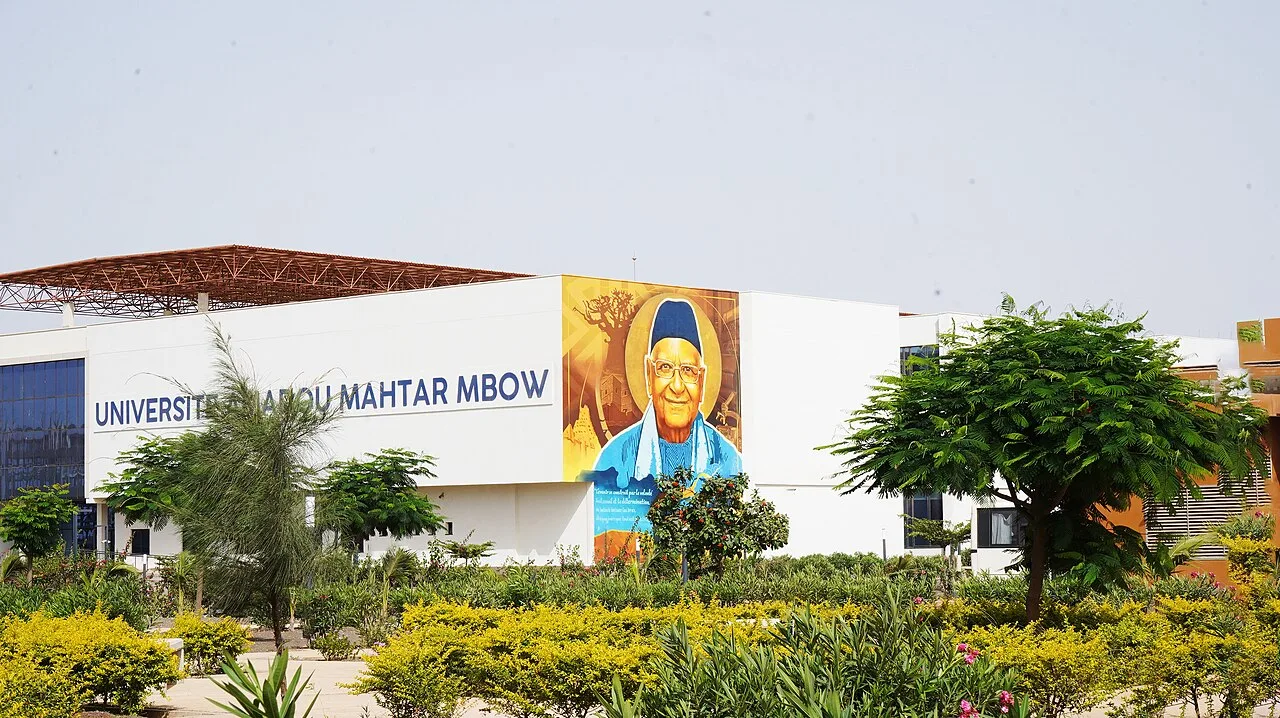
Abdoulaye Wade Stadium
An ultramodern sports stadium in Diamniadio, opened in 2022, seating up to 50,000 spectators.
Learn more →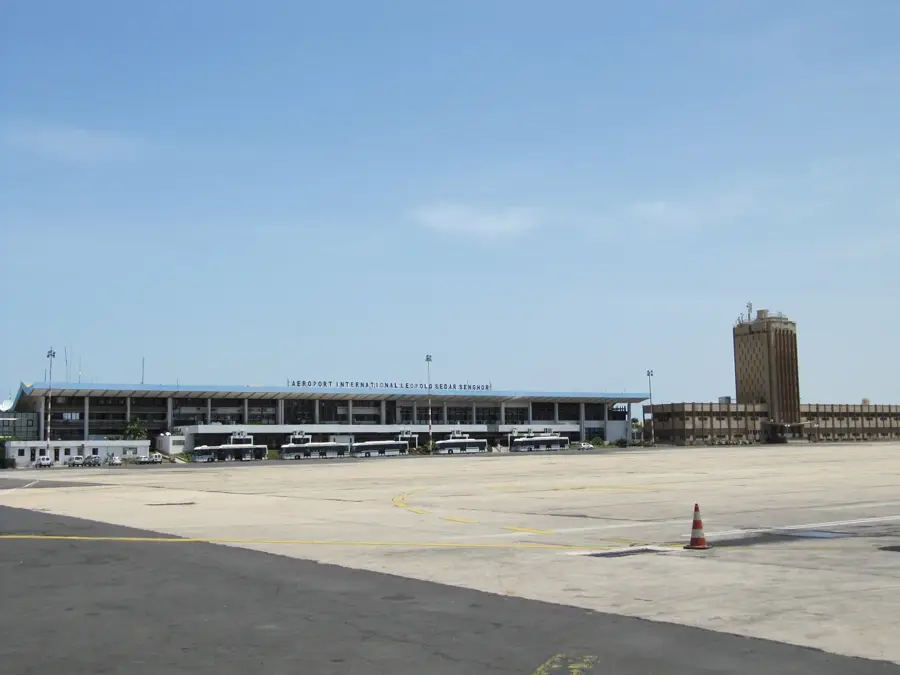
Maison Ousmane Sow
The former home and studio of the famous Senegalese sculptor Ousmane Sow, which is now a museum.
Learn more →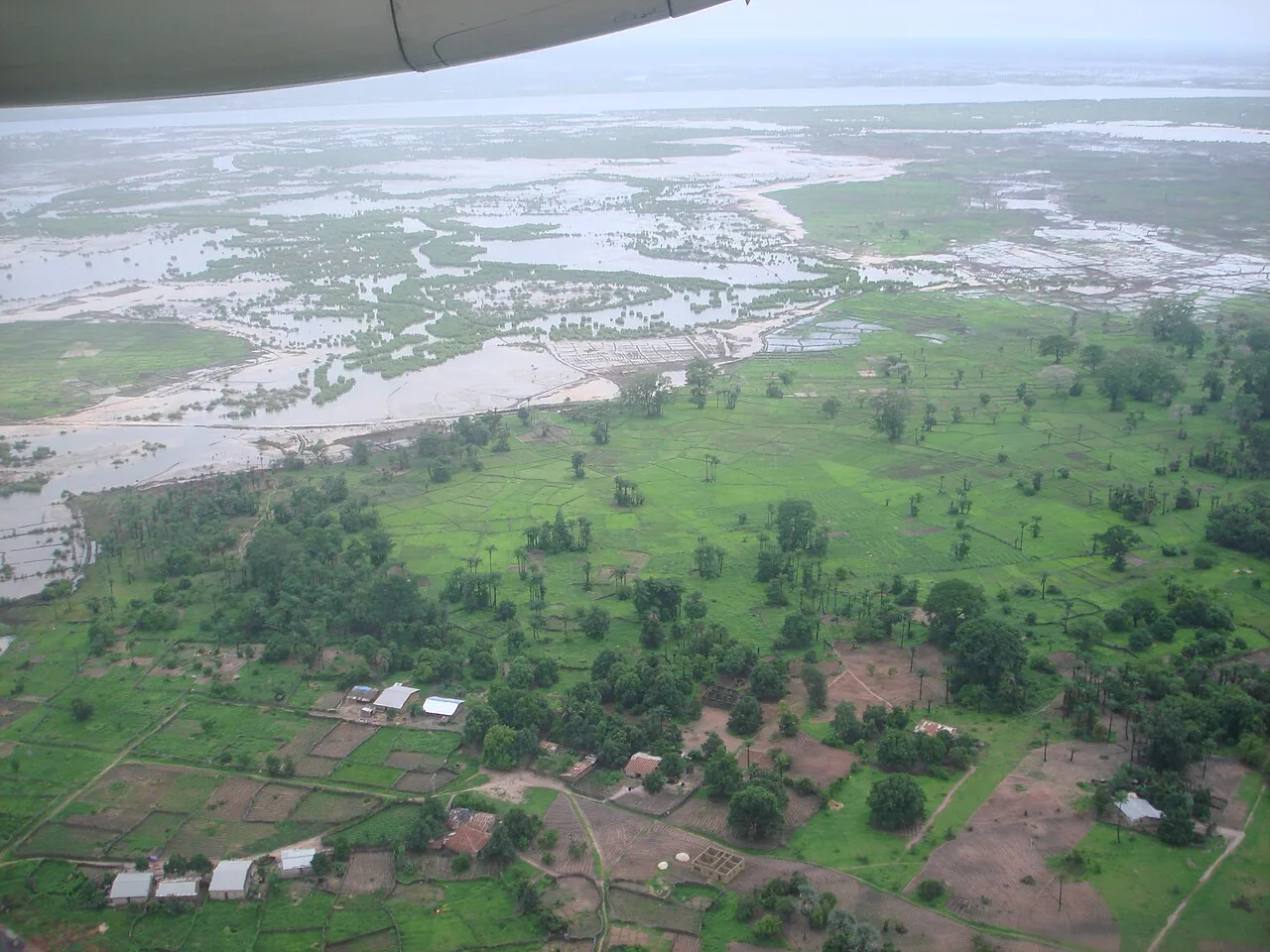
Aline Sitoe Diatta Stadium
A multi-purpose stadium in Ziguinchor, named after the famous Senegalese resistance fighter.
Learn more →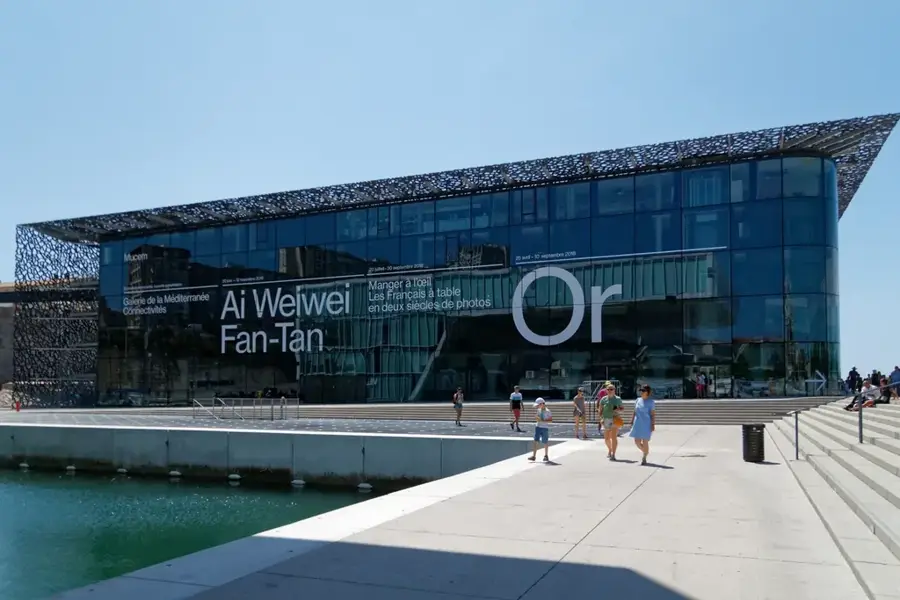
Museum of Black Civilisations
A major museum in Dakar dedicated to African art and cultural history worldwide.
Learn more →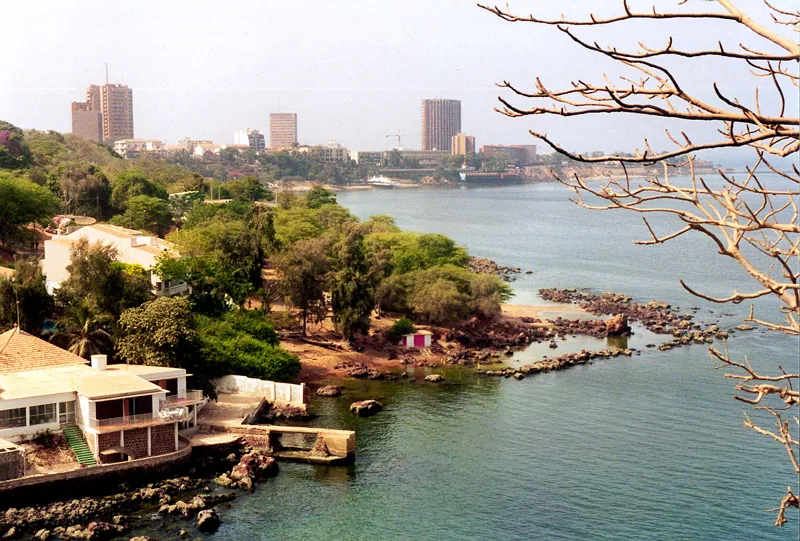
Presidential Palace of Senegal
The official residence of the Senegalese president in Dakar, built in classical colonial style.
Learn more →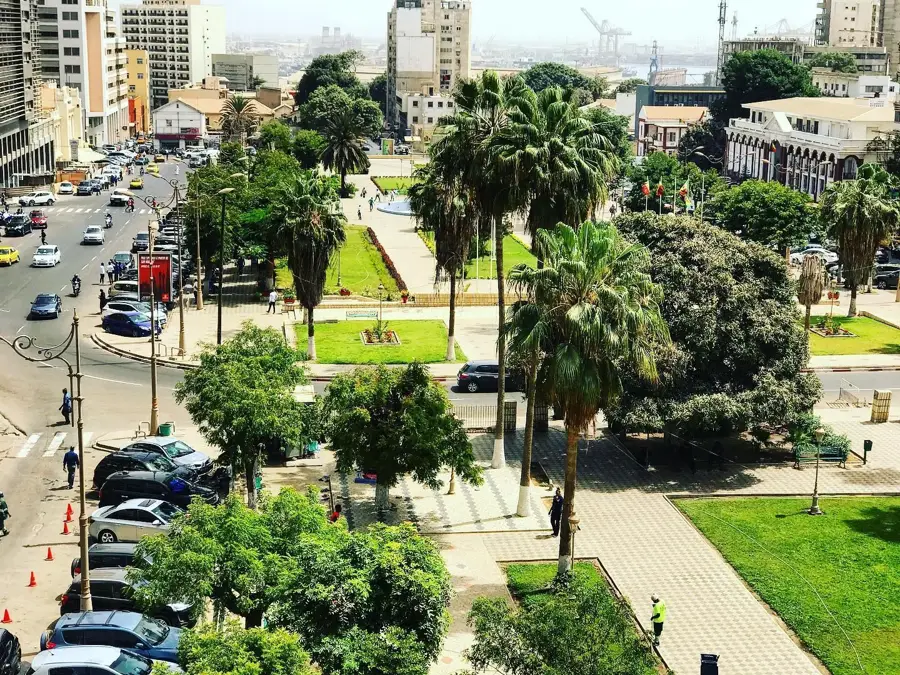
Dakar Cathedral
The Cathédrale du Souvenir Africain is a monumental church in Dakar, consecrated in 1936.
Learn more →Nature
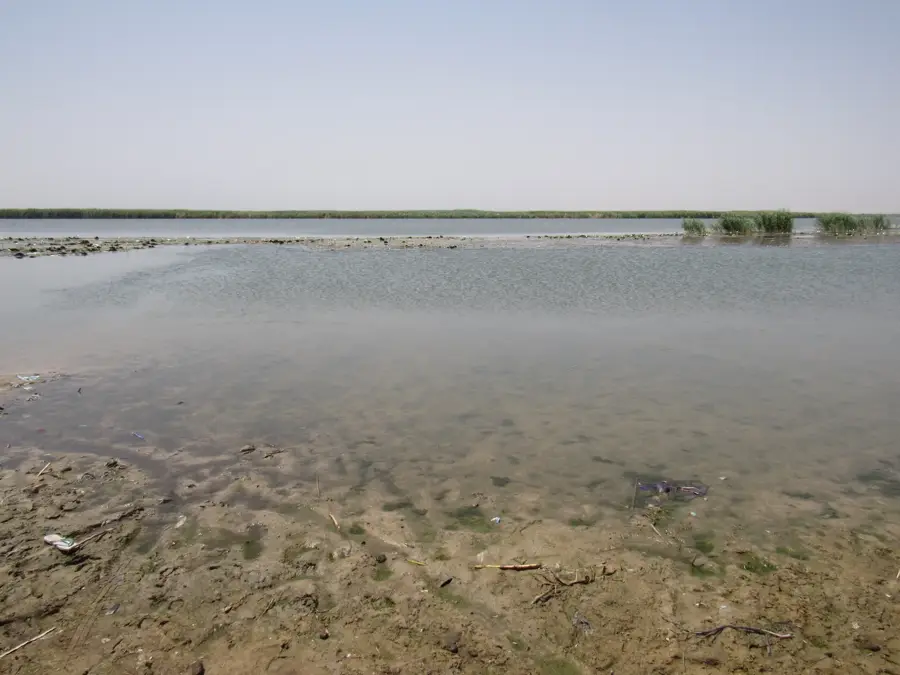
Lac de Guiers
The largest freshwater lake in Senegal, important for drinking water supply.
Learn more →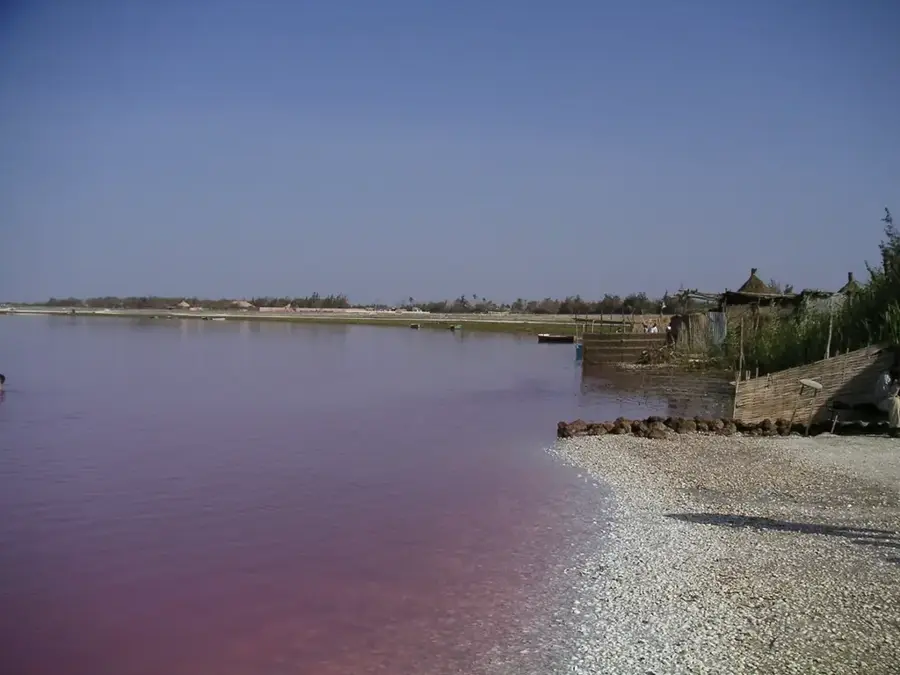
Lake Retba
A salt lake colored pink by microorganisms, near Dakar.
Learn more →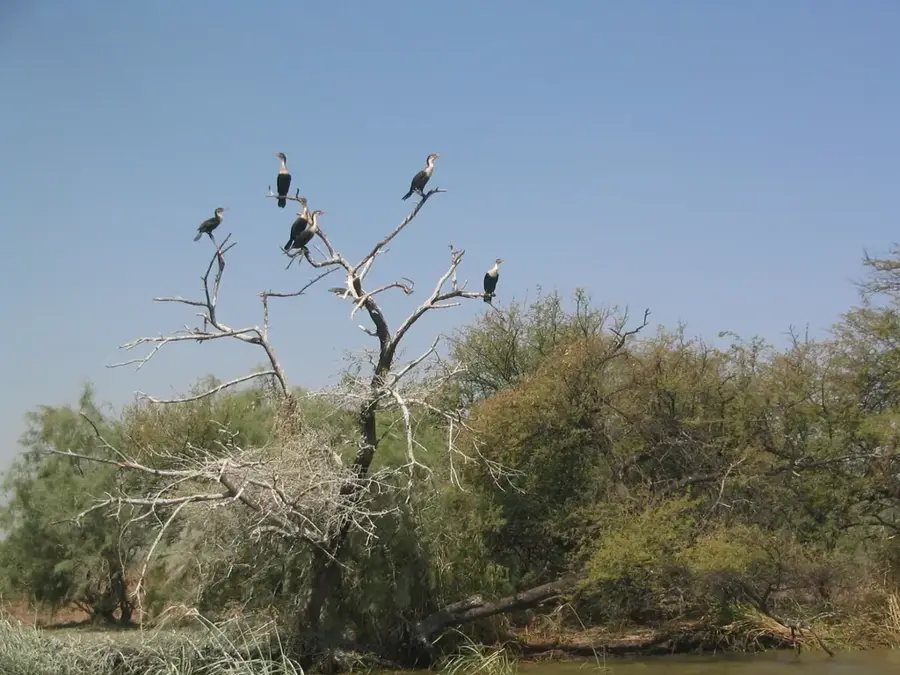
Djoudj National Bird Sanctuary
An important wetland with a large lake and marshlands.
Learn more →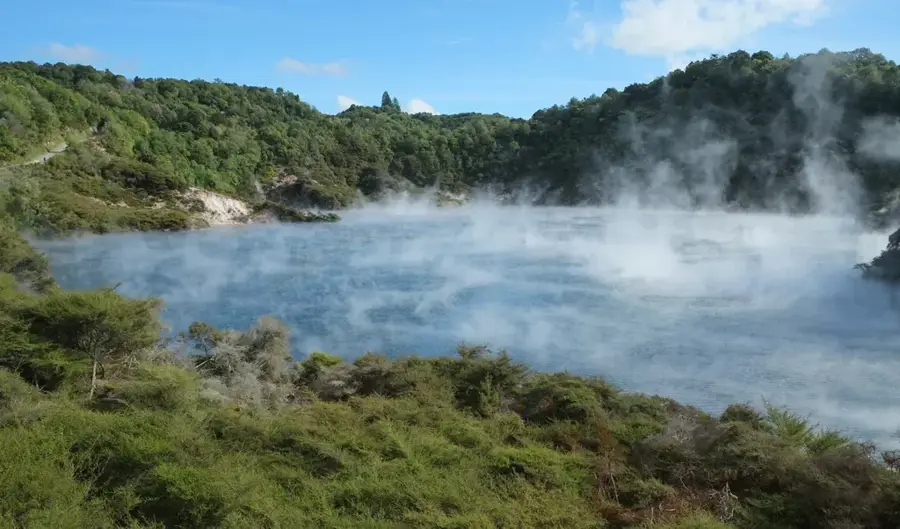
Lake Panal
A small marshy lake near the Mauritanian border.
Learn more →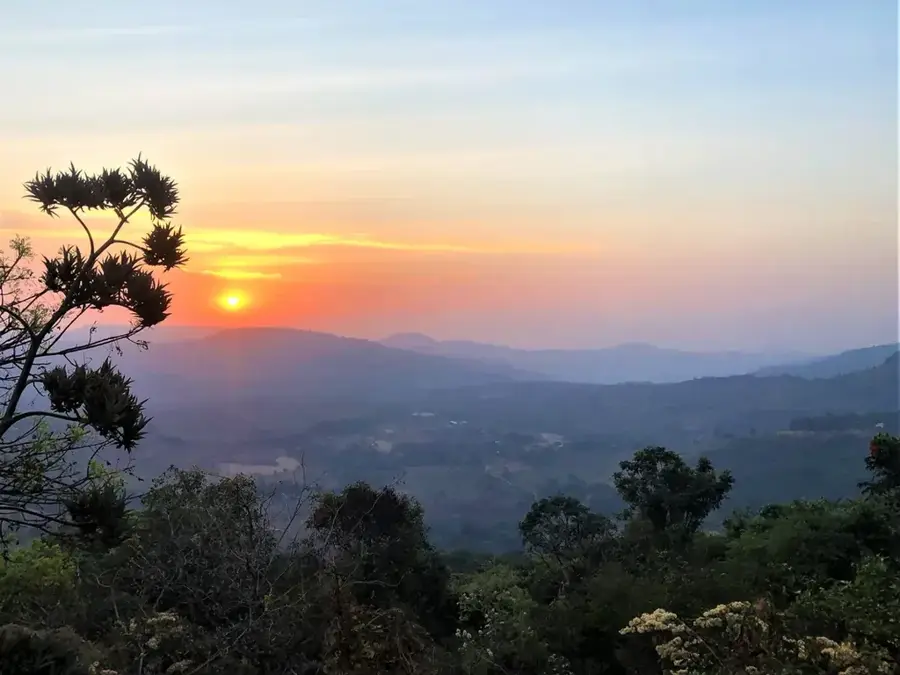
Fouta-Djallon highlands
A significant massif that extends across the border into Guinea.
Learn more →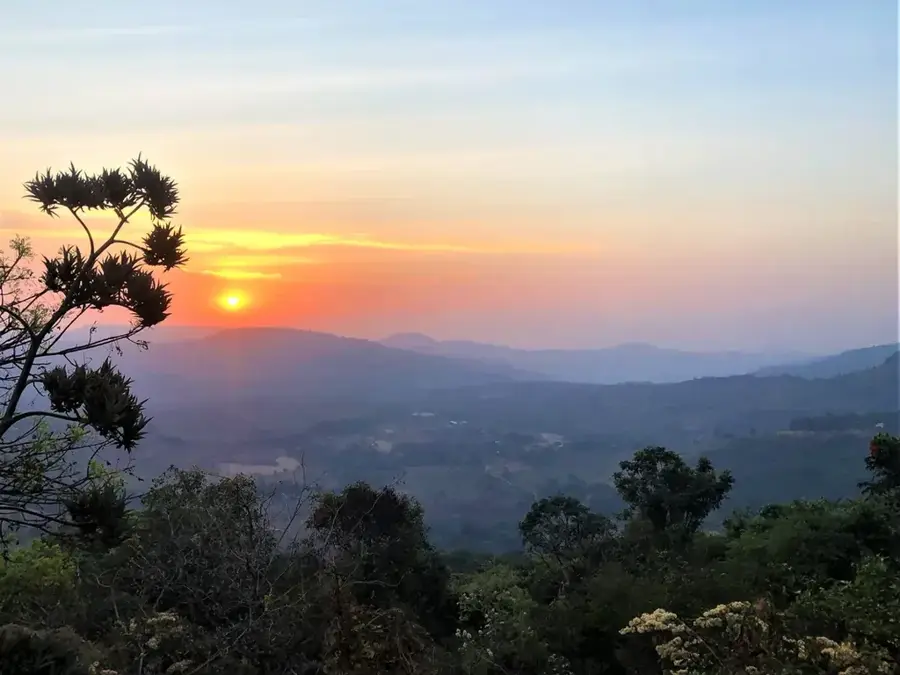
Fouta Djallon Highlands (outliers)
The outliers of the Guinean highlands in southeastern Senegal.
Learn more →More highlights
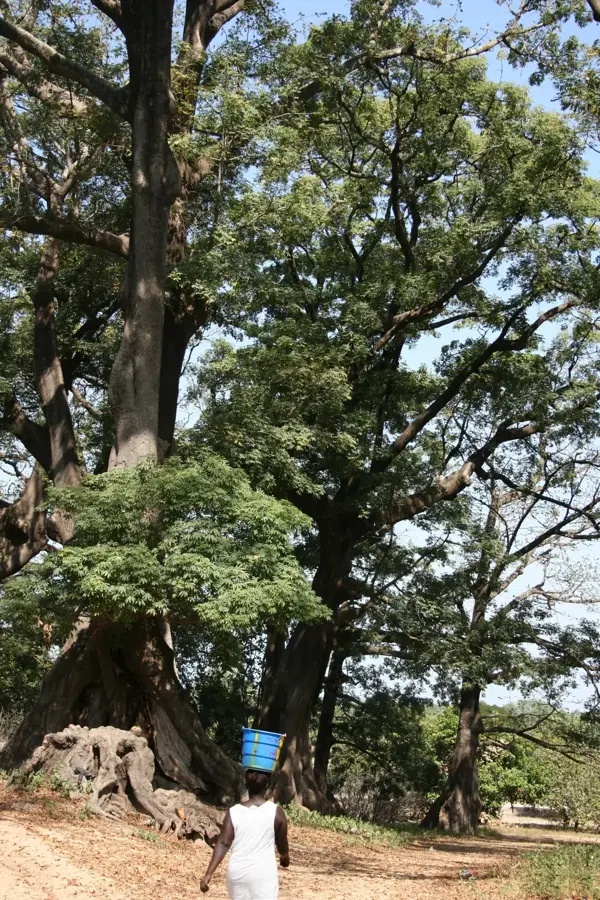
Historic Kingdom of Oussouye
The center of traditional Diola culture, where a local king still rules and maintains animist traditions to this day.
Learn more →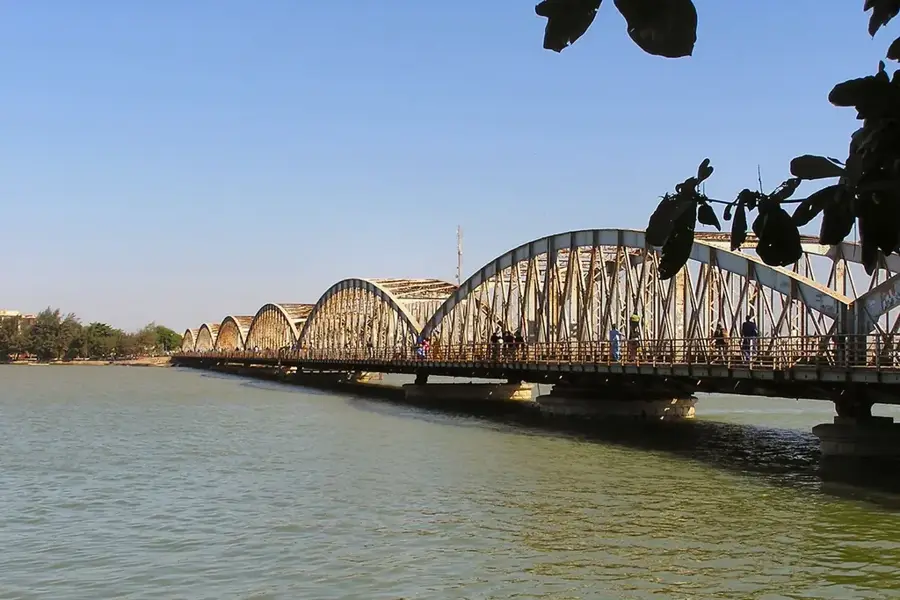
Faidherbe Bridge
An iconic metal bridge connecting the island of Saint-Louis to the mainland, designed by Gustave Eiffel.
Learn more →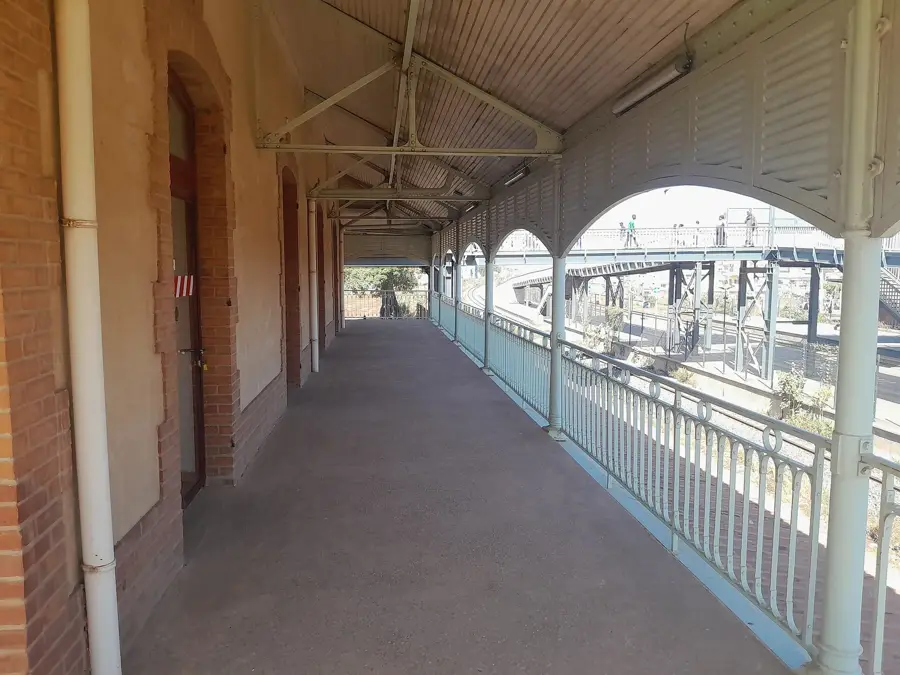
Old Town of Rufisque
A port town that was once a major center for the peanut trade and has old warehouses.
Learn more →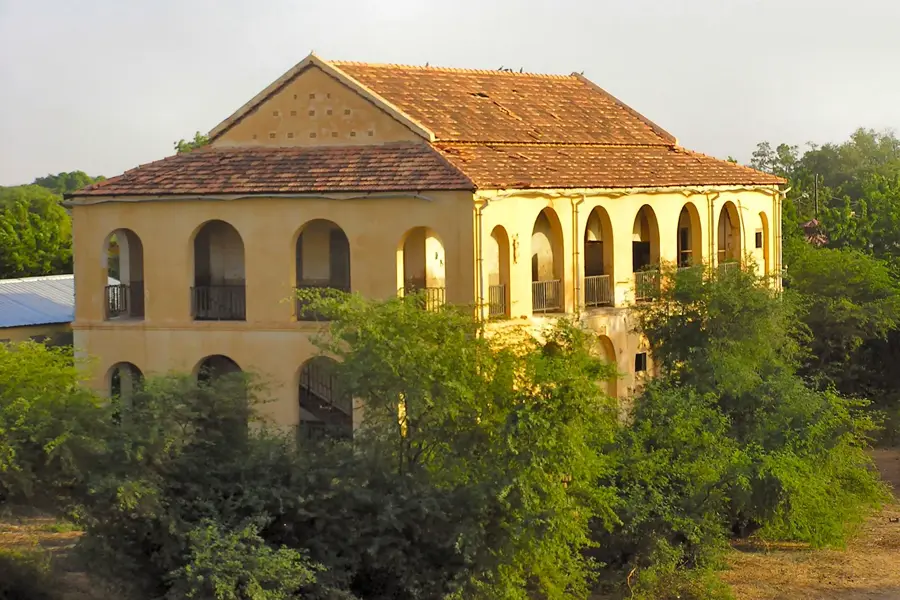
Fort of Podor
An old colonial fort in the northernmost town of Senegal that played a major role in trade.
Learn more →
Tata of Madièna
A historic fortified wall that protected the spiritual leaders of the region in the 19th century.
Learn more →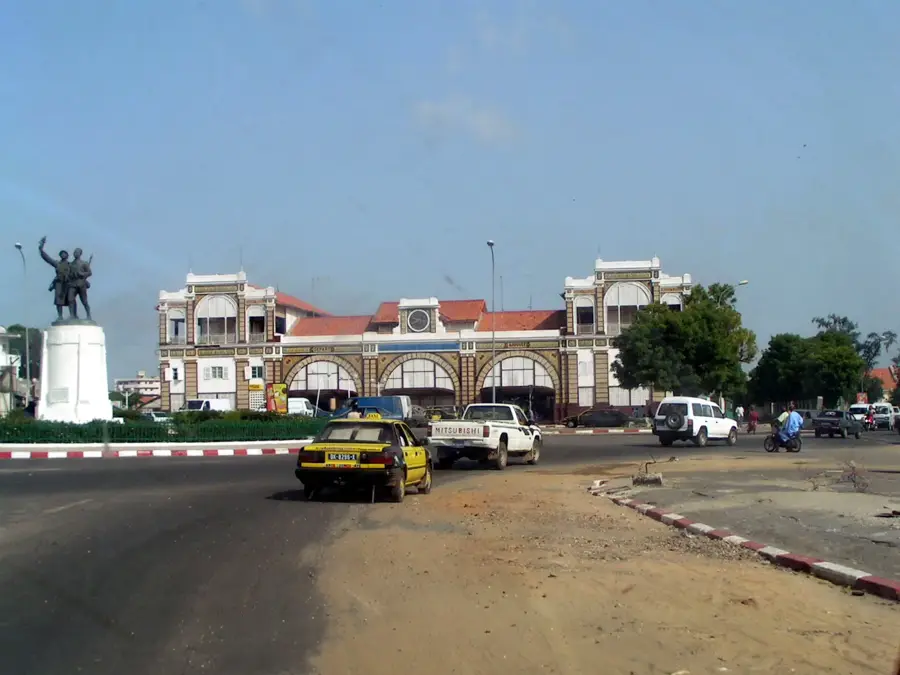
Historic Dakar Railway Station
A magnificent colonial-style building that was the terminus of the historic Dakar-Niger Railway.
Learn more →
Mixed Cemetery of Fadiouth
A unique cemetery on a hill made of shells, where Christians and Muslims rest side by side.
Learn more →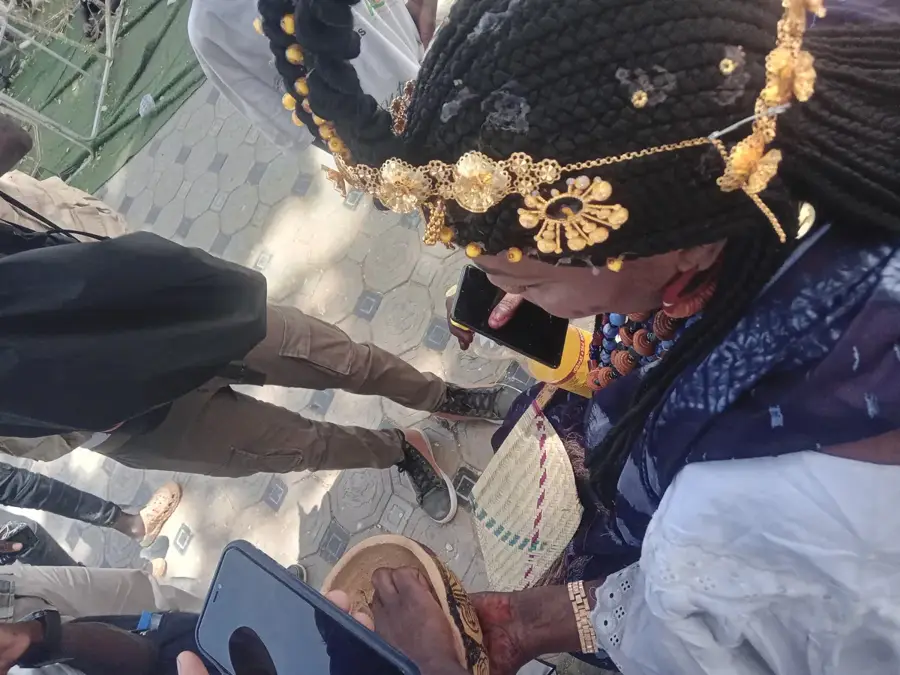
Historic Railway Hub of Thiès
A major center of historical rail transport and the site of a famous railway workers' strike.
Learn more →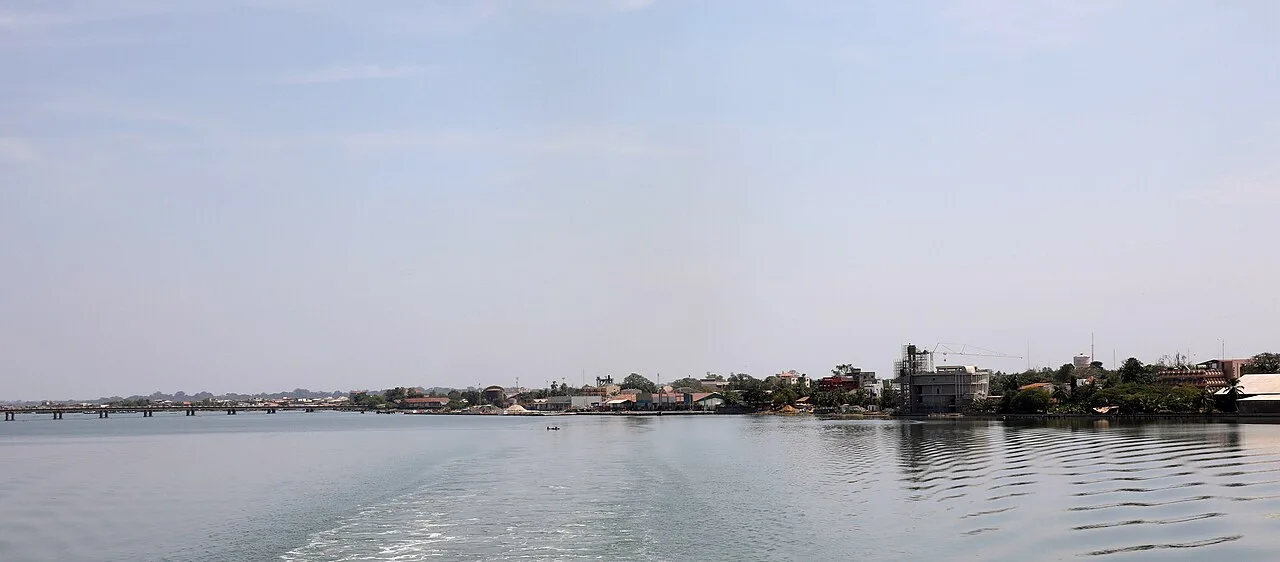
Colonial Center of Ziguinchor
The historic quarters of the city with remnants of Portuguese and French colonial architecture.
Learn more →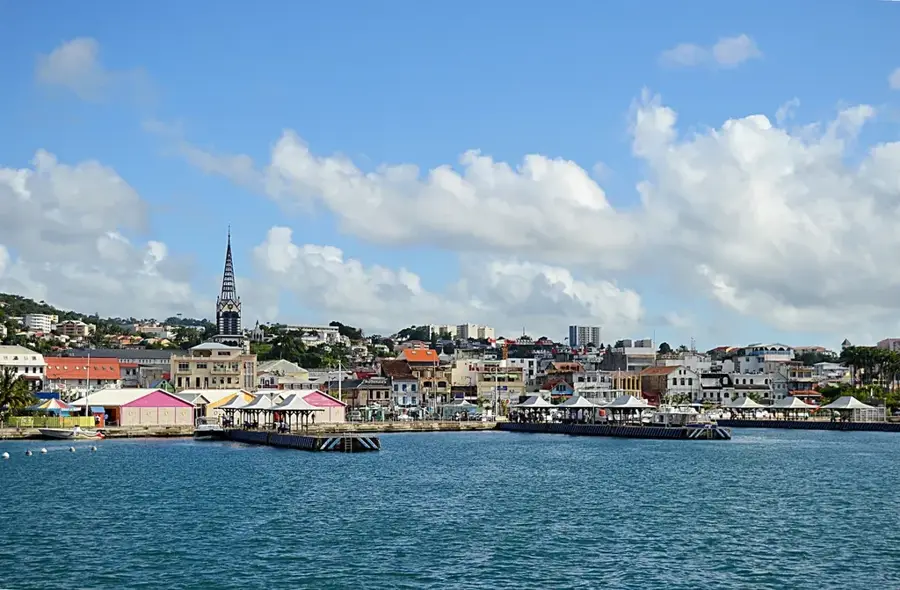
Fort d'Estrées
An old circular fort on Gorée Island that today houses the Historical Museum of Senegal.
Learn more →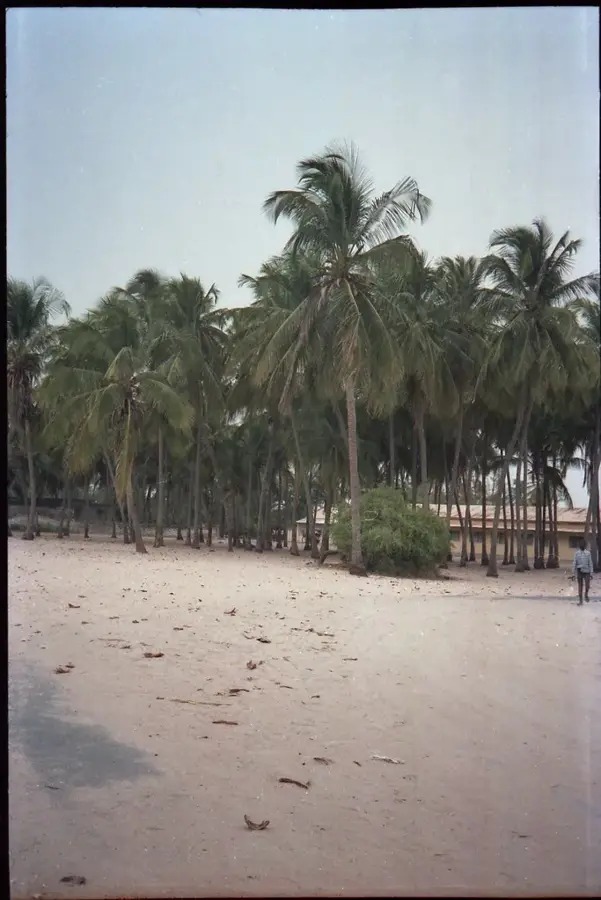
Birthplace of Léopold Sédar Senghor
The historic childhood home of the first president of Senegal, a renowned poet and statesman.
Learn more →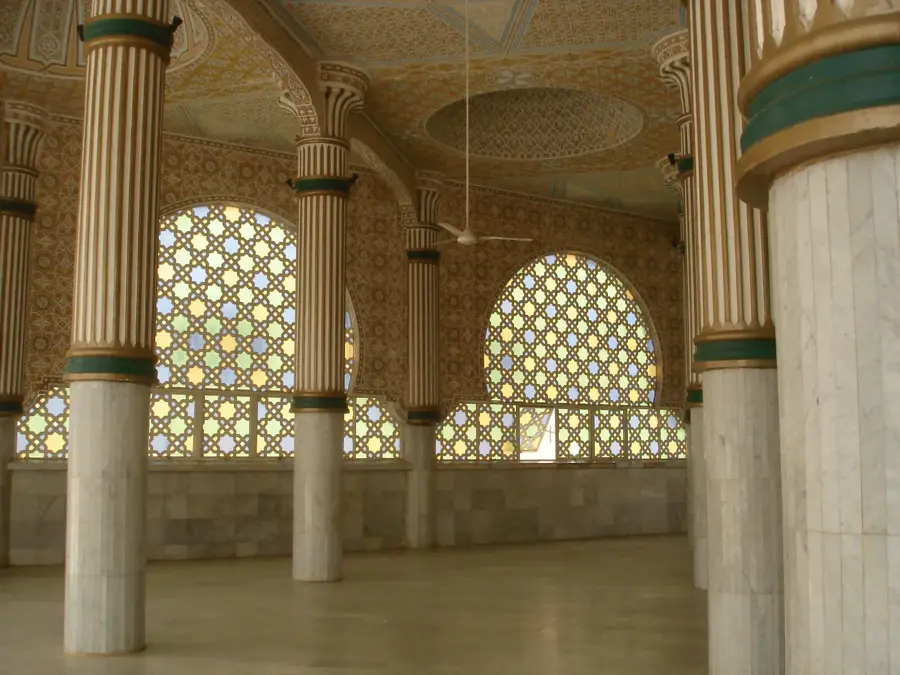
Great Mosque of Touba
One of the largest Islamic buildings in Africa and the spiritual center of the Mouride brotherhood.
Learn more →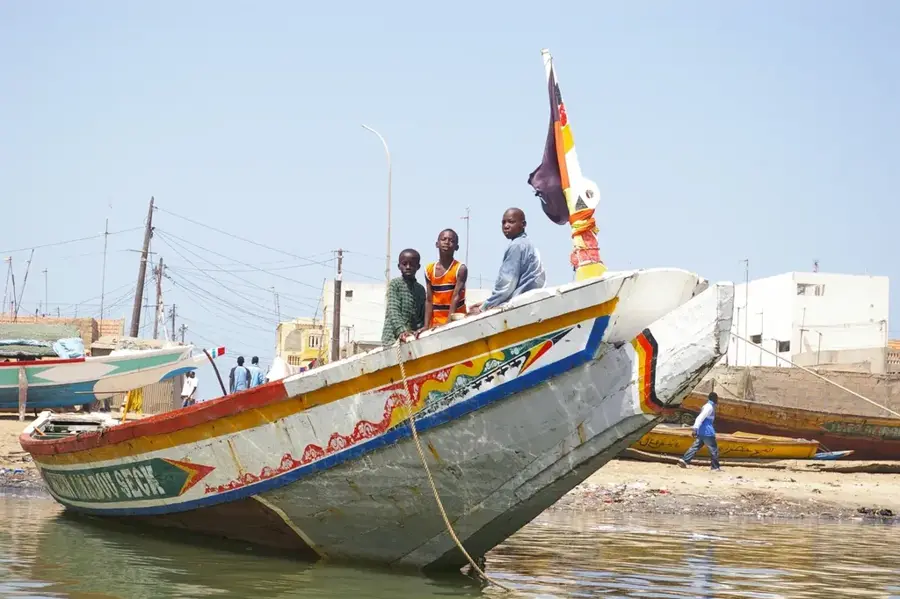
Historic Site of Nder
A place of great historical importance, known for the heroic resistance of the women of Nder.
Learn more →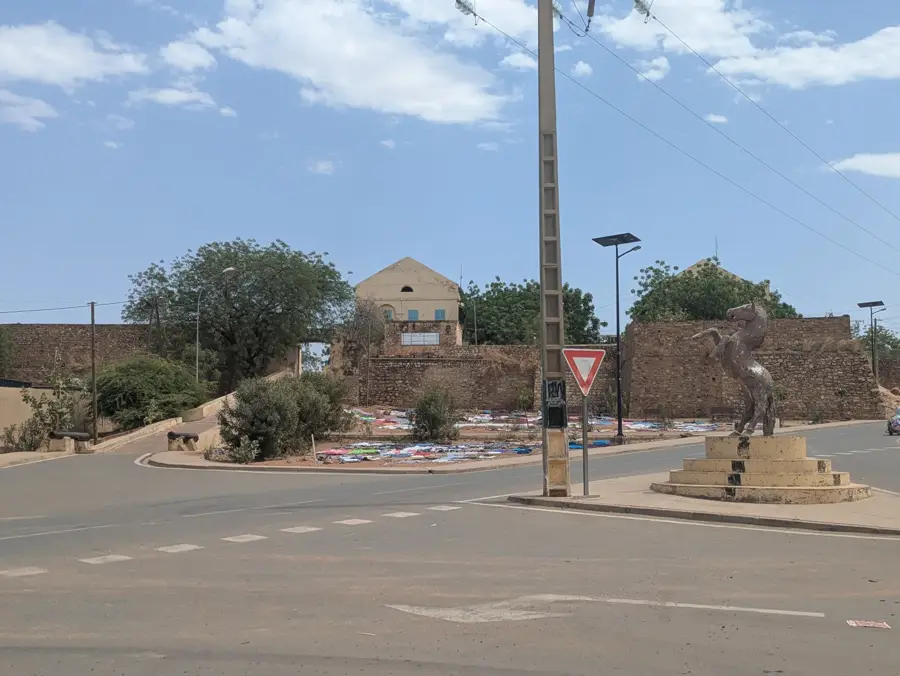
Fort of Bakel
A historic French fortress on the banks of the Senegal River built in the 19th century.
Learn more →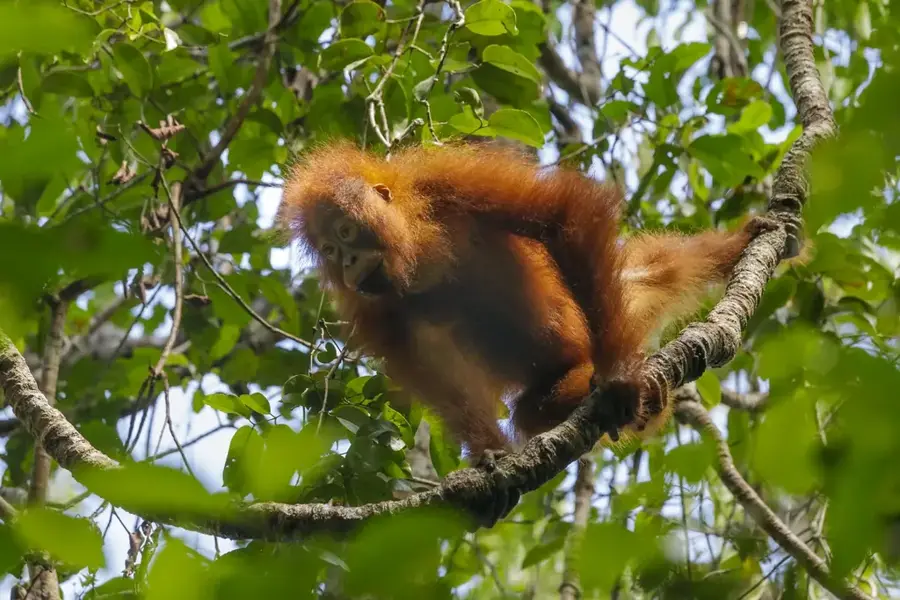
Animal Rehabilitation Center
A center that cares for sick or injured animals before they are released back into the wild.
Learn more →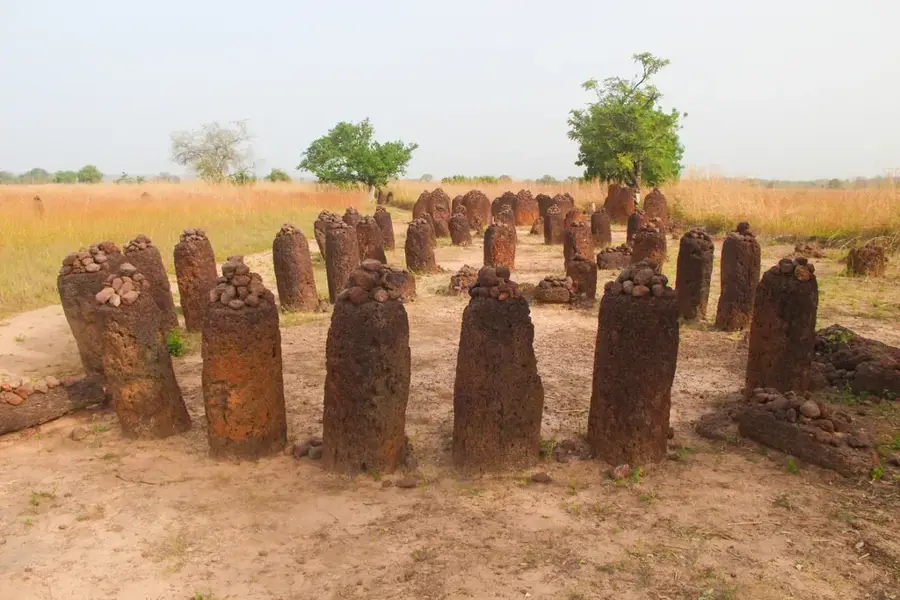
Stone Circles of Wanar
Another significant group of laterite stone circles indicating ancient burial rituals.
Learn more →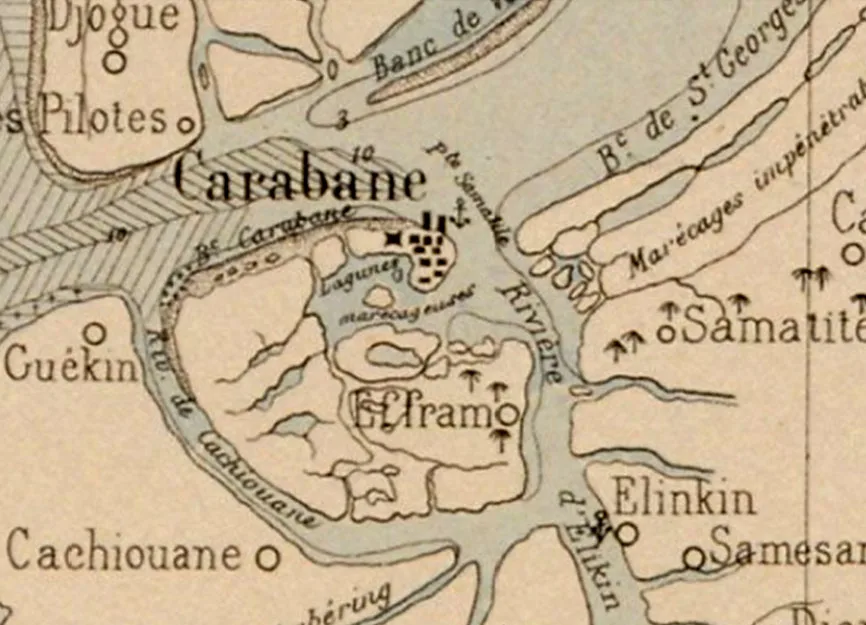
Historic Trading Post of Carabane
Once the first French capital of the Casamance region and a thriving trading center.
Learn more →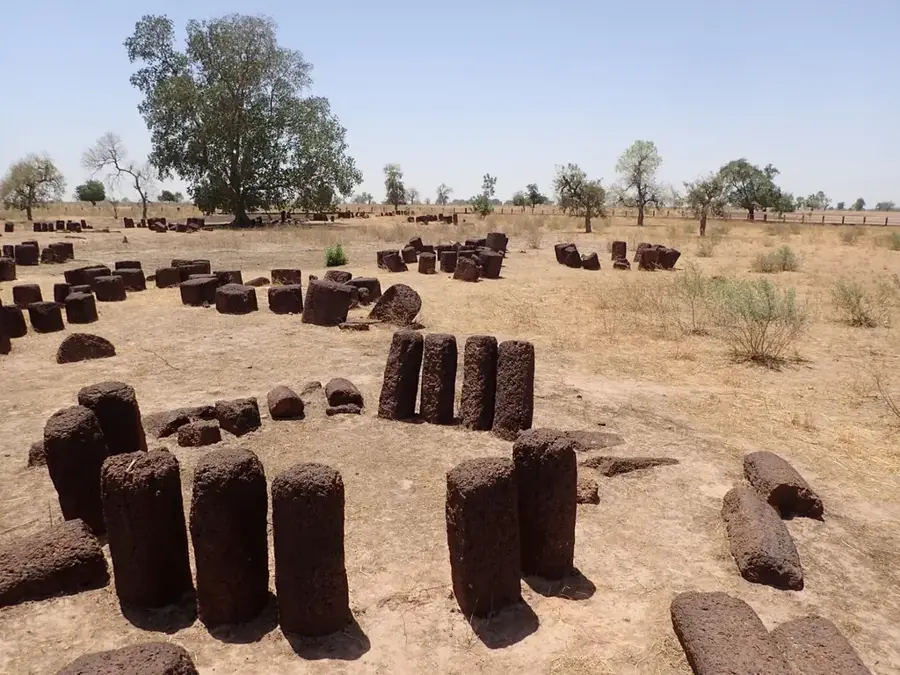
Stone Circles of Sine Ngayène
An impressive archaeological site with hundreds of megalithic stone circles and burial mounds.
Learn more →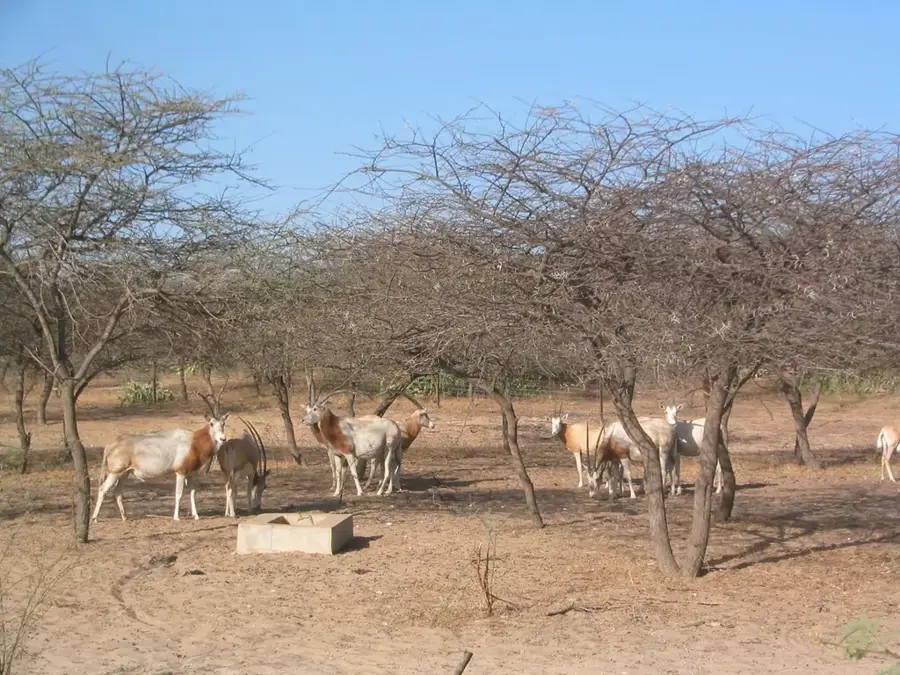
Gueumbeul Reserve
A smaller protected area near Saint-Louis for the conservation of endangered species.
Learn more →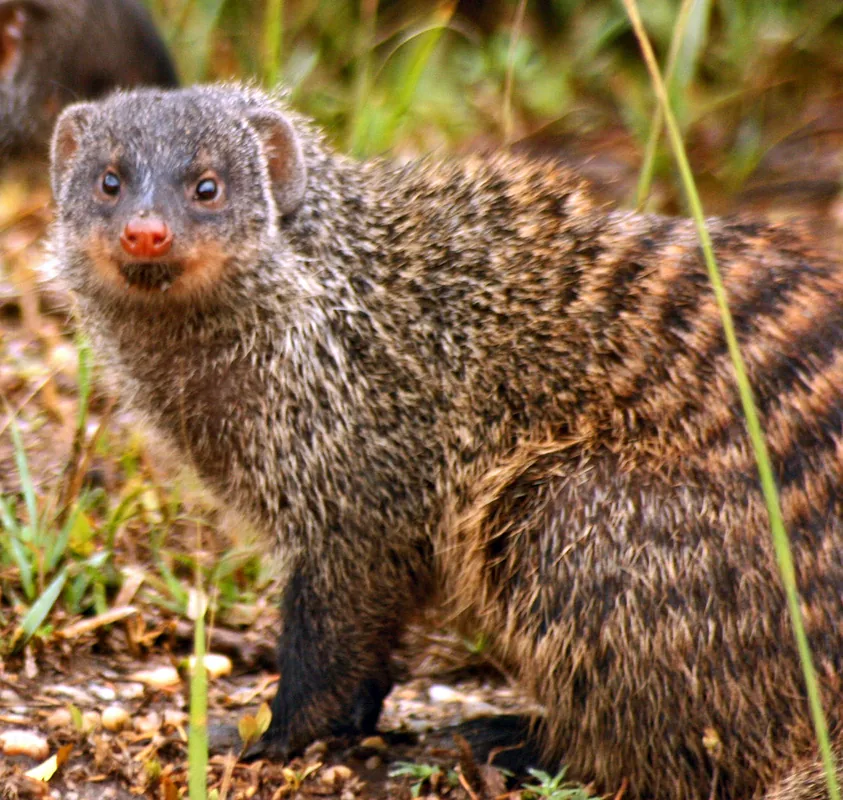
Niayes Depression
A chain of depressions along the Atlantic coast, important for vegetable farming.
Learn more →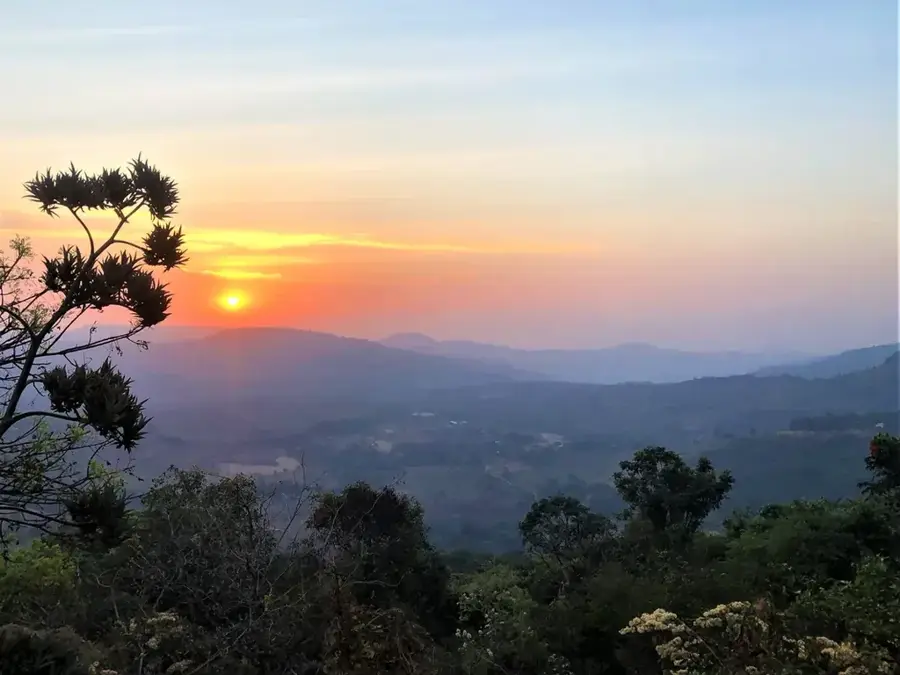
Fouta-Djallon foothills
A hilly terrain in southeastern Senegal that connects to the Guinean highlands.
Learn more →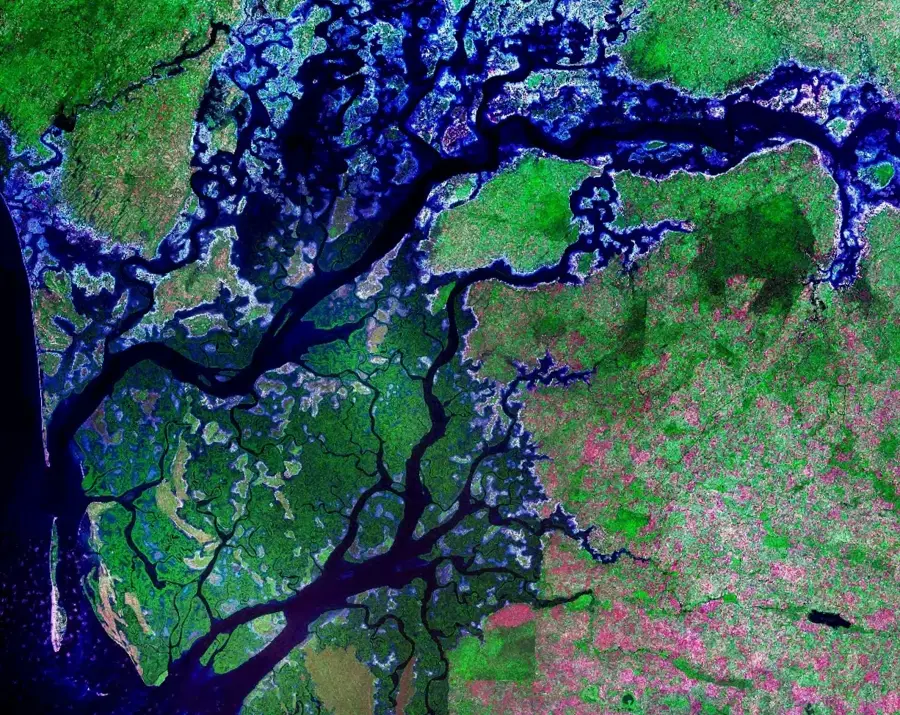
Sacred Site of Sangomar
A place of great animist importance for the Serer people at the tip of a peninsula.
Learn more →Frequently asked questions
What are the top attractions in Senegal?
Among the most popular are Keur Moussa Abbey, Cheikh Anta Diop University Gate, Saint-Louis City Hall, Diamniadio Ministerial Spheres, Great Mosque of Tivaouane and many more – the full top 50 list is on this page.
When is the best time to visit Senegal?
May to October offers the most pleasant weather; July and August are warmest and busiest.