Plizio Visual Lab
Jolmete

ℹ️Practical info — Jolmete
▾
🌤 Weather — 5 days
📍 Nearby
Sights nearby
💡 Tips
- Infrastructure is basic; always carry West African CFA francs as card readers are non-existent.
- Learning a few basic greetings in Crioulo will be highly appreciated by the locals.
- It's best to travel during the dry season, as rural roads become muddy and difficult during the rains.
- Always show respect to village elders and ask permission before taking photographs.
- Bring all essential toiletries and medications, as local shops carry only very basic supplies.
🍽 Food
A rich peanut stew served with rice in local informal eateries
Freshly grilled fish caught from the nearby rivers
Fresh cashews or cashew fruit depending on the season
🛍 Shopping · 🧘 Quiet spots
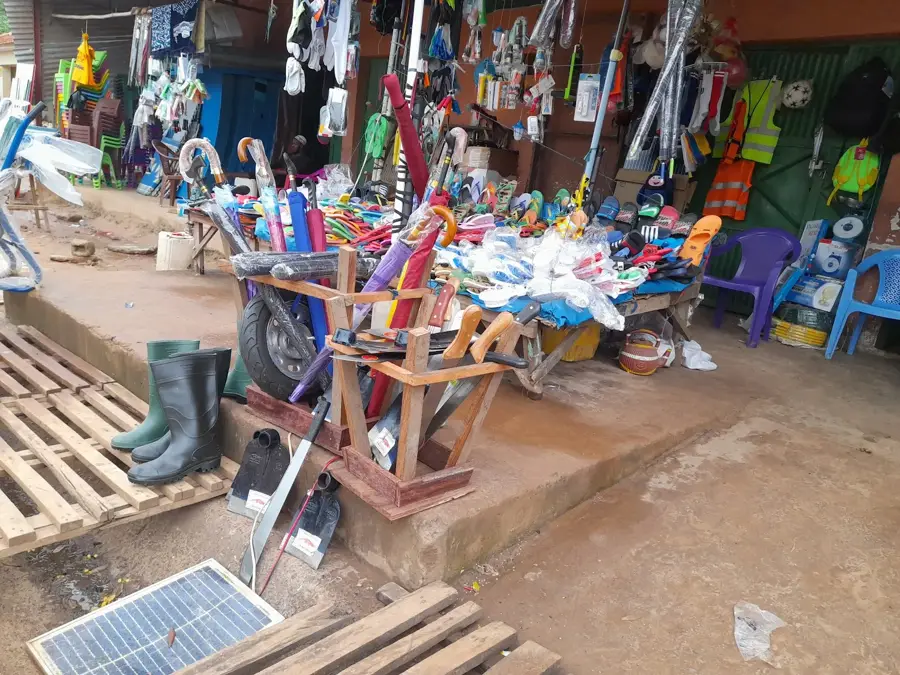
For fresh peanuts, local produce, and basic daily goods
Look out for local artisans selling simple woven fabrics
A serene spot for bird watching and enjoying nature
Peaceful gathering spots on the village outskirts to escape the midday sun
Water temperature…
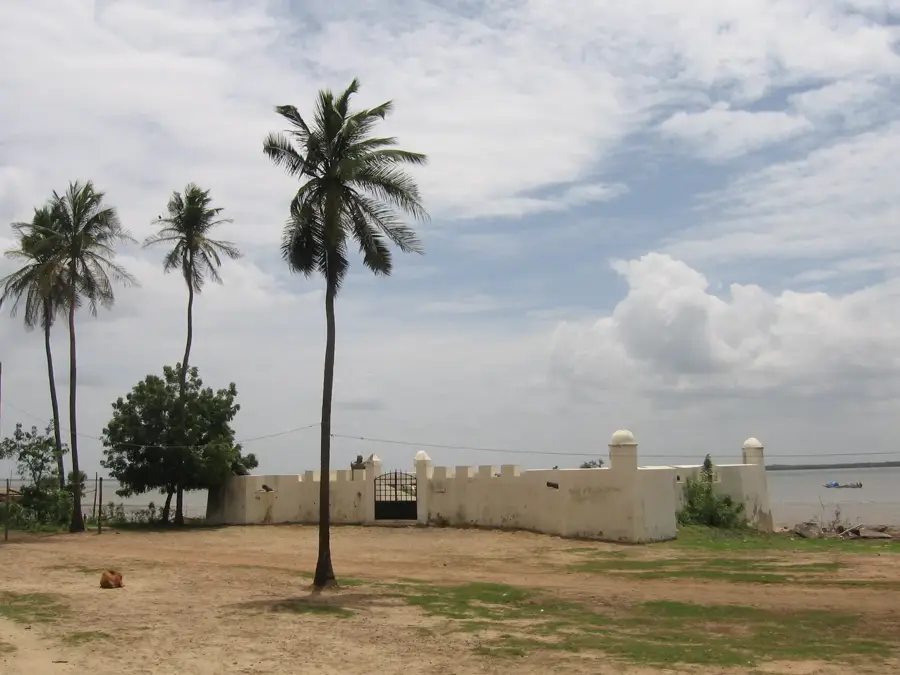
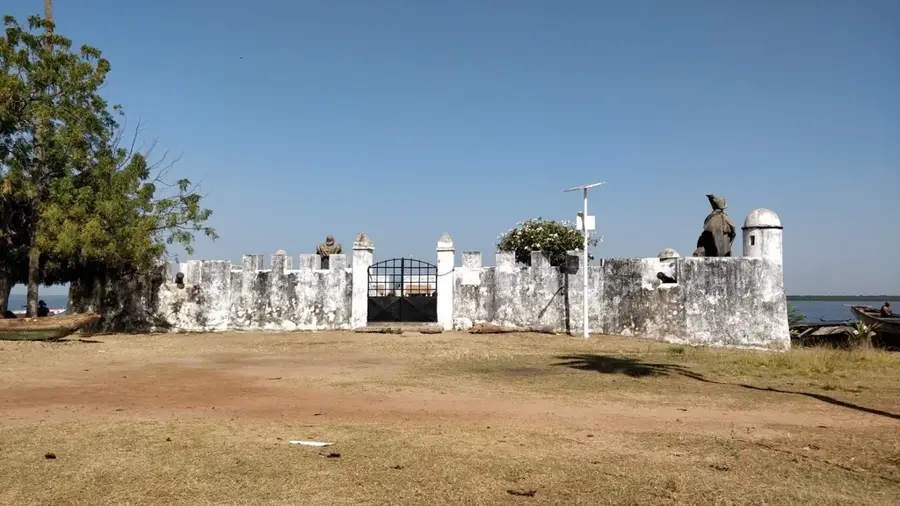
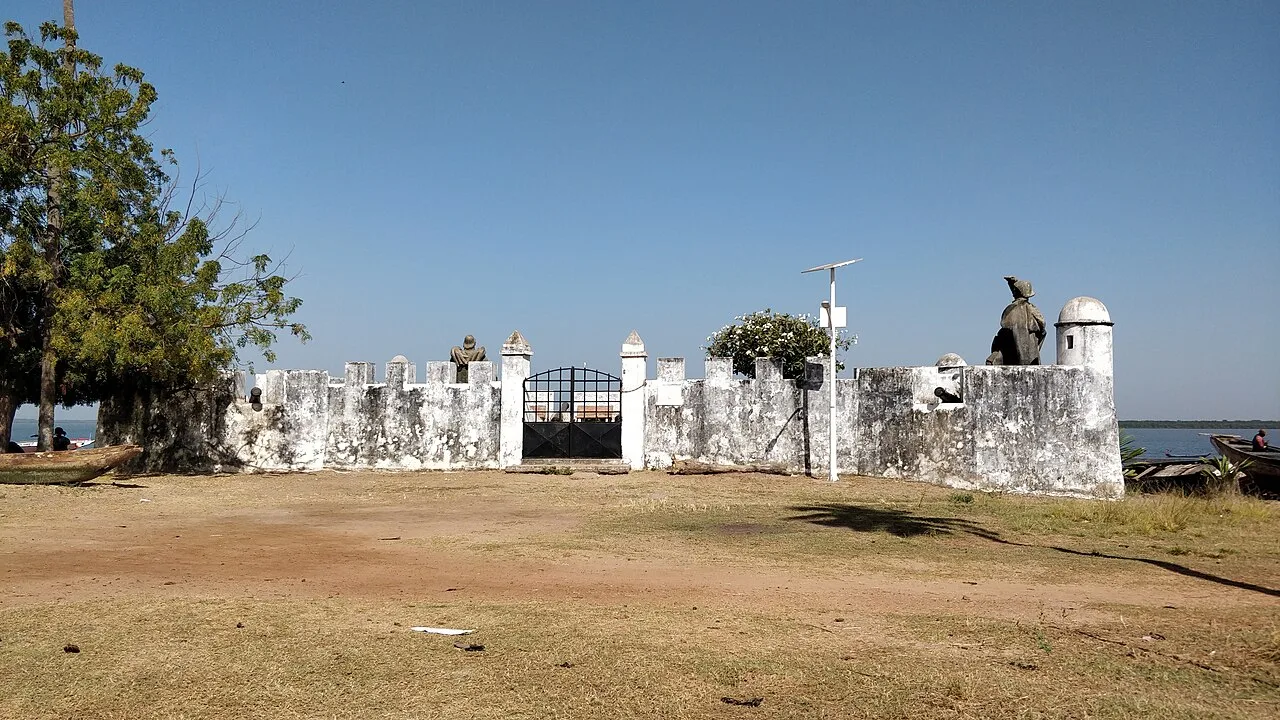
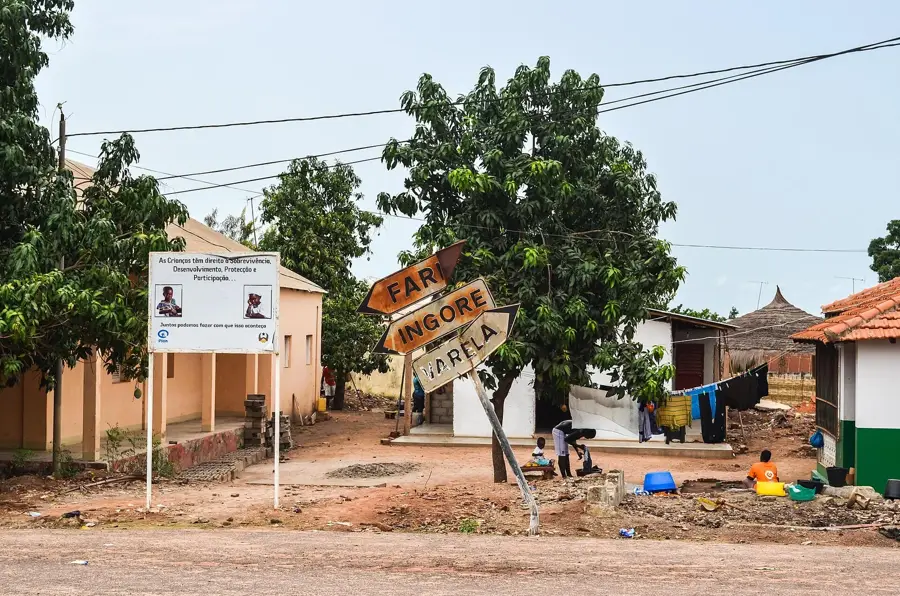
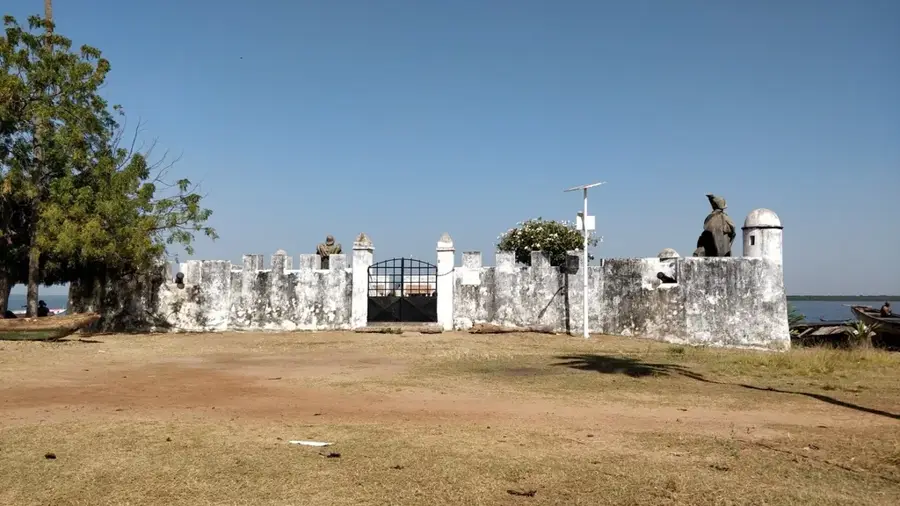
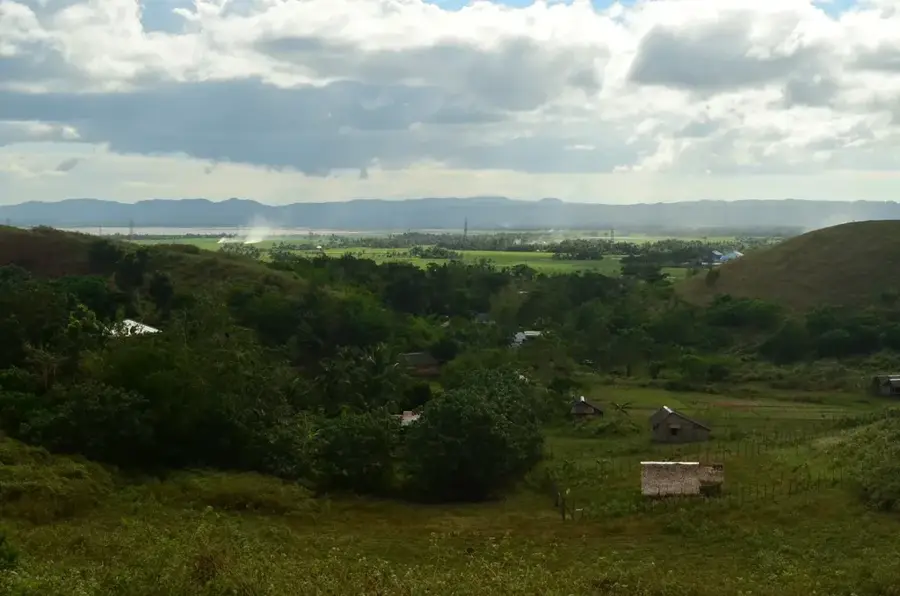
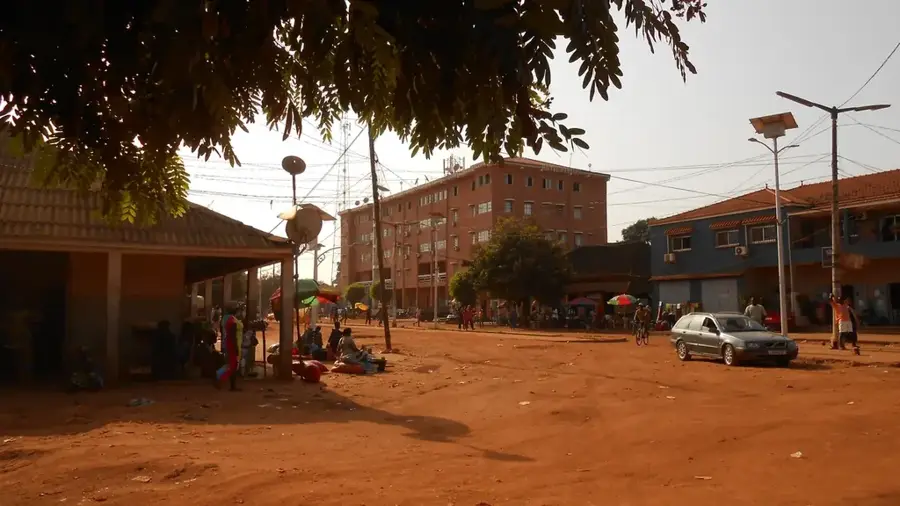
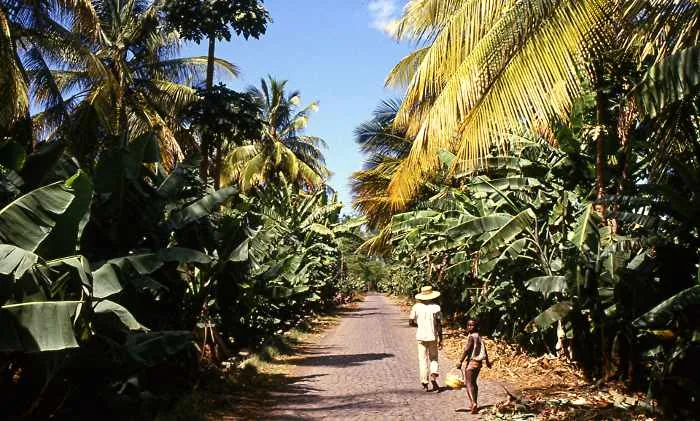
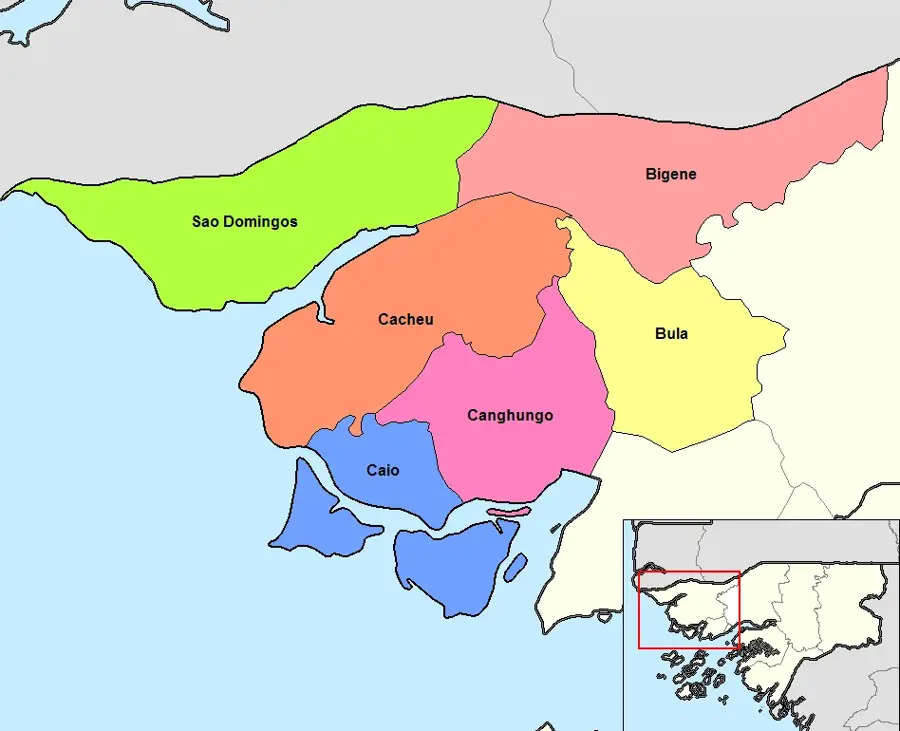
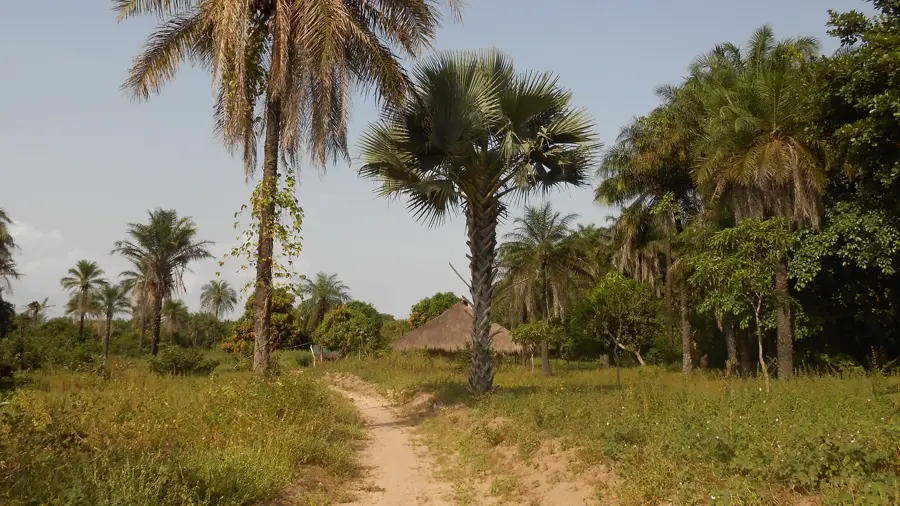
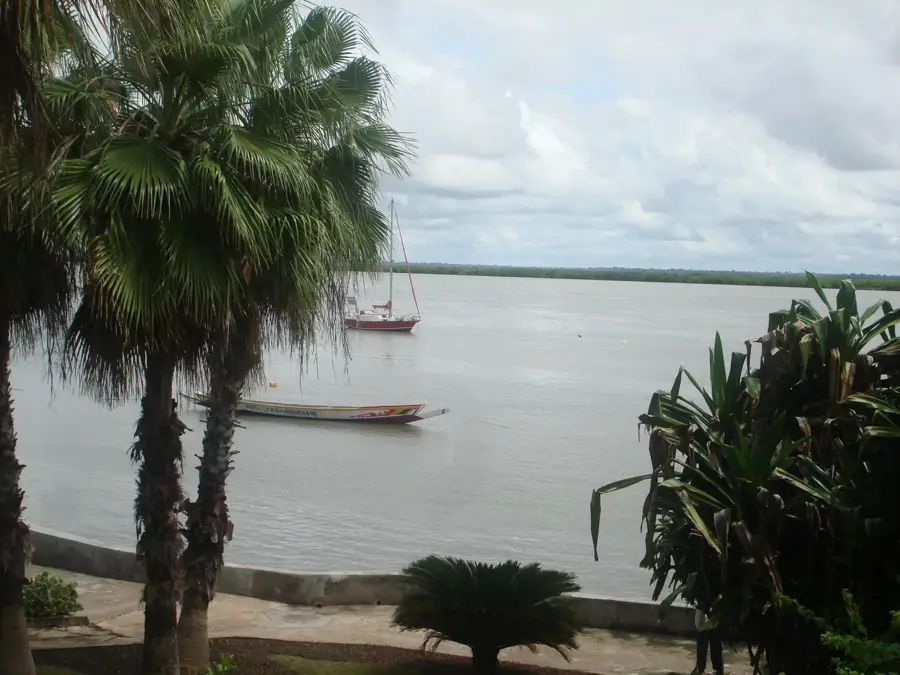
Jolmete is a rural settlement in the Cacheu region, primarily known for its deep integration within the culture of the Manjaco people. The village is situated away from major transportation routes, set in a landscape defined by dense palm groves and fertile rice fields. Jolmete functions as an essential ritual and social center for the surrounding tabancas (village communities). The architecture in Jolmete remains largely traditional, with housing units organized around central ceremonial squares. Economically, the village relies on the production of high-quality palm oil and the cultivation of cashew nuts, with much of the labor organized on a communal basis. Jolmete is celebrated for its preservation of archaic Manjaco customs, particularly those associated with ancestral worship and ritual dances. The area's relative isolation has helped maintain a stable social hierarchy led by community elders. For visitors, Jolmete has an authentic look into the rural life of Guinea-Bissau, far removed from the urban influences of the capital.
- Location: Guinea-Bissau
- Nearby: Cacheu (7 km)
Best time to visit & climate
The most pleasant time to visit is Jan, Feb, Dec.
| Jan | Feb | Mar | Apr | May | Jun | Jul | Aug | Sep | Oct | Nov | Dec | |
|---|---|---|---|---|---|---|---|---|---|---|---|---|
| Avg °C | 24 | 26 | 27 | 27 | 28 | 28 | 27 | 27 | 27 | 28 | 27 | 25 |
| Rain mm | 1 | 0 | 7 | 1 | 10 | 111 | 369 | 494 | 353 | 175 | 11 | 0 |
Geography
Facts
- Jolmete is regarded as one of the most authentic sites of Manjaco culture.
- The village is famous for producing a specialized ritual palm wine.
- The village hierarchy is strictly governed by a council of elders.
- Ancestral shrines (pecub) are a central feature of the town's layout.
- Farming is conducted using time-honored ecological methods.
- Jolmete serves as a regional center for traditional dance instruction.
Explore nearby
Notable places around

Route planner — Car & Motorhome
Where do you start? We build the route here, with stops and country notes along the way.
© OpenStreetMap contributors · OpenRouteService
Frequently asked questions
What characterizes the village of Jolmete?
How do you get to Jolmete?
Which ethnic groups live in Jolmete?
Are there attractions near Jolmete?
Can you see traditional crafts in Jolmete?
Jolmete: where is it located?
Jolmete: when is the best time to visit?
Jolmete: why is it worth visiting?

Nearby cities
History & landmarks
Nature
More places