Plizio Visual Lab
Caió
ℹ️Practical info — Caió
▾
🌤 Weather — 5 days
📍 Nearby
Sights nearby
💡 Tips
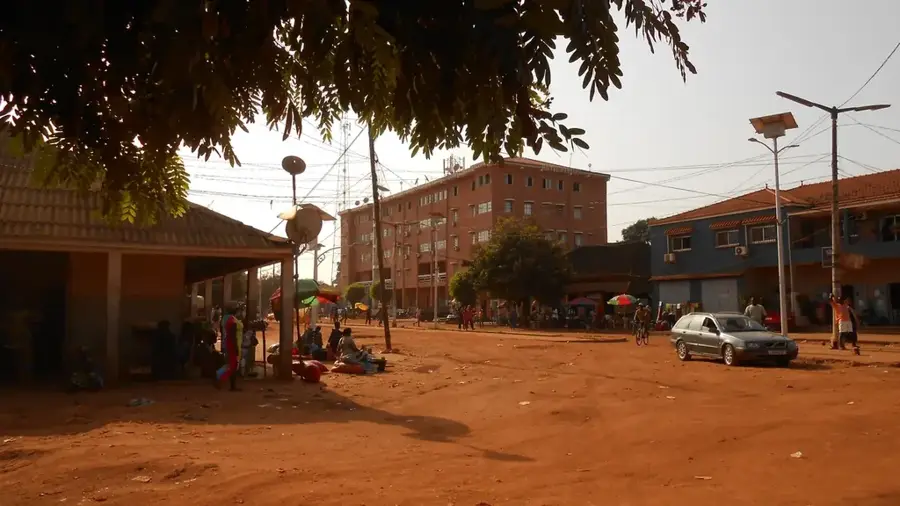
- A 4x4 vehicle is recommended to reach the town, especially during the rainy season when unpaved roads get muddy.
- Cash is essential (CFA Francs); there are no reliable ATMs in this rural area.
- The region is home to the Manjaco people; always ask for permission before photographing locals or traditional shrines.
- Bring strong mosquito repellent, as the coastal mangrove environment attracts many insects.
- Pack all essential medications and supplies, as local pharmacies only stock basics.
🍽 Food
Freshly caught fish grilled over an open fire, often served with rice and palm oil.
Ask locals for fresh oysters harvested from the nearby mangroves when in season.
Try the locally fermented palm wine, usually sold fresh in the morning by tappers.
🛍 Shopping · 🧘 Quiet spots
Look for locally crafted baskets made from palm leaves in the village center.
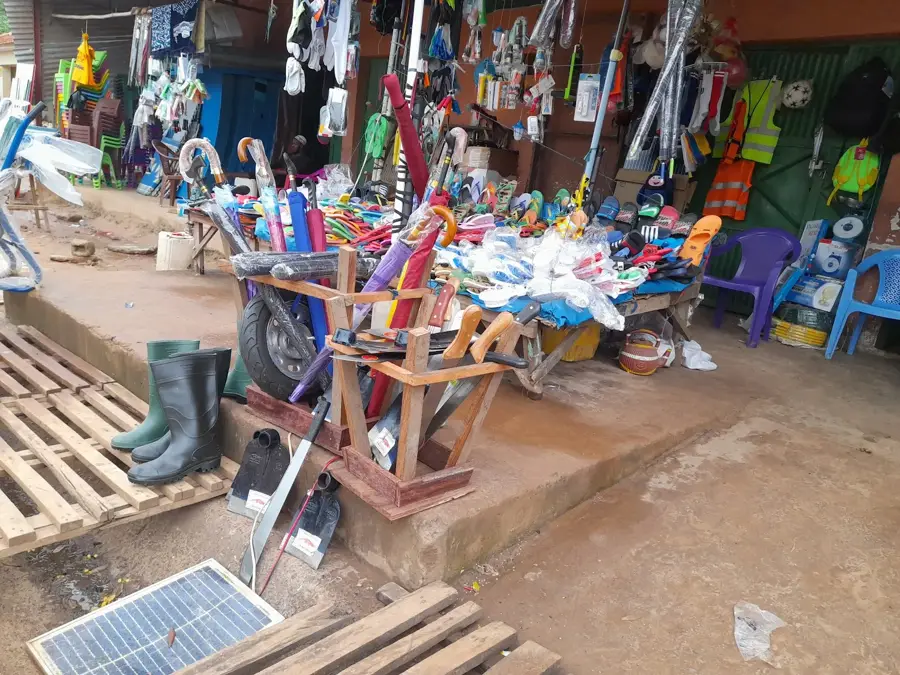
Buy fresh tropical fruits and peanuts directly from vendors at the informal local market.
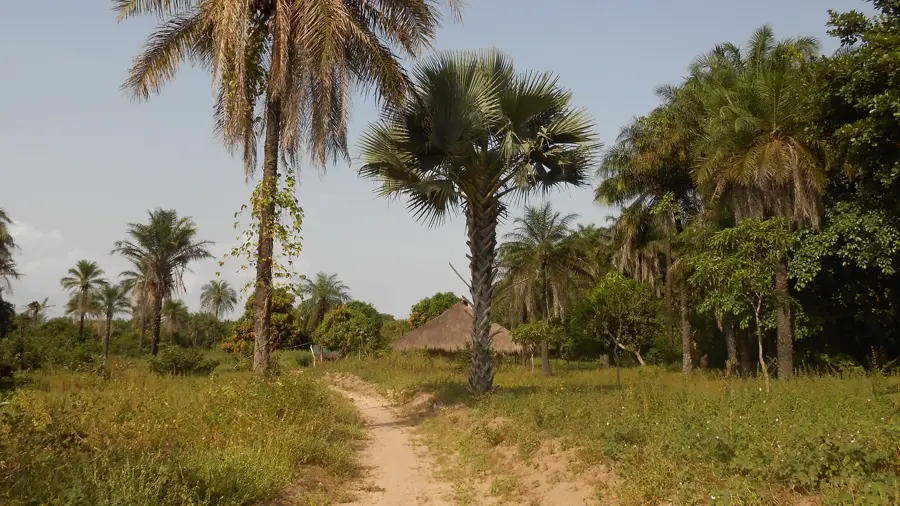
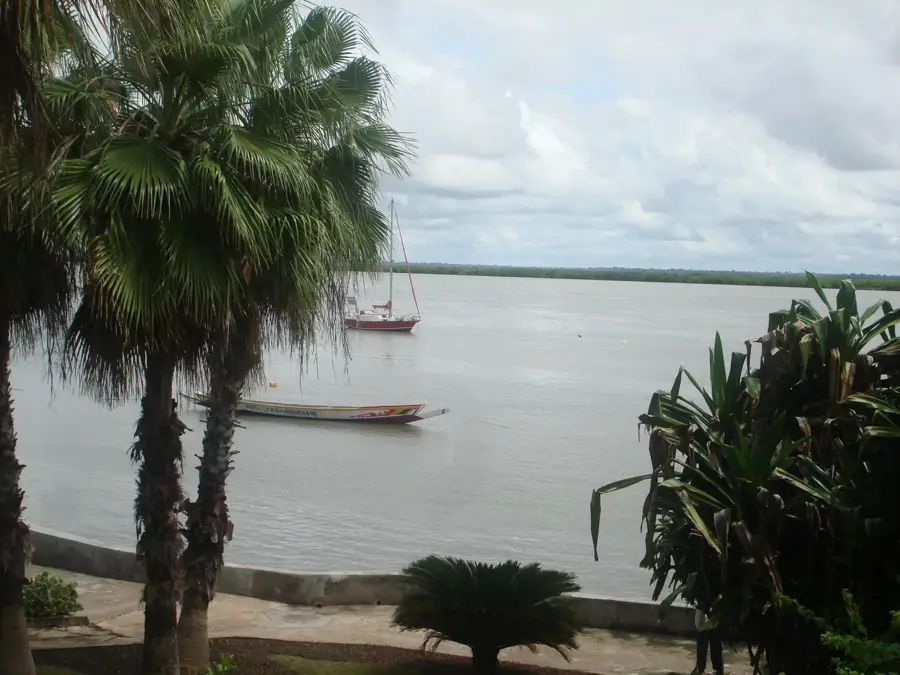
Take a peaceful walk near the coastal mangroves, a great spot for birdwatching.
Wander slightly out of the main center to find calm, shaded spots under large baobab or kapok trees.
Water temperature…
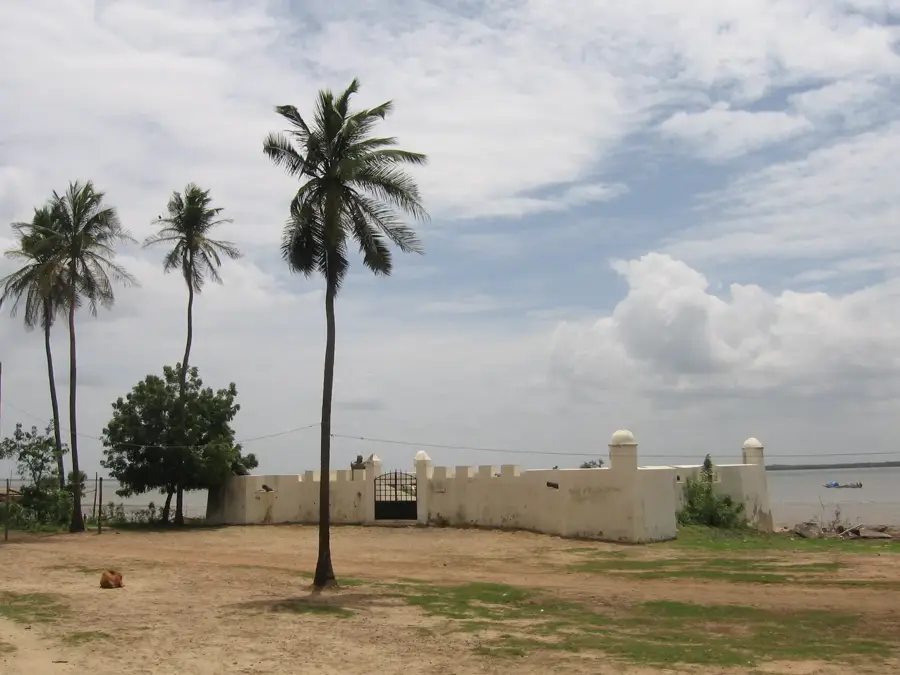
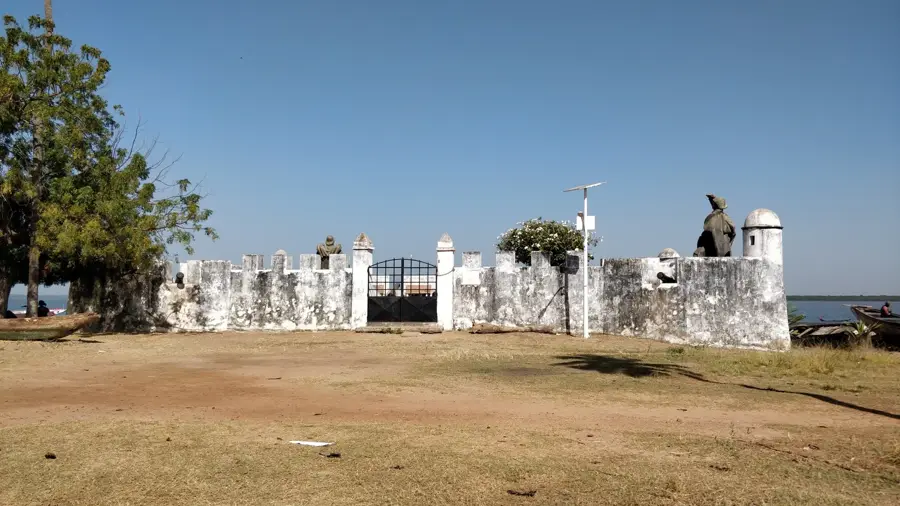
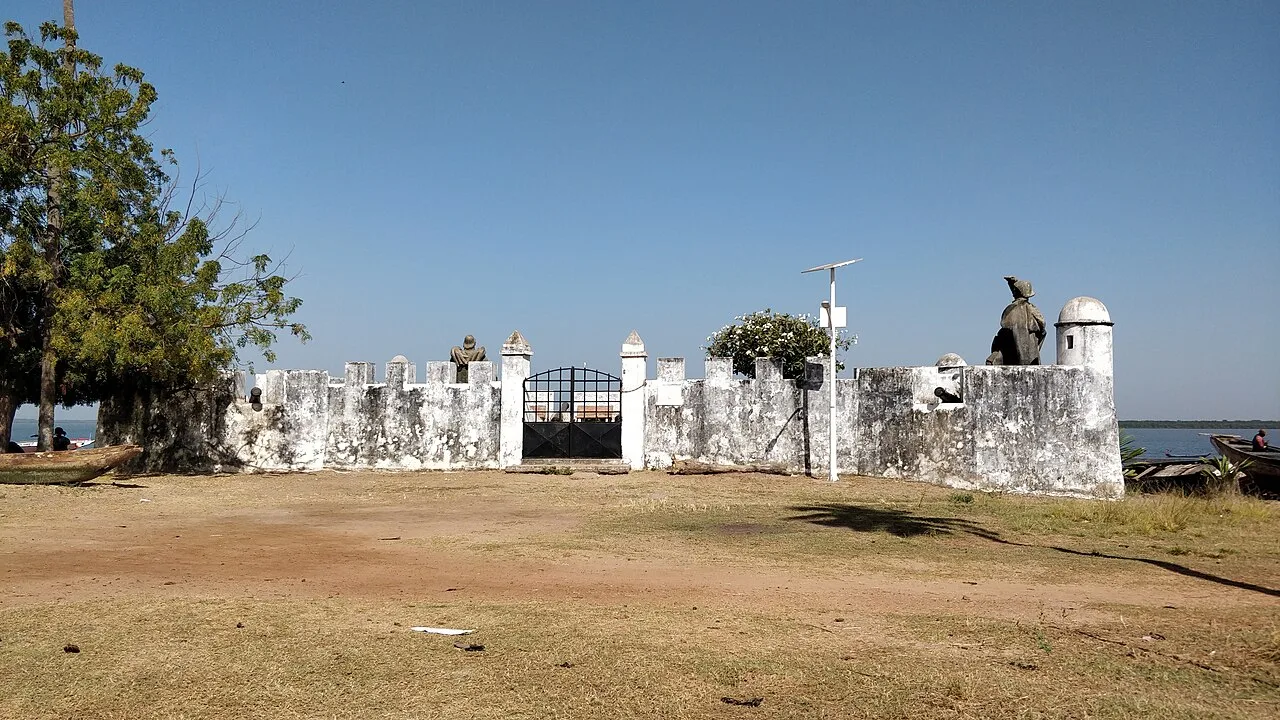
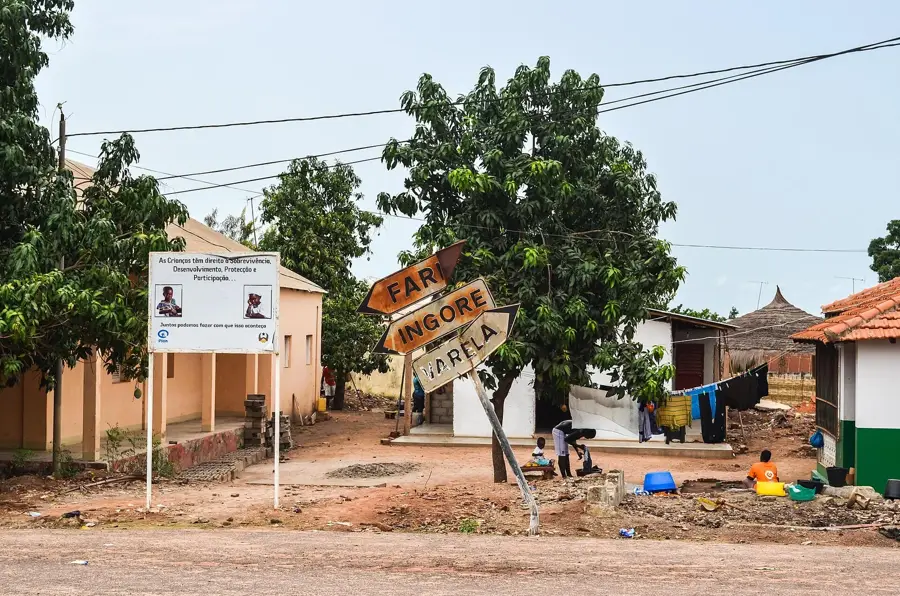
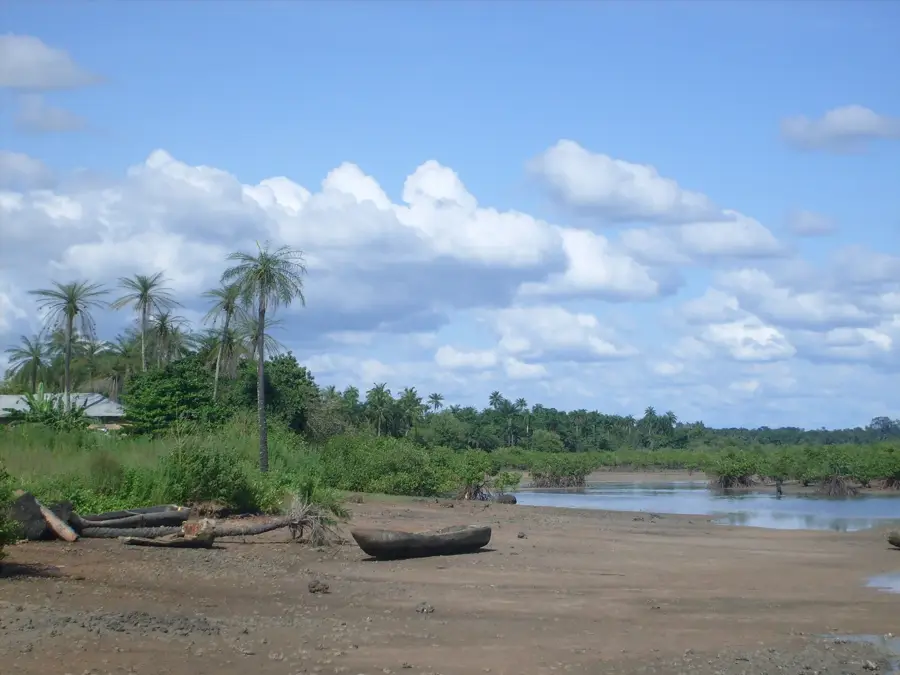
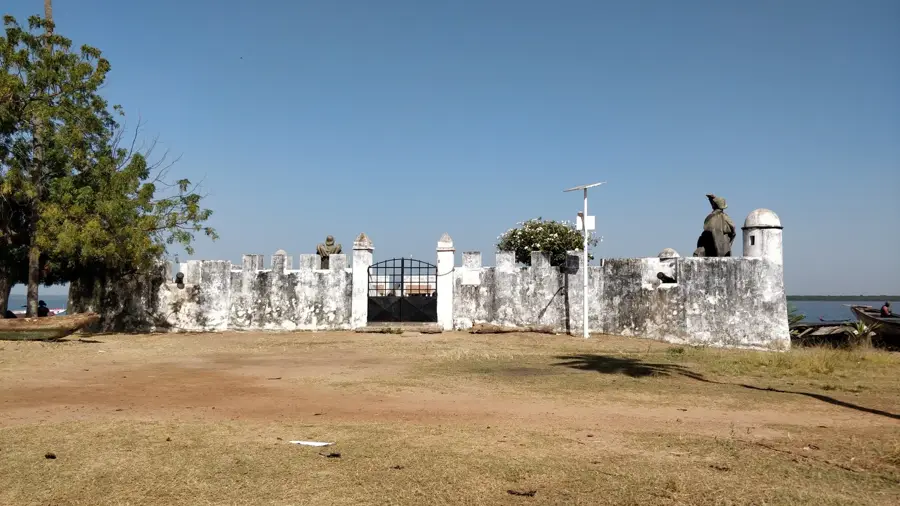
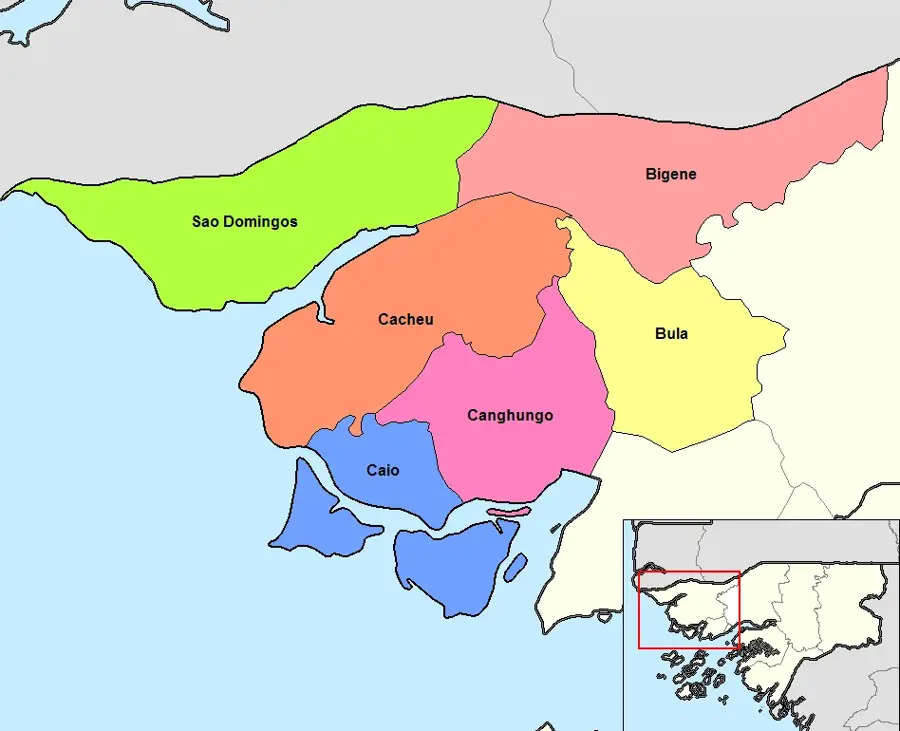
Caió is a coastal town in the Cacheu Region of northwestern Guinea-Bissau, distinguished by its profound connection to the traditional culture of the Manjaco people. The town is situated in an ecologically diverse area defined by vast mangrove forests, tidal creeks, and the proximity of the Atlantic Ocean. The local economy is built on a combination of artisanal fishing and agriculture, with palm oil production and cashew nut cultivation serving as primary livelihoods. Historically, Caió's relative isolation and difficult marshy terrain allowed indigenous traditions to remain resilient against colonial influences for centuries. The community's social structure is intricately linked to traditional kingdoms and religious ceremonies that preserve the cultural heritage of the region. Despite the lack of modern infrastructure and paved access roads, Caió has emerged as a vital center for the preservation of the Manjaco language and customs. The surrounding wetlands are also a critical habitat for numerous migratory bird species and marine life, giving the area significant ecological value.
- Location: Guinea-Bissau
- Nearby: Canchungo (25 km)
- Population: ~1.398 (2023)
Best time to visit & climate
The most pleasant time to visit is Jan, Feb, Dec.
| Jan | Feb | Mar | Apr | May | Jun | Jul | Aug | Sep | Oct | Nov | Dec | |
|---|---|---|---|---|---|---|---|---|---|---|---|---|
| Avg °C | 24 | 26 | 27 | 27 | 28 | 28 | 27 | 27 | 27 | 28 | 27 | 25 |
| Rain mm | 1 | 0 | 7 | 1 | 10 | 111 | 369 | 494 | 353 | 175 | 11 | 0 |
Geography
Facts
- Part of the Caió Sector within the Cacheu administrative region.
- Located at the estuary zone where tidal rivers meet the Atlantic.
- A primary heartland for the traditional Manjaco culture and language.
- Key producer of artisanal palm oil for the regional market.
- Road access is often restricted due to the complex marshy landscape.
- The nearby sacred groves are essential for ancestral religious rites.
Explore nearby
Notable places around



Route planner — Car & Motorhome
Where do you start? We build the route here, with stops and country notes along the way.
© OpenStreetMap contributors · OpenRouteService
Frequently asked questions
Where is Caió located?
Can you swim there?
How is the access to the coastal town?
What is the most important festival?
Are there hotels there?
Caió: where is it located?
Caió: when is the best time to visit?
Caió: why is it worth visiting?

Nearby cities
History & landmarks
Nature
More places