Plizio Visual Lab
Bigene
ℹ️Practical info — Bigene
▾
🌤 Weather — 5 days
📍 Nearby
Sights nearby
💡 Tips
- Travel during the dry season, as the unpaved roads to this border town become very difficult to navigate during the rains.
- Have local currency (CFA francs) ready, as banking infrastructure is minimal to non-existent.
- Portuguese and Kriol are the main languages; basic greetings in Kriol will go a long way.
- Be prepared for simple conditions; electricity and running water can be intermittent.
🍽 Food
During the season, try the fresh cashew apple or the locally fermented wine.
A traditional Guinean chicken or fish stew with a rich peanut sauce, found at small local eateries.
Usually fresh catch from regional rivers, served simply at roadside spots.
🛍 Shopping · 🧘 Quiet spots
Guinea-Bissau is a major producer; buy them fresh and cheap at the local market.
Colourful fabrics used for traditional clothing, sold by village merchants.
Wander through the peaceful cashew farms that surround the town.
Enjoy a quiet walk as the intense daytime heat finally breaks.
Water temperature…
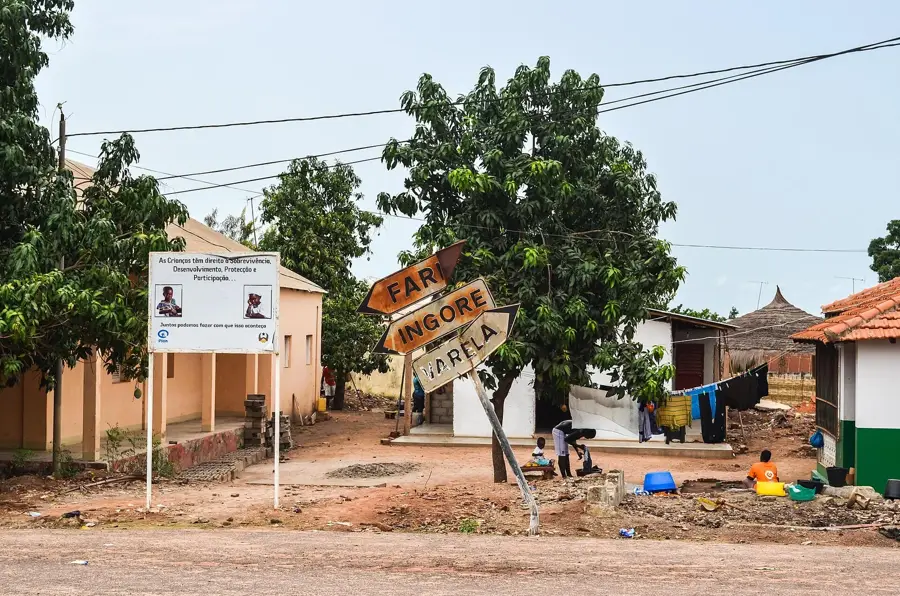
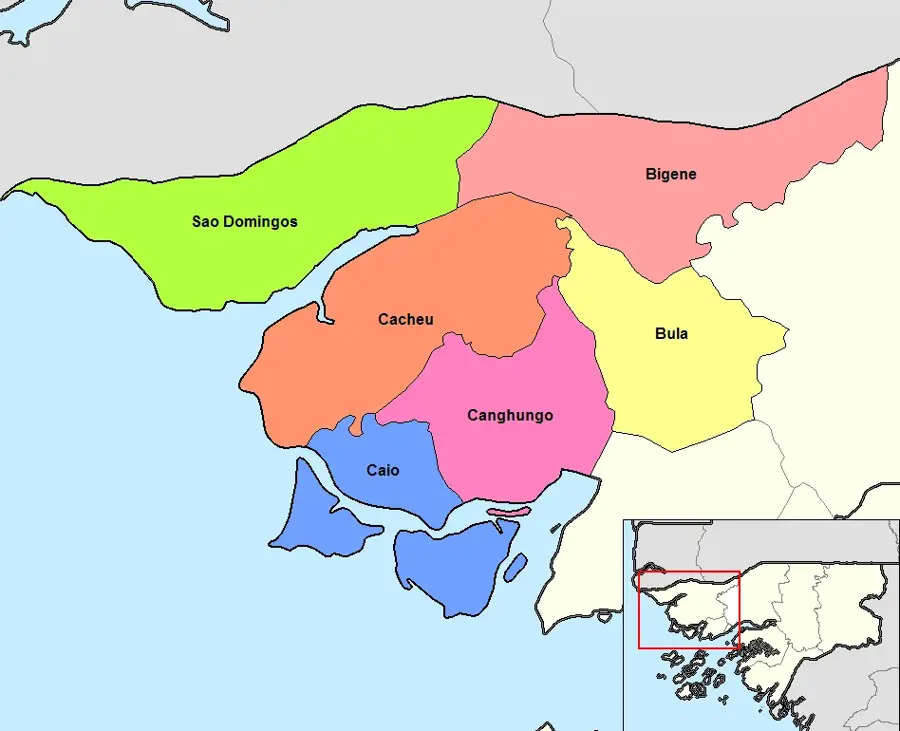
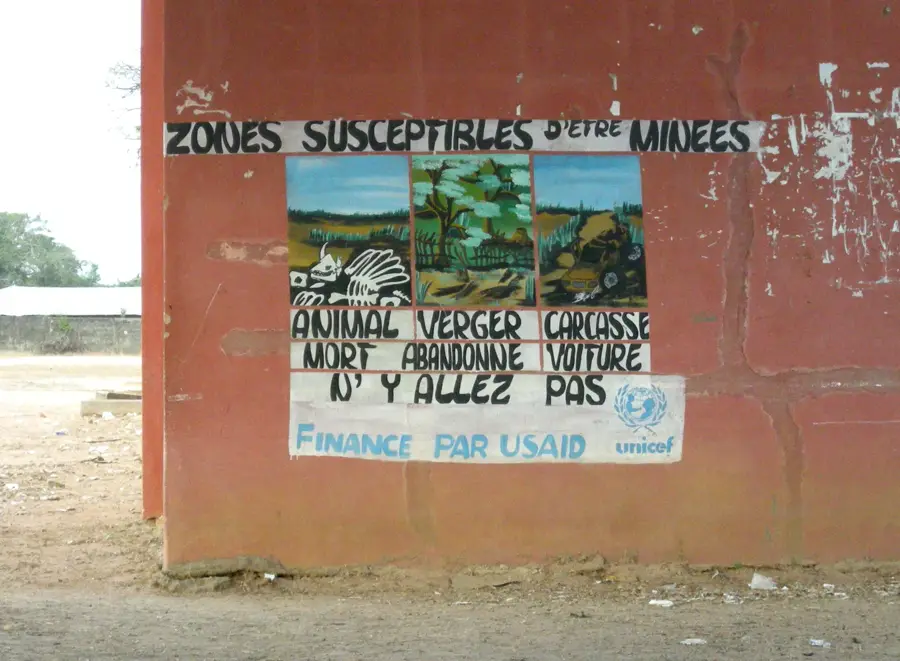
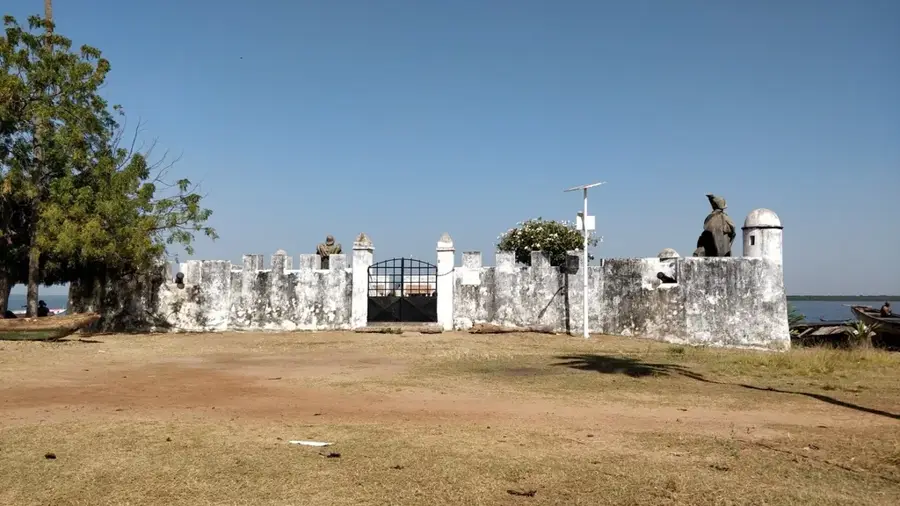
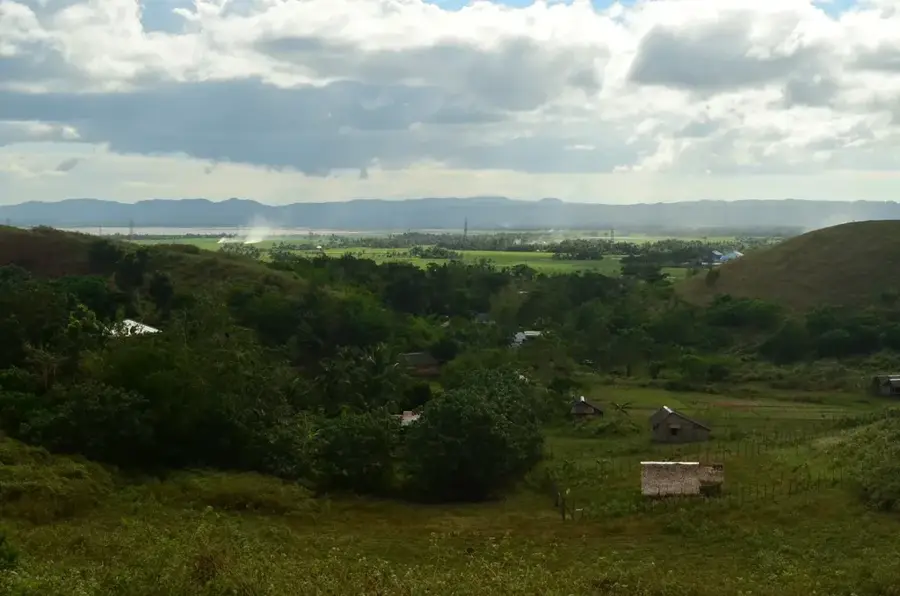
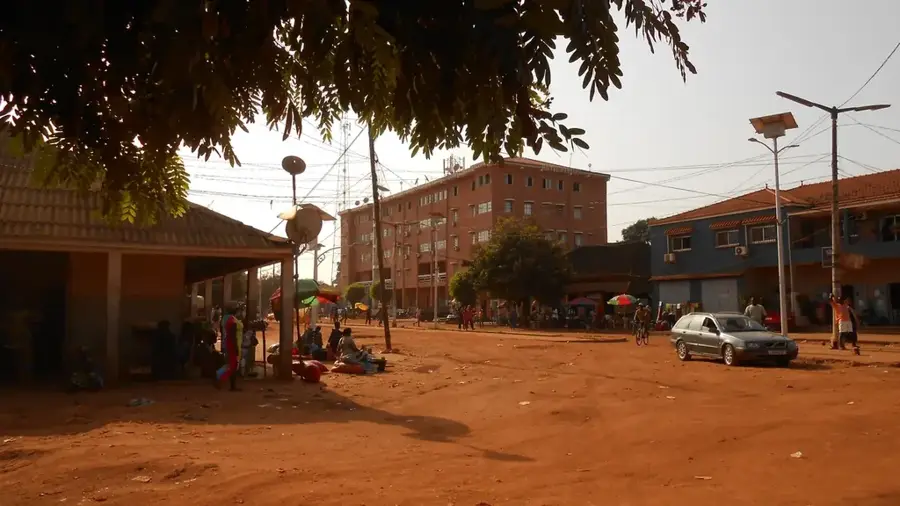
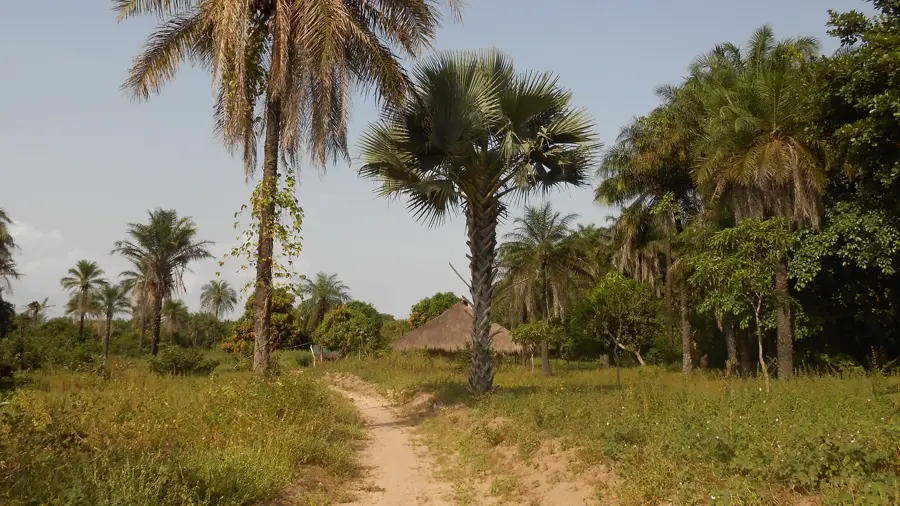
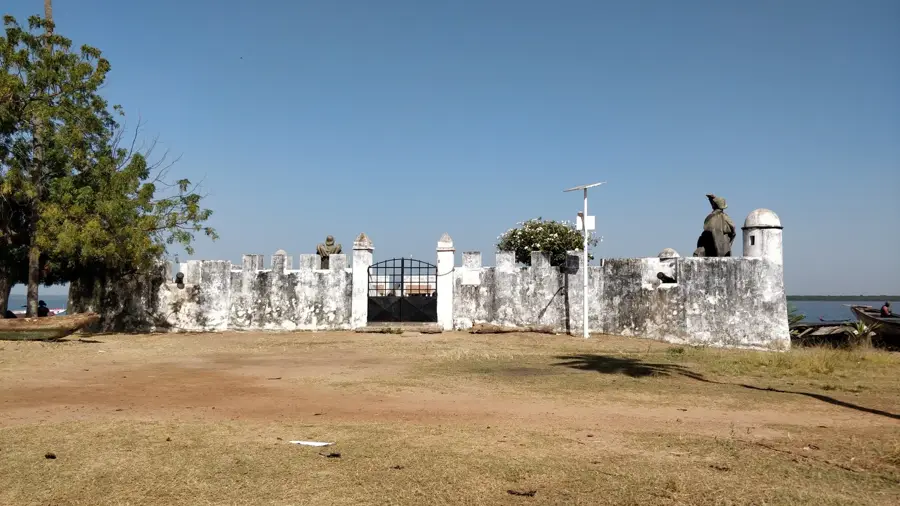
Bigene is a remote border town in the Cacheu Region of northern Guinea-Bissau, situated directly on the frontier with Senegal. Due to its geographic location, Bigene serves as a significant transit point for cross-border trade and migration movements. The landscape is dominated by savannas and open woodlands that extend toward the Casamance region. Historically, the town was often affected by instability during the armed conflict in Casamance, acting as a retreat or supply route for various groups. The economy is primarily based on subsistence farming, livestock rearing, and the trade of cashew nuts. Infrastructure in Bigene is less developed compared to coastal regions, which complicates access to essential services. Nevertheless, the town plays a critical role in regional security and diplomatic relations between Guinea-Bissau and Senegal along the northern border. The population is ethnically diverse, with Mandinka and Fula people forming the majority, which is reflected in the local language and cultural practices.
- Location: Guinea-Bissau
- Nearby: Ingoré (14 km)
Best time to visit & climate
The most pleasant time to visit is Jan, Feb, Dec.
| Jan | Feb | Mar | Apr | May | Jun | Jul | Aug | Sep | Oct | Nov | Dec | |
|---|---|---|---|---|---|---|---|---|---|---|---|---|
| Avg °C | 24 | 26 | 28 | 29 | 29 | 29 | 27 | 26 | 26 | 27 | 26 | 23 |
| Rain mm | 1 | 0 | 15 | 2 | 9 | 108 | 312 | 438 | 315 | 133 | 8 | 0 |
Geography
Facts
- Bigene is a sector headquarters in the Cacheu Region on the Senegal border.
- The distance to the capital, Bissau, is approximately 160 kilometers.
- The region was frequently a site of tensions related to the Casamance conflict.
- Cashew nuts are the primary export commodity for local farmers.
- The official language is Portuguese, but Mandinka and Fula are widely spoken.
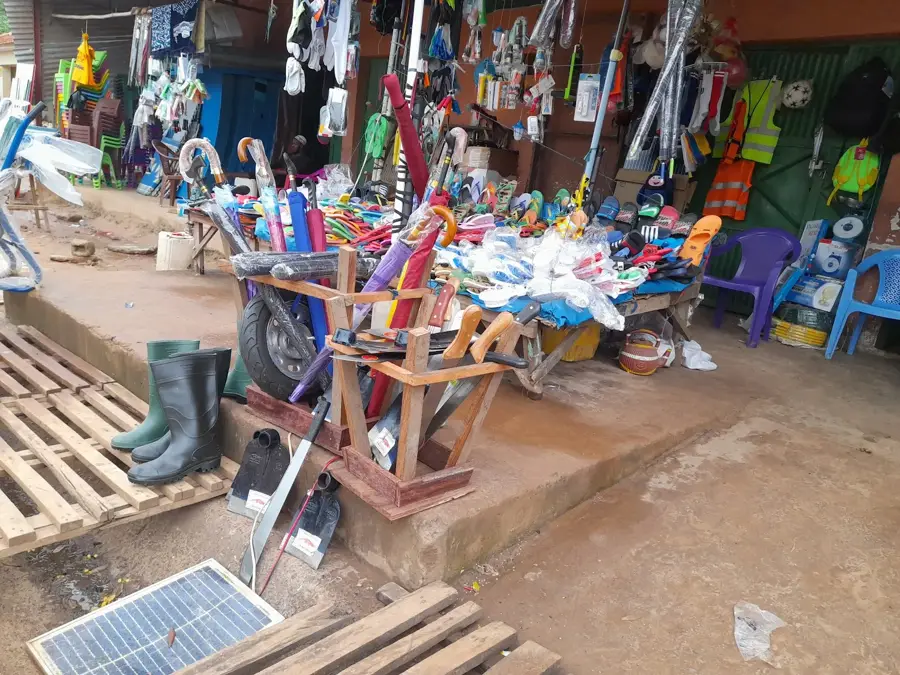
- Bigene hosts a weekly market dedicated to cross-border trade.
Explore nearby
Notable places around



Route planner — Car & Motorhome
Where do you start? We build the route here, with stops and country notes along the way.
© OpenStreetMap contributors · OpenRouteService
Frequently asked questions
What is Bigene?
Key feature?
How to get there?
Worth a visit?
Accommodation?
Bigene: where is it located?
Bigene: when is the best time to visit?
Bigene: why is it worth visiting?

Nearby cities

History & landmarks
Nature
More places