Plizio Visual Lab

Al-Asfar Lake

Plizio editorial teamData Sources
Lake
—°3
Al-Asfar Lake (Saudi Arabia)

Weather…

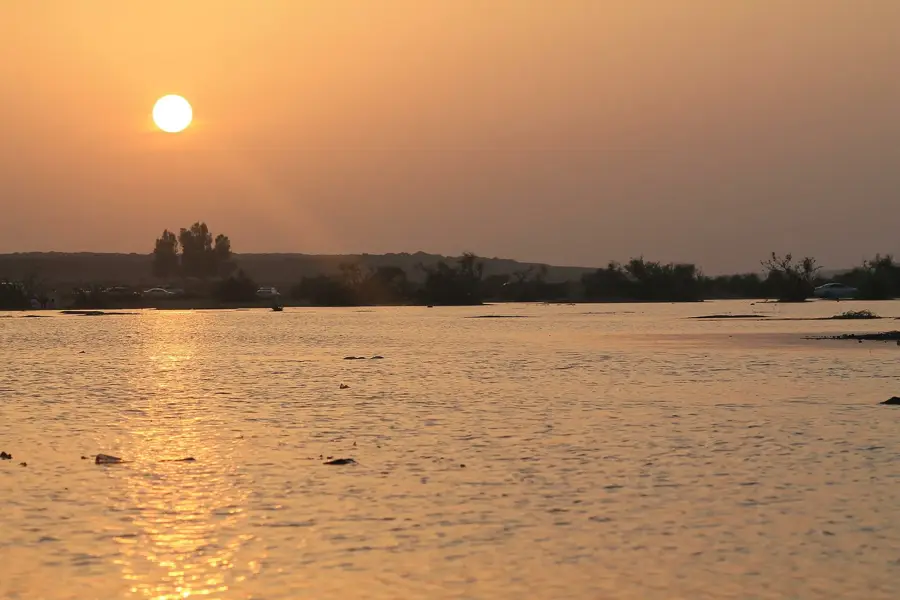
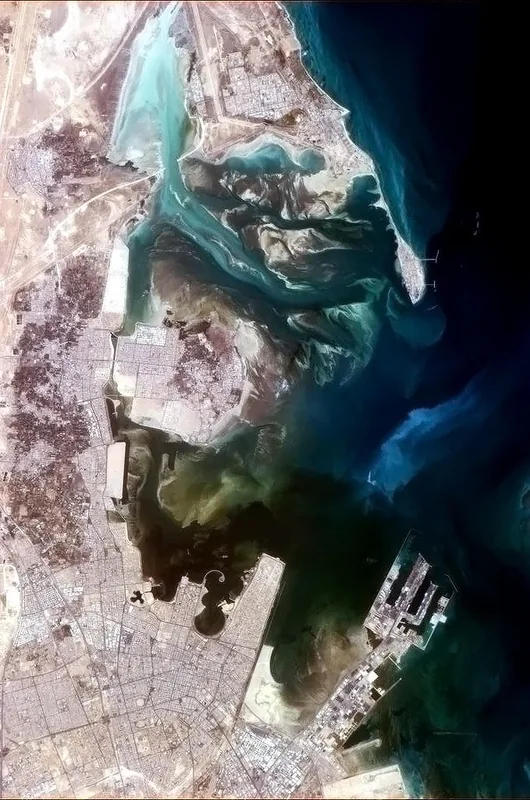
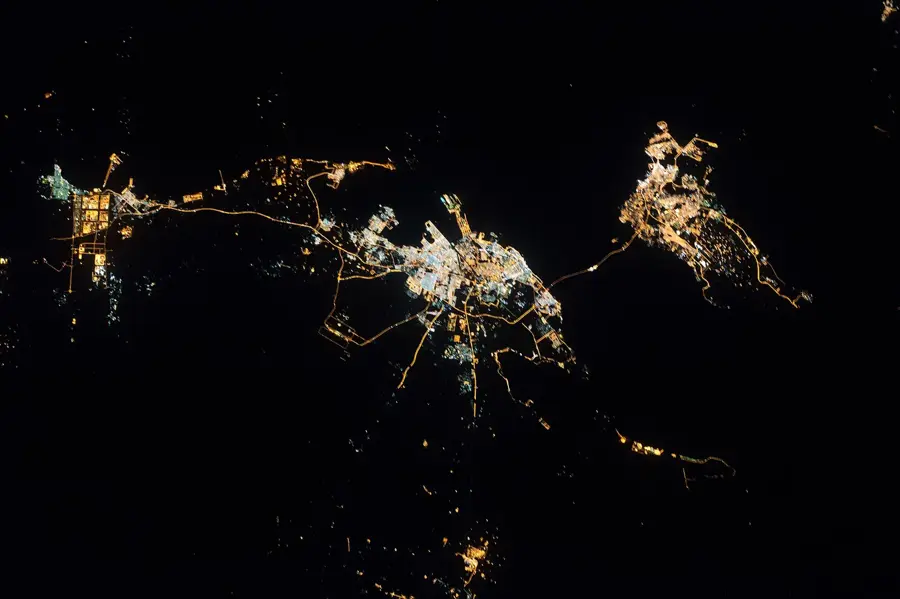
Al-Asfar Lake, also known as the 'Yellow Lake,' is located on the edge of the Al-Ahsa Oasis in eastern Saudi Arabia and is one of the few permanent inland water bodies in the country. The lake's surface area can expand up to 326 square kilometers, primarily fed by irrigation runoff from the vast date palm groves of the Al-Ahsa region. Surrounded by high sand dunes and thick reed beds, the lake provides a spectacular contrast to the arid desert landscape. It is an internationally recognized wetland of high ecological importance, serving as a critical stopover for migratory birds traveling between Russia and India. Species frequently spotted here include flamingos, herons, and various duck species. The water's salinity and depth vary with the seasons, creating a dynamic environment for local flora. Historically, the lake's existence is tied to the ancient agricultural practices of the region. As part of the broader Al-Ahsa UNESCO World Heritage landscape, Al-Asfar Lake is increasingly protected and promoted for eco-tourism. It is a popular destination for desert excursions, birdwatching, and nature photography.

Best time to visit & climate

The most pleasant time to visit is Feb, Mar, Nov.

JanFebMarAprMayJunJulAugSepOctNovDec
Avg °C141722273336383734292216
Rain mm553400000177

📋 Practical info

🧭
Getting there
Reaching this expansive wetland typically involves a drive through the Al-Ahsa Oasis, often requiring a 4x4 vehicle due to the surrounding sandy dunes. Travelers usually start their journey from the nearby urban centers within the oasis.
📅
Best season
The most favorable time for a visit is during the cooler winter months when temperatures are manageable and thousands of migratory birds use the sanctuary. Summer visits are generally avoided because of the extreme desert heat.
⛰️
Terrain & paths
Expect a diverse landscape characterized by soft sandy dunes transitioning into muddy banks immediately surrounding the wetland lake. Walking around the water's edge can be challenging due to the uneven and sometimes slippery ground.
🎒
What to bring
Visitors should pack ample drinking water, reliable sun protection, and comfortable footwear suitable for both soft sand and damp terrain. Binoculars are highly recommended for observing the abundant migratory birds from a safe distance.
🅿️
Parking
Designated parking spots are rarely available in this natural setting, so vehicles are typically left on stable ground before reaching the softer sand. It is advisable to coordinate logistics in the nearby settlements of the Al-Ahsa region.
⚠️
Safety
Extreme temperatures and the risk of getting a vehicle stuck in the sand are the primary hazards when navigating this remote oasis. Traveling with an experienced local guide or in a convoy is often the safest approach for exploring the area.
⏱️
Time needed
A typical excursion to the lake, including the off-road travel and birdwatching activities, usually spans a half to a full day. The peaceful environment encourages visitors to take their time and appreciate the unique desert wetland scenery.

Geography

Coordinates
25.51800, 49.71800

Facts

  • Al-Asfar Lake is fed by runoff from 2.5 million date palms in Al-Ahsa.
  • The lake's area can reach up to 32,600 hectares during winter.
  • It is a vital habitat for the endangered Marbled Teal duck.
  • The lake is surrounded by 'barchan' or crescent-shaped sand dunes.
  • Evaporation is the only way water leaves the lake, as it has no outlet.
  • It is part of the largest agricultural oasis in the world, Al-Ahsa.

Explore nearby

Notable places around

Route planner — Car & Motorhome

Where do you start? We build the route here, with stops and country notes along the way.

Vehicle
Only stops with (optional):

© OpenStreetMap contributors · OpenRouteService

Sights in the town Al-Asfar Lake (3)

`Ayn Umm Hishah🏺 historical

The remains of an ancient settlement on the shores of Al-Asfar Lake, testifying to the long history of the Al-Ahsa oasis.

Qalib al Ghurabi🏺 historical

Historic desert ruin sites that were once part of the complex irrigation system of the Al-Asfar region.

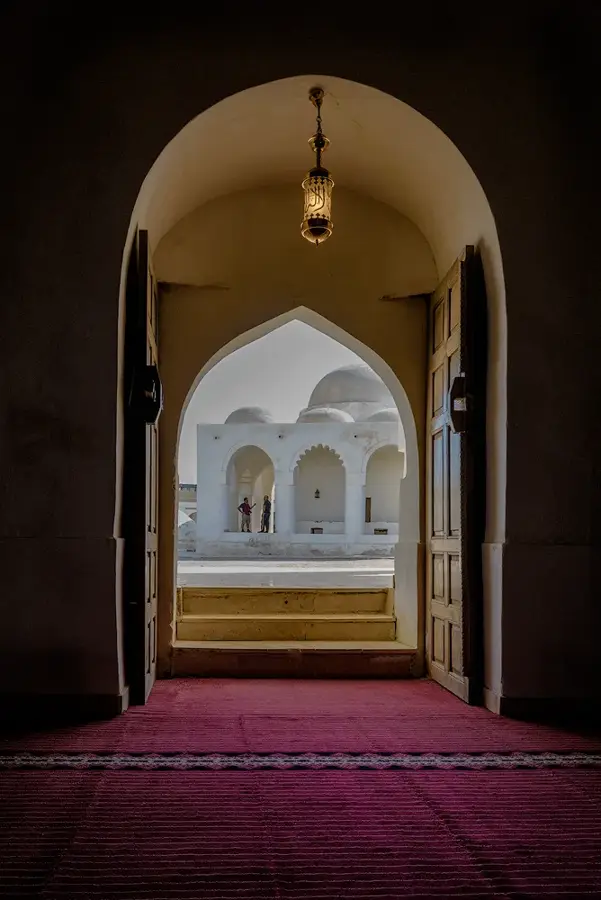
Jawatha mosque📍 landmark

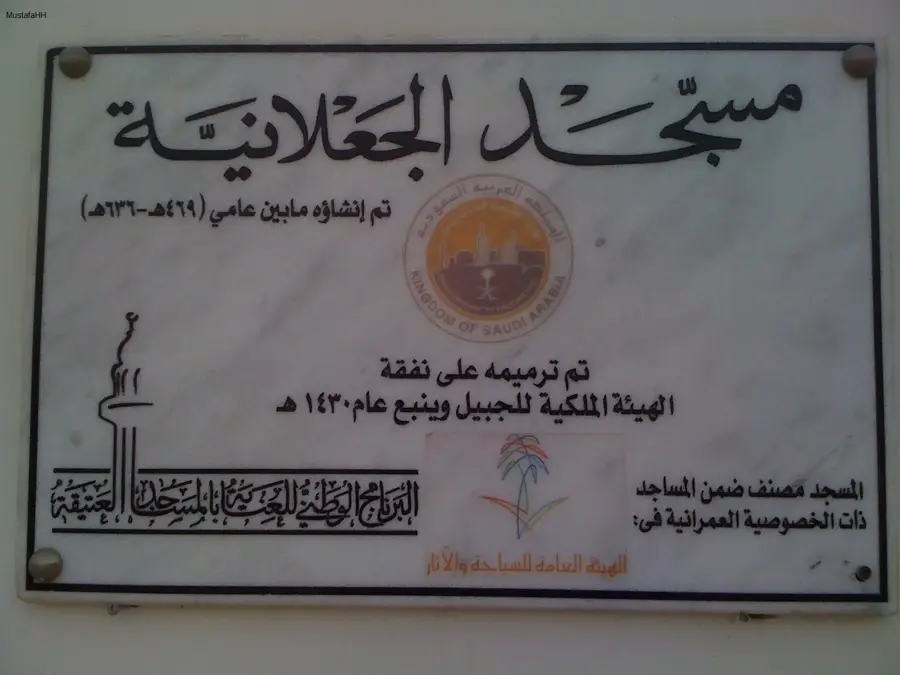
This significant historical site is considered one of the oldest mosques in eastern Arabia, originally built in the 7th century.

Sights nearby

Frequently asked questions

When is the best time to visit Al-Asfar Lake?
The winter months from November to February are well-suited as temperatures are pleasantly mild.
Is access to the lake possible with a normal car?
A 4WD vehicle is highly recommended as the lake is surrounded by sand dunes.
Can you swim in Al-Asfar Lake?
Swimming is not recommended due to high salinity and unknown ground conditions.
Are there sanitary facilities on site?
No, there is no public infrastructure. Please bring everything you need with you.
How long should a visit to the lake last?
Half a day is sufficient to enjoy the peace and the desert views.
Al-Asfar Lake: where is it located?
Al-Asfar Lake is located in Saudi Arabia.
Al-Asfar Lake: what is there to see?
Highlights include `Ayn Umm Hishah, Qalib al Ghurabi, Jawatha mosque.
Al-Asfar Lake: when is the best time to visit?
The most pleasant time to visit is Feb, Mar, Nov.
Al-Asfar Lake: why is it worth visiting?

Al-Asfar Lake, also known as the 'Yellow Lake,' is located on the edge of the Al-Ahsa Oasis in eastern Saudi Arabia and is one of the few permanent inland water bodies in the country.
View on map → The Top 50 Attractions → OpenStreetMap →
Asia
Explore with Plizio Discover more places in Asia
More places in Saudi Arabia →

Nearby cities

History & landmarks
Nature
More places