Plizio Visual Lab
São Joaquim
ℹ️Practical info — São Joaquim
▾
🌤 Weather — 5 days
📍 Nearby
Sights nearby
💡 Tips
- Wear sturdy shoes to safely walk through the crumbling ruins of the old Roça.
- Bring a fast lens; the interplay of light in the ruins is convenient for photographers.
- Use plenty of mosquito repellent, as standing water in the ruins attracts insects.
- Visit with a guide who can tell the stories of the plantation families.
- Be cautious when entering old buildings, as the structures are often unstable.
🍽 Food
A nutritious side dish often prepared over an open fire near the local houses.
A hearty dish often cooked for lunch within the small São Joaquim community.
Freshly pressed juice from the surrounding wild canes, very refreshing on hot days.
🛍 Shopping · 🧘 Quiet spots
Some residents collect and sell herbs from the forest used for making tea.
Occasionally, handmade soaps made from coconut oil are offered by local small producers.
A mystical spot where nature has reclaimed the old stone walls.
A little-trodden path leading to the remains of a small chapel in the woods.
Water temperature…
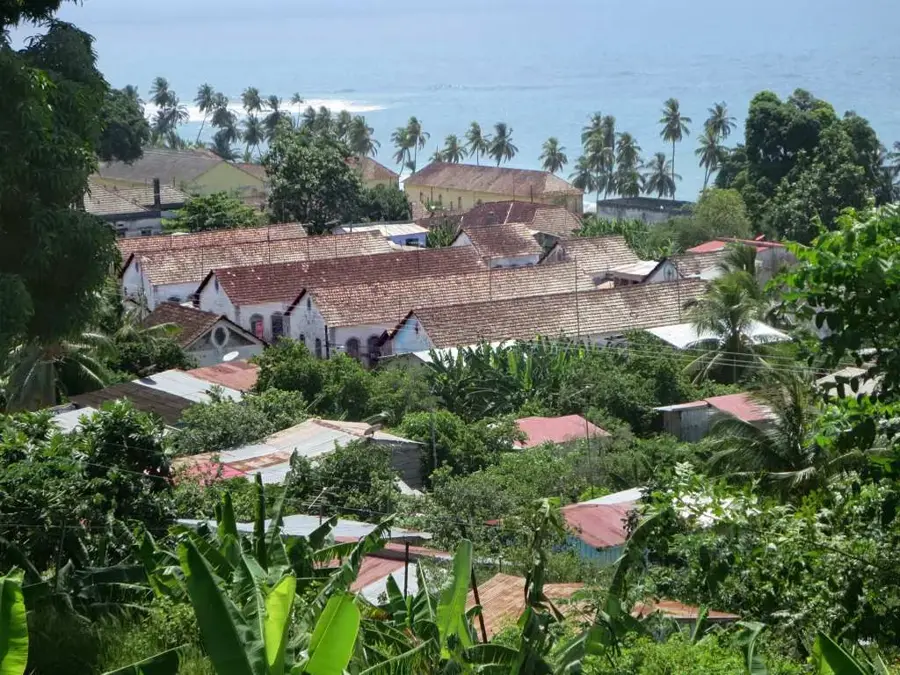
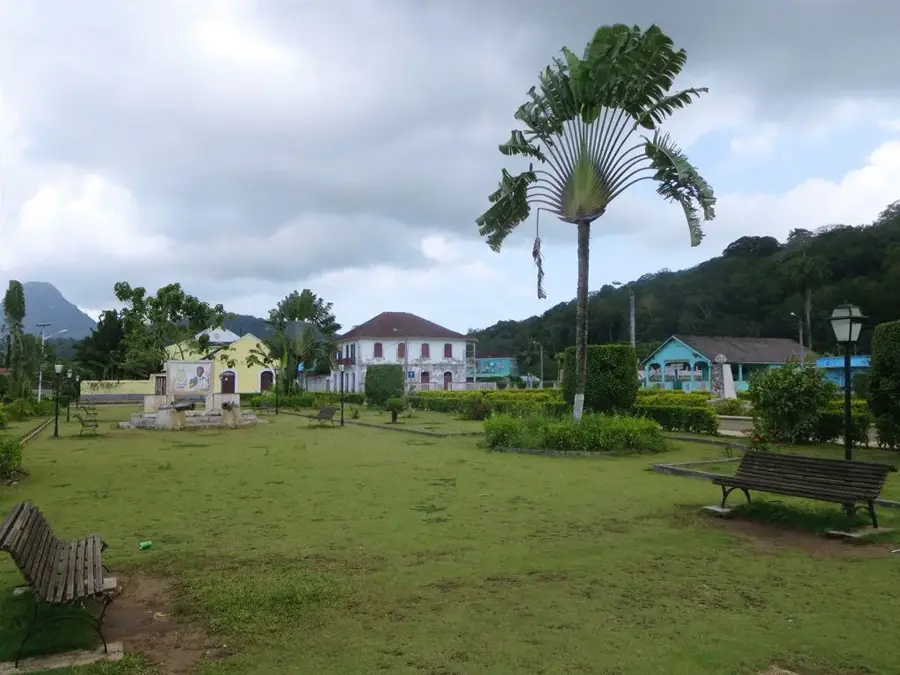
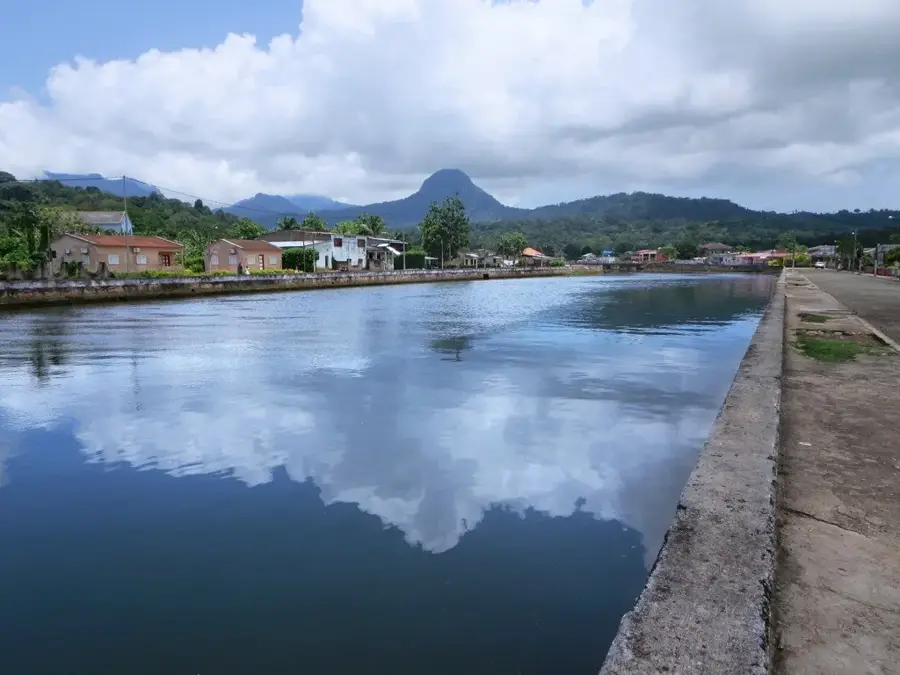
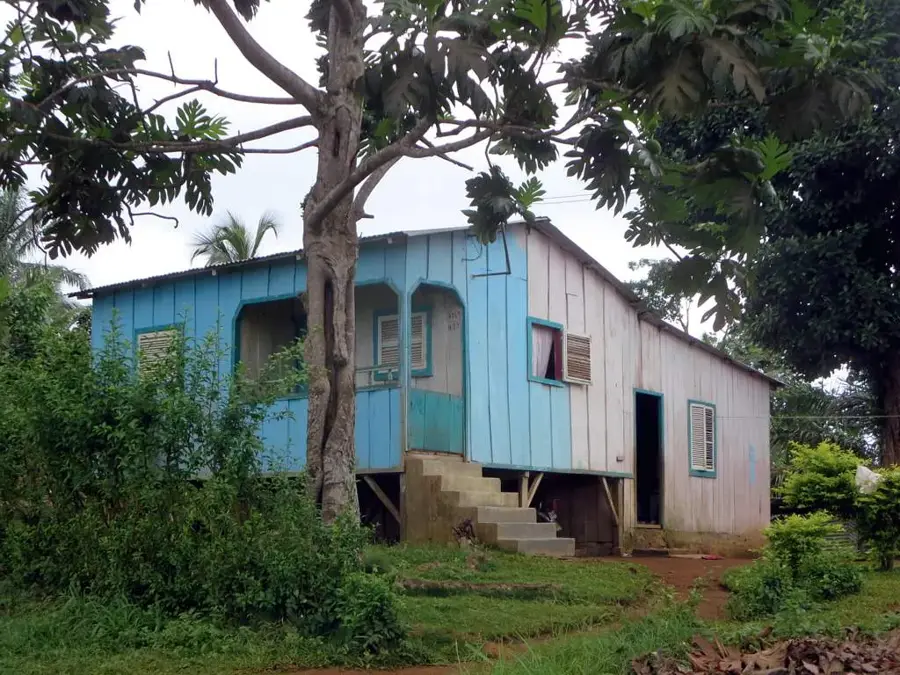
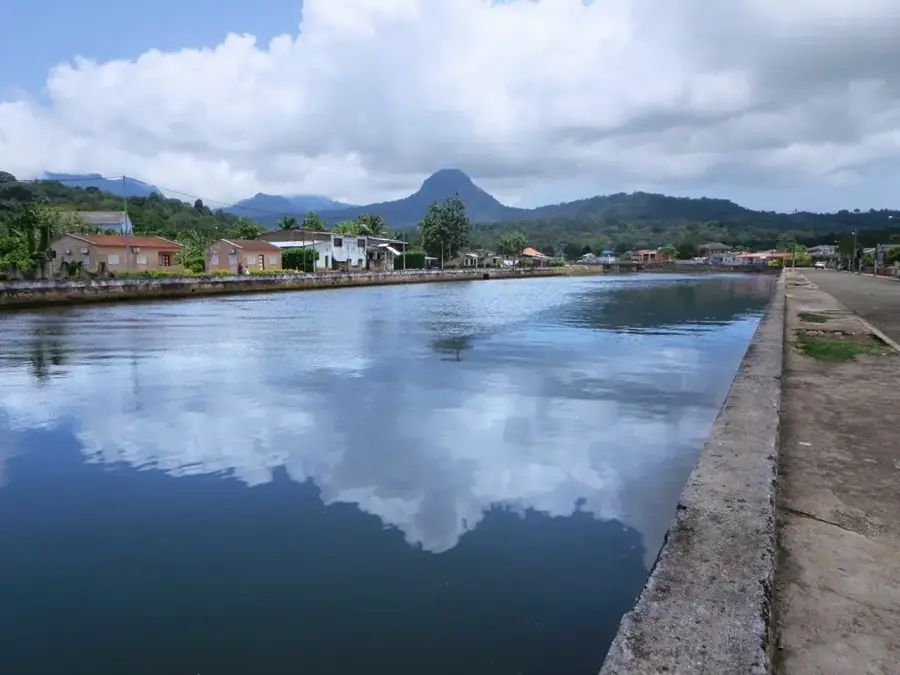
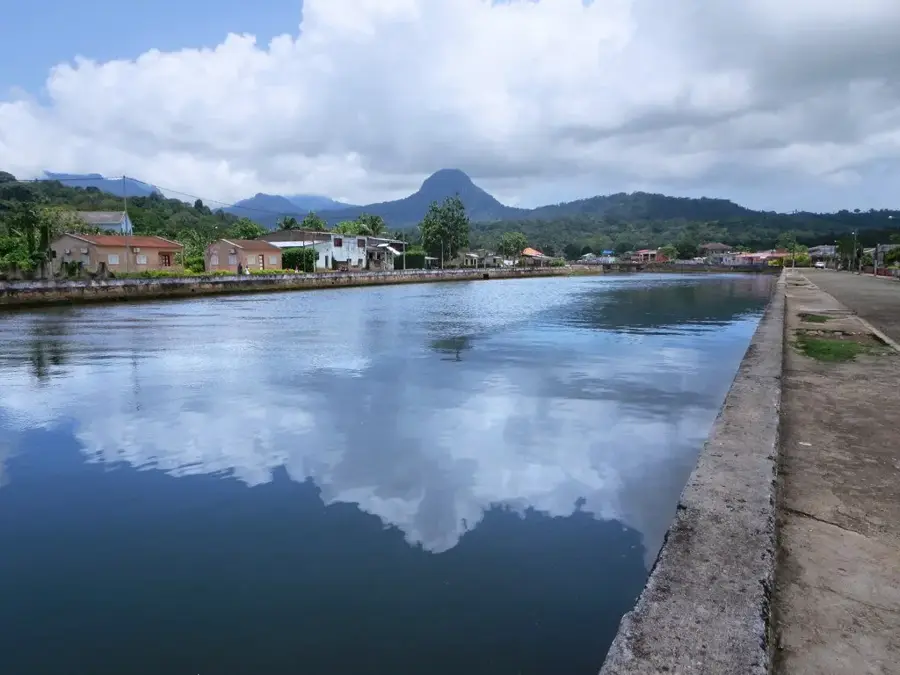
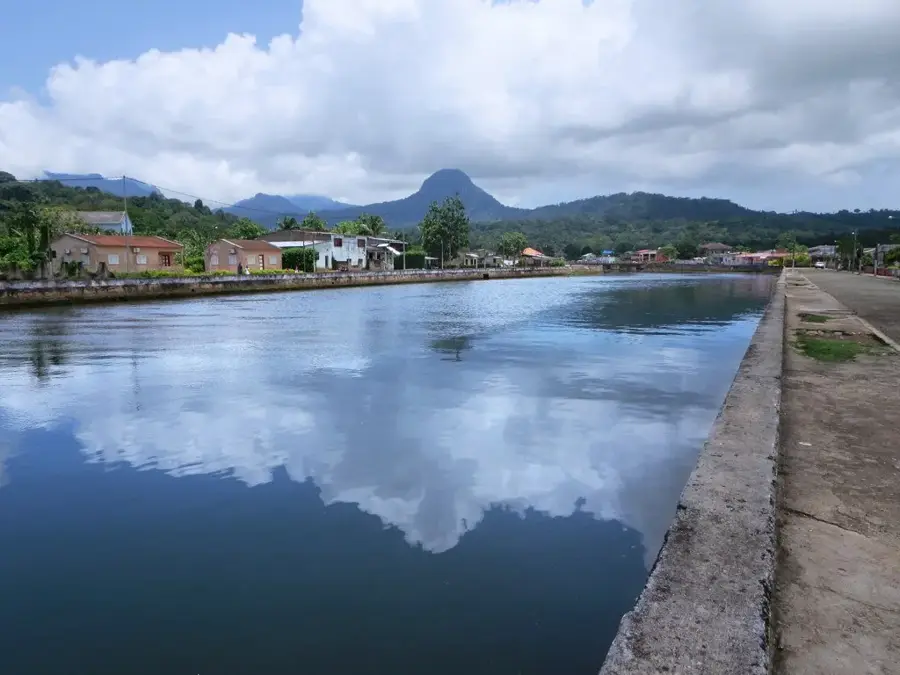
São Joaquim is a small, history-laden roça settlement in the central highlands of Príncipe Island, sitting at around 350 meters elevation in a dense valley crossed by numerous streams. The plantation was founded in the mid-19th century and was among the roças that used particularly sophisticated hydraulic installations: even today, remnants of water channels, drying chambers and wooden water wheels used to process cocoa beans and coffee can be seen on the overgrown walls. After decades of decline, the site is being revived by botanical research teams from Lisbon, Coimbra and São Paulo, who document endemic species of Príncipe's lowland forests here. Residents also maintain traditional cocoa harvest festivals during which families ferment, dry and try out new chocolate recipes together. São Joaquim thus combines industrial-archaeological heritage, living natural research and an authentic slice of São Toméan roça culture.
- Location: São Tomé & Príncipe
- Nearby: Paciência (Coast) (4 km)
- Population: ~1.156 (2026)
Best time to visit & climate
The most pleasant time to visit is Jun–Aug.
| Jan | Feb | Mar | Apr | May | Jun | Jul | Aug | Sep | Oct | Nov | Dec | |
|---|---|---|---|---|---|---|---|---|---|---|---|---|
| Avg °C | 27 | 28 | 28 | 28 | 27 | 26 | 25 | 25 | 26 | 26 | 27 | 27 |
| Rain mm | 141 | 136 | 205 | 202 | 175 | 75 | 40 | 37 | 98 | 226 | 232 | 155 |
Geography
Facts
- São Joaquim is located in the central highlands of São Tomé in the Mé-Zóchi district.
- The roça was once a significant site for processing cocoa.
- The manor house is characterized by its elevated location overlooking the worker quarters.
- Historical documents attest to the settlement of contract laborers from Angola and Mozambique.
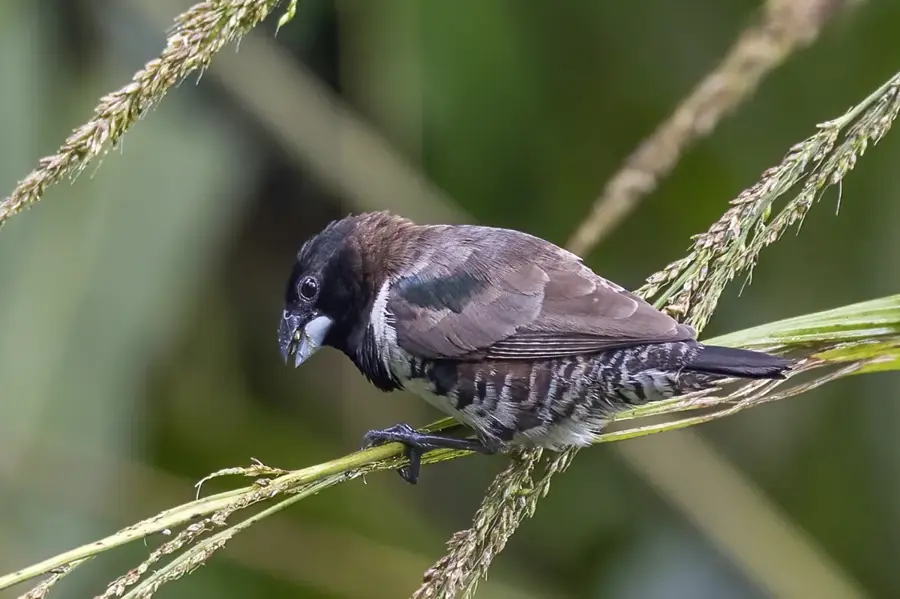
- The surrounding vegetation is a mix of primary and secondary forest.
- Today, ecological shade-grown coffee is increasingly produced in São Joaquim.
Explore nearby
Notable places around
Route planner — Car & Motorhome
Where do you start? We build the route here, with stops and country notes along the way.
© OpenStreetMap contributors · OpenRouteService
Sights in the town São Joaquim (1)
Frequently asked questions
Is a visit to São Joaquim worth it?
How much time should I plan?
When is the best time to visit?
Is it family-friendly?
What is the best way to get there?
São Joaquim: where is it located?
São Joaquim: when is the best time to visit?
São Joaquim: why is it worth visiting?

Nearby cities

History & landmarks
More places